 and now, NASCAR Racing Sponsor


Understanding Air Conditioning A Coil Problems and Solutions
-
 By
Michael Haines
By
Michael Haines
- Dec 12, 2025
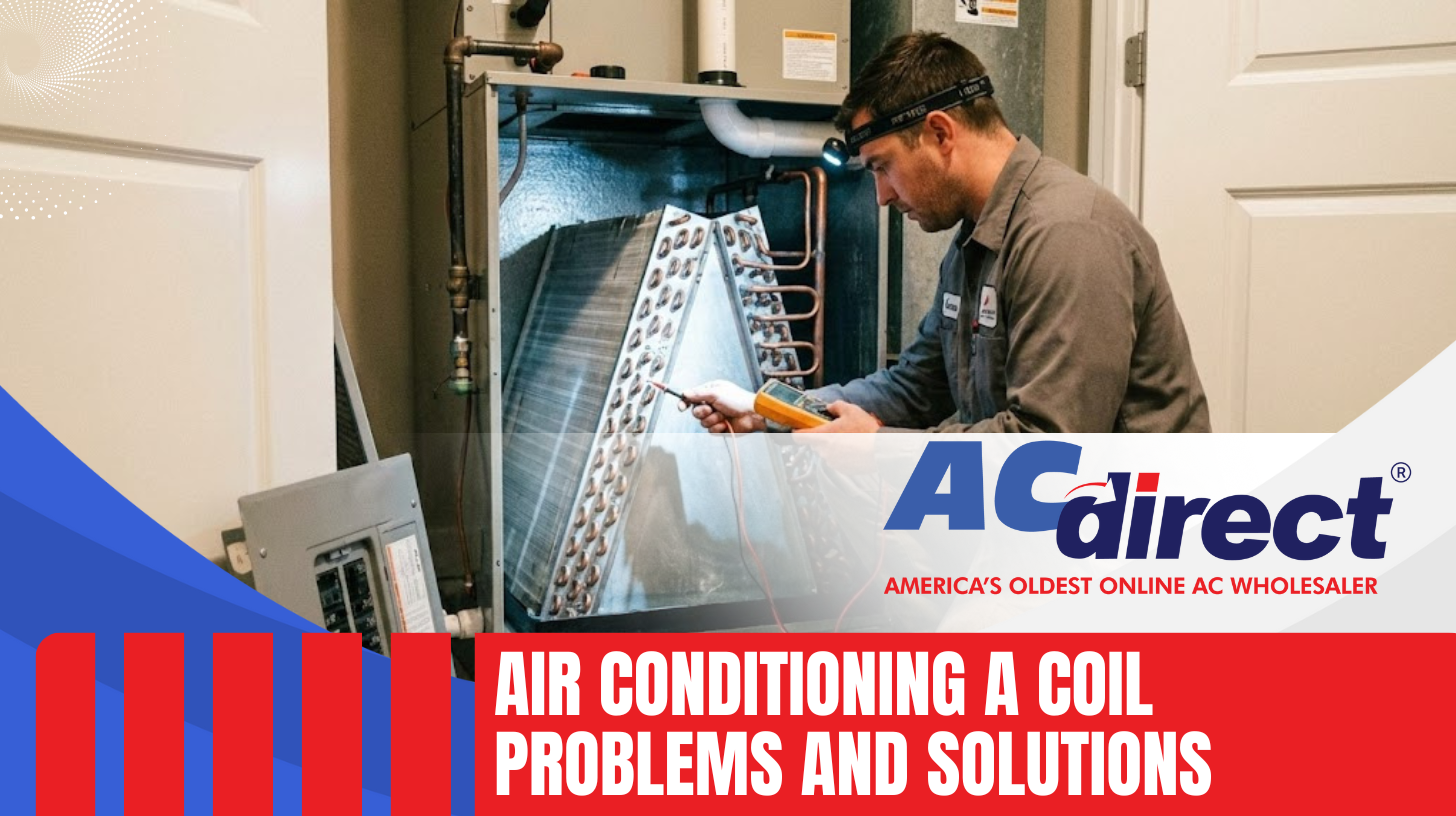
Hi, I'm Mike Haines, and I've spent years in the HVAC industry. One of the most critical components of your air conditioning system is the A coil. I'll break down everything you need to know about AC coils, including their function, types, common problems, and how to maintain them. This information is aimed at homeowners and small business owners who want to understand their AC systems better and make informed decisions about maintenance and repairs.
Key Highlights
- The AC coil is essential for cooling your home by absorbing heat from indoor air.
- Regular maintenance, including cleaning, can significantly extend the life of your AC coil and improve efficiency.
- Several factors should be considered to ensure that you pick the right AC coil.
- Signs of a failing AC coil include reduced cooling, increased energy bills, and unusual noises.
- Replacing an AC coil is best left to qualified HVAC professionals due to the complexity and safety concerns involved.
Air Conditioning Coils: An Overview
The air conditioning coil, often referred to as the evaporator coil, is a vital component in your home's cooling system. Its primary function is to absorb heat from the air that passes over it, effectively cooling the air before it's circulated back into your living spaces. Think of it as the engine that drives the cooling process. Without a properly functioning AC coil, your air conditioner simply won't be able to keep your home comfortable.
Why Your AC Coil Matters for Home Cooling
The AC coil is where the magic of air conditioning happens. Here’s why it’s so important:
- Heat Absorption: The coil contains refrigerant that absorbs heat from the air. This process cools the air, making your home comfortable.
- Dehumidification: As the air cools, moisture condenses on the coil, helping to dehumidify your home.
- System Efficiency: A clean and well-maintained coil ensures that your AC system runs efficiently, saving you money on energy bills.
When the AC coil isn't working efficiently, it impacts the entire system, leading to higher energy consumption and reduced cooling capacity. I see a lot of homeowners who don't realize the coil is the source of their AC problems.
Types of AC Coils: A Homeowner's Perspective
There are several types of AC coils, each designed for specific applications. Understanding the different types can help you make informed decisions when it comes to replacement or upgrades.
A-Coils
A-coils are the most common type found in residential AC systems. They're shaped like an "A," providing a large surface area for heat exchange while maintaining a compact size.
Slab Coils
Slab coils are flat and rectangular, often used in older or less efficient systems. They may not offer the same level of performance as A-coils but can be a suitable replacement in certain situations.
N-Coils or Slanted Coils
These coils offer a slightly different design that can improve airflow and efficiency in some systems. They're less common than A-coils but can be a good option for specific HVAC setups.
Matching Your AC Coil to Your System: What to Consider
Choosing the right AC coil for your system is crucial for optimal performance and efficiency. Here are some factors to consider:
System Compatibility
Ensure that the new coil is compatible with your existing AC unit and furnace. The tonnage (cooling capacity) of the coil should match the tonnage of your AC system. I recommend consulting with an HVAC professional to verify compatibility.
Refrigerant Type
Older AC systems use R-22 refrigerant, while newer systems use R-410A. Make sure the coil is designed for the type of refrigerant your system uses. Mixing refrigerants can cause serious problems.
Physical Size and Dimensions
The new coil must fit properly within your existing HVAC system. Measure the available space and compare it to the dimensions of the coil to ensure a good fit.
AC Coil Efficiency and SEER Ratings: What's the Connection?
The efficiency of your AC coil directly impacts the overall efficiency of your air conditioning system, which is measured by the Seasonal Energy Efficiency Ratio (SEER). A higher SEER rating indicates a more efficient system. A well-maintained, properly matched AC coil can help you achieve a higher SEER rating, reducing your energy consumption and lowering your utility bills.
Upgrading to a more efficient coil can be a worthwhile investment, especially if you have an older system. Look for coils with advanced features like coated fins, which resist corrosion and improve heat transfer. The Yellowstone valley electric has information about energy efficiency and SEER ratings.
The Cost of Air Conditioning Coils: Replacement and Maintenance
The cost of an AC coil can vary based on several factors, including the type of coil, the brand, and the complexity of the installation. Replacement costs can range from $700 to $2500, including parts and labor. Regular maintenance, such as cleaning the coil, can help extend its lifespan and prevent costly repairs. You can find Hvac supplies at AC Direct.
Maintenance Costs
Regular cleaning and inspection of your AC coil can help prevent major issues and extend its lifespan. Professional cleaning services typically cost between $75 and $200. I recommend having your coil cleaned annually.
Signs Your AC Coil Needs Attention
Recognizing the signs of a failing AC coil can help you address issues early, preventing more extensive damage and costly repairs.
Reduced Cooling Performance
If your AC system is not cooling your home as effectively as it used to, it could be a sign of a problem with the coil.
Increased Energy Bills
A malfunctioning coil can cause your AC system to work harder, leading to higher energy consumption and increased utility bills.
Ice Buildup on the Coil
Ice buildup indicates that the coil is not properly absorbing heat, which can be caused by a refrigerant leak or airflow obstruction.
Refrigerant Leaks
Refrigerant leaks can damage the AC coil and reduce its efficiency. If you suspect a leak, contact a qualified HVAC technician immediately.
Strange Noises
Unusual noises, such as hissing or bubbling sounds, can indicate a problem with the coil or refrigerant lines.
If you notice any of these signs, it's time to take action. Ignoring these problems can lead to more significant damage and potentially require a full system replacement. Be sure to explore Ac financing if you are considering an upgrade.
Extending the Life of Your AC Coil: Practical Tips
Proper maintenance is key to extending the life of your AC coil and ensuring optimal performance. Here are some practical tips:
Regular Cleaning
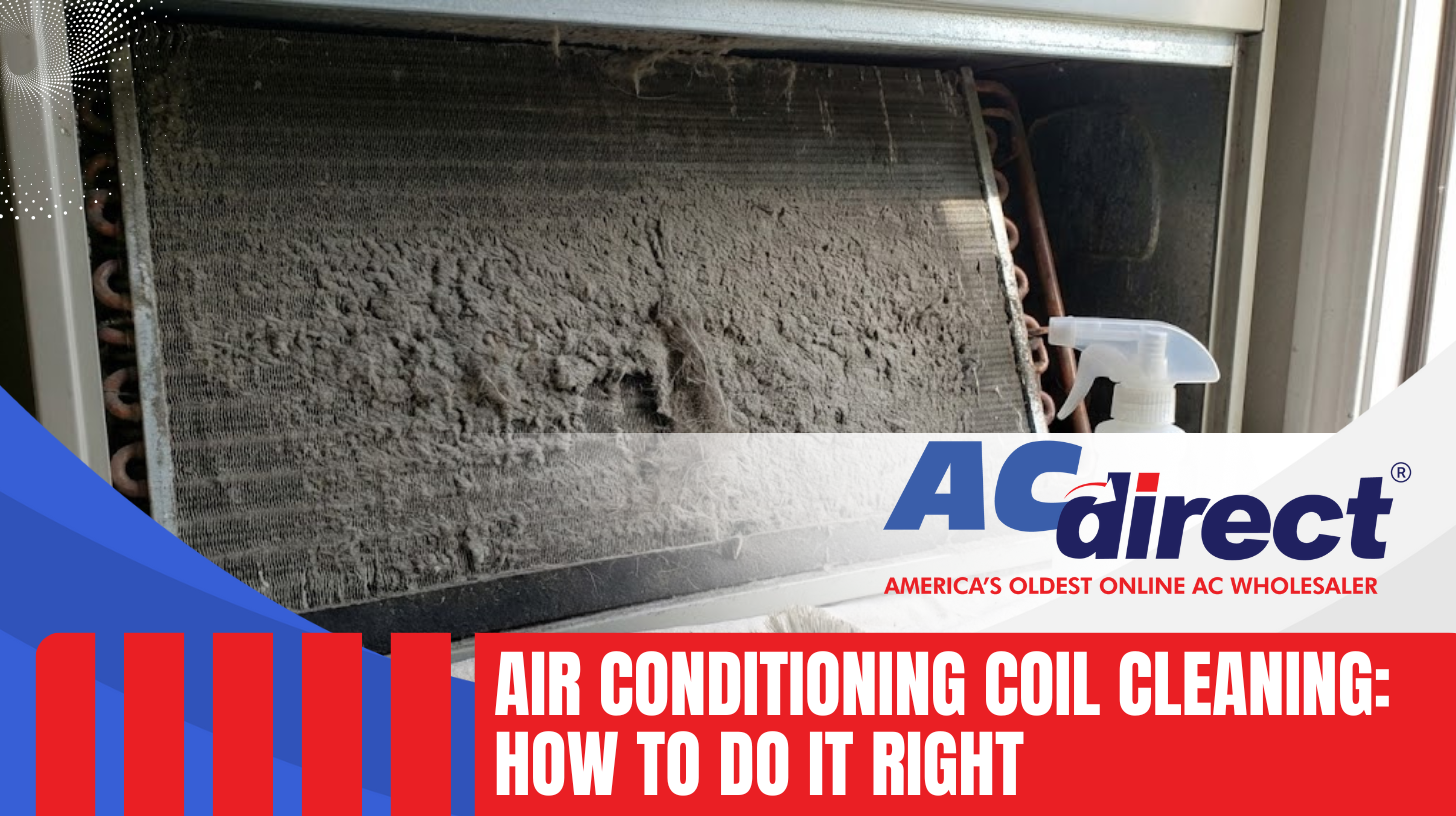
Clean the coil regularly to remove dirt, dust, and debris. You can use a fin comb to straighten bent fins and improve airflow.
Air Filter Replacement
Replace your air filter every 1-3 months to prevent dust and debris from accumulating on the coil.
Professional Inspections
Schedule annual inspections with a qualified HVAC technician to identify and address potential problems early.
Maintain Proper Airflow
Ensure that vents and registers are not blocked by furniture or other objects, allowing for proper airflow throughout your home. This is especially important for Mobile home ac units.
When to Call a Professional for AC Coil Service
While some maintenance tasks can be performed by homeowners, certain issues require the expertise of a qualified HVAC technician. Call a professional if you experience any of the following:
Refrigerant Leaks
Refrigerant leaks require specialized equipment and knowledge to repair safely and effectively.
Ice Buildup
Persistent ice buildup can indicate a serious problem that needs professional attention.
Coil Replacement
Replacing an AC coil is a complex task that should be performed by a qualified technician.
Complex Repairs
Any repairs that involve electrical components or refrigerant lines should be handled by a professional.
Frequently Asked Questions
What is the main purpose of an AC coil?
The AC coil, specifically the evaporator coil, is responsible for absorbing heat from the air inside your home, cooling it down before it's circulated back into your living space. The condenser coil releases heat outside.
How often should I clean my AC coil?
Ideally, your AC coil should be inspected and cleaned annually by a qualified HVAC technician. However, if you live in a dusty environment or have pets, more frequent cleaning may be necessary.
What are some signs of a failing AC coil?
Signs of a failing AC coil include reduced cooling performance, higher energy bills, ice buildup on the coil, refrigerant leaks, and strange noises coming from your AC unit.
Can I replace an AC coil myself?
Replacing an AC coil is a complex and potentially dangerous task that requires specialized knowledge, tools, and refrigerant handling certifications. It is highly recommended to hire a qualified HVAC technician for this repair.
How much does it cost to replace an AC coil?
The cost to replace an AC coil can vary depending on the type of coil, the complexity of the installation, and your location. Expect to pay anywhere from $700 to $2500, including parts and labor.
Final Thoughts
The AC coil is a critical component of your home's cooling system. Understanding its function, types, and common problems can help you make informed decisions about maintenance and repairs. Regular maintenance, such as cleaning and filter replacement, can extend the life of your coil and improve efficiency.
If you suspect a problem with your AC coil, don't hesitate to call a qualified HVAC technician. Addressing issues early can prevent more extensive damage and costly repairs. Making smart choices now ensures a cool and comfortable home for years to come.
At AC Direct, we're here to help you find the right AC coil for your system and provide expert advice on maintenance and repairs. Feel free to reach out with any questions or concerns.