 and now, NASCAR Racing Sponsor


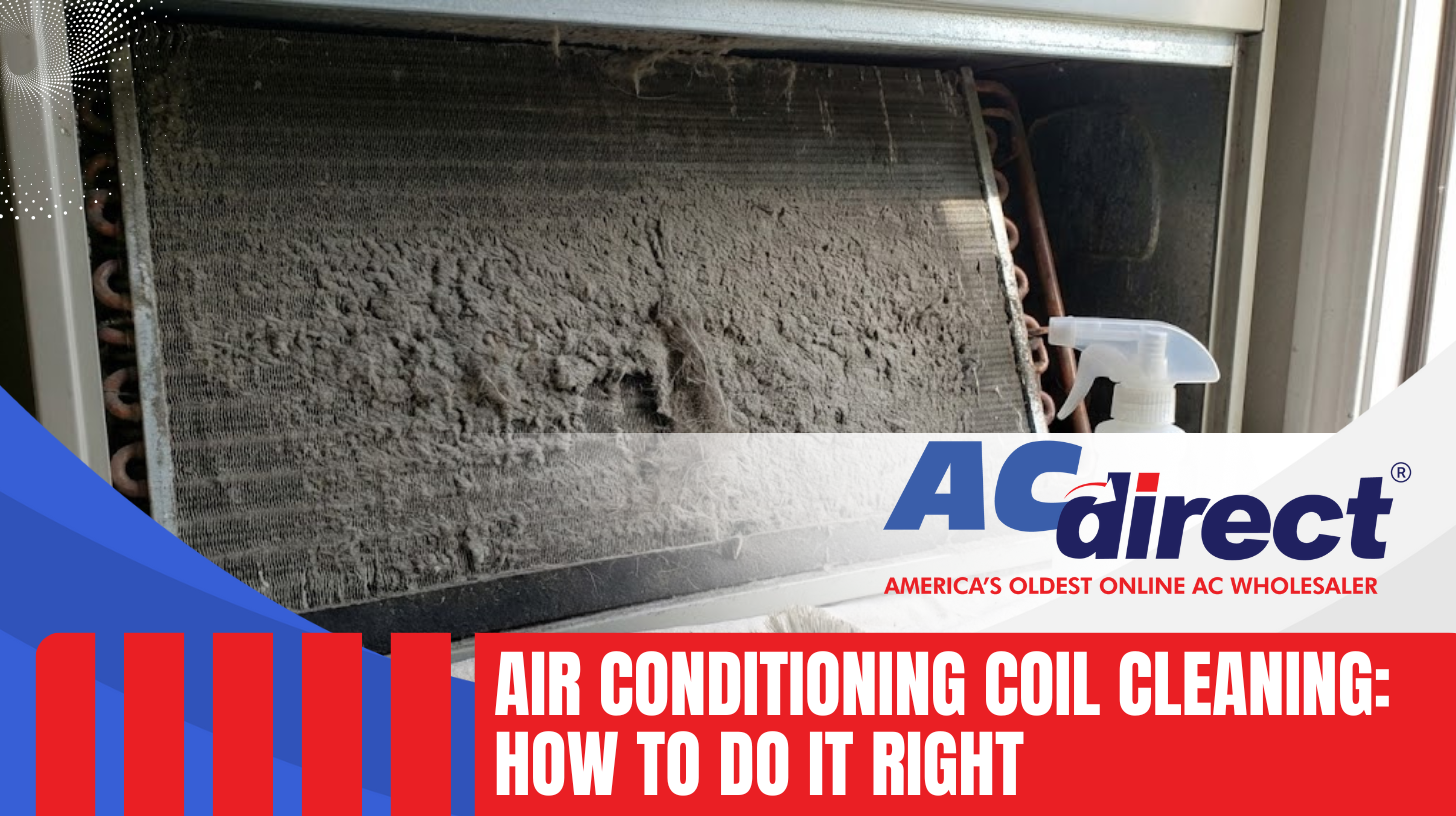
Air Conditioning Coil Cleaning: How To Do It Right
-
 By
Michael Haines
By
Michael Haines
- Dec 13, 2025
Hi, I'm Mike Haines, your AC Direct HVAC expert. I'll walk you through everything you need to know about air conditioning coils, including their function, types, maintenance, and replacement. This information is for homeowners and small business owners who want to keep their cooling systems running efficiently and avoid costly repairs.
Key Highlights
- Air conditioning coils are essential components that facilitate heat exchange in your AC system.
- Regular cleaning and maintenance of AC coils can significantly improve cooling efficiency and lower energy bills.
- Knowing the signs of a failing AC coil can help you address problems early and prevent major damage.
- While some AC coil maintenance can be done yourself, professional help is often needed for complex issues or evaporator coil cleaning.
- The cost of AC coil replacement can vary widely, so understanding the factors involved is crucial for budgeting.
What is an Air Conditioning Coil?
The air conditioning coil is a vital component of your AC system. It's responsible for either absorbing heat from your home (evaporator coil) or releasing heat outside (condenser coil). These coils are essentially heat exchangers, filled with refrigerant that cycles through the system to cool your indoor air.
Types of AC Coils: Evaporator vs. Condenser
There are two main types of AC coils, each with a distinct function:
Evaporator Coil
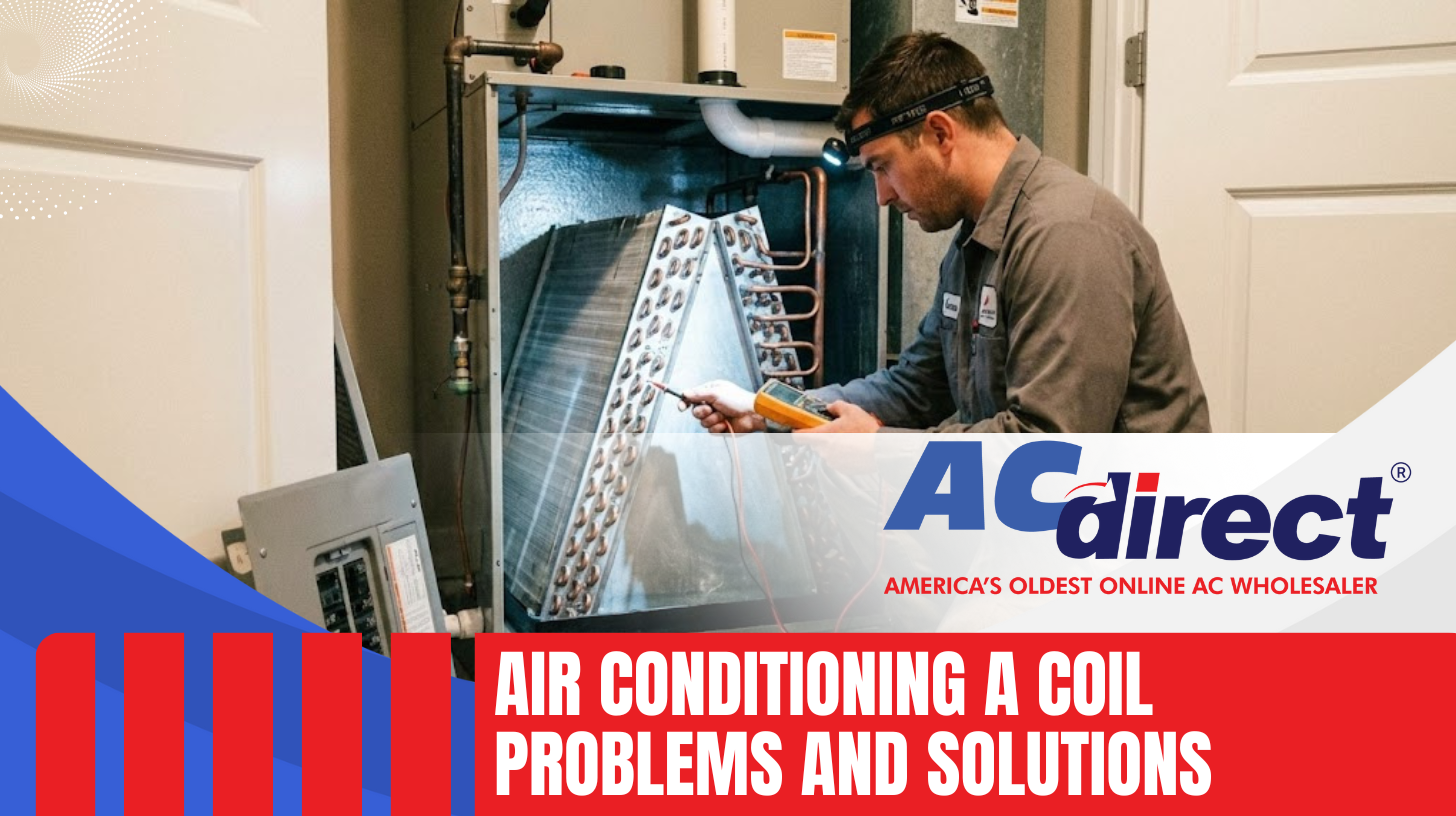
The evaporator coil is located inside your air handler, which is usually part of your furnace or a dedicated indoor unit. Its job is to absorb heat from the air that's blown across it. As warm air passes over the cold, refrigerant-filled coil, the refrigerant absorbs the heat, and the cooled air is then circulated back into your home.
Condenser Coil
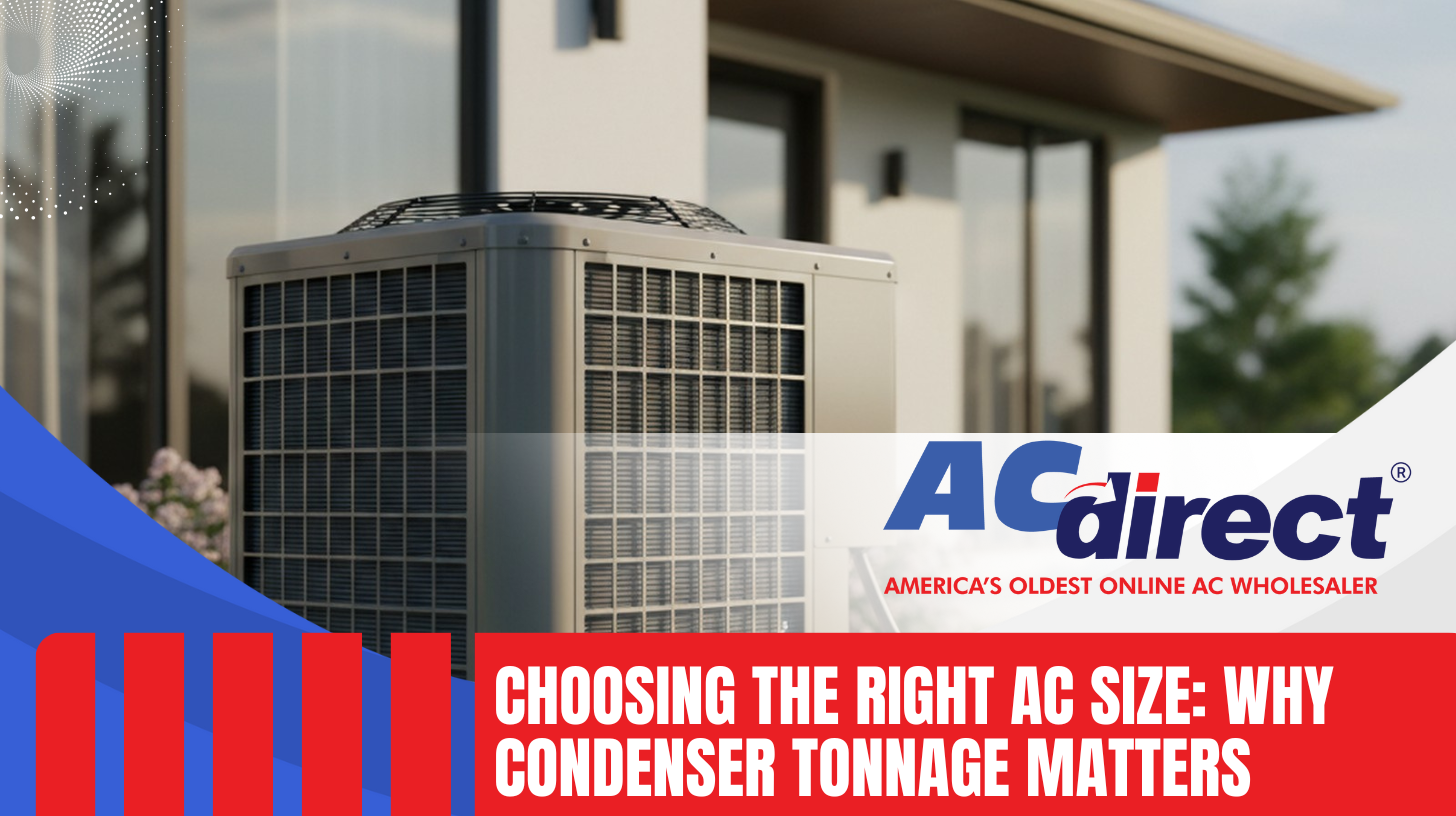
The condenser coil is located in the outdoor unit. It releases the heat absorbed by the evaporator coil. The hot refrigerant flows into the condenser coil, where a fan blows air across it, dissipating the heat into the outside environment. This process turns the refrigerant back into a liquid, ready to start the cooling cycle again.
Why AC Coils Are Important for Home Cooling
AC coils are crucial for efficient and effective home cooling. When they're clean and functioning properly, your AC system can transfer heat efficiently, keeping your home comfortable while minimizing energy consumption. Dirty or damaged coils force your system to work harder, leading to higher energy bills and potential breakdowns. Keeping your Air conditioning units for sale coils in good shape is important.
Signs of a Failing AC Coil
Recognizing the signs of a failing AC coil can help you address problems before they lead to more extensive and expensive repairs. Here are some common indicators:
- Reduced Cooling Performance: If your AC isn't cooling your home as effectively as it used to, a failing coil could be the culprit.
- Increased Energy Bills: A struggling coil forces your system to work harder, leading to higher energy consumption.
- Visible Corrosion or Leaks: Inspect your coils for signs of corrosion, damage, or refrigerant leaks. Any visible issues warrant a closer look.
- Ice Buildup: Ice on the evaporator coil can indicate restricted airflow, refrigerant leaks, or other problems.
- Unusual Noises: Hissing or bubbling sounds from your AC unit could indicate a refrigerant leak in the coil.
Choosing the Right Replacement AC Coil
If your AC coil is beyond repair, you'll need to replace it. Choosing the right replacement coil is essential for optimal performance and compatibility. Here's what to consider:
Coil Type
Make sure the replacement coil matches the type of refrigerant your system uses. Mixing incompatible refrigerants can damage your system. Talk to a professional about Ac unit size calculator to make sure your AC system is running correctly.
Size and Capacity
The new coil should have the same capacity as the original to ensure proper cooling and efficiency. Using the What size air conditioner do i need will help you find the perfect size air conditioner for your home.
Compatibility
Ensure the replacement coil is compatible with your existing AC unit. Check the manufacturer's specifications or consult with an HVAC technician.
AC Coil Cleaning and Maintenance Tips
Regular cleaning and maintenance are essential for keeping your AC coils in good condition and maximizing their lifespan. Here are some tips:
Regular Cleaning
Clean your condenser coil at least once a year, or more often if you live in a dusty or pollen-rich environment. Use a garden hose with a gentle spray nozzle to remove dirt and debris. For the evaporator coil, professional cleaning is usually recommended to avoid damage.
Fin Combs
Use a fin comb to straighten any bent fins on the coils. Bent fins restrict airflow and reduce efficiency. These are inexpensive and readily available at most hardware stores.
Air Filter Replacement
Replace your air filter regularly, typically every 1-3 months. A clean air filter prevents dust and debris from accumulating on the evaporator coil.
Professional Inspections
Schedule regular professional inspections and maintenance to identify and address any potential problems early on. A technician can thoroughly clean and inspect your coils, check refrigerant levels, and ensure your system is running efficiently.
The Cost of AC Coil Replacement
The cost of replacing an AC coil can vary significantly depending on several factors:
Type of Coil
Evaporator coils tend to be more expensive to replace than condenser coils due to their location and the complexity of the installation.
Refrigerant Type
The type of refrigerant your system uses can impact the cost of the replacement coil. Some refrigerants are more expensive than others.
Labor Costs
Labor costs will vary depending on your location and the complexity of the job. Get quotes from multiple HVAC professionals to ensure you're getting a fair price. I always tell homeowners to get several quotes before committing to a big repair like this.
System Age and Condition
If your AC system is old or in poor condition, it might be more cost-effective to replace the entire unit rather than just the coil. You can get tax credits and save more money in the long run by purchasing a newer, more energy efficient model.
Expect to pay anywhere from $500 to $2,500 or more for AC coil replacement, including parts and labor.
Extending the Lifespan of Your AC Coils
You can extend the lifespan of your AC coils with proper care and maintenance:
Regular Maintenance
Follow a regular maintenance schedule, including coil cleaning, air filter replacement, and professional inspections.
Proper Airflow
Ensure proper airflow around your AC unit. Keep the area around the outdoor unit clear of obstructions, such as plants and debris.
Prompt Repairs
Address any issues promptly. Ignoring minor problems can lead to more significant damage over time.
Consider a Protective Coating
In coastal areas or other corrosive environments, consider applying a protective coating to your condenser coil to prevent corrosion, similar to what Umatilla electric cooperative recommends to prevent damage from salt air.
When to Call an HVAC Professional
While some AC coil maintenance can be done yourself, there are situations where it's best to call a professional:
Evaporator Coil Cleaning
Cleaning the evaporator coil is a complex task that requires specialized tools and knowledge. Improper cleaning can damage the coil.
Refrigerant Leaks
Refrigerant leaks should always be handled by a qualified HVAC technician. Refrigerant is harmful to the environment, and handling it requires proper training and equipment.
Complex Repairs
If you're not comfortable working with electrical components or handling refrigerant, it's best to leave complex repairs to the professionals.
System Diagnosis
If you're unsure about the cause of your AC problems, a professional can diagnose the issue and recommend the appropriate solution.
Frequently Asked Questions
How often should I clean my AC coils?
Ideally, you should clean your AC coils at least once a year. If you live in a dusty environment, you may need to clean them more often. Regular cleaning helps your AC run efficiently and prevents expensive repairs.
What are the signs that my AC coil is failing?
Common signs of a failing AC coil include poor cooling, higher energy bills, visible corrosion or leaks, and ice buildup on the evaporator coil.
Can I clean my AC coils myself, or do I need a professional?
You can clean the condenser coil yourself using a garden hose and a fin comb. However, cleaning the evaporator coil is more complicated and often requires a professional to avoid damaging it.
How much does it cost to replace an AC coil?
The cost to replace an AC coil depends on the type of coil, the complexity of the installation, and where you live. You can expect to pay somewhere between $500 and $2,500, including the cost of the parts and the labor.
What is the difference between an evaporator coil and a condenser coil?
The evaporator coil is inside your home and absorbs heat from the air. The condenser coil is outside and releases heat into the outside air.
Final Thoughts
Air conditioning coils are essential for keeping your home cool and comfortable. Understanding their function, maintenance needs, and potential problems can help you keep your system running smoothly for years to come. Regular cleaning and maintenance, along with prompt repairs, will extend the life of your coils and prevent costly breakdowns.
When it comes to AC coil replacement, be sure to choose the right type and size for your system, and don't hesitate to call a professional for complex repairs or if you're unsure about the cause of your AC problems.
By making informed decisions about your AC system, you can ensure efficient cooling, lower energy bills, and a comfortable home environment. I hope this article has given you the knowledge to do just that!