 and now, NASCAR Racing Sponsor


Aircon Evaporator: Understanding Its Role in Cooling Your Home
-
 By
Michael Haines
By
Michael Haines
- Dec 14, 2025

Hi, I’m Mike Haines. If there’s one part of an air conditioning system that homeowners rarely think about until something goes wrong, it’s the evaporator coil. That’s not a knock on homeowners. When this component is doing its job, it stays quiet, hidden, and out of the way.
The trouble starts when cooling doesn’t feel right anymore. Rooms stop reaching the temperature you expect. The system runs longer than it used to. Energy bills climb without a clear reason. In some cases, people even discover ice where it absolutely shouldn’t be. In my experience, a large percentage of those problems trace back to evaporator coil issues.
This guide breaks down what the evaporator coil actually does, why it plays such a central role in comfort and efficiency, what commonly causes problems, and how to recognize trouble early so you can avoid more expensive repairs later.
Key Highlights
- The evaporator coil absorbs heat from indoor air and makes cooling possible.
- Frozen coils, refrigerant leaks, and dirt buildup are the most common issues.
- Restricted airflow is a leading cause of evaporator coil problems.
- Early warning signs usually appear before cooling stops completely.
- Routine maintenance can extend coil life and reduce repair costs.
What Is an Air Conditioner Evaporator Coil?
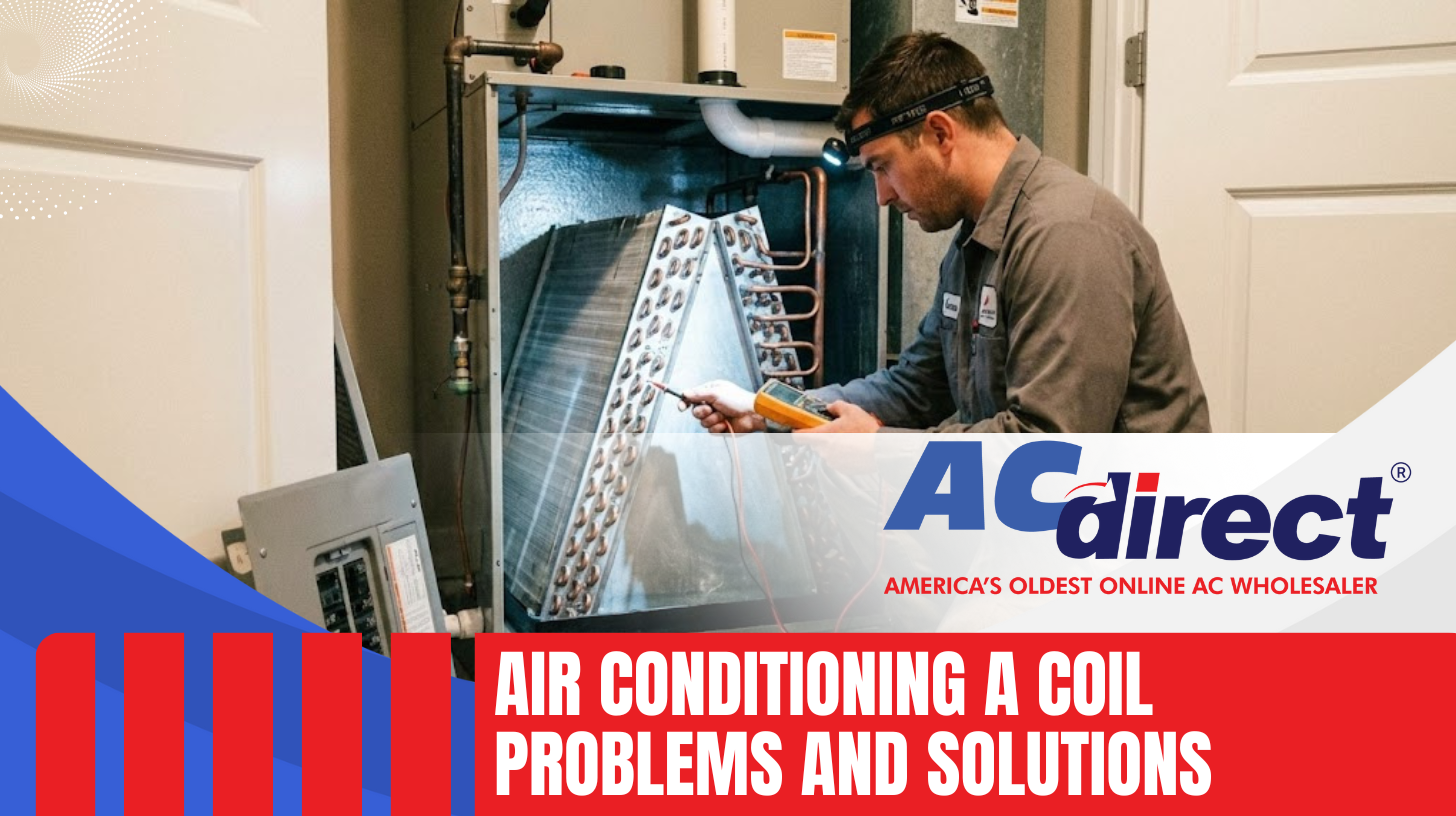
The evaporator coil is part of the indoor section of your air conditioning system. It’s usually located inside the air handler or just above the furnace, where it can interact directly with the air moving through your home.
The coil itself is made of copper or aluminum tubing surrounded by thin metal fins. Those fins increase surface area, which improves heat transfer. Inside the tubing flows refrigerant, a substance designed to absorb heat easily and change state in the process.
The Purpose of the Evaporator Coil
The evaporator coil’s job is simple but essential. Warm air from your home is pulled across the coil. As that air passes over the cold coil surface, the refrigerant inside absorbs the heat.
As the refrigerant absorbs heat, it changes from a liquid into a gas. The air that just gave up its heat continues through the system and is pushed back into your living space cooler than before. Without a working evaporator coil, your system cannot cool air at all.
The Evaporator Coil’s Role in the Cooling Process
The evaporator coil works as part of a closed-loop system that includes the compressor, condenser coil, and expansion device. Each component handles a specific step, and the evaporator coil manages indoor heat removal.
Low-pressure liquid refrigerant enters the evaporator coil. Warm indoor air passes over it. Heat transfers into the refrigerant, which turns into a gas. That gas then travels to the compressor, where the cycle continues.
This process repeats continuously while your system is running. When airflow is steady and the coil surface is clean, cooling feels consistent. When something interrupts that process, comfort and efficiency decline quickly.
Why the Evaporator Coil Matters for Comfort and Efficiency
The evaporator coil directly affects how comfortable your home feels. A healthy coil allows the system to cool evenly, control humidity, and reach the thermostat setting without running excessively.
When the coil is dirty or damaged, heat transfer slows down. That forces the system to run longer, which increases energy use and puts additional strain on other components. Over time, that strain can lead to larger failures.
Common Evaporator Coil Problems
Over the years, I’ve seen the same evaporator coil problems show up again and again. They usually fall into a few categories.
Frozen Evaporator Coil
A frozen evaporator coil is one of the most common issues. Ice forms when the coil cannot absorb heat properly. This is often caused by restricted airflow or low refrigerant levels.
When the coil freezes, cooling performance drops sharply. In severe cases, airflow through the system can stop entirely.
Refrigerant Leaks
Refrigerant leaks reduce the system’s ability to absorb heat. Leaks can develop due to corrosion, vibration, or manufacturing defects. Left unchecked, low refrigerant levels can damage the compressor.
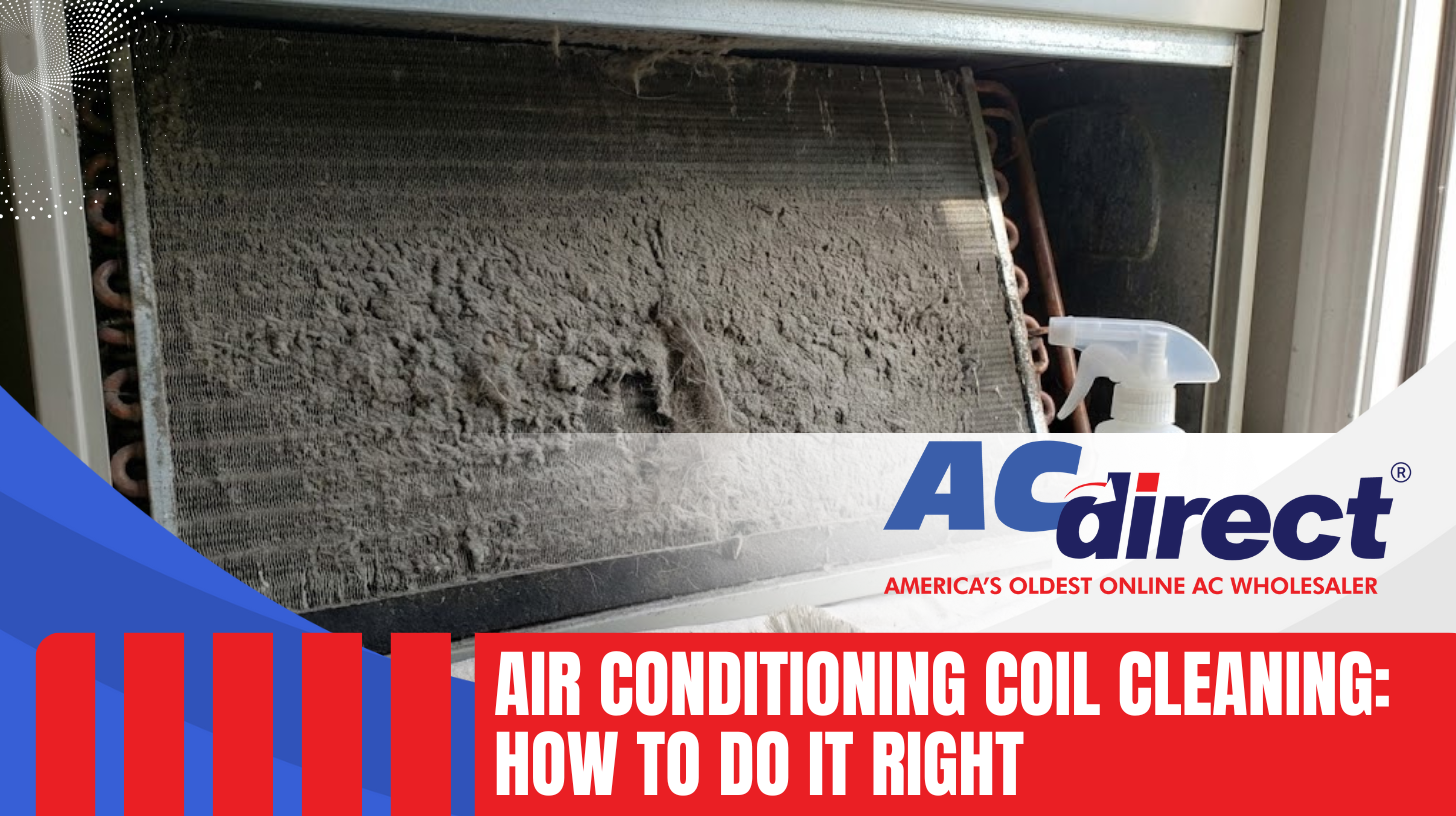
Dirty Evaporator Coil
Dirt, dust, and debris act like insulation on the coil surface. When heat cannot move efficiently into the refrigerant, the system has to work harder to achieve the same result.
Signs of a Failing Evaporator Coil
Evaporator coil problems rarely appear out of nowhere. There are usually warning signs.
Reduced Cooling Performance
If the system runs but rooms do not cool like they used to, the evaporator coil is often part of the issue.
Warm Air From Vents
Warm air coming from vents can indicate a frozen coil or a refrigerant problem that prevents proper heat absorption.
Unusual Noises
Hissing or bubbling sounds can point to refrigerant leaks and should be investigated quickly.
Ice on the Coil
Visible ice is a clear sign that something is wrong and should never be ignored.
Musty Odors
Moisture buildup on the coil can lead to mold growth, producing a musty smell when the system runs.
What Causes an Evaporator Coil to Freeze?
Understanding why coils freeze helps prevent repeat problems.
Restricted Airflow
- Dirty air filters that block airflow
- Closed or blocked vents
- Dirty coil surfaces
Low Refrigerant Levels
Low refrigerant reduces heat absorption and can cause the coil temperature to drop below freezing.
Blower Motor Issues
If the blower is not moving enough air, the coil cannot absorb heat effectively.
How to Thaw a Frozen Evaporator Coil
If you discover a frozen coil, take these steps.
Turn Off the AC
Shut the system off to stop ice buildup.
Replace the Air Filter
A clean filter restores airflow.
Run the Fan Only
Set the thermostat to fan mode to help the ice melt.
Check Vents
Make sure vents are open and unobstructed.
Call a Professional
Repeated freezing indicates an underlying issue that needs diagnosis.
Choosing a Replacement Evaporator Coil
If replacement becomes necessary, matching the coil correctly matters.
Material
Copper coils last longer and transfer heat efficiently, while aluminum coils are more affordable.
Compatibility
The replacement coil must match system size and refrigerant type.
Protective Coatings
Coatings can slow corrosion in harsh environments.
Evaporator Coil Replacement Costs
Replacement costs vary based on coil type, system size, accessibility, and labor. In many cases, replacing the coil costs less than replacing the entire system, but age and overall condition should be considered.
Final Thoughts
The evaporator coil may be hidden, but it plays a central role in how comfortable your home feels and how efficiently your system runs. When it’s clean and operating properly, cooling feels effortless. When it isn’t, problems show up quickly.
Pay attention to early warning signs. Keep airflow unrestricted. Stay on top of maintenance. Doing those things gives your system the best chance to last and perform the way it should.
If something feels off, don’t ignore it. Catching evaporator coil problems early almost always leads to better outcomes and lower costs.
Frequently Asked Questions
What does an AC evaporator coil do?
The evaporator coil is a crucial component in your air conditioner. It absorbs heat from the air inside your home, cooling it down before it's circulated back. It contains refrigerant that evaporates as it absorbs heat.
How do I know if my AC evaporator coil is failing?
Signs of a failing evaporator coil include reduced cooling performance, warm air blowing from vents, unusual noises, a frozen coil, and refrigerant leaks. You may also notice a musty odor.
What causes an evaporator coil to freeze up?
A frozen evaporator coil is often caused by restricted airflow due to a dirty air filter, blocked vents, low refrigerant levels, or a malfunctioning blower motor. These issues reduce the coil's ability to absorb heat, leading to ice formation.
Is it better to repair or replace an evaporator coil?
The decision to repair or replace depends on the coil's age and the extent of the damage. Minor leaks might be repairable, but older or severely damaged coils are generally better off replaced for long-term reliability and efficiency.
How much does it cost to replace an AC evaporator coil?
The cost to replace an evaporator coil can vary widely depending on factors like the AC unit's size, coil type, accessibility, and labor costs in your area. Expect to pay several hundred to over a thousand dollars for replacement.