 and now, NASCAR Racing Sponsor


Understanding AC Coil Ohms: A Homeowner's Explanation
-
 By
Michael Haines
By
Michael Haines
- Dec 9, 2022
Hi, I'm Mike Haines, founder of AC Direct. I've spent years helping homeowners understand their HVAC systems. One topic that often comes up is coil ohms. It might sound technical, but understanding coil ohms can help you spot potential problems with your AC or heating system and make informed decisions about repairs or replacements. This information is for you, the homeowner, not for HVAC techs. I'll break down what coil ohms are, why they matter, and what you should do if you suspect an issue.
Key Highlights
- Coil ohms measure the electrical resistance in your HVAC system's coils, affecting its efficiency.
- Incorrect coil ohm readings can indicate problems like reduced performance, higher energy bills, or system damage.
- Testing coil ohms requires a multimeter, but it's often best left to a qualified HVAC technician due to safety concerns.
- Regular HVAC maintenance, including filter changes and coil cleaning, can help prevent coil ohm-related issues.
- Coil replacement costs vary, so getting a professional quote is essential if replacement is needed.
What are Coil Ohms and Why Do They Matter?
In your air conditioning or heating system, coils are essential components that facilitate the transfer of heat. These coils, whether in the evaporator or condenser, have electrical resistance, which is measured in ohms. Think of ohms as a measure of how much the coil resists the flow of electricity. This resistance is critical because it affects how the system operates. If the resistance is too high or too low, it can impact the efficiency and performance of your entire HVAC unit.
Understanding Resistance and Electrical Flow in HVAC Coils
Electricity flows through the coils in your HVAC system to power the components needed for cooling or heating. The resistance, measured in ohms, determines how easily this electricity flows. Higher resistance means less electricity flows, while lower resistance means more electricity flows. The ideal resistance level is designed by the manufacturer to ensure optimal performance. When the resistance deviates from this ideal range, problems can arise. It's like a water hose. If it's kinked (high resistance), less water gets through. If it's too wide open (low resistance), you might not have enough pressure.
Why Correct Coil Ohms Are Crucial for HVAC Performance
Correct coil ohms are crucial for a few key reasons. First, they ensure the system operates efficiently, using the right amount of energy to achieve the desired temperature. When the resistance is off, the system may have to work harder, leading to increased energy consumption and higher utility bills. Second, correct coil ohms help prevent damage to other components. If the electrical flow is not within the specified range, it can put stress on the compressor, fan motors, and other parts, potentially leading to premature failure. Finally, proper coil ohms contribute to consistent and reliable performance. You want your system to cool or heat your home evenly and predictably, and correct coil ohms are essential for achieving that.
Symptoms of Incorrect Coil Ohms: Recognizing Potential Problems
How do you know if your HVAC coil might have an ohms issue? There are several telltale signs to watch out for. One common symptom is decreased cooling or heating performance. If your system is not cooling or heating as effectively as it used to, it could be a sign of incorrect coil ohms. Another symptom is higher than normal energy bills. If you notice a sudden increase in your electricity bill without a corresponding change in usage, it could indicate that your system is working harder due to a coil issue. Unusual noises from your HVAC unit, such as buzzing or humming, can also be a sign of a problem. Finally, if your system is frequently tripping the circuit breaker, it could be due to an electrical issue related to the coils.
Common Causes of Resistance Issues in HVAC Coils
Several factors can cause resistance issues in HVAC coils. One common cause is corrosion. Over time, the coils can corrode due to exposure to moisture and other environmental factors, increasing resistance. Another cause is dirt and debris buildup. Dirty coils can impede airflow and increase resistance. Electrical problems, such as loose connections or damaged wiring, can also affect coil ohms. Additionally, physical damage to the coils, such as dents or punctures, can alter their resistance. Age and wear and tear are also contributing factors. Over time, the coils can simply degrade, leading to changes in resistance. If you are considering an upgrade, take a look at the Vertical window air conditioner available.
Testing Coil Ohms: A Homeowner's Guide (When to Call a Pro)
Testing coil ohms involves measuring the electrical resistance of the coils using a multimeter. While it is possible for homeowners to perform this test, it's generally recommended to call a qualified HVAC technician. Working with electricity can be dangerous, and it's essential to take proper safety precautions. Additionally, a professional has the expertise and equipment to accurately diagnose the problem and perform any necessary repairs. If you're comfortable working with electricity and have the necessary tools, you can attempt to test the coil ohms yourself, but always prioritize safety. Remember, if you're unsure about any step, it's best to call a pro.
Tools Needed to Test Coil Ohms (and Safety Precautions)
If you decide to test coil ohms yourself, you'll need a few essential tools. The most important tool is a multimeter, which is used to measure electrical resistance. You'll also need screwdrivers to access the coils, wire strippers to expose the wiring, and safety glasses and gloves to protect yourself from electrical shock. Before you begin, make sure to turn off the power to the HVAC unit at the circuit breaker. This is crucial for preventing electrical shock. Also, be sure to read and understand the multimeter's instructions before using it. Finally, work in a well-lit area and take your time. Rushing can lead to mistakes and increase the risk of accidents. Always err on the side of caution. Remember to consult the Furnace size chart to ensure you're using the right tools for the job.
Step-by-Step Guide: Measuring Coil Ohms with a Multimeter
Here's a step-by-step guide to measuring coil ohms with a multimeter:
- Turn off the power: Turn off the power to the HVAC unit at the circuit breaker.
- Access the coils: Use screwdrivers to remove the access panels and expose the coils.
- Locate the terminals: Identify the terminals on the coil that you'll be testing.
- Set the multimeter: Set the multimeter to the ohms setting (Ω).
- Connect the probes: Connect the multimeter probes to the terminals on the coil.
- Read the display: Read the ohms reading on the multimeter display.
- Record the reading: Record the ohms reading for future reference.
- Disconnect the probes: Disconnect the multimeter probes from the terminals.
- Replace the panels: Replace the access panels and secure them with screws.
- Turn on the power: Turn on the power to the HVAC unit at the circuit breaker.
Again, if you are not comfortable with any of these steps, please contact a professional.
Interpreting Your Readings: What Do the Numbers Mean?
Once you've measured the coil ohms, you need to interpret the readings. The ideal ohms reading will vary depending on the specific coil and HVAC system. Refer to the manufacturer's specifications to determine the correct range. If the reading is within the specified range, the coil is likely functioning correctly. If the reading is significantly higher than the specified range, it indicates increased resistance, which could be due to corrosion, dirt buildup, or electrical problems. If the reading is significantly lower than the specified range, it indicates decreased resistance, which could be due to a short circuit or damaged wiring. If the reading is zero, it indicates a complete short circuit. Understanding these readings can help you pinpoint potential problems with your HVAC system. This information from the New York Public Service Commission can further help you understand electrical safety.
Troubleshooting Common Coil Resistance Problems
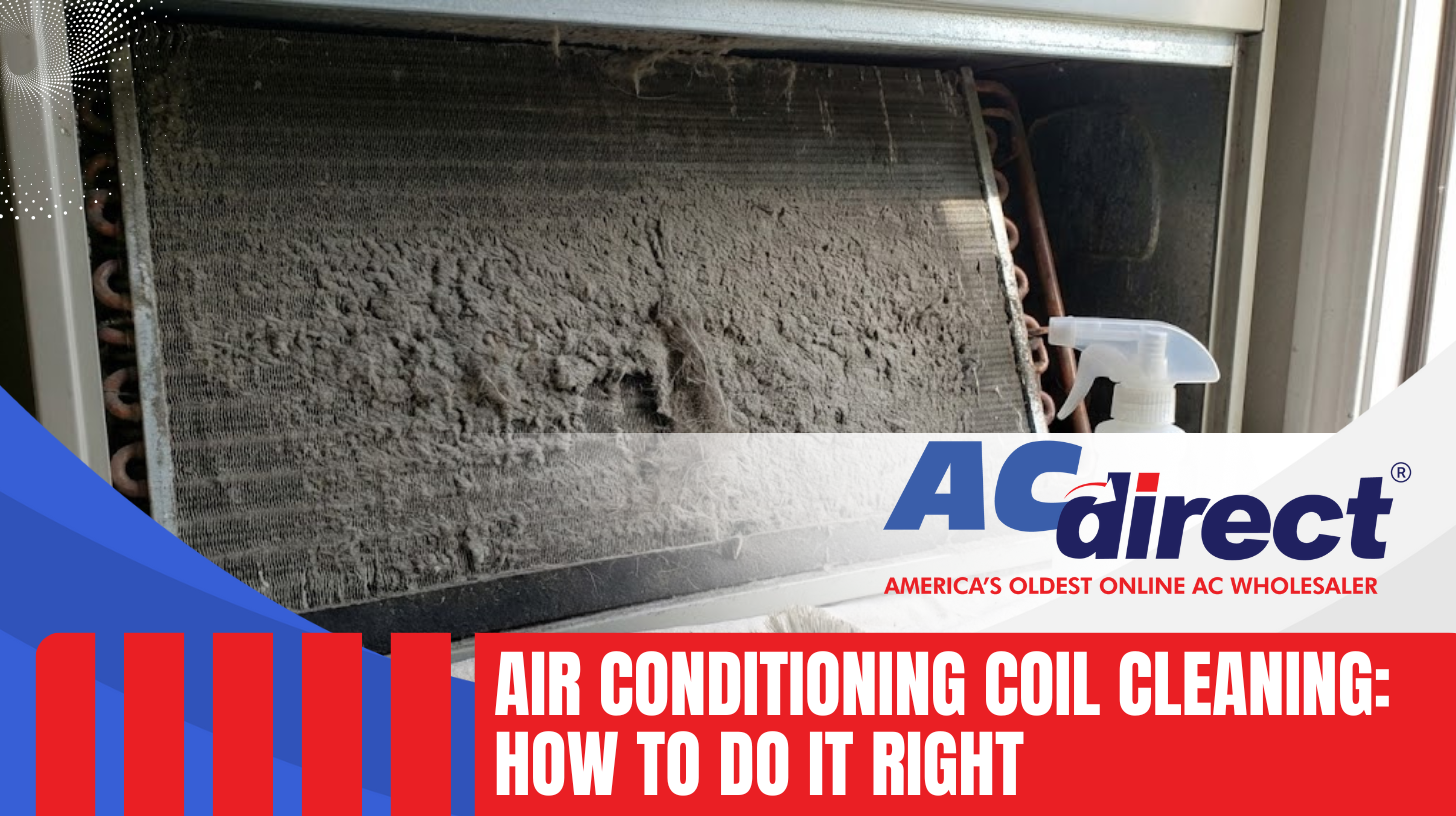
If your coil ohms readings are outside the normal range, there are several troubleshooting steps you can take. First, check for loose connections or damaged wiring. Tighten any loose connections and repair or replace any damaged wiring. Next, clean the coils to remove dirt and debris. Use a coil cleaner specifically designed for HVAC systems. If the problem persists, inspect the coils for corrosion or physical damage. If you find corrosion, clean the affected areas with a wire brush and apply a corrosion inhibitor. If you find physical damage, the coil may need to be repaired or replaced. If you're unsure about any of these steps, it's best to consult with a qualified HVAC technician.
Preventative Measures: Maintaining Optimal Coil Health
Preventing coil resistance problems is essential for maintaining the efficiency and longevity of your HVAC system. One of the most important preventative measures is regular HVAC maintenance. This includes changing air filters regularly, cleaning the coils periodically, and scheduling annual check-ups with a qualified technician. Clean air filters help prevent dirt and debris from building up on the coils. Regular coil cleaning helps remove any buildup that does occur. Annual check-ups allow a technician to inspect the system for potential problems and address them before they become major issues. Proper airflow and clean coils can help prevent many common coil problems. You might consider a Hvac tonnage calculator for your home if you are looking for a more energy efficient solution.
The Role of Regular HVAC Maintenance
Regular HVAC maintenance plays a crucial role in maintaining optimal coil health and preventing resistance issues. During a maintenance visit, a qualified technician will inspect the coils for dirt, debris, corrosion, and physical damage. They will also check the electrical connections and wiring to ensure they are in good condition. The technician will clean the coils as needed and address any other potential problems. Regular maintenance can help identify and address issues early on, before they lead to significant problems and costly repairs. It's an investment that can save you money and headaches in the long run.
When to Replace vs. Repair Your HVAC Coils
Deciding whether to replace or repair your HVAC coils depends on the extent of the damage and the age of the system. If the coils are heavily corroded or physically damaged, replacement may be the best option. If the system is old and nearing the end of its lifespan, replacement may also be more cost-effective. However, if the damage is minor and the system is relatively new, repair may be a viable option. A qualified HVAC technician can assess the situation and provide recommendations based on your specific circumstances. Consider the cost of repair versus replacement, as well as the potential energy savings of a new, more efficient system.
Coil Replacement Costs: Factors and Considerations
The cost to replace an HVAC coil can vary widely depending on several factors. These include the type of coil, the brand, the complexity of the installation, and the labor costs in your area. Generally, you can expect to pay anywhere from a few hundred to several thousand dollars for coil replacement. It's essential to get a quote from a qualified HVAC technician before proceeding with the replacement. Be sure to ask for a detailed breakdown of the costs, including the cost of the coil, the labor charges, and any other associated fees. Also, consider the energy efficiency of the new coil. A more efficient coil can save you money on your energy bills over time.
Finding a Qualified HVAC Technician for Coil Services
Finding a qualified HVAC technician is crucial for ensuring that your coil ohms are tested accurately and that any necessary repairs or replacements are performed correctly. Look for a technician who is licensed, insured, and experienced in working with HVAC systems. Ask for references and check online reviews to get an idea of the technician's reputation. Also, be sure to get a written estimate before any work is performed. A qualified technician will be able to accurately diagnose the problem, explain the options, and provide a fair and transparent price.
DIY vs. Professional HVAC Repair: Making the Right Choice
Deciding whether to attempt a DIY HVAC repair or hire a professional is a critical decision. While some minor tasks, such as changing air filters, can be easily handled by homeowners, more complex repairs, such as testing coil ohms or replacing a coil, are best left to professionals. Working with electricity can be dangerous, and improper repairs can lead to further damage and safety hazards. A qualified HVAC technician has the expertise, tools, and training to accurately diagnose the problem and perform the necessary repairs safely and effectively. Unless you have significant experience working with HVAC systems, it's generally best to hire a professional.
Ensuring Proper Coil Ohms for Energy Efficiency and Longevity
Ensuring proper coil ohms is essential for maximizing the energy efficiency and longevity of your HVAC system. By understanding what coil ohms are, how they affect your system, and what steps you can take to maintain optimal coil health, you can help prevent problems and extend the life of your equipment. Regular HVAC maintenance, including filter changes, coil cleaning, and annual check-ups, is key to preventing coil resistance issues. When problems do arise, it's best to consult with a qualified HVAC technician to ensure that the repairs are performed correctly.
Frequently Asked Questions
What does it mean when my HVAC technician talks about 'coil ohms'?
Coil ohms refer to the electrical resistance within the coils of your HVAC system's components, like the evaporator or condenser. This resistance is measured in ohms and affects how efficiently electricity flows through the system. Incorrect ohms can indicate a problem with the coil.
Why is it important to have the correct coil ohm readings in my HVAC system?
Correct coil ohm readings are crucial for efficient and safe operation. Incorrect readings can lead to reduced cooling or heating capacity, increased energy consumption, and even potential damage to other components of your HVAC system.
What are some signs that my HVAC coil might have an ohms issue?
Signs of a coil ohms issue can include decreased cooling or heating performance, higher than normal energy bills, unusual noises from your HVAC unit, or the system tripping the circuit breaker frequently.
Can I test coil ohms myself, or do I need to call a professional?
Testing coil ohms requires a multimeter and some electrical knowledge. While it is possible to do it yourself, it's generally recommended to call a qualified HVAC technician. Working with electricity can be dangerous, and a professional can accurately diagnose the problem and perform any necessary repairs.
How much does it cost to replace an HVAC coil?
The cost to replace an HVAC coil can vary depending on the type of coil, the brand, and the complexity of the installation. Generally, you can expect to pay anywhere from a few hundred to several thousand dollars. It's best to get a quote from a qualified HVAC technician.
What can I do to help maintain my HVAC coils and prevent ohm-related issues?
Regular HVAC maintenance is key. This includes changing air filters regularly, cleaning the coils periodically, and scheduling annual check-ups with a qualified technician. Proper airflow and clean coils can help prevent many common coil problems.
Final Thoughts
Understanding coil ohms might seem complicated, but it's a valuable piece of knowledge for any homeowner. Knowing the basics can help you identify potential problems early on and communicate more effectively with your HVAC technician. Remember, regular maintenance is key to preventing coil issues and keeping your system running efficiently.
If you suspect a problem with your coil ohms, don't hesitate to contact a qualified HVAC technician. They can accurately diagnose the issue and recommend the best course of action, whether it's a simple repair or a full coil replacement. Investing in regular maintenance and timely repairs will not only extend the life of your HVAC system but also save you money on energy bills in the long run.
At AC Direct, we're committed to helping you make informed decisions about your HVAC needs. We hope this information has been helpful. Feel free to reach out if you have any questions or need assistance with your HVAC system.