 and now, NASCAR Racing Sponsor


Coil Unit Cleaning: How to Improve Your AC Efficiency
-
 By
Michael Haines
By
Michael Haines
- Dec 11, 2022
Hi, I’m Mike Haines, founder of AC Direct. Today, I want to talk about something that’s crucial for keeping your home comfortable and your energy bills low: the coil unit in your air conditioning system. Many homeowners overlook this component, but understanding its function and keeping it clean can make a huge difference in your AC's performance. I'll walk you through everything you need to know.
Key Highlights
- Coil units are essential for heat transfer in your AC system, affecting both cooling efficiency and home comfort.
- Regular cleaning and maintenance of your coil unit can significantly extend its lifespan and improve performance.
- Knowing the signs of a failing coil unit helps prevent costly repairs and ensures timely replacement.
- Choosing the right coil unit involves considering factors like SEER rating, size, and compatibility with your existing system.
- Professional installation and maintenance are key to maximizing the efficiency and longevity of your coil unit.
What is a Coil Unit and How Does it Work?
The coil unit is a critical component of your air conditioning system. Think of it as the workhorse responsible for the actual cooling and heating process. There are two main types of coils: the evaporator coil and the condenser coil. The evaporator coil is located inside your home, typically within your furnace or air handler. Its job is to absorb heat from the indoor air, cooling it down before it’s circulated back into your living spaces. The condenser coil, on the other hand, is located outside in the outdoor unit. It releases the heat absorbed by the evaporator coil into the outside air.
The refrigerant flowing through these coils is what makes the heat transfer possible. The entire process relies on the continuous cycle of refrigerant absorbing and releasing heat as it moves between the evaporator and condenser coils. If either of these coils isn't functioning correctly, your AC system won't be able to effectively cool or heat your home.
Why is the Coil Unit Important for Home Comfort and Efficiency?
The coil unit's performance directly impacts your home comfort and energy efficiency. A clean and well-maintained coil unit ensures that your AC system operates at its peak efficiency, providing consistent cooling and heating throughout your home. When the coils are dirty or damaged, the system has to work harder to achieve the desired temperature, leading to higher energy consumption and increased utility bills.
Furthermore, a malfunctioning coil unit can cause uneven cooling or heating, leaving some rooms too hot or too cold. This not only affects your comfort but also puts additional strain on other components of your HVAC system, potentially leading to more frequent breakdowns and costly repairs. I often see homeowners struggling with these issues, and many times, the root cause is a neglected coil unit.
Types of Coil Units: A Comparison for Homeowners
When it comes to coil units, you'll encounter different types designed for specific applications and system configurations. Here’s a brief comparison to help you understand your options:
- Evaporator Coils: These are typically made of copper or aluminum and come in various shapes and sizes to fit different air handlers and furnaces. They can be A-shaped, N-shaped, or slab-shaped, depending on the design and airflow requirements.
- Condenser Coils: Similar to evaporator coils, condenser coils are also made of copper or aluminum and are designed to efficiently release heat. They are typically located in the outdoor unit and come in different configurations to maximize heat transfer.
- Microchannel Coils: These are a newer type of coil that uses a series of small, flat tubes to increase surface area and improve heat transfer. Microchannel coils are known for their high efficiency and compact design, but they can be more expensive than traditional coils.
The best type of coil unit for your home will depend on your existing HVAC system, your budget, and your specific cooling and heating needs. Consulting with an HVAC professional can help you determine the most suitable option.
Choosing the Right Coil Unit: Key Factors to Consider
Selecting the right coil unit involves considering several factors to ensure optimal performance and efficiency. First and foremost, you need to ensure that the coil unit is compatible with your existing HVAC system. This means matching the size and capacity of the coil to the size of your furnace or air handler. If the coil is too small, it won't be able to effectively cool or heat your home. If it's too large, it can lead to short cycling and reduced efficiency. You might consider a Central ac units for sale for your home.
Another important factor to consider is the SEER (Seasonal Energy Efficiency Ratio) rating of the coil unit. A higher SEER rating indicates greater energy efficiency, which can translate into lower energy bills. I always advise homeowners to invest in a coil unit with a high SEER rating if their budget allows. Additionally, consider the material of the coil. Copper coils are more durable and resistant to corrosion than aluminum coils, but they are also more expensive. Finally, take into account any specific requirements or recommendations from your HVAC contractor.
Coil Unit Installation: What to Expect and How to Prepare
Proper installation is crucial for the performance and longevity of your coil unit. It’s generally best to leave the installation to a qualified HVAC contractor, as it involves working with refrigerant and electrical components. Before the installation, make sure to clear the area around your indoor and outdoor units to provide the contractor with easy access. Be prepared for the installation process to take several hours, depending on the complexity of the job.
During the installation, the contractor will typically remove the old coil unit, inspect the refrigerant lines, and install the new coil unit. They will also check the refrigerant levels and test the system to ensure that it’s operating correctly. After the installation, ask the contractor to explain the operation and maintenance of the new coil unit. Also, inquire about the system’s How many btu per square foot.
Coil Unit Maintenance: Tips for Extending Lifespan and Performance
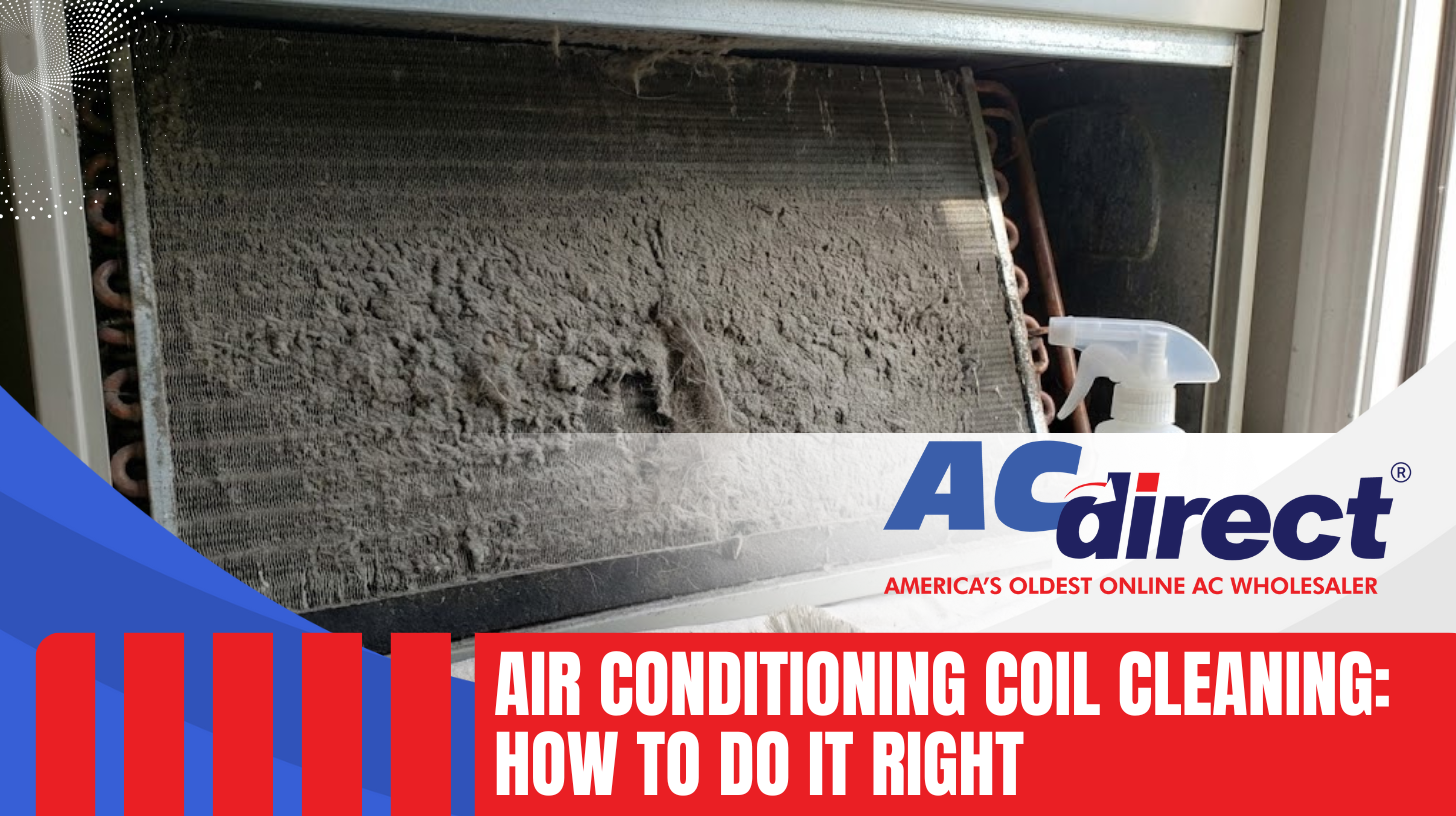
Regular maintenance is key to extending the lifespan and maintaining the performance of your coil unit. The most important maintenance task is cleaning the coils. Over time, dust, dirt, and debris can accumulate on the coils, reducing their ability to transfer heat. I recommend cleaning the coils at least once a year, or more often if you live in a dusty environment. You can clean the exterior of the coils yourself using a soft brush or vacuum cleaner. However, for a more thorough cleaning, it’s best to hire a professional HVAC contractor.
In addition to cleaning, it’s also important to regularly inspect the coil unit for any signs of damage or leaks. Check the refrigerant lines for any cracks or corrosion, and make sure that the fins on the coils are not bent or damaged. If you notice any problems, contact an HVAC contractor for repair. Also, ensure that the area around the outdoor unit is clear of any obstructions, such as plants or debris, to allow for proper airflow.
Coil Unit Problems: Troubleshooting Common Issues
Even with regular maintenance, coil units can sometimes experience problems. Here are some common issues and how to troubleshoot them:
- Reduced Cooling or Heating: This could be due to dirty coils, low refrigerant levels, or a malfunctioning compressor. Try cleaning the coils and checking the refrigerant lines. If the problem persists, contact an HVAC contractor.
- Frozen Coils: This can occur if the airflow is restricted or if the refrigerant levels are too low. Check the air filter and make sure that the vents are not blocked. If the coils are still freezing, call an HVAC technician.
- Leaks: Leaks can occur in the refrigerant lines or in the coils themselves. If you notice any signs of a leak, such as a hissing sound or a refrigerant smell, contact an HVAC contractor immediately.
Remember, refrigerant leaks can be harmful to the environment, so it’s important to address them promptly and properly. Ignoring these problems can lead to more serious damage and costly repairs. Consider the option to Buy air con if repairs are too costly.
Coil Unit Replacement: When to Replace and What to Look For
While proper maintenance can extend the lifespan of your coil unit, there will come a time when replacement is necessary. Here are some signs that it may be time to replace your coil unit:
- Age: If your coil unit is more than 10-15 years old, it may be nearing the end of its lifespan.
- Frequent Breakdowns: If your coil unit is constantly breaking down and requiring repairs, it may be more cost-effective to replace it.
- Reduced Efficiency: If your energy bills have been steadily increasing, it could be a sign that your coil unit is losing efficiency.
- Visible Damage: If the coils are severely corroded or damaged, replacement may be the only option.
When replacing your coil unit, look for a high-efficiency model with a high SEER rating. Also, make sure that the new coil unit is compatible with your existing HVAC system. I always recommend getting multiple quotes from different HVAC contractors to ensure that you’re getting the best price and service.
Cost of Coil Units: Budgeting for Purchase and Installation
The cost of a coil unit can vary depending on the type, size, and efficiency of the unit. Evaporator coils typically range from several hundred to several thousand dollars, while condenser coils can cost even more. The installation cost will also depend on the complexity of the job and the labor rates in your area. It’s important to factor in both the cost of the coil unit and the installation when budgeting for a replacement.
To get an accurate estimate, I recommend contacting several HVAC contractors and getting written quotes. Be sure to ask about any additional costs, such as permits or disposal fees. You can also explore financing options or rebates to help offset the cost of a new coil unit. The North Dakota PSC is a great resource for local regulatory information.
Coil Unit Efficiency: Understanding SEER and Its Impact
SEER, or Seasonal Energy Efficiency Ratio, is a measure of the cooling efficiency of an air conditioning system. The higher the SEER rating, the more efficient the system is. A higher SEER rating means that the system will use less energy to cool your home, resulting in lower energy bills. The minimum SEER rating currently required by law is 14, but many newer systems have SEER ratings of 16 or higher.
Investing in a coil unit with a high SEER rating can save you a significant amount of money over the lifespan of the system. While the initial cost may be higher, the long-term savings in energy bills can more than make up for the difference. When choosing a coil unit, consider your budget, your cooling needs, and the SEER rating to make the best decision for your home.
Finding a Qualified HVAC Contractor for Coil Unit Services
Finding a qualified HVAC contractor is essential for ensuring proper installation, maintenance, and repair of your coil unit. Look for a contractor who is licensed, insured, and experienced in working with coil units. Ask for references and check online reviews to get an idea of their reputation and quality of work. A good HVAC contractor will be able to assess your needs, recommend the best coil unit for your home, and provide professional installation and maintenance services.
I always advise homeowners to get multiple quotes from different contractors before making a decision. Be sure to ask about their experience, their warranties, and their pricing. A reputable contractor will be transparent about their services and will be happy to answer any questions you may have.
Frequently Asked Questions
What is the main function of a coil unit in my HVAC system?
The coil unit, whether it’s the evaporator coil or condenser coil, is the part of your system that transfers heat. The evaporator coil cools your indoor air by absorbing heat, while the condenser coil releases that heat outside. Both coils must function correctly for efficient cooling and heating.
How often should I have my coil unit professionally cleaned?
I recommend having your coil unit professionally cleaned every 1-2 years. Regular cleaning removes dust and debris, improving your system's efficiency and preventing potentially expensive repairs.
What are the signs that my coil unit might need replacing?
If your AC system is not cooling or heating as well as it used to, or if you're experiencing frequent breakdowns, visible corrosion or leaks, or a spike in your energy bills, it might be time to replace your coil unit. Contact a professional to evaluate your system.
Can I clean my coil unit myself, or should I always hire a professional?
You can clean the outside of your coil unit yourself, but cleaning the internal parts requires special tools and expertise. I suggest hiring a professional to avoid damaging the unit or exposing yourself to harmful refrigerants.
What is the typical lifespan of a coil unit?
With proper maintenance, a coil unit typically lasts 10-15 years. However, factors such as your local climate, how often you use your AC, and the quality of the original installation can all impact its lifespan.
Will a new coil unit improve my home's energy efficiency?
Yes, a new, high-efficiency coil unit can greatly improve your home's energy efficiency. This means your system will operate more effectively, which can lower your energy bills and reduce your environmental impact.
Final Thoughts
The coil unit is a vital component of your air conditioning system, and understanding its function and maintenance requirements is key to ensuring optimal performance and efficiency. By keeping your coil unit clean, addressing any problems promptly, and choosing the right replacement when necessary, you can enjoy consistent cooling and heating while saving money on your energy bills.
I hope this information has been helpful in guiding you through the complexities of coil units. Remember, regular maintenance and timely repairs are essential for extending the lifespan of your system and preventing costly breakdowns. Don't hesitate to consult with a qualified HVAC contractor for professional advice and assistance.
Making informed decisions about your HVAC system is crucial for maintaining a comfortable and energy-efficient home. By taking the time to understand your options and investing in quality equipment and services, you can ensure that your AC system provides reliable performance for years to come.