 and now, NASCAR Racing Sponsor


Coiled Condenser Issues: Troubleshooting & Solutions
-
 By
Michael Haines
By
Michael Haines
- Dec 12, 2022
Hello, I'm Mike Haines, founder of AC Direct. If your air conditioner isn't cooling like it used to, or your energy bills are climbing, the problem might be your coiled condenser. This component is critical to your AC's performance, and issues with it can lead to significant problems. This information is for homeowners and small business owners who want to understand, troubleshoot, and maintain their AC systems for optimal performance. Let's get started.
Key Highlights
- The condenser coil is essential for releasing heat from your AC system, enabling efficient cooling.
- Regular maintenance, like coil cleaning, can prevent many coiled condenser issues.
- Signs of a failing condenser coil include poor cooling, increased energy bills, and unusual noises.
- Deciding between repair and replacement depends on the age of your system and the extent of the damage.
- Professional HVAC technicians should handle complex condenser coil repairs and replacements.
What is a Coiled Condenser?
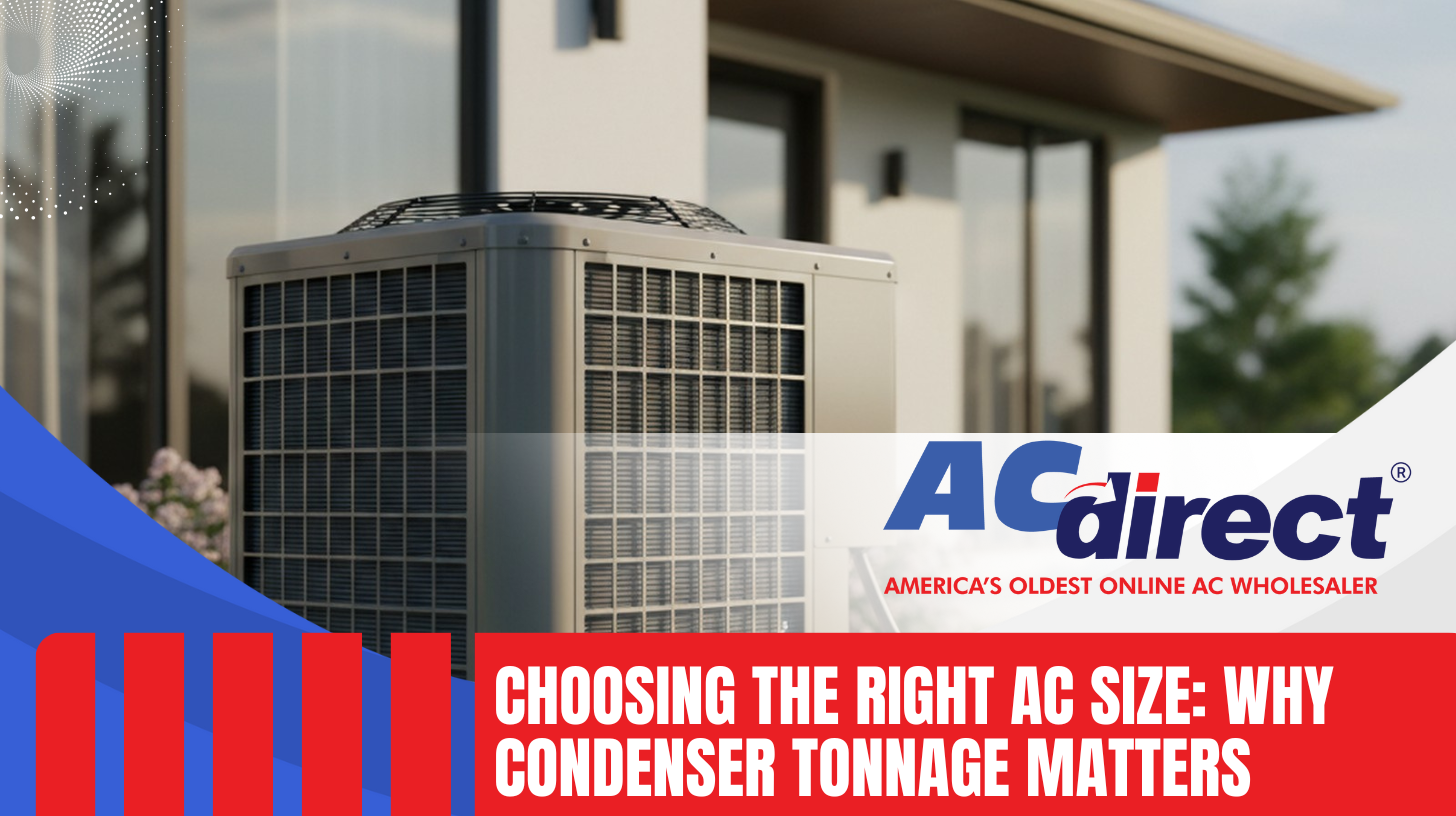
The coiled condenser is a vital component of your air conditioning system, usually located in the outdoor unit. It's responsible for releasing the heat absorbed from inside your home. Refrigerant, a substance that easily changes between liquid and gas states, cycles through your AC system. As it moves through the indoor unit, it absorbs heat from your home's air. The hot refrigerant then flows to the condenser coil outside, where the heat is released into the outside air. As it releases heat, the refrigerant turns back into a liquid and the cycle repeats. Without a properly functioning condenser coil, your AC unit can't effectively cool your home.
Why is the Condenser Coil Important for Home Cooling?
The condenser coil is the workhorse of your cooling system. If it's not working correctly, your entire system suffers. When the coil is dirty, damaged, or corroded, it can't efficiently release heat. This leads to several problems:
- Reduced Cooling Capacity: Your AC struggles to cool your home, leading to inconsistent temperatures.
- Increased Energy Consumption: The system has to work harder and longer to achieve the desired temperature, resulting in higher energy bills.
- Compressor Strain: The compressor, the heart of your AC unit, has to work harder, which can lead to premature failure.
- System Overheating: In severe cases, a faulty condenser coil can cause the entire system to overheat and shut down.
Keeping your condenser coil in good condition is essential for maintaining efficient and reliable home cooling. You might consider a Ac indoor unit if you are having issues with your current system.
Types of Condenser Coils: Which is Best?
Condenser coils come in various designs, each with its own advantages and disadvantages. Here are some common types:
Copper Coils
Copper coils have been traditionally used due to copper's excellent heat transfer properties. They are durable and resist corrosion relatively well. However, copper is expensive, making these coils pricier.
Aluminum Coils
Aluminum coils are lighter and more affordable than copper coils. While aluminum doesn't transfer heat as efficiently as copper, modern designs can still provide good performance. Aluminum is also more susceptible to certain types of corrosion.
Microchannel Coils
Microchannel coils are made of aluminum and feature a flat design with small channels for refrigerant to flow through. They offer excellent heat transfer and are more resistant to corrosion than traditional aluminum coils. Microchannel coils are becoming increasingly popular in newer AC systems.
Spine Fin Coils
Spine fin coils use individual aluminum fins that are mechanically bonded to copper tubes. This design maximizes surface area for heat transfer and offers good efficiency. Spine fin coils are also relatively durable.
The "best" type of condenser coil depends on factors like budget, climate, and specific system requirements. I often recommend microchannel or spine fin coils for their efficiency and durability.
Signs of a Failing Condenser Coil
Recognizing the signs of a failing condenser coil early can save you from costly repairs or replacements. Here are some common indicators:
- Weak Airflow: If the air coming from your vents isn't as strong as usual, it could be a sign that the condenser coil is struggling to release heat.
- Increased Energy Bills: A failing coil forces your system to work harder, leading to higher energy consumption.
- Hissing Noises: A hissing sound coming from the outdoor unit could indicate a refrigerant leak in the coil.
- Visible Damage: Inspect the coil for signs of corrosion, bent fins, or physical damage.
- Ice Buildup: Ice forming on the condenser coil can be a sign of restricted airflow or refrigerant issues.
If you notice any of these signs, it's crucial to address the problem promptly to prevent further damage to your AC system.
Coiled Condenser Repair vs. Replacement: What's the Best Option?
When your condenser coil fails, you'll face the decision of whether to repair or replace it. Here's a breakdown to help you decide:
Repair
Repairing the condenser coil is a viable option if the damage is minor and the unit is relatively new. Common repairs include fixing refrigerant leaks, straightening bent fins, and cleaning the coil. Repairing is typically less expensive than replacing the entire coil.
Replacement
Replacing the condenser coil is often the better choice if the coil is severely damaged, corroded, or if the AC unit is old. A new coil will provide better efficiency and reliability. In some cases, replacing the entire outdoor unit might be more cost-effective, especially if the unit is nearing the end of its lifespan.
I usually advise homeowners to consider the age of their unit and the extent of the damage when making this decision. If your unit is over 10 years old, replacement might be the wiser choice.
Coiled Condenser Maintenance Tips
Proper maintenance can significantly extend the life of your condenser coil and prevent many common problems. Here are some tips:
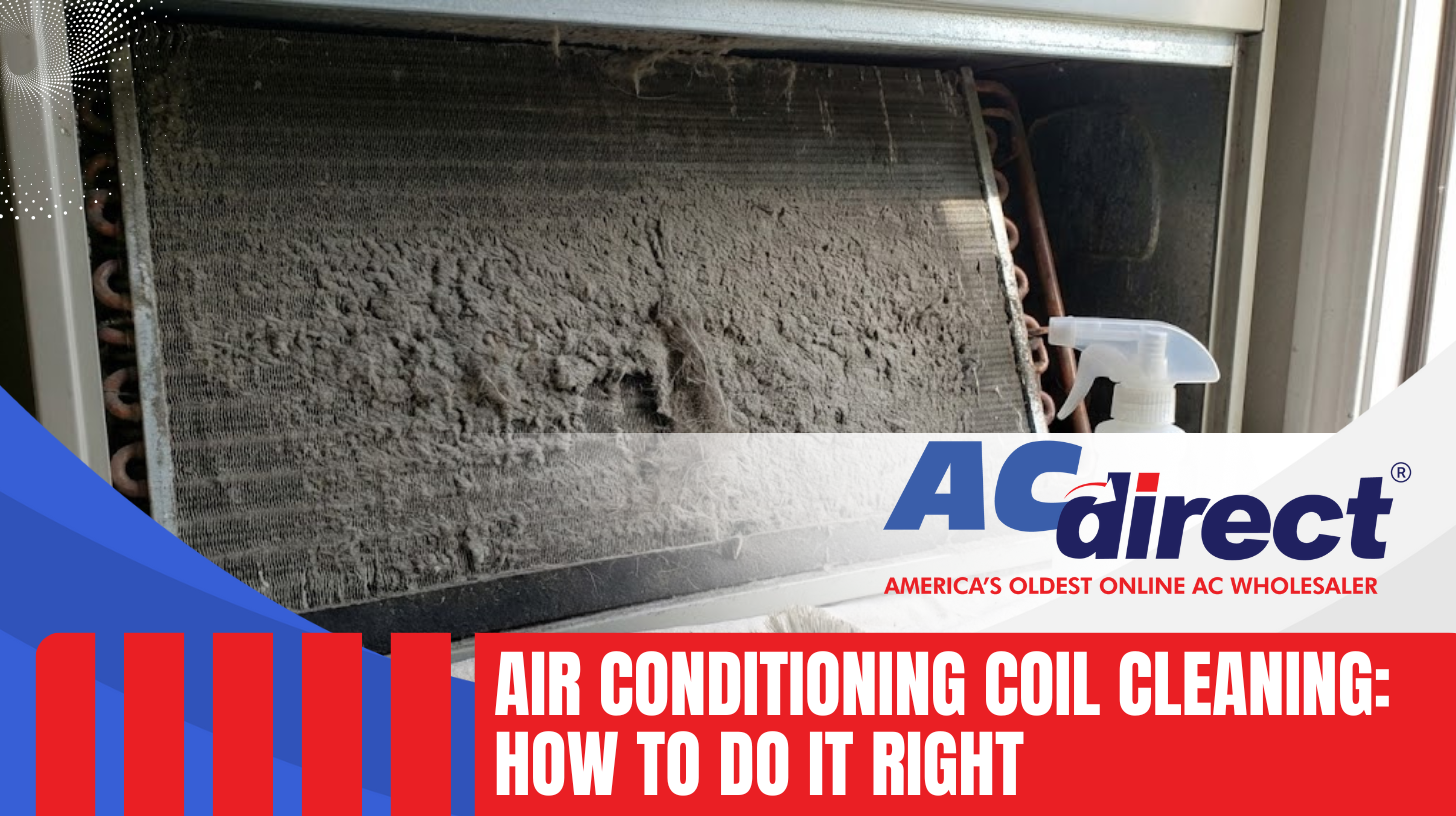
- Regular Cleaning: Clean the coil regularly to remove dirt, debris, and leaves. Use a garden hose with a gentle spray nozzle.
- Straighten Bent Fins: Use a fin comb to straighten any bent fins, which can restrict airflow.
- Trim Surrounding Vegetation: Keep bushes and plants trimmed back from the outdoor unit to ensure proper airflow.
- Professional Inspection: Schedule an annual inspection with a qualified HVAC technician to identify and address potential problems early.
Following these maintenance tips can help keep your condenser coil in good condition and prevent costly repairs. You may also want to look at Heat pump ac systems for other maintenance tips.
How Much Does Coiled Condenser Repair or Replacement Cost?
The cost of repairing or replacing a coiled condenser can vary depending on several factors, including:
- Type of Repair: Simple repairs like fixing a small refrigerant leak will be less expensive than more complex repairs.
- Type of Coil: The cost of a replacement coil will depend on its type (copper, aluminum, microchannel) and size.
- Labor Costs: Labor costs vary depending on your location and the HVAC contractor you hire.
- System Age and Condition: Older systems may require additional work to ensure compatibility with a new coil.
As a general estimate, a simple repair might cost a few hundred dollars, while a complete coil replacement could range from $1,000 to $3,000 or more. It's best to get quotes from several HVAC contractors to compare prices and services. Also, check with the Oklahoma Corporation Commission to see if there are any rebates or incentives available for energy-efficient AC upgrades.
Choosing the Right HVAC Contractor for Condenser Coil Work
Selecting the right HVAC contractor is crucial for ensuring quality work and a fair price. Here are some tips:
- Check Credentials: Make sure the contractor is licensed, insured, and has a good reputation.
- Read Reviews: Check online reviews and ask for references from previous customers.
- Get Multiple Quotes: Obtain quotes from several contractors to compare prices and services.
- Ask About Experience: Choose a contractor with extensive experience working on condenser coils.
- Verify Warranties: Ensure the contractor offers a warranty on their work and the parts they use.
Taking the time to research and choose a reputable HVAC contractor can save you headaches and money in the long run.
Coiled Condenser Problems: DIY vs. Professional Help
Some minor maintenance tasks, like cleaning the condenser coil, can be done yourself. However, complex repairs and replacements should always be handled by a qualified HVAC technician. Here's why:
- Refrigerant Handling: Refrigerant is a controlled substance, and improper handling can be harmful to the environment and illegal.
- System Knowledge: HVAC technicians have the knowledge and tools to diagnose and repair complex system problems.
- Safety: Working with electrical components and refrigerant can be dangerous without proper training and equipment.
- Warranty: DIY repairs can void the manufacturer's warranty on your AC system.
While it's tempting to save money by doing it yourself, I strongly recommend leaving condenser coil repairs and replacements to the professionals. You'll be looking at a Central air conditioner before you know it.
Extending the Life of Your Condenser Coil
To maximize the lifespan of your condenser coil, focus on preventative maintenance and addressing problems promptly. Regular cleaning, straightening bent fins, and keeping the area around the unit clear of vegetation are essential. Schedule annual inspections with a qualified HVAC technician to catch potential issues early. By taking good care of your condenser coil, you can ensure efficient cooling, lower energy bills, and a longer lifespan for your entire AC system.
Frequently Asked Questions
What is the main function of the condenser coil in my AC unit?
The condenser coil’s primary job is to release heat from the refrigerant. This process allows your air conditioner to effectively cool your home by rejecting the heat that was absorbed from inside.
How often should I have my condenser coil cleaned?
It's best to have your condenser coil professionally cleaned at least once a year. Doing this right before the cooling season is ideal, as regular cleaning helps keep your system efficient and prevents expensive repairs.
What are the common signs that my condenser coil is failing?
Watch out for signs like reduced cooling performance, higher energy bills, hissing sounds from the unit, and any visible corrosion or damage to the coil itself. These are indicators that something may be wrong.
Is it worth repairing a condenser coil, or should I replace the entire AC unit?
This depends on how old your AC unit is and its overall condition. If your unit is relatively new and the repair is straightforward, fixing the coil could be cost-effective. But, if the unit is older or the damage is significant, replacing the entire unit might be a better long-term solution.
Can I clean the condenser coil myself?
You can rinse the outside of the condenser coil using a garden hose to remove surface debris. However, for a thorough cleaning that includes the interior components, it's best to hire a professional. This will ensure the coil is cleaned properly without causing any damage. If you don't have experience with AC maintenance, stick to cleaning the outside.
Final Thoughts
The coiled condenser is a crucial component of your air conditioning system, and keeping it in good condition is essential for efficient and reliable cooling. By understanding the function of the condenser coil, recognizing the signs of a failing coil, and following proper maintenance tips, you can extend the life of your AC system and save money on energy bills.
Remember to choose a qualified HVAC contractor for any complex repairs or replacements. Don't hesitate to ask questions, compare quotes, and verify credentials before making a decision. Investing in regular maintenance and timely repairs will pay off in the long run by preventing costly breakdowns and ensuring optimal performance.
I hope this information has been helpful in understanding coiled condenser issues. By making informed decisions, you can ensure a comfortable and energy-efficient home environment.