 and now, NASCAR Racing Sponsor


Understanding Coils for Air Conditioner Efficiency
-
 By
Michael Haines
By
Michael Haines
- Dec 13, 2022
Hi, I'm Mike Haines, founder of AC Direct. I've spent years helping homeowners understand their HVAC systems, and one area that often gets overlooked is the coils for air conditioner units. These coils are vital to how well your AC cools your home, and keeping them in good shape can save you a lot of money and trouble. This information is for you: the homeowner who wants to understand their AC better and make smart decisions about maintenance and repairs.
Key Highlights
- Air conditioner coils (evaporator and condenser) are essential for heat transfer, enabling your AC to cool your home.
- Regular cleaning and maintenance of AC coils can significantly improve efficiency and prevent costly repairs.
- Knowing the signs of coil problems, such as decreased cooling or leaks, allows for timely intervention and potential replacement.
- Coil quality impacts AC efficiency, reflected in the SEER rating; higher quality coils lead to better performance.
- While DIY cleaning is possible, professional service is recommended for thorough cleaning, repairs, and replacement.
What Are Air Conditioner Coils and How Do They Work?
The coils for air conditioner units are where the magic of cooling happens. An air conditioner has two main sets of coils: the evaporator coil and the condenser coil. The evaporator coil is usually located inside your home, often within the air handler. Its job is to absorb heat from the air inside your house. Refrigerant inside the coil evaporates, a process that requires heat, thus cooling the air that's blown across the coil. Think of it like sweat evaporating from your skin. The cooled air is then circulated throughout your home.
The condenser coil is typically located outside in the outdoor unit. It releases the heat absorbed by the evaporator coil. The hot refrigerant, now a gas, flows to the condenser coil, where it's cooled and converted back into a liquid, releasing heat in the process. A fan blows air across the condenser coil to help dissipate this heat into the outside environment. This cycle continues, constantly removing heat from your home and keeping you comfortable.
The Importance of Clean and Functional AC Coils
Clean and functional coils are essential for your AC system to operate efficiently. Dirty coils insulate the refrigerant, reducing their ability to absorb or release heat. When coils are dirty, your AC has to work harder to achieve the desired temperature, leading to increased energy consumption and higher utility bills. I see a lot of homeowners who don't realize how much dirty coils are costing them each month.
Moreover, neglected coils can lead to more serious problems. Over time, dirt and debris can corrode the coils, causing leaks and other damage. These problems can result in expensive repairs or even the need for a complete system replacement. Regular maintenance, including coil cleaning, can prevent these issues and extend the life of your AC system. Consider a maintenance schedule to keep your unit working in top shape. You might consider a Ac company for your home.
Types of Air Conditioner Coils: A Homeowner's Guide
While the basic function of air conditioner coils is the same, there are different types and materials used in their construction. Here's a quick overview:
- Copper Coils: Copper has been a traditional choice for AC coils due to its excellent heat transfer properties and durability. However, copper coils can be susceptible to corrosion, especially in coastal areas.
- Aluminum Coils: Aluminum coils are lighter and generally less expensive than copper coils. They are also more resistant to corrosion. Many modern AC systems use aluminum coils, but they may not be as durable as copper.
- Microchannel Coils: These coils are made of aluminum and have a flat, compact design with small channels for refrigerant flow. Microchannel coils offer excellent heat transfer and are becoming increasingly popular in newer AC models.
The type of coil in your AC system can affect its efficiency, lifespan, and cost. When choosing a new AC system or replacing coils, consider the pros and cons of each type to make an informed decision.
Common Air Conditioner Coil Problems and How to Spot Them
Several problems can affect air conditioner coils, impacting their performance and potentially leading to system failure. Here are some common issues and how to identify them:
Dirty Coils
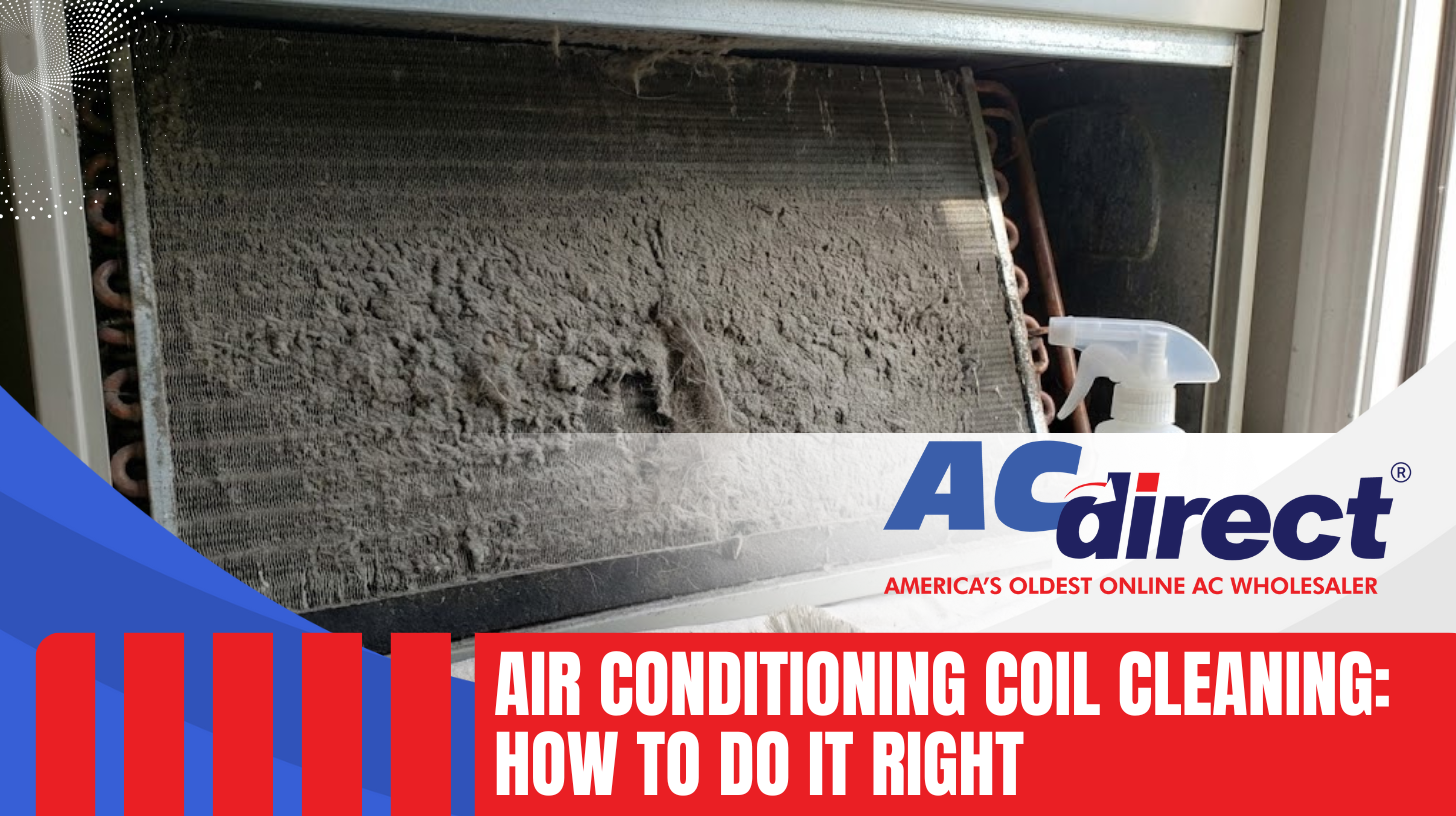
This is the most common problem. Dirt, dust, pollen, and other debris can accumulate on the coils, reducing their ability to transfer heat. Symptoms: Reduced cooling performance, increased energy bills, and a musty odor.
Refrigerant Leaks
Leaks can occur due to corrosion, damage, or faulty connections. Refrigerant is essential for cooling, and a leak will significantly reduce your AC's efficiency. Symptoms: Decreased cooling, ice buildup on the evaporator coil, hissing sound, and higher energy bills.
Corrosion
Exposure to moisture and chemicals can cause the coils to corrode, leading to leaks and reduced performance. Symptoms: Visible rust or corrosion on the coils, reduced cooling, and refrigerant leaks.
Frozen Evaporator Coil
This can happen due to restricted airflow, low refrigerant levels, or a malfunctioning blower fan. When the evaporator coil freezes, it can't absorb heat properly. Symptoms: Ice buildup on the evaporator coil, reduced airflow, and no cooling.
AC Coil Cleaning and Maintenance: A DIY Guide
Regular cleaning and maintenance can help prevent many coil problems. Here's a simple DIY guide for cleaning your AC coils:
- Turn off the power: Before you start, turn off the power to your AC unit at the breaker to avoid electrical shock.
- Remove debris: Use a soft brush or vacuum to remove loose dirt and debris from the coils. Be gentle to avoid damaging the fins.
- Clean the coils: Apply a commercially available coil cleaner or a mild detergent solution (dish soap and water) to the coils. Follow the product instructions carefully.
- Rinse the coils: Use a garden hose with a gentle spray nozzle to rinse the coils. Be careful not to bend the fins.
- Straighten the fins: If the fins are bent, use a fin comb to straighten them. This will improve airflow and efficiency.
- Reassemble the unit: Once the coils are dry, reassemble the AC unit and turn the power back on.
Remember to wear gloves and eye protection when cleaning the coils. If you're not comfortable performing this task yourself, it's best to hire a professional.
When to Call a Professional for AC Coil Service
While basic cleaning can be done yourself, certain situations require professional help. I recommend calling an HVAC technician if you notice any of the following:
- Refrigerant Leaks: Handling refrigerant requires specialized equipment and training. A professional can safely repair leaks and recharge the system.
- Severe Corrosion: Extensive corrosion may require coil replacement, which is a complex task best left to a professional.
- Frozen Evaporator Coil: If you can't easily thaw the coil or if the problem persists, a technician can diagnose and fix the underlying issue.
- Complex Repairs: Any major repairs to the coils or other AC components should be performed by a qualified technician.
A professional HVAC technician has the tools, knowledge, and experience to diagnose and repair coil problems safely and effectively. They can also perform a thorough inspection of your entire AC system to identify and address any other potential issues. Look for a reputable air condition store near you.
The Impact of Coil Quality on AC Efficiency (SEER Rating)
The quality of the coils in your air conditioner directly impacts its efficiency, which is reflected in its Seasonal Energy Efficiency Ratio (SEER) rating. The SEER rating measures how efficiently an AC system cools your home. A higher SEER rating indicates better energy efficiency and lower operating costs.
High-quality coils, made of durable materials and designed for optimal heat transfer, can significantly improve the SEER rating of your AC system. For example, a system with microchannel coils might achieve a higher SEER rating than a system with standard aluminum coils. When shopping for a new AC system, pay attention to the SEER rating and the type of coils used. Investing in a high-quality system with efficient coils can save you money in the long run.
Air Conditioner Coil Replacement: When Is It Necessary?
Coil replacement is sometimes necessary when the coils are severely damaged or corroded beyond repair. Here are some situations when coil replacement may be the best option:
- Extensive Corrosion: If the coils are heavily corroded, they may be prone to leaks and unable to transfer heat effectively.
- Unrepairable Leaks: Some leaks may be too large or located in areas that are difficult to repair.
- Age of the System: If your AC system is old, it may be more cost-effective to replace the entire system rather than just the coils.
- Inefficiency: If your AC system is not energy-efficient, replacing the coils with newer, more efficient models can improve its performance.
Replacing the coils can be a significant investment, but it can also improve your AC system's efficiency and extend its lifespan. Consult with a qualified HVAC technician to determine if coil replacement is the right solution for your situation.
Cost Considerations for AC Coil Repair and Replacement
The cost of repairing or replacing AC coils can vary widely depending on the type of coil, the extent of the damage, and the labor costs in your area. Here's a general overview of the cost considerations:
- Coil Repair: Minor repairs, such as fixing small leaks, may cost a few hundred dollars.
- Coil Cleaning: Professional coil cleaning can range from $100 to $300, depending on the complexity of the job.
- Coil Replacement: Replacing the evaporator or condenser coil can cost anywhere from $500 to $2500 or more, depending on the type of coil and the labor involved.
Before proceeding with any repairs or replacements, get quotes from several HVAC contractors to ensure you're getting a fair price. Also, ask about warranties and guarantees to protect your investment. Don't delay necessary repairs because smaller problems can become big, expensive problems quickly. Before choosing an AC company, check their background with your local Oregon Public Utility Commission.
Tips for Extending the Life of Your Air Conditioner Coils
Here are some simple tips to help extend the life of your air conditioner coils and keep your system running efficiently:
- Regular Cleaning: Clean the coils regularly to remove dirt and debris.
- Air Filter Replacement: Change your air filters regularly to improve airflow and prevent dust from accumulating on the coils.
- Annual Maintenance: Schedule annual maintenance with a qualified HVAC technician to inspect and service your system.
- Proper Ventilation: Ensure proper ventilation around the outdoor unit to allow for adequate airflow.
- Protect from Damage: Protect the outdoor unit from physical damage, such as lawnmowers or falling debris.
By following these tips, you can keep your AC coils in good condition and extend the life of your system. Consider high-quality parts when you do have to make repairs. For instance, when purchasing new parts, consider the Msz-gx12nl.
Frequently Asked Questions
What exactly do the coils in my air conditioner do?
Air conditioner coils, specifically the evaporator coil and condenser coil, are responsible for absorbing heat from your home and releasing it outside. The evaporator coil contains refrigerant that cools as it evaporates, absorbing heat from the air blown across it. The condenser coil releases the absorbed heat outside as the refrigerant condenses back into a liquid.
How often should I have my AC coils cleaned?
Ideally, you should have your AC coils professionally cleaned every 1-2 years. However, you can perform basic cleaning yourself more frequently, such as once a season, to remove surface debris and dust. Regular cleaning helps maintain efficiency and prevent costly repairs.
What are the signs that my AC coils need to be replaced?
Signs that your AC coils may need replacing include decreased cooling performance, frozen evaporator coils, refrigerant leaks, visible corrosion or damage, and a significant increase in energy bills. If you notice any of these signs, it's best to have a professional inspect your system.
Can I clean my AC coils myself, or should I hire a professional?
You can perform basic cleaning of your AC coils yourself using a soft brush or fin comb and a mild detergent solution. However, for more thorough cleaning or if you suspect any damage, it's best to hire a professional HVAC technician. They have the tools and expertise to clean the coils safely and effectively without causing further damage.
How much does it cost to replace air conditioner coils?
The cost to replace air conditioner coils can vary depending on the type of coil, the location, and the complexity of the job. In general, you can expect to pay anywhere from $500 to $2500 or more for coil replacement. Getting quotes from several HVAC contractors is recommended.
Final Thoughts
Understanding the role of coils for air conditioner units is essential for maintaining an efficient and reliable AC system. By keeping your coils clean, addressing problems promptly, and making informed decisions about repairs and replacements, you can extend the life of your system and save money on energy costs.
Remember, regular maintenance and professional service are key to preventing costly problems and ensuring your AC system operates at its best. Don't hesitate to contact a qualified HVAC technician if you have any concerns about your AC coils or system performance. And always remember to check with a reputable Air condition store before making major purchase decisions.
By taking proactive steps to care for your AC coils, you can enjoy a comfortable and energy-efficient home for years to come.