 and now, NASCAR Racing Sponsor


Creating a Purrfect Pet-Friendly Home Environment
-
 By
Michael Haines
By
Michael Haines
- Nov 11, 2024

By Mike Haines 11/11 Hello everyone, Mike Haines here from your trusted HVAC wholesaler. As a pet owner myself, I understand the joys and challenges that come with sharing your home with furry friends. Pets bring warmth and companionship, but they also introduce unique considerations for maintaining a comfortable and healthy living environment. Today, I want to share insights on how to create a pet-friendly home that doesn't compromise your indoor air quality or the efficiency of your HVAC system.
Key Highlights
- Improve Indoor Air Quality: Use pet-friendly air filters and air purifiers to reduce pet hair and dander.
- Regular Maintenance: Clean and service your HVAC system to ensure optimal performance in a pet-friendly home.
- Choose Pet-Safe Materials: Opt for durable, easy-to-clean flooring and furniture.
- Secure Hazardous Areas: Keep pets away from potential dangers like cleaning supplies and certain plants.
- Provide Proper Ventilation: Ensure adequate airflow to prevent the buildup of odors and allergens.
Enhancing Indoor Air Quality with Pets
Using Pet-Friendly Air Filters
A high-quality, pet-friendly air filter is one of the best investments you can make for a cleaner, healthier home. Air filters designed for homes with pets trap more than just dust; they capture dander and pet hair, which helps prevent these particles from circulating through your HVAC system. Consider upgrading to a high-efficiency filter—a MERV rating of 8 or higher is a good choice for most homes with pets. These filters can capture smaller particles, ensuring better indoor air quality and keeping your HVAC system from working overtime. By reducing the strain on your system, you’re also helping it operate more efficiently, which can save on energy costs over time.
Regular Cleaning Practices
Regular cleaning can go a long way in managing pet-related allergens and debris. Frequent vacuuming and dusting help minimize the buildup of hair and dander, which means less of it will end up in your air ducts and filters. For even better results, use a vacuum with a HEPA filter. These vacuums are designed to trap even the finest particles, keeping allergens at bay. Don't forget to clean furniture and pet bedding frequently, as these can also collect a surprising amount of dander. By sticking to a regular cleaning schedule, you can make a real difference in the air quality of your home.
Air Purifiers
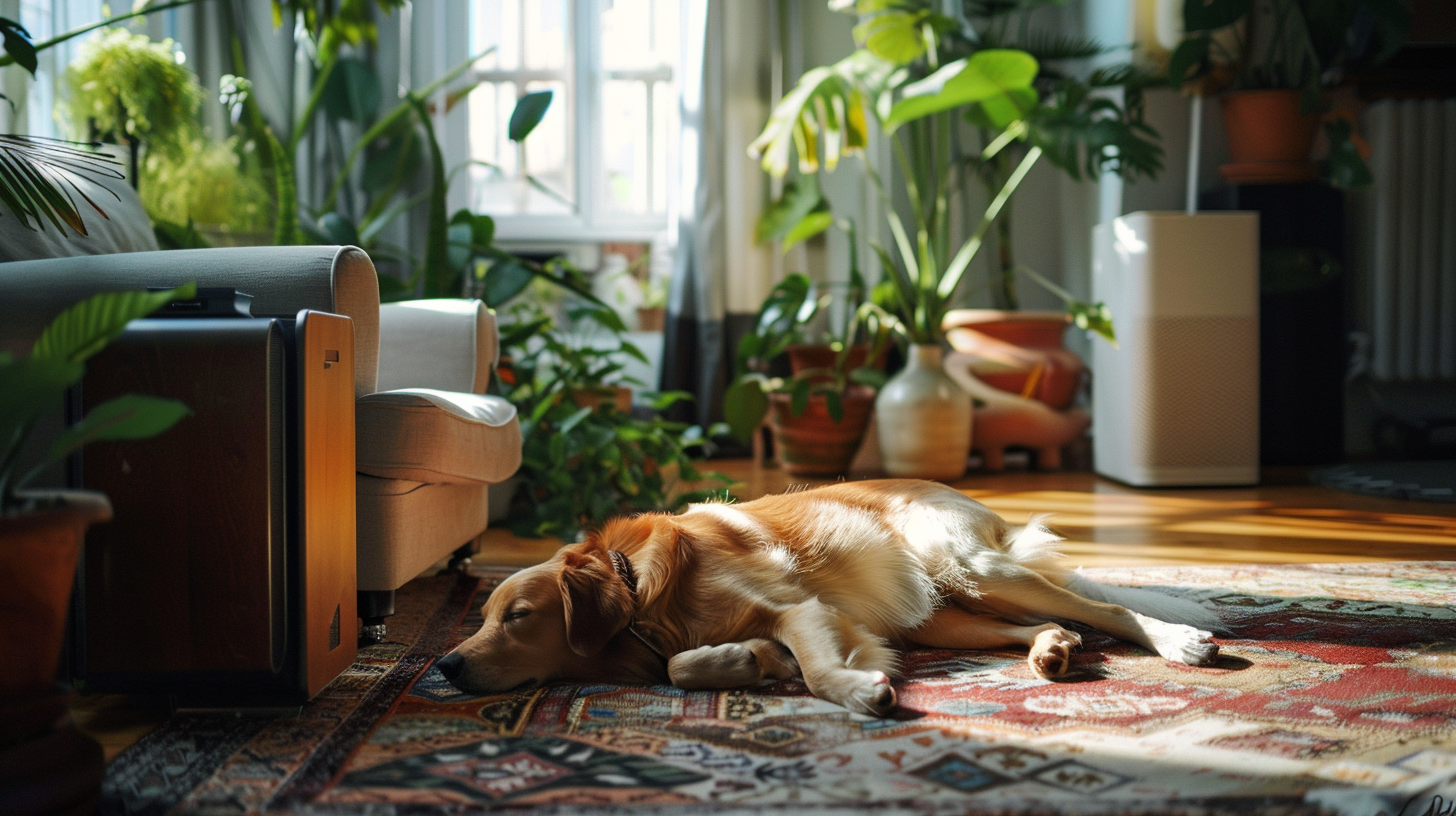
Another helpful option is adding air purifiers with HEPA filters in rooms where your pets spend the most time. These purifiers capture airborne allergens and reduce odors, creating a fresher and healthier indoor environment. For the best results, place purifiers near pet areas, like where your dog naps or your cat’s favorite perch. Combining purifiers with pet-friendly filters in your HVAC system is a powerful way to improve air quality.
Implementing these strategies will not only help you breathe easier but also keep your HVAC system running smoothly for years to come.
Maintaining Your HVAC System in a Pet-Friendly Home
Regular HVAC Maintenance
If you have pets, regular HVAC maintenance becomes even more essential. Pet hair and dander can quickly clog up filters, reducing system efficiency and straining components. To counter this, schedule routine HVAC check-ups to keep your system operating at its best. And remember, you’ll likely need to change air filters more frequently than in non-pet homes—usually every 30–60 days. This simple step helps improve airflow, keeps your home’s air cleaner, and reduces wear and tear on your system.
Consider Upgrading to a High-Efficiency Gas Furnace
If you’re thinking about an upgrade, a high-efficiency gas furnace is a fantastic option for a pet-friendly home. This type of furnace not only improves indoor air quality by effectively filtering and circulating air but also saves on energy costs due to its optimized efficiency. Plus, by filtering out airborne pet dander, it helps reduce allergens in your home. A high-efficiency model is a smart, long-term choice, especially if you’re aiming for both comfort and cleaner air quality for you and your pets.
Protecting HVAC Components
Pets are naturally curious, and outdoor HVAC units can become points of interest for our four-legged friends. To prevent damage from scratching, chewing, or digging, consider installing a barrier or fence around your outdoor HVAC unit. This not only protects your system but also keeps your pets safe from any potential risks posed by the unit’s electrical components. Keeping the area around your unit clear of dirt and debris is also helpful, as it ensures the system can perform without interference.
These simple steps go a long way toward extending the life of your HVAC system and keeping your home environment safe and comfortable. With regular care and the right upgrades, you’ll have a system that works well for you and your pets alike!
Your HVAC system plays a crucial role in maintaining a comfortable environment for both you and your pets.
Choosing Pet-Safe and Durable Materials
Selecting the right materials for your home can make it more pet-friendly and easier to maintain.
Creating a pet-friendly home goes beyond setting up cozy spaces—it’s about choosing materials that can handle the everyday realities of life with pets. From flooring that resists scratches to furniture that doesn’t trap hair, making these smart choices can keep your home looking and feeling its best while staying safe for your pets.
Flooring Options
The flooring you choose can make a big difference in managing pet-related wear and tear. Scratch-resistant and easy-to-clean options like tile, laminate, or vinyl are excellent choices. Tile is highly durable and resists scratches and stains, making it perfect for active pets. Plus, it’s a breeze to clean, especially for households with pets prone to accidents. Laminate flooring offers the look of hardwood without the vulnerability to scratches, while vinyl is not only resilient but also softer and quieter underfoot, which is great for homes with pets that love to roam.
On the other hand, traditional hardwood flooring can be prone to scratches and may need frequent refinishing if you have active pets with sharp claws. Carpet may trap pet hair and dander, and it’s more challenging to keep clean in the event of spills or accidents. However, if you prefer carpet for warmth or comfort, consider choosing low-pile or pet-friendly carpet materials that are stain-resistant and easy to clean.
Furniture Choices
When it comes to furniture, look for upholstery that can withstand pet use. Leather and synthetic materials, like microfiber, are popular choices for pet-friendly homes. Leather is durable, easy to wipe down, and doesn’t attract pet hair. Though it can show scratches, it’s relatively low-maintenance, and minor imperfections can sometimes add to its charm. Microfiber is stain-resistant, easy to clean, and repels pet hair, which makes it a practical choice for families with shedding pets. If you’re shopping for new pieces, look for fabrics labeled as stain-resistant or performance fabrics, designed to handle spills, scratches, and frequent cleaning.
Non-Toxic Materials
Since pets often come into close contact with flooring, furniture, and other surfaces, it’s essential to select non-toxic materials that ensure their health and safety. Some paints, finishes, and even certain types of vinyl and carpet contain chemicals that could be harmful to animals. When painting or remodeling, choose low-VOC (volatile organic compound) paints and pet-safe sealants. Opt for eco-friendly cleaning products or those marked as non-toxic and pet-safe. Avoid harsh chemicals that could leave harmful residues, and look for natural cleaning solutions whenever possible.
Securing Hazardous Areas
Pets are naturally curious and often explore areas they shouldn’t. Creating a safe environment means keeping potentially hazardous items and spaces securely out of reach.
Store Chemicals Safely
Common household chemicals, such as cleaning supplies, pesticides, and automotive products, can be dangerous or even fatal if ingested by pets. Store all chemicals in secure cabinets or behind locked doors, preferably in high places or cabinets with child-proof latches that pets can’t open. Be particularly cautious with items like antifreeze, which can be deadly to pets in very small amounts, and rodenticides or insecticides, which can be toxic even in small doses.
Beware of Toxic Plants
While plants add beauty and improve indoor air quality, many common houseplants can be harmful to pets if ingested. Popular plants like philodendron, lilies, and aloe vera can be toxic to cats and dogs. Research your plants and remove any that pose a risk to your pets. To add some greenery safely, consider pet-safe options like spider plants, Boston ferns, or areca palms. When in doubt, consult with a veterinarian to identify plants that won’t harm your furry friends.
Secure Small Spaces
Pets, especially cats and small dogs, can sometimes find themselves in tight or unsafe areas of the home. Crawl spaces, attics, and basements are particularly attractive spots for curious pets but can present dangers from stored items, insulation materials, or other hazards. Install barriers or block access to these areas with gates or by keeping doors closed. If you have HVAC systems or other mechanical equipment in open areas, consider pet-proofing them with gates or enclosures to prevent your pets from investigating spaces where they could be harmed.
By incorporating pet-safe materials and securing potential hazards, you’re taking crucial steps toward a pet-friendly home that’s both stylish and safe for your furry companions.
Providing Proper Ventilation
Good ventilation is essential in a pet-friendly home to prevent the buildup of odors and allergens.
Maintaining good ventilation in a pet-friendly home is essential for keeping the air fresh, minimizing odors, and reducing the accumulation of pet dander and allergens. With proper ventilation practices, you can create a healthier and more comfortable space for both you and your pets.
Ensure Adequate Airflow
Keeping vents and registers clean and unobstructed is a straightforward but effective way to improve airflow throughout your home. Pet hair and dander can quickly build up around these areas, especially if pets enjoy lounging near warm or cool air sources. Regularly vacuuming and dusting around vents ensures they stay clear of debris, allowing air to circulate freely. Also, avoid placing furniture, pet beds, or other items directly in front of vents or returns, as this can obstruct airflow and force your HVAC system to work harder than necessary, impacting efficiency and comfort.
Use Exhaust Fans
Exhaust fans are a helpful addition, especially in areas prone to moisture and odors, such as kitchens, bathrooms, and laundry rooms. Using exhaust fans effectively reduces humidity, which can help prevent mold and mildew growth. For households with pets, exhaust fans can also minimize unwanted odors from litter boxes, pet food, or bedding. Keeping these fans on for a few minutes after each use helps to quickly vent out moisture and stale air, maintaining a fresher and healthier environment.
Ventilation Systems
For a more comprehensive solution, consider installing a whole-home ventilation system, such as a gas furnace and AC combo. These systems provide continuous air circulation, which helps filter out pet dander, dust, and other airborne allergens while maintaining a comfortable temperature year-round. A gas furnace and AC combo is particularly beneficial for pet owners, as it not only regulates temperature but also improves air quality by filtering out particulates that contribute to indoor air pollution.
Additionally, whole-home ventilation systems like heat recovery ventilators (HRVs) or energy recovery ventilators (ERVs) can further enhance indoor air quality. These systems replace stale indoor air with fresh outdoor air, which helps reduce allergens and odors. They’re especially useful in homes that are tightly sealed for energy efficiency, as they bring in fresh air without sacrificing heating or cooling.
Integrating proper ventilation practices can make a noticeable difference in your home’s air quality, helping to control odors and allergens while providing a more comfortable and healthier environment for everyone, pets included.
Frequently Asked Questions
How often should I change my HVAC filters in a pet-friendly home?
It's recommended to check your HVAC filters monthly and replace them every 1-3 months. In homes with pets, you may need to replace filters more frequently due to increased hair and dander.
What types of air filters are best for homes with pets?
High-efficiency particulate air (HEPA) filters are excellent for trapping pet hair and dander. Ensure the filter is compatible with your HVAC system.
Can pets affect my HVAC system's efficiency?
Yes, pet hair and dander can clog air filters and ducts, reducing airflow and forcing your HVAC system to work harder, which decreases efficiency.
How can I reduce pet odors in my home?
Regular cleaning, proper ventilation, and using air purifiers can help reduce pet odors. Bathing and grooming your pets regularly also minimize odors.
Are there any HVAC systems specifically designed for pet owners?
While there aren't systems exclusively for pet owners, high-efficiency HVAC systems with advanced filtration, like a gas HVAC system, can greatly benefit homes with pets.
How do I protect my outdoor HVAC unit from pets?
Install a fence or barrier around the unit to prevent pets from accessing it. Ensure there's enough space for proper airflow and maintenance access.
Can pet allergies be reduced with better HVAC maintenance?
Yes, regular HVAC maintenance and using high-quality air filters can reduce allergens in the air, helping alleviate pet-related allergies.
What flooring is best for homes with pets?
Hard surfaces like tile, laminate, or vinyl are durable and easy to clean, making them ideal for homes with pets.
How does regular grooming help indoor air quality?
Regular grooming reduces the amount of loose hair and dander, decreasing the particles that can circulate in your home's air.
Is it safe to use air fresheners in a pet-friendly home?
Some air fresheners contain chemicals that can be harmful to pets. Opt for pet-safe, natural options and ensure proper ventilation when using them.
Final Thoughts
Creating a pet-friendly home environment involves balancing your pets' needs with maintaining a comfortable and healthy living space. By focusing on indoor air quality, regular HVAC maintenance, choosing pet-safe materials, and securing hazardous areas, you can ensure your home is safe and enjoyable for all occupants. Remember, a well-maintained HVAC system not only improves your comfort but also enhances the well-being of your furry friends.
Additional Information
Creating a pet-friendly home environment involves several key considerations to ensure the safety and well-being of your pets while maintaining a comfortable living space. Here are some essential tips:
- Secure Hazardous Areas: Keep pets away from areas containing harmful substances, such as cleaning supplies or certain plants. The Centers for Disease Control and Prevention (CDC) provides guidance on pet safety and potential household hazards.
- Maintain Indoor Air Quality: Regularly clean and vacuum to reduce pet dander and hair, which can affect air quality. The Environmental Protection Agency (EPA) offers resources on maintaining healthy indoor environments.
- Use Pet-Safe Materials: Choose flooring and furniture materials that are durable and easy to clean, minimizing damage from claws and accidents. The National Institute of Environmental Health Sciences (NIEHS) discusses considerations for pet allergens and materials.
- Provide Proper Ventilation: Ensure your home is well-ventilated to prevent the buildup of pet odors and allergens. The EPA emphasizes the importance of ventilation in maintaining indoor air quality.
- Regular Grooming and Hygiene: Regularly groom your pets to reduce shedding and dander. The CDC provides information on maintaining pet hygiene to promote a healthy home environment.
By implementing these practices, you can create a safe and comfortable home for your pets while ensuring a healthy living environment for all occupants.
Citations
- Centers for Disease Control and Prevention (CDC), "Healthy Pets, Healthy People," https://www.cdc.gov/healthy-pets/index.html
- Environmental Protection Agency (EPA), "Pets and Indoor Air Quality," https://www.epa.gov/indoor-air-quality-iaq/pets-and-indoor-air-quality
- National Institute of Environmental Health Sciences (NIEHS), "Pet Allergens," https://www.niehs.nih.gov/health/topics/agents/allergens/pets/index.cfm
- Environmental Protection Agency (EPA), "Ventilation and Indoor Air Quality," https://www.epa.gov/indoor-air-quality-iaq/ventilation-and-indoor-air-quality
These resources provide comprehensive information on pet safety, indoor air quality, and maintaining a healthy environment for both pets and humans.