 and now, NASCAR Racing Sponsor


Garage Air Conditioning System: Is It Right for Your Space?
-
 By
Michael Haines
By
Michael Haines
- Feb 27, 2024
Hi, I'm Mike Haines, founder of AC Direct. Many homeowners and small business owners find their garages becoming unbearable during the hot summer months. Whether you're using your garage as a workshop, gym, or simply for storage, a garage air conditioning system can make a world of difference. I want to walk you through the different options available, from portable units to mini-splits, so you can determine the best cooling solution for your garage.
Key Highlights
- Air conditioning your garage can improve comfort, protect stored items, and prevent moisture-related issues.
- Several cooling options exist for garages, including portable ACs, window units, and mini-split systems. Each has its own advantages and disadvantages in terms of cost, installation, and efficiency.
- Proper sizing of your garage air conditioner is crucial for effective cooling. Consider factors like square footage, insulation, and sun exposure when determining the required BTU rating.
- Installation costs can vary significantly depending on the type of system and whether you choose DIY or professional installation.
- Improving insulation and sealing air leaks can significantly enhance the efficiency of your garage air conditioner, reducing energy consumption and costs.
Why Air Condition Your Garage?
Garages often become the most neglected spaces in our homes when it comes to climate control. They can become unbearably hot and humid during the summer. Air conditioning can transform your garage into a much more usable and comfortable space. Whether you're a hobbyist working on projects, a fitness enthusiast using the garage as a gym, or simply need a safe storage area, air conditioning offers numerous benefits.
Health and Safety Benefits
Beyond comfort, air conditioning can have real health and safety benefits. High temperatures and humidity can create a breeding ground for mold and mildew, which can trigger allergies and respiratory issues. Air conditioning helps control humidity, reducing the risk of these problems. Also, if you store items susceptible to heat damage like paints, chemicals, or electronics, a cooler garage environment can prolong their lifespan and prevent hazardous situations.
Different Garage Cooling Options
There are several ways to cool your garage, each with its own pros and cons. The best option for you will depend on your budget, the size of your garage, and how often you use the space.
Portable Air Conditioners: Pros and Cons
Portable air conditioners are a popular choice for garages because they're relatively inexpensive and easy to set up. They don't require any permanent installation; you simply plug them into a standard electrical outlet and vent the hot air out a window using the included kit. However, portable ACs are typically less efficient than other types of air conditioners and can be quite noisy. They also take up floor space and require you to empty a water collection tank periodically.
Window Air Conditioners: A Budget-Friendly Choice
Window air conditioners are another affordable option for cooling a garage. They're more powerful than portable ACs and generally more energy-efficient. Installation involves mounting the unit in a window opening, which may require some minor modifications. The downside is that they block the use of the window and can be a security risk if not properly secured. You might consider a Ac heat pumps for your home as well.
Mini-Split Systems: The Premium Solution
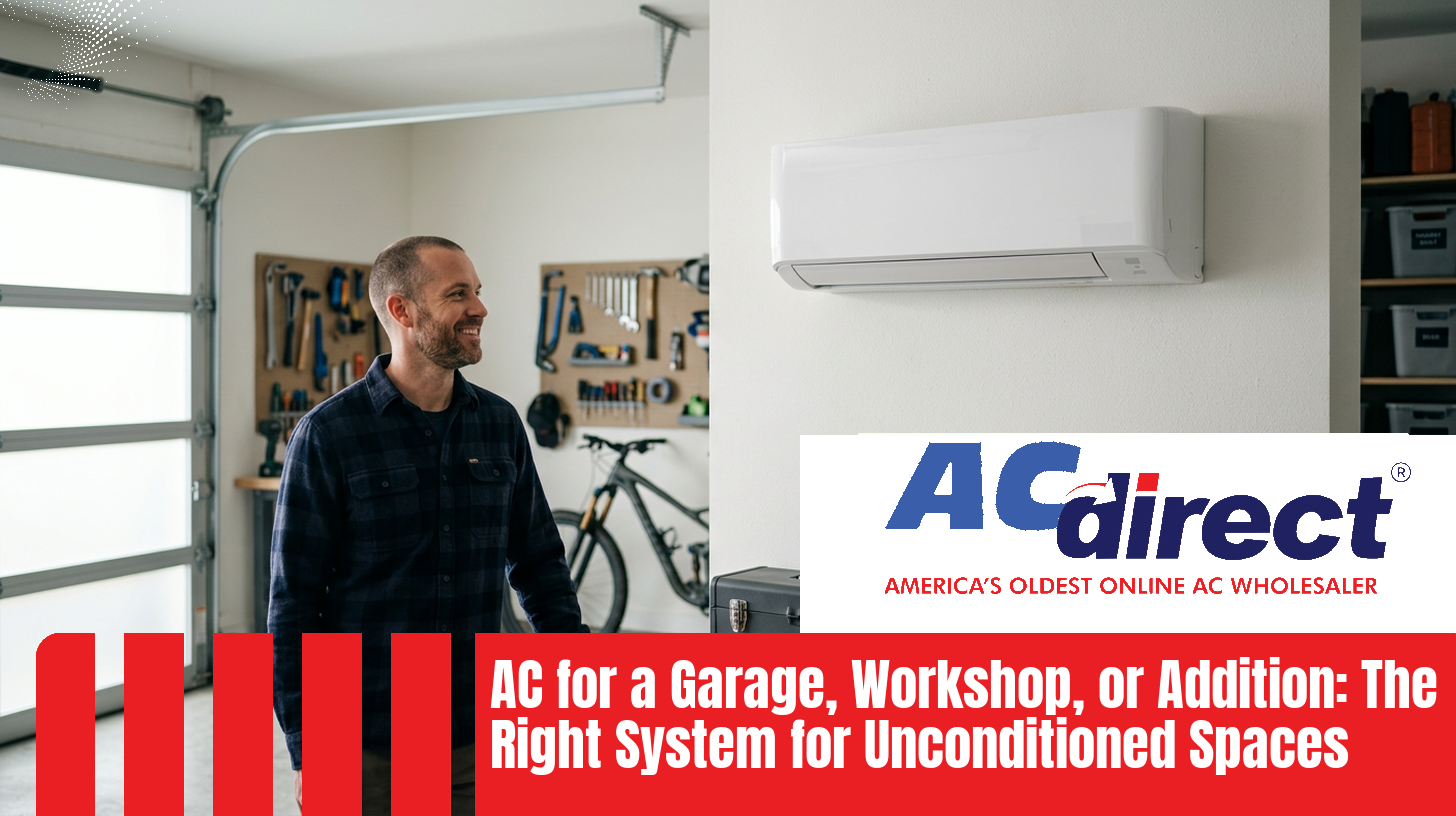
Mini-split systems, also known as ductless air conditioners, offer the best of both worlds: powerful cooling and energy efficiency. They consist of an outdoor compressor unit and an indoor air handler that's mounted on the wall. Because they don't require ductwork, they're relatively easy to install in garages. Mini-splits are quiet, efficient, and offer precise temperature control. However, they're also the most expensive option.
DIY vs. Professional Installation
The installation process varies depending on the type of air conditioner you choose. Portable ACs are simple to set up yourself, while window units may require some basic handyman skills. Mini-split systems, on the other hand, are best left to professionals. They involve electrical work and refrigerant handling, which require specialized knowledge and equipment. Improper installation can not only void the warranty but also lead to safety hazards. If you're looking for a Central ac system for sale, professional installation is a must.
Sizing Your Garage Air Conditioner: BTU Calculations
Choosing the right size air conditioner is crucial for effective cooling. An undersized unit will struggle to keep the space cool, while an oversized unit will cycle on and off frequently, wasting energy and reducing its lifespan. The size of an air conditioner is measured in British Thermal Units (BTUs). The higher the BTU rating, the more cooling power it has.
Understanding BTU Ratings
BTU ratings indicate the amount of heat an air conditioner can remove from a room per hour. For example, a 5,000 BTU air conditioner can remove 5,000 BTUs of heat per hour. The BTU rating you need will depend on the size of your garage and other factors like insulation and sunlight exposure. Ignoring the Amst60du1300 can cause issues.
Calculating Garage Square Footage
The first step in determining the appropriate BTU rating is to calculate the square footage of your garage. Simply multiply the length of the garage by its width. For example, a 20-foot long and 20-foot wide garage has a square footage of 400 square feet.
Factoring in Insulation and Sunlight
Once you know the square footage, you need to factor in insulation and sunlight exposure. Garages with poor insulation will require more BTUs than well-insulated garages. Garages that receive a lot of direct sunlight will also need more cooling power. As a general rule of thumb, I recommend adding 10% to 20% to the BTU rating for poorly insulated garages or those with significant sun exposure.
Garage Air Conditioning Costs: What to Expect
The cost of air conditioning your garage can vary widely depending on the type of system you choose, the size of your garage, and whether you opt for DIY or professional installation. Here's a breakdown of the costs associated with each type of air conditioner.
Portable AC Costs
Portable air conditioners are the most affordable option, with prices ranging from $200 to $600, depending on the BTU rating and features. Keep in mind that you may also need to purchase a window venting kit if one isn't included.
Window AC Costs
Window air conditioners typically cost between $150 and $500, depending on their size and efficiency. Installation may require some minor modifications to the window opening, which could add to the overall cost.
Mini-Split System Costs
Mini-split systems are the most expensive option, with prices ranging from $1,000 to $4,000 or more, depending on the size and features. Professional installation can add another $500 to $1,500 to the total cost.
Installation Costs
Installation costs can vary depending on the complexity of the job and the rates charged by local HVAC technicians. Portable AC units have no installation costs. Window AC installation is usually inexpensive, but mini-split installation requires expertise and therefore comes with a higher price tag.
Energy Efficiency and Operating Costs
The energy efficiency of an air conditioner is measured by its Energy Efficiency Ratio (EER) or Seasonal Energy Efficiency Ratio (SEER). The higher the EER or SEER rating, the more efficient the unit is. Energy-efficient air conditioners will save you money on your electricity bill over the long run, but they typically have a higher upfront cost. You can research programs with companies like Exelon Corp that may help with energy savings.
Tips for Improving Garage Cooling Efficiency
Regardless of the type of air conditioner you choose, there are several things you can do to improve its efficiency and reduce your energy costs.
Insulation Upgrades
Adding insulation to your garage walls and ceiling is one of the most effective ways to improve cooling efficiency. Insulation helps to keep the heat out in the summer and the cool air in. Consider insulating your garage door as well, as it can be a major source of heat gain.
Sealing Air Leaks
Sealing air leaks around doors, windows, and other openings can also significantly improve cooling efficiency. Use caulk or weatherstripping to seal any cracks or gaps. This will prevent hot air from entering the garage and cool air from escaping.
Choosing the Right Garage AC System: Key Considerations
Selecting the ideal air conditioning system for your garage involves carefully weighing several factors. This ensures you get the best balance of performance, cost-effectiveness, and convenience.
Garage Usage and Needs
Think about how you primarily use your garage. Is it a workshop where you spend hours on projects? Or is it mainly for storage with occasional visits? If you use it frequently, investing in a more powerful and efficient system like a mini-split might be worthwhile. If it's just for storage, a portable or window unit might suffice.
Budget and Long-Term Costs
Consider your budget, not just the initial purchase price but also the long-term operating costs. Energy-efficient models might cost more upfront but save you money on electricity bills over time. Factor in potential installation costs as well.
Installation Requirements
Evaluate the installation requirements for each type of system. Are you comfortable with DIY installation, or would you prefer to hire a professional? Mini-splits, for example, typically require professional installation due to the complexities of refrigerant handling and electrical connections.
Long-Term Maintenance
Consider the long-term maintenance needs of each system. Portable and window units require minimal maintenance, while mini-splits may require periodic cleaning and servicing by a qualified technician.
Smart Garage Climate Control: Integration and Automation
Consider a smart thermostat to pair with your new air conditioner. A smart thermostat allows you to control the temperature of your garage remotely using your smartphone or tablet. You can set schedules, adjust the temperature based on occupancy, and even receive alerts if the temperature gets too high or low. This can help you save energy and ensure that your garage is always at a comfortable temperature when you need it.
Frequently Asked Questions
Why should I consider air conditioning my garage?
Air conditioning your garage provides a more comfortable workspace, protects stored items from heat damage, and can prevent moisture buildup that leads to rust and mold.
What type of air conditioner is best for a garage?
The best type depends on your budget and needs. Portable ACs are affordable and easy to install, window units offer a balance of cost and cooling power, and mini-splits provide the most efficient and effective cooling but are more expensive.
How much does it cost to air condition a garage?
Costs vary widely. Portable ACs range from $200-$600, window units from $150-$500, and mini-splits from $1,000-$4,000 plus installation. Operating costs depend on the unit's efficiency and usage.
Can I install a mini-split system in my garage myself?
While DIY installation is possible, it's generally recommended to hire a professional HVAC technician. Mini-split installation involves electrical work and refrigerant handling, which requires specialized skills and tools.
How can I improve the efficiency of my garage air conditioner?
Improve insulation in your garage walls and ceiling. Seal any air leaks around doors and windows. Consider using reflective window film to reduce solar heat gain.
What size air conditioner do I need for my garage?
The required BTU (British Thermal Units) depends on the size of your garage, insulation, and climate. A general rule of thumb is 20 BTU per square foot. Factor in extra BTUs for poorly insulated garages or those with significant sun exposure.
Final Thoughts
Choosing the right garage air conditioning system can significantly improve the comfort and usability of your garage. Consider your specific needs, budget, and installation requirements when making your decision. By carefully evaluating your options and taking steps to improve energy efficiency, you can create a comfortable and functional garage space that you can enjoy year-round.
I hope this has given you a solid foundation for making the best decision. As always, AC Direct is here to help you find the perfect solution for your cooling needs.
Remember to take your time, do your research, and choose a system that meets your needs and budget. A well-chosen garage air conditioning system can make a big difference in your comfort and productivity.