 and now, NASCAR Racing Sponsor


Heating Blower Motor Problems: Diagnosis and Solutions
-
 By
Michael Haines
By
Michael Haines
- Mar 5, 2024
Hi, I'm Mike Haines, founder of AC Direct. A properly functioning heating system is essential for a comfortable home, especially during the colder months. One of the most important components of your furnace is the heating blower motor. In this post, I'll explain what a blower motor is, what can go wrong with it, and how to address common issues. This information is aimed at homeowners and small business owners who want to understand their HVAC systems better.
Key Highlights
- The heating blower motor is responsible for circulating warm air throughout your home.
- Common signs of a failing blower motor include unusual noises, weak airflow, and frequent cycling of the furnace.
- Troubleshooting steps include checking the power supply, capacitor, and blower wheel for obstructions.
- Replacement costs can vary, with ECM motors typically being more expensive than PSC motors.
- Regular maintenance, such as cleaning and filter changes, can help extend the life of your blower motor.
What is a Heating Blower Motor?
The heating blower motor is the component in your furnace that circulates heated air through your home's ductwork. It's essentially a fan that pushes air across the heat exchanger, where the air is warmed, and then forces that warm air into the rooms of your house.
Why is the Blower Motor Important for Home Heating?
Without a properly functioning blower motor, your furnace won't be able to effectively distribute heat. This can lead to cold spots in your home, increased energy bills, and potentially even damage to other components of your heating system due to overheating. The blower ensures even heating and consistent comfort throughout your living spaces.
Types of Heating Blower Motors
There are primarily two types of blower motors you'll find in residential heating systems:
- PSC (Permanent Split Capacitor) Motors: These are older, less expensive motors that operate at a constant speed. They are less energy-efficient than ECM motors.
- ECM (Electronically Commutated Motors): These are newer, more efficient motors that can vary their speed depending on the heating demand. ECM motors offer better temperature control and lower energy consumption.
If you are thinking about replacing your Heating & air conditioning units, it's good to know the differences in motor types.
Signs of a Failing Blower Motor
Recognizing the signs of a failing blower motor early can prevent more significant problems down the road. Here are some common indicators:
- Unusual Noises: Squealing, grinding, or rattling sounds coming from your furnace could indicate a problem with the blower motor bearings or other components.
- Weak Airflow: If the air coming from your vents is weak or inconsistent, the blower motor may not be operating at full capacity.
- Furnace Cycling On and Off: A failing blower motor can cause the furnace to overheat, leading to frequent cycling.
- Blower Motor Not Running: In some cases, the blower motor may simply stop running altogether.
- Burning Smell: A burning smell from your vents can be a sign of an overheating or failing motor.
Troubleshooting a Blower Motor: Simple Checks
Before calling a professional, there are a few simple checks you can perform to troubleshoot your blower motor:
- Check the Power Supply: Make sure the furnace is receiving power and that the circuit breaker hasn't tripped.
- Inspect the Air Filter: A dirty air filter can restrict airflow and cause the blower motor to overheat. Replace the filter if it's dirty. You can get an Air conditioning supply from us.
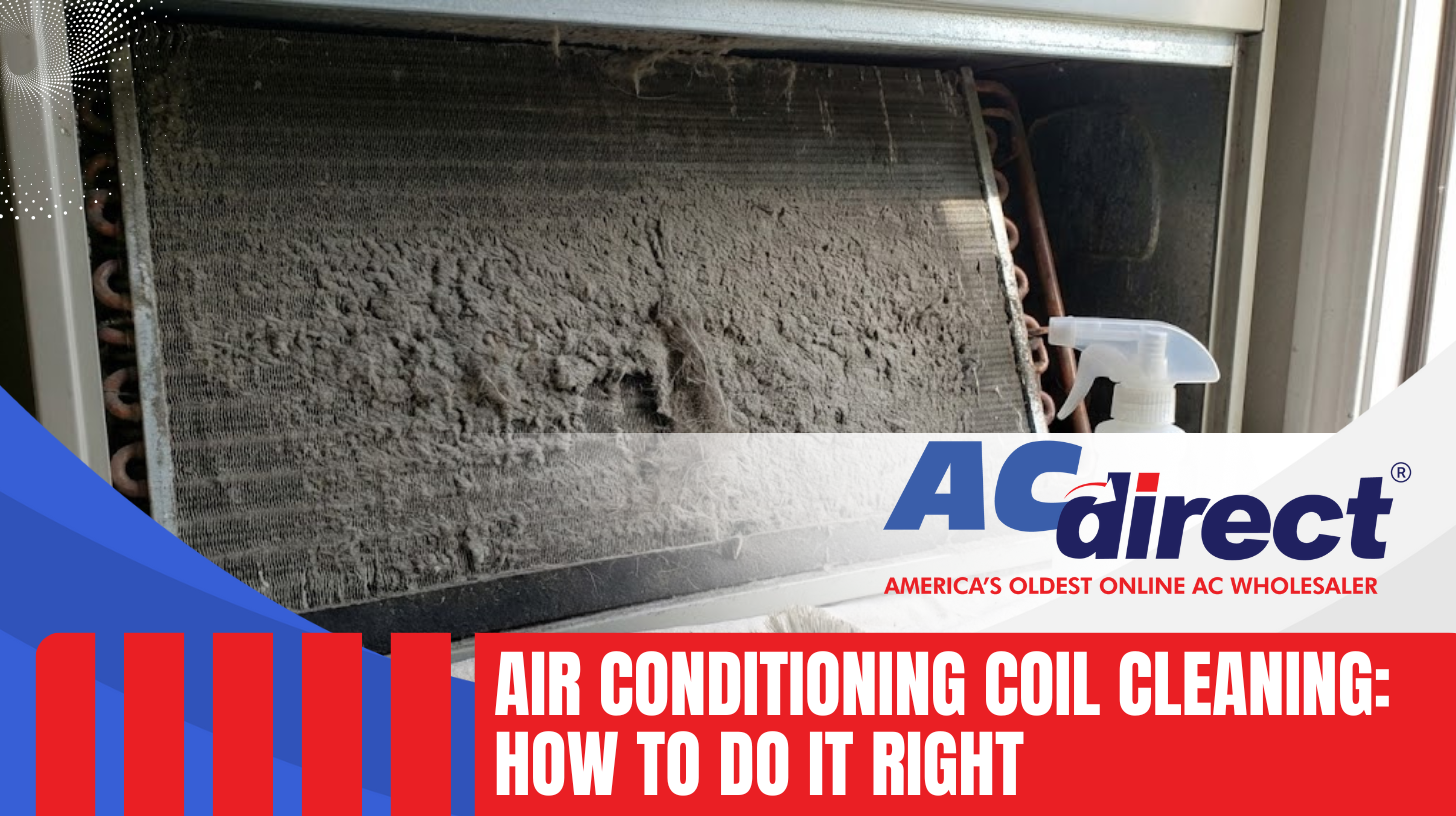
- Examine the Blower Wheel: Check the blower wheel for any obstructions, such as debris or dust buildup. Clean the wheel if necessary.
- Test the Capacitor: The capacitor helps start and run the blower motor. If the capacitor is faulty, the motor may not start. This test typically requires a multimeter and some electrical knowledge.
When to Call a Professional for Blower Motor Repair
While some troubleshooting steps can be done yourself, certain situations require the expertise of a qualified HVAC technician. Call a professional if:
- You are not comfortable working with electrical components.
- You suspect a problem with the motor windings or other internal components.
- You have tested the capacitor and it is faulty.
- The blower motor continues to malfunction after performing basic troubleshooting steps.
It's always best to err on the side of caution when dealing with electrical and mechanical systems.
Blower Motor Replacement Costs: What to Expect
The cost to replace a blower motor can vary depending on several factors, including the type of motor, the complexity of the installation, and your location. Generally, you can expect to pay anywhere from $300 to $800 or more for a blower motor replacement. ECM motors tend to be more expensive than PSC motors due to their advanced technology and energy-saving benefits. Be sure to get quotes from multiple HVAC contractors to ensure you're getting a fair price. Keep in mind that prices for House ac and parts fluctuate so it's always good to get current quotes.
Choosing the Right Blower Motor: Size, RPM, and Compatibility
Selecting the right blower motor for your furnace is crucial for optimal performance and efficiency. Consider the following factors:
- Size: The blower motor must be the correct size to fit properly in your furnace.
- RPM (Revolutions Per Minute): The RPM rating determines the airflow capacity of the motor. Choose a motor with the appropriate RPM for your heating needs.
- Compatibility: Ensure that the new blower motor is compatible with your furnace's voltage and electrical requirements.
Consult your furnace's manual or an HVAC professional to determine the correct blower motor specifications for your system.
Extending the Life of Your Blower Motor: Maintenance Tips
Proper maintenance can significantly extend the life of your blower motor and prevent costly repairs. Here are some tips:
- Replace Air Filters Regularly: Dirty air filters restrict airflow and cause the blower motor to work harder, leading to overheating and premature failure. Replace your air filters every 1-3 months, or more often if you have pets or allergies.
- Keep the Furnace Clean: Regularly clean the inside of your furnace to remove dust and debris that can accumulate on the blower motor and other components.
- Schedule Professional Maintenance: Have your furnace professionally inspected and maintained annually by a qualified HVAC technician. They can identify and address potential problems before they become major issues. Consider reaching out to programs like Eversource Corporate for maintenance assistance.
High-Efficiency Blower Motors: Are They Worth the Investment?
High-efficiency ECM blower motors offer several advantages over traditional PSC motors, including:
- Energy Savings: ECM motors can save a significant amount of energy due to their variable-speed operation. They consume less electricity when operating at lower speeds.
- Improved Comfort: ECM motors provide more consistent temperature control by adjusting their speed to match the heating demand.
- Quieter Operation: ECM motors tend to operate more quietly than PSC motors.
While ECM motors have a higher upfront cost, the long-term energy savings and improved comfort can make them a worthwhile investment.
DIY vs. Professional Blower Motor Replacement: What's Right for You?
Deciding whether to replace a blower motor yourself or hire a professional depends on your skills, experience, and comfort level. If you have experience working with electrical systems and HVAC equipment, you may be able to handle the replacement yourself. However, if you're not comfortable working with electricity or lack the necessary tools and knowledge, it's best to leave the job to a professional.
Frequently Asked Questions
What does a heating blower motor do?
The heating blower motor is responsible for circulating heated air throughout your home via the ductwork. It pushes the air that has been warmed by the furnace's heat exchanger through your vents.
How much does it cost to replace a furnace blower motor?
The cost to replace a furnace blower motor can range from $300 to $800 or more, depending on the type of motor, the complexity of the installation, and your location. ECM motors tend to be more expensive.
How can I tell if my furnace blower motor is bad?
Common signs of a failing blower motor include unusual noises (squealing, grinding), weak airflow from vents, the furnace cycling on and off frequently, or the blower motor not running at all.
Can I replace a blower motor myself?
Replacing a blower motor yourself is possible if you have experience with electrical work and HVAC systems. However, it's crucial to disconnect the power supply and follow safety precautions. If you are not comfortable, hire a professional.
What is an ECM blower motor?
An ECM (Electronically Commutated Motor) blower motor is a type of variable-speed motor that is more energy-efficient than traditional PSC motors. They can adjust their speed based on heating and cooling demands, resulting in lower energy bills.
Final Thoughts
The heating blower motor is a critical component of your home's heating system. Understanding its function, recognizing the signs of a failing motor, and performing basic maintenance can help you keep your home comfortable and prevent costly repairs. Whether you choose to troubleshoot and maintain your blower motor yourself or rely on a professional, making informed decisions will ensure the efficient and reliable operation of your heating system.