 and now, NASCAR Racing Sponsor


Troubleshooting Common Heating Coils Problems
-
 By
Michael Haines
By
Michael Haines
- Mar 7, 2024
Hi, I'm Mike Haines, founder of AC Direct. Many homeowners don't give their heating coils a second thought until something goes wrong. But understanding these essential components of your HVAC system can save you money and discomfort. I'll walk you through common heating coil issues, how to spot them, and what you can do to keep your system running smoothly.
Key Highlights
- Heating coils are vital for efficient and comfortable home heating, transferring heat produced by your furnace or heat pump to the air circulating through your home.
- Common heating coil problems include leaks, corrosion, and overheating, all of which can reduce heating efficiency and potentially damage your system.
- Regular maintenance, such as cleaning and visual inspections, can significantly extend the lifespan of your heating coils.
- When problems arise, you'll need to decide between DIY repairs (if you're qualified and comfortable) and professional HVAC service.
- Factors like coil size, material, and system compatibility are crucial when selecting a replacement heating coil.
What are Heating Coils and How Do They Work?
Heating coils are a critical part of your home's heating system. They're responsible for transferring heat from your furnace or heat pump to the air that circulates through your home. In a furnace, the heating coil, also known as a heat exchanger, heats up from the burning fuel. Air is then blown across the hot coil, warming the air before it's distributed through your ducts. In a heat pump Air conditioner heating units, the process is similar, but the coil absorbs heat from the outside air (even in cold temperatures) and transfers it indoors.
Why Heating Coils Matter to Homeowners: Comfort and Efficiency
If your heating coils aren't working properly, you'll notice it. You might experience inconsistent heating throughout your home, or your system might struggle to reach the desired temperature. A malfunctioning heating coil can also lead to higher energy bills, as your system works harder to compensate for the reduced efficiency. For me, maintaining a properly functioning heating system ensures both comfort and cost savings.
Types of Heating Coils: Electric Resistance vs. Hydronic
There are primarily two main types of heating coils: electric resistance and hydronic. Electric resistance coils are commonly found in electric furnaces and space heaters. They work by passing electricity through a resistive material, which heats up and warms the surrounding air. Hydronic coils, on the other hand, use hot water or steam to transfer heat. These are typically found in boilers and radiant heating systems. Each type has its own advantages and disadvantages in terms of efficiency, cost, and installation complexity.
Common Problems with Heating Coils: Diagnosis and Solutions
Several problems can affect heating coils, impacting their performance. Here are some of the most common:
Leaks
Leaks are more common in hydronic systems, where water or steam circulates through the coils. Leaks can reduce the system's efficiency and potentially cause water damage. If you spot any signs of moisture around your heating system, it's time to call a professional.
Corrosion
Corrosion can occur in both electric and hydronic coils. Over time, exposure to moisture and chemicals in the air can cause the coil material to degrade. This reduces the coil's ability to transfer heat efficiently and can eventually lead to failure.
Overheating
Overheating can occur if airflow is restricted around the heating coil. This can be caused by dirty filters, blocked vents, or a malfunctioning blower motor. Overheating can damage the coil and other components of your heating system.
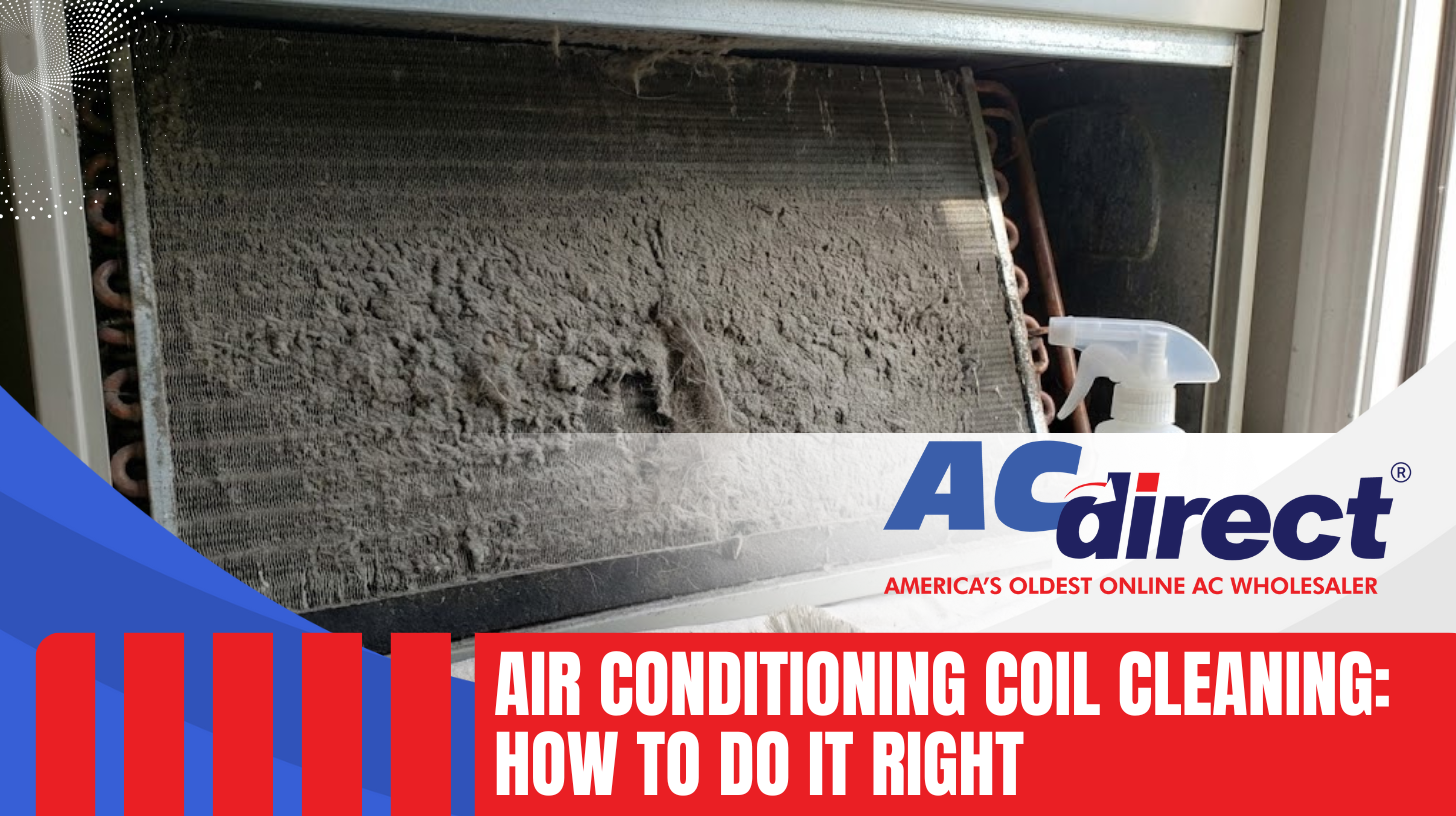
Dirty Coils
Dust and debris can accumulate on the surface of heating coils, reducing their ability to transfer heat. This is especially true for coils that aren't regularly cleaned. Dirty coils can lead to reduced efficiency and increased energy bills.
Physical Damage
Physical damage, such as dents or cracks, can also impair the performance of heating coils. This can be caused by impacts or improper handling during maintenance or repairs.
Heating Coil Maintenance: Tips for Extending Lifespan
Regular maintenance is key to extending the life of your heating coils and preventing problems. Here are some tips:
- Change your air filters regularly. Dirty filters restrict airflow and can cause your system to overheat.
- Keep the area around your heating system clean. Remove any dust, debris, or obstructions that could restrict airflow.
- Schedule annual inspections with a qualified HVAC technician. A technician can identify potential problems early and perform necessary maintenance.
- Consider a smart thermostat. Smart thermostats like 3 ton ac can optimize your system's performance.
Signs You Need a Heating Coil Replacement
Even with regular maintenance, heating coils will eventually need to be replaced. Here are some signs that it's time for a replacement:
Reduced Heating Output
If your system is struggling to heat your home, or if the air coming from your vents isn't as warm as it used to be, your heating coil may be failing.
Strange Noises
Unusual noises, such as banging, rattling, or hissing, can indicate a problem with your heating coil.
Burning Smell
A burning smell when your heating system is running could be a sign of overheating or a failing coil. This is a serious issue that should be addressed immediately.
Increased Energy Bills
If your energy bills are suddenly higher than usual, it could be a sign that your heating system is working harder to compensate for a failing heating coil.
Heating Coil Replacement Costs: Factors to Consider
The cost of heating coil replacement can vary depending on several factors, including:
Type of Coil
Electric resistance coils are generally less expensive to replace than hydronic coils.
Brand and Model
Some brands and models are more expensive than others.
Labor Costs
Labor costs can vary depending on your location and the complexity of the job.
System Accessibility
If your heating system is difficult to access, the replacement may cost more.
It's always a good idea to get quotes from multiple HVAC contractors before making a decision. Be sure to ask for a detailed breakdown of the costs involved.
Choosing the Right Heating Coil: Size, Material, and Compatibility
When replacing a heating coil, it's important to choose the right size, material, and compatibility for your system. The size of the coil should be matched to the BTU output of your furnace or heat pump. The material should be durable and resistant to corrosion. And the coil should be compatible with your existing system. It's best to consult with an HVAC professional to ensure you choose the right coil for your needs. You can even check out Goodman air conditioner reviews to see different user experiences.
DIY vs. Professional Heating Coil Replacement: What's Right for You?
Replacing a heating coil can be a complex and potentially dangerous task. If you're not experienced in HVAC repair, it's best to leave it to the professionals. Improper installation can damage your system and even pose a safety risk. However, if you have the necessary skills and experience, you may be able to replace the coil yourself. Just be sure to follow all safety precautions and consult with a qualified technician if you have any questions.
Tips for Maximizing the Efficiency of Your Heating Coils
Here are some additional tips for maximizing the efficiency of your heating coils:
Seal Your Ducts
Leaky ducts can waste a significant amount of energy. Sealing your ducts can improve the efficiency of your heating system and lower your energy bills. Consider programs such as Focus on Energy from WEC Energy Group to learn how you can save.
Insulate Your Home
Proper insulation can help to keep your home warm in the winter and cool in the summer, reducing the strain on your heating and cooling systems.
Use a Programmable Thermostat
A programmable thermostat can help you to save energy by automatically adjusting the temperature when you're away from home or asleep.
Extending the Life of Your Heating Coils
Extending the life of your heating coils comes down to consistent maintenance and smart usage. Regular inspections, filter changes, and keeping the area around your unit clean will go a long way. Also, avoid setting your thermostat to extreme temperatures, as this can overwork your system and shorten the lifespan of your heating coils.
Frequently Asked Questions
What is the average lifespan of a heating coil?
Heating coils typically last between 10 and 20 years. However, this can depend on how often you use your system, how well you maintain it, and the environmental conditions it's exposed to.
How can I tell if my heating coil is failing?
If your heating coil is failing, you might notice that your heating system isn't producing as much heat as it used to. You might also hear odd sounds coming from your furnace or heat pump, or smell a burning odor when the system is running. Plus, your energy bills could go up.
Can I clean my heating coils myself?
While you can clean around the coils, cleaning the coils themselves is not recommended unless you are a trained HVAC professional. You could damage the coils or other components of your system. It's better to have a professional handle this task.
What factors affect the cost of heating coil replacement?
Several things influence the cost of replacing a heating coil. These include the type of coil needed, the brand, how much the HVAC contractor charges for labor, and how complex the installation is. Getting several quotes from different contractors will give you a better idea of the cost.
Is it worth replacing a heating coil, or should I replace the entire furnace/heat pump?
Whether to replace just the heating coil or the whole unit depends on the age and condition of your current system. If your furnace or heat pump is getting old (15-20 years), it might be more economical to replace the entire unit. A new unit will likely be more efficient and reliable. An HVAC expert can assess your situation and advise you on the best course of action.
Final Thoughts
Heating coils are a vital part of your home comfort system, and understanding their function and potential problems can save you money and headaches. By recognizing the signs of a failing coil and performing regular maintenance, you can extend its lifespan and maintain efficient heating. When replacement becomes necessary, consider all factors, from coil type to professional installation, to make the best decision for your home and budget.
Remember, a well-maintained heating system not only provides comfort but also saves energy and reduces your carbon footprint. If you're unsure about any aspect of heating coil maintenance or replacement, don't hesitate to consult with a qualified HVAC technician. They can provide expert advice and ensure your system is running safely and efficiently.
Ultimately, making informed decisions about your heating system is an investment in your home and your well-being. So, take the time to understand your options and choose the best solutions for your specific needs.