 and now, NASCAR Racing Sponsor


Heatpump Amps: Understanding Power Consumption and Efficiency
-
 By
Michael Haines
By
Michael Haines
- Mar 3, 2024
Hi, I'm Mike Haines, founder of AC Direct. Many homeowners get confused about the electrical requirements of new HVAC equipment, especially heat pumps. In this post, I'll break down what you need to know about heat pump amps, how to calculate your needs, and what to consider for safe and efficient operation. This information is for homeowners and small business owners who are considering purchasing a heat pump and want to understand the electrical side of things.
Key Highlights
- Heat pump amperage is the amount of electrical current a heat pump uses, which is critical for proper circuit breaker sizing and electrical panel compatibility.
- Several factors affect a heat pump's amperage draw, including its size (BTU rating), efficiency (SEER rating), and operating conditions.
- Incorrectly estimating or handling heat pump amperage requirements can lead to tripped breakers, electrical hazards, and potential damage to the equipment.
- Always consult with a qualified electrician for heat pump installation to ensure safety and code compliance.
What Are Heat Pump Amps and Why Do They Matter?
Amps, or amperes, are the unit of measurement for electrical current. When we talk about heat pump amps, we're referring to the amount of electrical current the heat pump draws during operation. This is a crucial factor for several reasons. First, it determines the size of the circuit breaker needed to protect the heat pump. Second, it impacts whether your existing electrical panel can handle the additional load. Finally, understanding amperage helps you estimate the heat pump's operating costs.
Understanding Voltage and Amperage in HVAC Systems
Voltage and amperage are two distinct but related electrical concepts. Voltage is the electrical potential difference that drives the flow of current, while amperage is the measure of that current's strength. In most residential HVAC systems, the voltage is either 120V or 240V. Heat pumps typically operate on 240V because of their higher power requirements. Knowing both the voltage and amperage is essential for proper wiring and safety. A mismatched voltage or an underestimated amperage can lead to serious problems.
How Many Amps Does a Heat Pump Need?
The amperage a heat pump requires varies depending on several factors, but generally, residential heat pumps can range from around 15 to 60 amps. Smaller units designed for single rooms or small apartments might use less, while larger, whole-house systems will require more. It's crucial to check the manufacturer's specifications for the exact amperage requirements of the specific model you're considering. Remember that this rating is a maximum; the actual amperage draw can vary depending on operating conditions.
Factors Affecting Heat Pump Amperage
Several factors influence the amperage a heat pump draws. These include:
- Size (BTU Rating): Larger heat pumps with higher BTU (British Thermal Unit) ratings require more power and, therefore, draw more amps.
- Efficiency (SEER Rating): Heat pumps with higher SEER (Seasonal Energy Efficiency Ratio) ratings are generally more energy-efficient and may draw fewer amps for the same amount of heating or cooling.
- Operating Conditions: Amperage draw can increase during startup, when the heat pump is working hard to meet a large temperature difference, or during defrost cycles.
- Age and Condition: Older or poorly maintained heat pumps may draw more amps due to worn components or reduced efficiency.
Calculating Heat Pump Amperage Requirements
While the manufacturer's specifications provide the most accurate amperage information, you can estimate the amperage using the following formula: Amps = Watts / Volts. To find the wattage, you can often refer to the unit's nameplate or product documentation. If you only have the BTU rating, you can convert it to watts using the conversion factor of 1 BTU/hour = 0.293 watts. However, keep in mind that this calculation provides an estimate, and it's always best to rely on the manufacturer's data for accurate information. When considering a new unit, it's important to Determine furnace size before diving into the electrical requirements.
Electrical Panel Considerations for Heat Pump Installation
Your electrical panel is the central distribution point for electricity in your home. It has a limited capacity, measured in amps. When installing a heat pump, it's vital to ensure that your electrical panel can handle the additional load without being overloaded. Overloading can lead to tripped breakers, flickering lights, and, in severe cases, electrical fires. I often see homeowners underestimate this aspect, leading to costly problems later on.
Can My Electrical Panel Handle a Heat Pump?
To determine if your electrical panel can handle a heat pump, you need to calculate the total load on the panel, including the heat pump's amperage requirements. Add up the amperage of all the major appliances and circuits in your home that are likely to be running simultaneously. Compare this total to the amperage rating of your electrical panel. If the total load is close to or exceeds the panel's rating, you may need to upgrade your panel. Many local utility companies, such as Edison International, offer resources to help you understand your energy consumption.
Upgrading Your Electrical Panel for a Heat Pump
If your electrical panel cannot handle the additional load of a heat pump, you'll need to upgrade it. This typically involves replacing the existing panel with a larger one that has a higher amperage rating. Upgrading an electrical panel is a significant job that should only be performed by a qualified and licensed electrician. They can assess your home's electrical needs, recommend the appropriate panel size, and ensure the installation meets all safety codes. Don't skimp on this step; proper installation is critical for safety and performance. You may also need to consider the physical space around your breaker box, as some larger panels may require more room to install.
Heat Pump Efficiency and Amperage Draw
As mentioned earlier, more efficient heat pumps generally draw fewer amps for the same amount of heating or cooling. This is because they are designed to use energy more effectively. Look for heat pumps with high SEER and HSPF (Heating Season Performance Factor) ratings. While the initial cost may be higher, the long-term savings in energy consumption can offset the difference. Plus, a more efficient heat pump puts less strain on your electrical system. When you explore options, you might consider a 5 ton ac unit with a high SEER rating.
Tips for Reducing Heat Pump Amperage
Here are some tips to help reduce your heat pump's amperage draw and energy consumption:
- Regular Maintenance: Keep your heat pump clean and well-maintained. Clean filters, coils, and fans can improve efficiency and reduce amperage draw.
- Proper Insulation: Ensure your home is properly insulated to minimize heat loss in the winter and heat gain in the summer. This reduces the workload on your heat pump.
- Smart Thermostat: Use a programmable or smart thermostat to automatically adjust the temperature when you're away or asleep.
- Seal Air Leaks: Seal any air leaks around windows, doors, and other openings to prevent drafts and improve energy efficiency.
- Upgrade to a More Efficient Model: If you have an older, less efficient heat pump, consider upgrading to a newer model with a higher SEER rating.
Professional Installation and Electrical Safety
I cannot stress enough the importance of professional installation when it comes to heat pumps, especially the electrical connections. A qualified and licensed electrician can ensure that the wiring is correctly sized, the circuit breaker is appropriate, and the installation meets all safety codes. Improper installation can lead to electrical hazards, equipment damage, and voided warranties. It's simply not worth the risk to attempt a DIY installation.
Troubleshooting Heat Pump Electrical Issues
If you experience electrical issues with your heat pump, such as tripped breakers, flickering lights, or unusual noises, it's important to address them promptly. First, check the circuit breaker to see if it has tripped. If it has, reset it. If the breaker trips again shortly after, there may be an underlying electrical problem that needs to be investigated by a qualified electrician. Do not repeatedly reset a tripped breaker without addressing the cause. If you need a new AC unit, be sure to find an Ac supplier that you can trust.
Frequently Asked Questions
What does 'amps' mean in relation to a heat pump?
Amps, or amperes, are a unit of electrical current. In the context of a heat pump, amperage refers to the amount of electrical current the unit requires to operate. It's crucial for determining the correct circuit breaker size and ensuring your electrical panel can handle the load.
How can I find the amperage requirements of my heat pump?
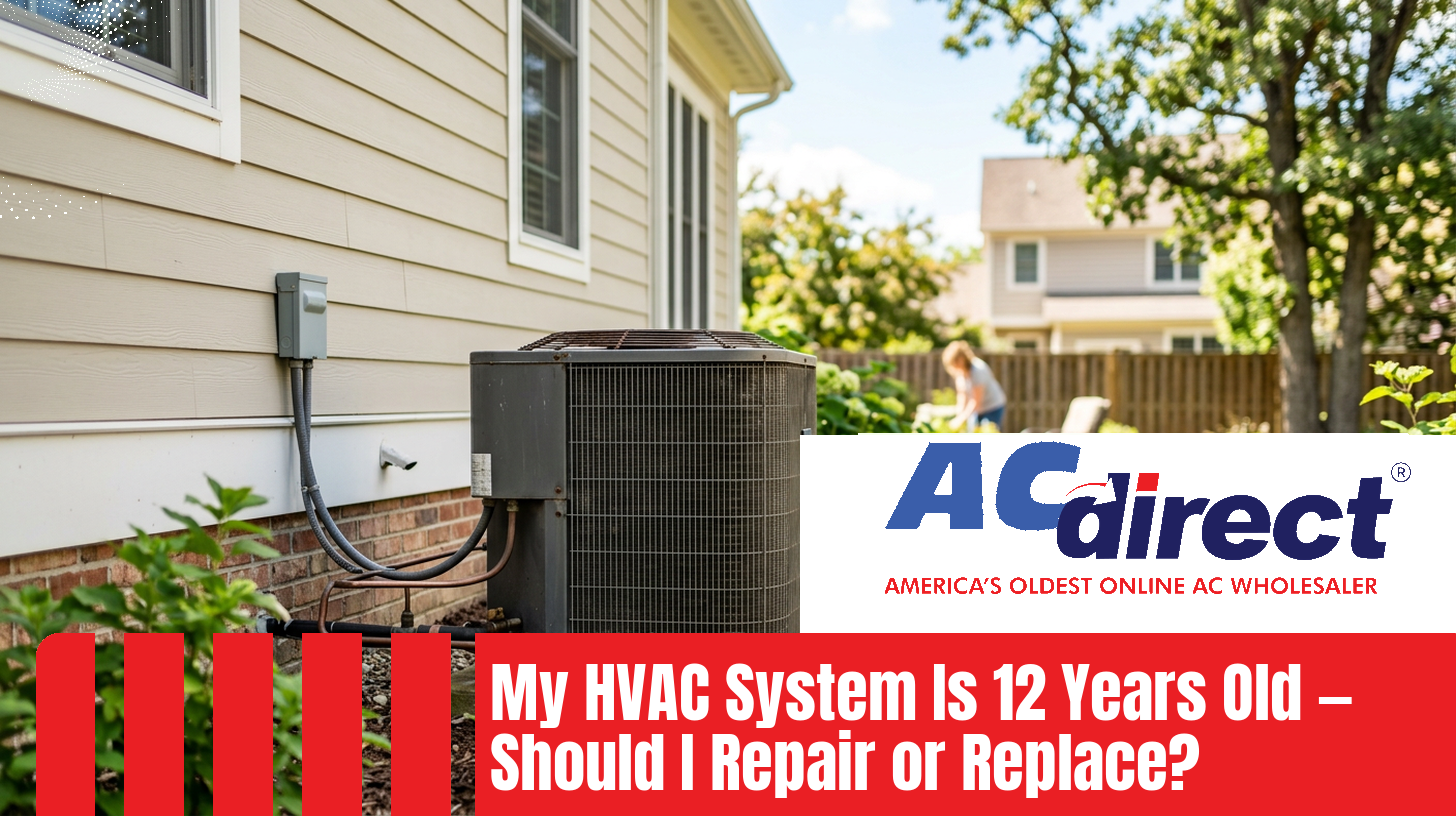
The amperage requirements of your heat pump are typically listed on the unit's nameplate. This plate is usually located on the outdoor unit and contains vital information, including the minimum circuit ampacity (MCA) and maximum overcurrent protection (MOCP).
What happens if my electrical panel can't handle the amperage of a new heat pump?
If your electrical panel cannot handle the amperage of a new heat pump, it could lead to tripped breakers, flickering lights, and potentially dangerous situations like electrical fires. In this case, you would need to upgrade your electrical panel to accommodate the additional load.
Is a higher SEER rating directly related to lower amperage draw in heat pumps?
Generally, heat pumps with higher SEER (Seasonal Energy Efficiency Ratio) ratings tend to be more energy-efficient and may draw fewer amps compared to less efficient models. However, amperage draw also depends on factors like unit size and operating conditions, so comparing the actual amp ratings is important.
Should I hire an electrician to install my heat pump?
Yes, it's highly recommended to hire a qualified and licensed electrician to handle the electrical connections for your heat pump installation. They can ensure the wiring is correctly sized, the circuit breaker is appropriate, and the installation meets all safety codes.
Final Thoughts
Understanding heat pump amps is essential for ensuring safe and efficient operation. By considering the factors that affect amperage draw, calculating your needs, and addressing any electrical panel limitations, you can make informed decisions about heat pump installation. Remember, professional installation is crucial for electrical safety and code compliance.
Don't hesitate to consult with a qualified HVAC technician and a licensed electrician to assess your specific needs and ensure a smooth and safe installation process. Taking the time to understand these electrical requirements upfront can save you from headaches and costly problems down the road.
At AC Direct, we're committed to providing you with the information and resources you need to make the best choices for your home comfort needs. I hope this post has been helpful in clarifying the complexities of heat pump amperage.