 and now, NASCAR Racing Sponsor


HVAC Air Coils: Understanding Their Role in Cooling
-
 By
Michael Haines
By
Michael Haines
- Mar 21, 2024
Hi, I'm Mike Haines, founder of AC Direct. I want to talk to you about HVAC air coils. Many homeowners don't give these components a second thought, but they're crucial for keeping your home comfortable. I'll walk you through everything you need to know about air coils, from what they are and how they work to maintenance and replacement. This information will help you make informed decisions about your HVAC system.
Key Highlights
- HVAC air coils are essential components responsible for both cooling and heating in your home.
- Regular maintenance, including professional cleaning, can significantly extend the lifespan and improve the efficiency of your air coils.
- Recognizing the signs of a failing air coil early can prevent costly repairs and ensure consistent comfort.
- Choosing the right type of air coil for your system and climate is crucial for optimal performance and energy savings.
- Replacing damaged or inefficient air coils can lead to noticeable improvements in your HVAC system's overall efficiency and lower energy bills.
What Are HVAC Air Coils?
HVAC air coils are vital components within your heating, ventilation, and air conditioning system. These coils facilitate the heat transfer process that allows your system to either cool or heat the air circulating through your home. They're essentially heat exchangers, designed to maximize the surface area for efficient heat transfer.
The Role of Evaporator and Condenser Coils in Your HVAC System
Your HVAC system relies on two main types of air coils: evaporator coils and condenser coils. The evaporator coil is located inside your home, typically within your air handler. Its job is to absorb heat from the air that's blown across it, cooling the air before it's circulated back into your living space. Refrigerant flowing through the coil absorbs the heat, turning from a liquid into a gas in the process.
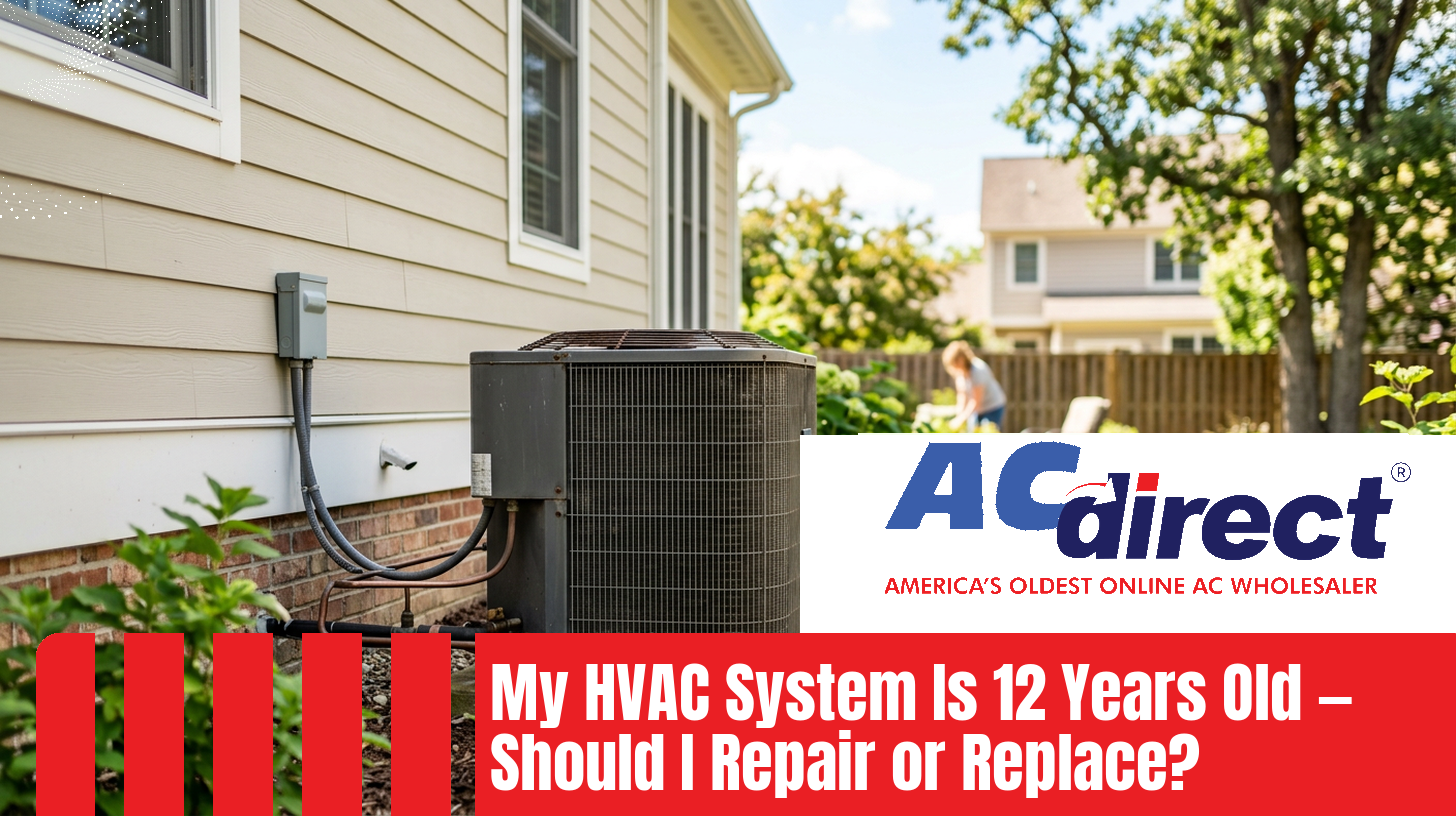
The condenser coil, on the other hand, is located outside, usually within the outdoor unit of your air conditioner or heat pump. It releases the heat absorbed by the evaporator coil. The hot refrigerant gas flows into the condenser coil, where it's cooled and converted back into a liquid, releasing heat into the outside air. This cycle continues, providing continuous cooling to your home.
Why Air Coils Are Essential for Home Comfort and Efficiency
Without properly functioning air coils, your HVAC system simply can't do its job effectively. Damaged or dirty coils reduce the system's ability to transfer heat, leading to decreased cooling or heating performance. This means your system has to work harder to maintain the desired temperature, resulting in higher energy bills. Inefficient air coils can also cause uneven temperatures throughout your home, impacting your overall comfort.
Types of HVAC Air Coils: A Homeowner's Guide
There are several different types of HVAC air coils, each designed for specific applications and system configurations. Here are some of the most common types:
- Standard Copper Tube/Aluminum Fin Coils: These are the most common type, known for their good heat transfer properties and affordability.
- Microchannel Coils: These coils use a flat tube design with multiple small channels for refrigerant flow, offering improved efficiency and reduced refrigerant charge.
- All-Aluminum Coils: These coils are corrosion-resistant and can be a good choice in coastal environments.
- Coated Coils: These coils have a protective coating to resist corrosion and extend their lifespan, especially in harsh environments.
Signs of a Failing HVAC Air Coil
Recognizing the signs of a failing air coil can help you address the problem early and prevent more extensive damage to your HVAC system. Some common signs include:
- Reduced cooling or heating capacity
- Higher than normal energy bills
- Refrigerant leaks
- Ice buildup on the coil
- Unusual noises coming from your HVAC unit
- Musty or moldy odors
If you notice any of these signs, it's important to have your system inspected by a qualified HVAC technician.
How to Choose the Right Air Coil for Your HVAC System
Choosing the right air coil is crucial for optimal performance and efficiency. The correct size coil is matched to the BTU of the air conditioning unit Ac ton calculator. Here are some factors to consider when selecting an air coil:
- System Compatibility: Ensure the coil is compatible with your existing HVAC system in terms of size, refrigerant type, and airflow requirements.
- Climate: Consider your local climate. In coastal areas, corrosion-resistant coils are a must.
- Efficiency: Look for coils with high energy efficiency ratings to minimize energy consumption.
- Durability: Choose a coil made from high-quality materials that can withstand the demands of your HVAC system.
HVAC Air Coil Maintenance Tips for Longevity
Proper maintenance is key to extending the lifespan of your air coils and ensuring optimal performance. Here are some tips to keep your coils in good condition:
- Regular Filter Changes: Changing your air filters regularly prevents dust and debris from accumulating on the coils.
- Professional Cleaning: Schedule professional coil cleaning at least once a year.
- Inspect for Leaks: Regularly inspect the coils for any signs of refrigerant leaks.
- Keep the Area Clear: Ensure the area around the outdoor unit is free from obstructions that could restrict airflow.
Air Coil Cleaning: DIY vs. Professional Services
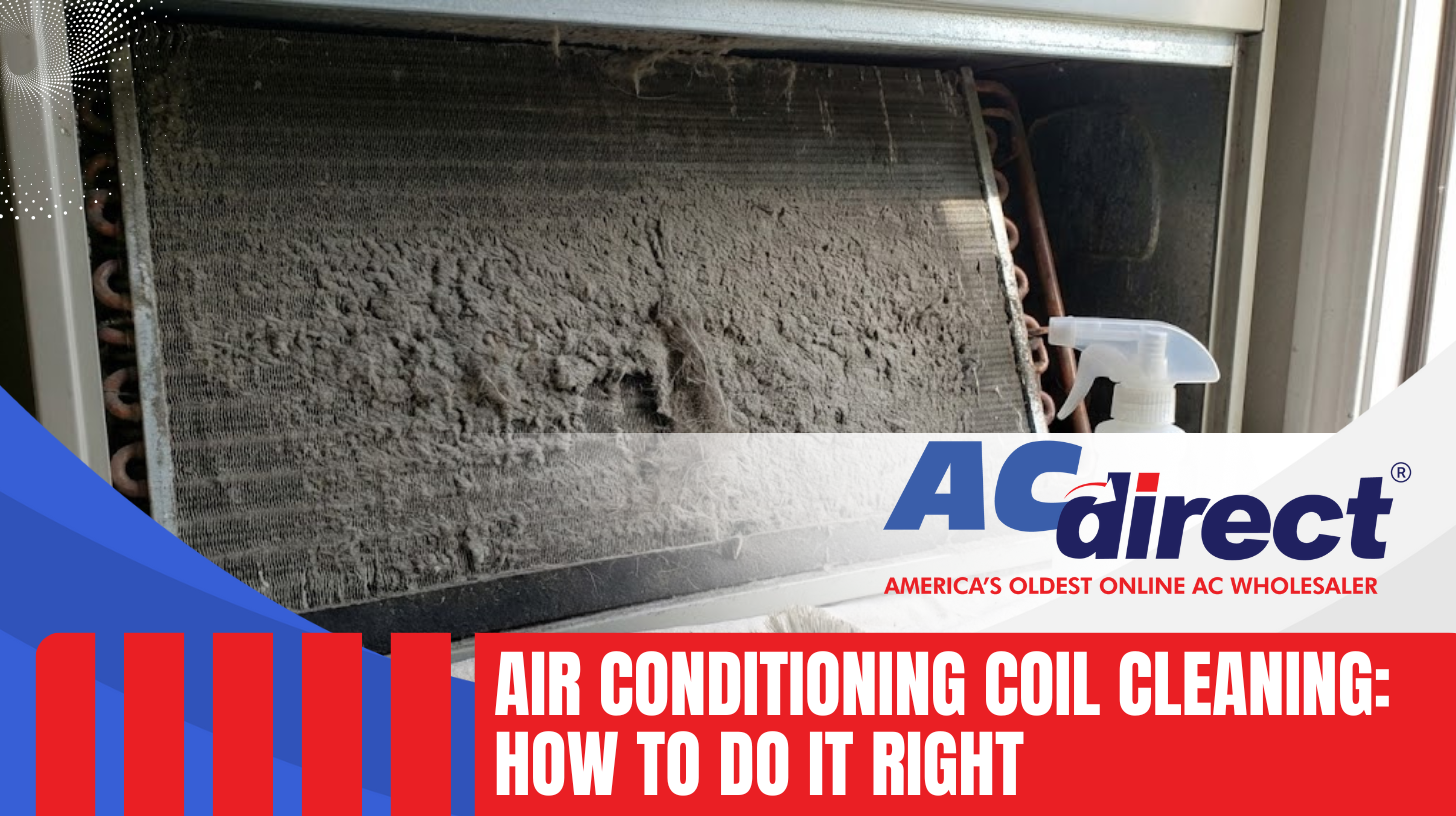
While you can clean the exterior of your air coils yourself using a soft brush and a mild detergent solution, it's generally best to leave the interior cleaning to a professional. Professional cleaning involves specialized tools and techniques to remove dirt, debris, and mold from deep within the coil. This ensures a thorough cleaning without damaging the delicate fins.
The Cost of Air Coil Replacement: Factors and Considerations
The cost of air coil replacement can vary depending on several factors, including:
- Type of Coil: Microchannel coils and coated coils tend to be more expensive than standard copper/aluminum coils.
- Brand: The brand of the coil can also affect the price.
- Labor Costs: Labor costs vary depending on your location and the complexity of the installation.
- Refrigerant Costs: If your system uses R-22 refrigerant, you may want to consider a Whole house ac system that uses modern refrigerants.
It's always a good idea to get quotes from several HVAC professionals to compare prices and services before making a decision. You can compare ACs by tonnage and square footage Square footage per ton of ac.
Improving Energy Efficiency with Proper Air Coil Maintenance
Proper air coil maintenance can significantly improve your HVAC system's energy efficiency. Clean coils allow for better heat transfer, reducing the workload on your system and lowering your energy bills. Regular maintenance can also prevent costly repairs and extend the lifespan of your equipment. In fact, the U.S. power grid benefits from efficient HVAC systems Calpine.
Troubleshooting Common Air Coil Problems
Here are some common air coil problems and how to troubleshoot them:
- Ice Buildup: This can be caused by restricted airflow, low refrigerant levels, or a malfunctioning defrost system. Check your air filters and consider calling a professional.
- Refrigerant Leaks: Refrigerant leaks can cause reduced cooling performance and higher energy bills. A professional HVAC technician can locate and repair the leak.
- Dirty Coils: Dirty coils can restrict airflow and reduce heat transfer. Clean the coils regularly to maintain optimal performance.
When to Call a Professional for Air Coil Repair or Replacement
While some minor air coil maintenance tasks can be done yourself, it's important to call a professional for any major repairs or replacements. A qualified HVAC technician has the knowledge, skills, and tools to diagnose and fix air coil problems safely and effectively. They can also ensure that the new coil is properly installed and that your system is operating at peak performance.
Extending the Life of Your HVAC System Through Coil Care
Taking care of your HVAC air coils is an investment in the longevity of your entire system. By following the maintenance tips outlined above and addressing any problems promptly, you can extend the lifespan of your equipment, reduce your energy bills, and enjoy consistent comfort in your home.
Frequently Asked Questions
What is the difference between an evaporator coil and a condenser coil?
The evaporator coil absorbs heat from inside your home, cooling the air. The condenser coil releases that heat outside, allowing the cooling process to continue. They work together to provide effective air conditioning.
How often should I clean my HVAC air coils?
It's generally recommended to have your air coils inspected and cleaned by a professional at least once a year, preferably before the start of the cooling season. This ensures optimal performance and energy efficiency.
What are the signs of a bad HVAC air coil?
Signs include reduced cooling or heating performance, higher energy bills, refrigerant leaks, ice buildup on the coil, and unusual noises coming from your HVAC unit. If you notice any of these, it's best to have a professional inspect your system.
Can I clean my HVAC air coils myself?
While you can clean the exterior of the coils, cleaning the interior requires specialized tools and knowledge. It's generally best to leave this task to a qualified HVAC technician to avoid damaging the coils or your system.
How much does it cost to replace an HVAC air coil?
The cost of air coil replacement can vary depending on the type of coil, the brand, and the labor costs in your area. It's best to get quotes from several HVAC professionals to compare prices and services.
Will replacing my air coils improve my HVAC system's efficiency?
Yes, if your old coils are damaged or inefficient, replacing them with new, properly sized coils can significantly improve your system's efficiency and lower your energy bills.
Final Thoughts
HVAC air coils are essential for maintaining a comfortable and energy-efficient home. Understanding their function, recognizing the signs of a failing coil, and following proper maintenance practices can save you money and extend the life of your HVAC system. Regular maintenance is key.
Don't underestimate the importance of professional maintenance and timely repairs. Addressing air coil problems promptly can prevent more extensive damage and ensure your system is running at its best. Take care of those coils!
I hope this has given you a solid understanding of HVAC air coils. By making informed decisions, you can optimize your HVAC system for years to come. If you have questions, reach out to the AC Direct team for help.