 and now, NASCAR Racing Sponsor


HVAC Coil Cleaning: How To Improve Efficiency
-
 By
Michael Haines
By
Michael Haines
- Mar 26, 2024
Hi, I'm Mike Haines, founder of AC Direct. I've spent years helping homeowners understand the ins and outs of their HVAC systems. One component that often gets overlooked is the HVAC coil. In this post, I'll walk you through what HVAC coils are, why they're important, how to maintain them, and when it might be time for a replacement. This information is for homeowners who want to keep their systems running efficiently and avoid costly repairs.
Key Highlights
- HVAC coils are essential for heat transfer, enabling your air conditioner to cool your home.
- Regular cleaning and maintenance of HVAC coils can significantly improve energy efficiency and reduce utility bills.
- Identifying common problems like refrigerant leaks and frozen coils early can prevent major damage and costly repairs.
- Deciding whether to repair or replace an HVAC coil depends on the age and condition of your system; professional advice is recommended.
What is an HVAC Coil and How Does it Work?
The HVAC coil is a critical component in your air conditioning and heat pump system. Its primary function is to facilitate heat transfer. There are two main types of coils: evaporator coils and condenser coils. The evaporator coil is located inside your air handler, and it absorbs heat from the indoor air. Refrigerant flowing through the coil evaporates as it absorbs this heat, cooling the air that is then circulated through your home. The condenser coil, on the other hand, is located in the outdoor unit. It releases the heat absorbed by the evaporator coil to the outside air.
The Importance of HVAC Coils in Your Home's Comfort
Without properly functioning HVAC coils, your air conditioner simply cannot do its job. If the coils are dirty, damaged, or leaking, your system's ability to cool your home will be significantly reduced. This can lead to uncomfortable temperatures, higher energy bills, and increased strain on other components of your HVAC system. Keeping your coils in good condition is essential for maintaining consistent comfort and efficient operation.
Types of HVAC Coils: Evaporator vs. Condenser Coils
As I mentioned earlier, there are two main types of HVAC coils: evaporator and condenser coils. The evaporator coil is responsible for absorbing heat from your indoor air. It’s usually made of copper or aluminum and has fins to increase its surface area for better heat absorption. The condenser coil, located outside, releases the heat absorbed by the evaporator coil. It also features fins to maximize heat dissipation. Understanding the difference between these coils is crucial because they experience different types of wear and tear and require different maintenance approaches.
Common HVAC Coil Problems and How to Identify Them
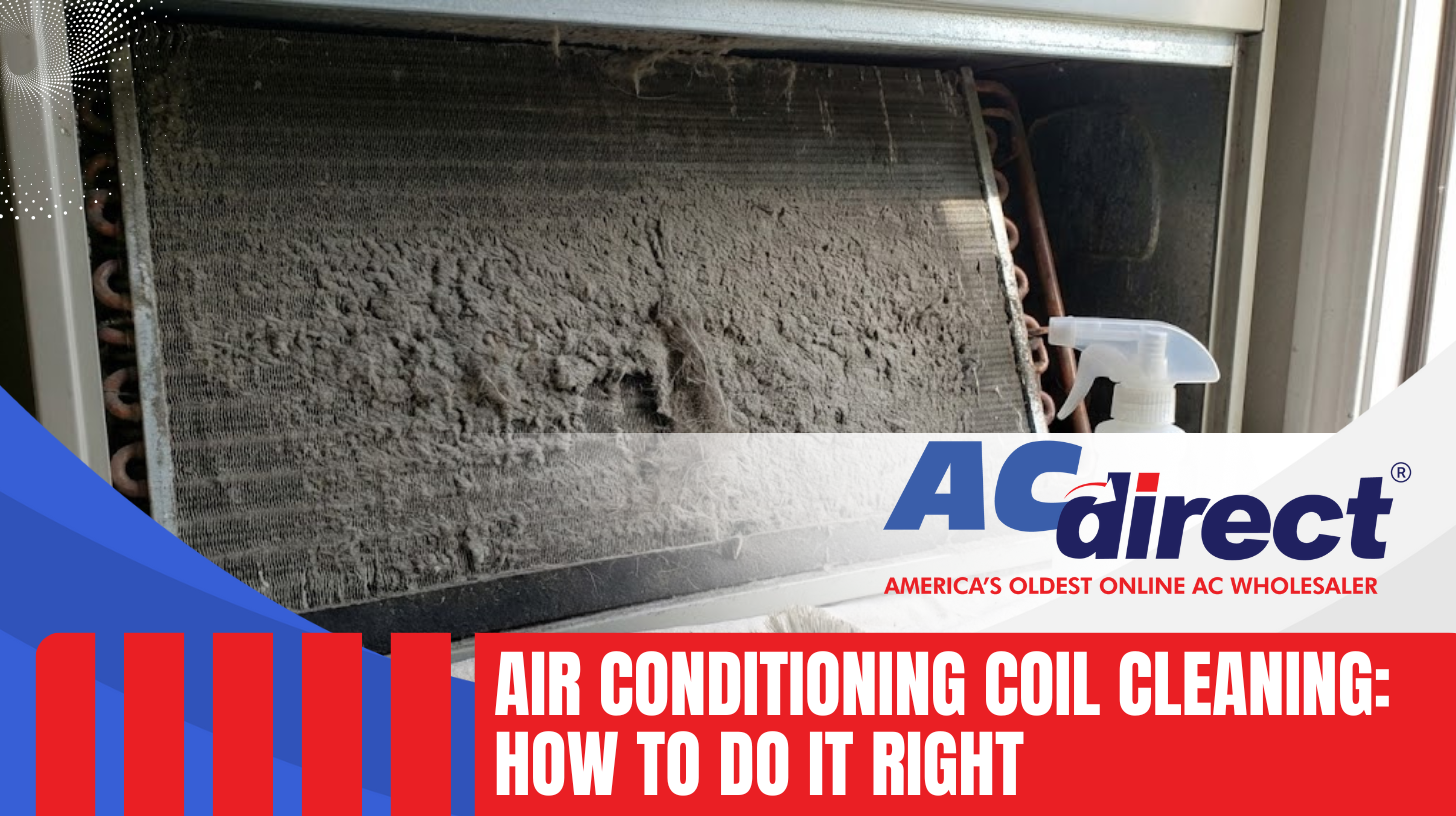
Several problems can affect HVAC coils, reducing their efficiency and potentially causing system failure. One of the most common issues is dirt and debris buildup. Over time, dust, pollen, and other particles can accumulate on the coil surfaces, insulating them and hindering their ability to transfer heat. This can cause your system to work harder, consume more energy, and provide less cooling. Another common problem is physical damage, such as bent fins or corrosion, which can also impair coil performance. Keep an eye out for these issues to catch them early.
Refrigerant Leaks: A Major Coil Concern
Refrigerant leaks are a serious concern when it comes to HVAC coils. Refrigerant is the substance that absorbs and releases heat in your air conditioning system. If a coil develops a leak, refrigerant will escape, reducing the system's cooling capacity. Signs of a refrigerant leak include reduced cooling performance, ice buildup on the coil, a hissing sound coming from the unit, and a noticeable increase in your energy bills. If you suspect a refrigerant leak, it's important to call a qualified HVAC technician to locate and repair the leak and recharge the system.
Frozen HVAC Coils: Causes and Solutions
A frozen HVAC coil is another common problem that can occur. This happens when the evaporator coil gets too cold, causing moisture to freeze on its surface. The ice buildup restricts airflow and further reduces the coil's ability to absorb heat. Common causes of frozen coils include low refrigerant levels, a dirty air filter restricting airflow, a malfunctioning blower motor, or problems with the defrost system. If you notice ice on your indoor unit, turn off the system immediately and call a technician to diagnose and fix the problem. Remember that a 1.5 ton ac unit square footage might not be enough for a larger home, causing the AC to run constantly and potentially freeze the coil.
How to Choose the Right HVAC Coil for Your System
If you need to replace your HVAC coil, it's important to choose the right one for your system. The new coil must be compatible with your existing unit in terms of size, capacity, and refrigerant type. Consult with an HVAC professional to determine the correct coil for your system and to ensure proper installation. Selecting the wrong coil can lead to performance issues, reduced efficiency, and even damage to your equipment. Factors to consider include the coil's material (copper vs. aluminum), its surface area, and its SEER (Seasonal Energy Efficiency Ratio) rating.
HVAC Coil Replacement: When is it Necessary?
Deciding whether to repair or replace an HVAC coil can be a tough call. If the coil is relatively new and the damage is minor, a repair might be a cost-effective solution. However, if the coil is old, corroded, or has multiple leaks, a replacement is usually the better option. In some cases, it might even be more economical to replace the entire HVAC system, especially if it's nearing the end of its lifespan. I often see homeowners struggle with this decision, and my advice is to get a professional assessment to weigh the pros and cons of each option. Maybe consider an Electric furnace with ac if your entire system is old and needs replacing.
Factors Affecting HVAC Coil Cost: Materials and Labor
The cost of an HVAC coil replacement can vary depending on several factors. The type of coil (evaporator or condenser), its size and capacity, the material it's made from (copper or aluminum), and the complexity of the installation all play a role. Copper coils tend to be more expensive than aluminum coils due to their superior heat transfer properties and durability. Labor costs can also vary depending on the HVAC contractor you choose and the amount of time required to complete the job. Be sure to get multiple quotes and compare prices before making a decision. Keep in mind that larger homes needing a higher capacity AC like a 2.5 ton ac square feet will likely have more expensive coils.
HVAC Coil Maintenance Tips for Longevity
Proper maintenance is key to extending the life of your HVAC coil and ensuring efficient operation. Regularly inspect the coil for dirt, debris, and damage. Clean the coil at least once a year, or more frequently if you live in a dusty environment or have pets. Make sure to change your air filter regularly to prevent dust and debris from accumulating on the coil. Also, schedule regular professional maintenance to catch any potential problems early.
Improving Energy Efficiency with a Clean HVAC Coil
A clean HVAC coil is essential for maximizing energy efficiency. When the coil is dirty, your system has to work harder to transfer heat, consuming more energy and increasing your utility bills. Studies show that cleaning your HVAC coil can improve energy efficiency by as much as 10% to 20%. That can translate into significant savings over the course of a year. Regular cleaning not only improves efficiency but also prolongs the life of your equipment.
When to Call a Professional for HVAC Coil Service
While some HVAC maintenance tasks can be done yourself, coil cleaning and repairs are often best left to the professionals. HVAC technicians have the expertise, tools, and equipment to properly clean and service your coils without causing damage. They can also identify and fix refrigerant leaks, diagnose complex problems, and ensure that your system is operating safely and efficiently. If you're not comfortable working with HVAC equipment or if you suspect a serious problem, it's always best to call a professional.
DIY vs. Professional HVAC Coil Cleaning: Pros and Cons
Deciding whether to clean your HVAC coil yourself or hire a professional depends on your comfort level and DIY skills. DIY coil cleaning can save you money, but it also carries the risk of damaging the coil if not done properly. Professional cleaning ensures a thorough job and can identify potential problems that you might miss. Professionals also have access to specialized cleaning solutions and equipment that can effectively remove stubborn dirt and debris. If you choose to clean the coil yourself, be sure to follow the manufacturer's instructions and take all necessary safety precautions. Always turn off the power to the unit before starting any work.
Extending the Life of Your HVAC Coil: Best Practices
To extend the life of your HVAC coil, follow these best practices:
- Regularly change your air filter to prevent dust and debris from accumulating on the coil.
- Clean the coil at least once a year, or more frequently if needed.
- Schedule regular professional maintenance to catch any potential problems early.
- Protect the outdoor unit from direct sunlight and debris.
- Ensure proper ventilation around the unit to promote efficient airflow.
Choosing a Reputable HVAC Contractor for Coil Services
When hiring an HVAC contractor for coil services, it's important to choose a reputable and experienced company. Look for contractors who are licensed, insured, and have positive reviews from other customers. Ask for references and check their credentials before hiring them. A good contractor will be able to accurately diagnose the problem, provide a clear explanation of the necessary repairs, and offer a fair price. Jacksonville residents can verify licenses and check records at the Jacksonville Energy Authority Corporate.
Frequently Asked Questions
What is the main function of an HVAC coil?
HVAC coils play a vital role in the heat exchange process within your system. The evaporator coil's job is to absorb heat from the air inside your house, which cools the air. On the flip side, the condenser coil releases the heat it collected to the outside air. This is how your home stays at the temperature you set.
How do I know if my HVAC coil is leaking refrigerant?
If your coil is leaking refrigerant, you'll probably notice that your AC isn't cooling as well as it used to. You might also hear a hissing sound near the unit, or see ice building up on the coil. Another sign is that your energy bills are higher than normal. If you spot these issues, it's time to call an HVAC pro to find and fix the leak.
What causes an HVAC coil to freeze?
An HVAC coil can freeze up for a few reasons. Often, it's because the refrigerant level is low, or the airflow is blocked by a dirty air filter. A blower motor that's not working right or a problem with the defrost system can also cause the coil to freeze. Getting these problems sorted out quickly can keep the coil from getting damaged.
How often should I clean my HVAC coil?
Ideally, you should clean your HVAC coil once a year. If you have pets or live in a dusty area, you might want to clean it more often. Keeping the coil clean helps your system run efficiently and prevents damage.
Is it worth replacing my HVAC coil, or should I replace the entire system?
Deciding whether to replace just the coil or the whole system depends on a few things, like how old your system is and what condition it's in. If your system is old and not very efficient, replacing the whole thing might save you money in the long run. It's a good idea to talk to an HVAC expert to get their opinion on the best way to go.
Final Thoughts
HVAC coils are a vital, yet often overlooked, part of your home's heating and cooling system. Understanding how they work, recognizing potential problems, and performing regular maintenance can significantly improve your system's efficiency and longevity. Whether you choose to tackle some maintenance tasks yourself or rely on a professional, the key is to stay proactive and address any issues promptly.
By taking good care of your HVAC coils, you can enjoy consistent comfort, lower energy bills, and a more reliable HVAC system. Remember to choose a reputable HVAC contractor for any major repairs or replacements to ensure the job is done correctly and safely.
I hope this has given you a solid understanding of HVAC coils. If you have any questions or need help finding the right components for your system, don't hesitate to reach out to us at AC Direct. We're here to help you make informed decisions and keep your home comfortable year-round.