 and now, NASCAR Racing Sponsor


HVAC Coil and Blower: Understanding Their Role in Home Comfort
-
 By
Michael Haines
By
Michael Haines
- Mar 27, 2024
Hi, I'm Mike Haines, founder of AC Direct. A lot of homeowners don't give much thought to the inner workings of their HVAC systems, but understanding key components like the coil and blower can really empower you to make smart decisions about home comfort. This information is for you, the homeowner, to better understand how your system works and what to look for when considering replacements or upgrades.
Key Highlights
- HVAC coils facilitate heat transfer, with evaporator coils absorbing heat and condenser coils releasing it.
- The blower motor circulates air throughout your home, ensuring even heating and cooling.
- Matching your coil and blower is crucial for optimal system performance and efficiency.
- Regular maintenance, including coil cleaning, is essential for prolonging the life of your HVAC system.
- Upgrading to an ECM blower motor can improve energy efficiency and comfort.
What are HVAC Coils and Blowers?
HVAC coils and blowers are two of the most important components in your home's heating and cooling system. The coil is responsible for the actual heating or cooling of the air, while the blower moves that air throughout your home.
The Role of the Coil in Heating and Cooling
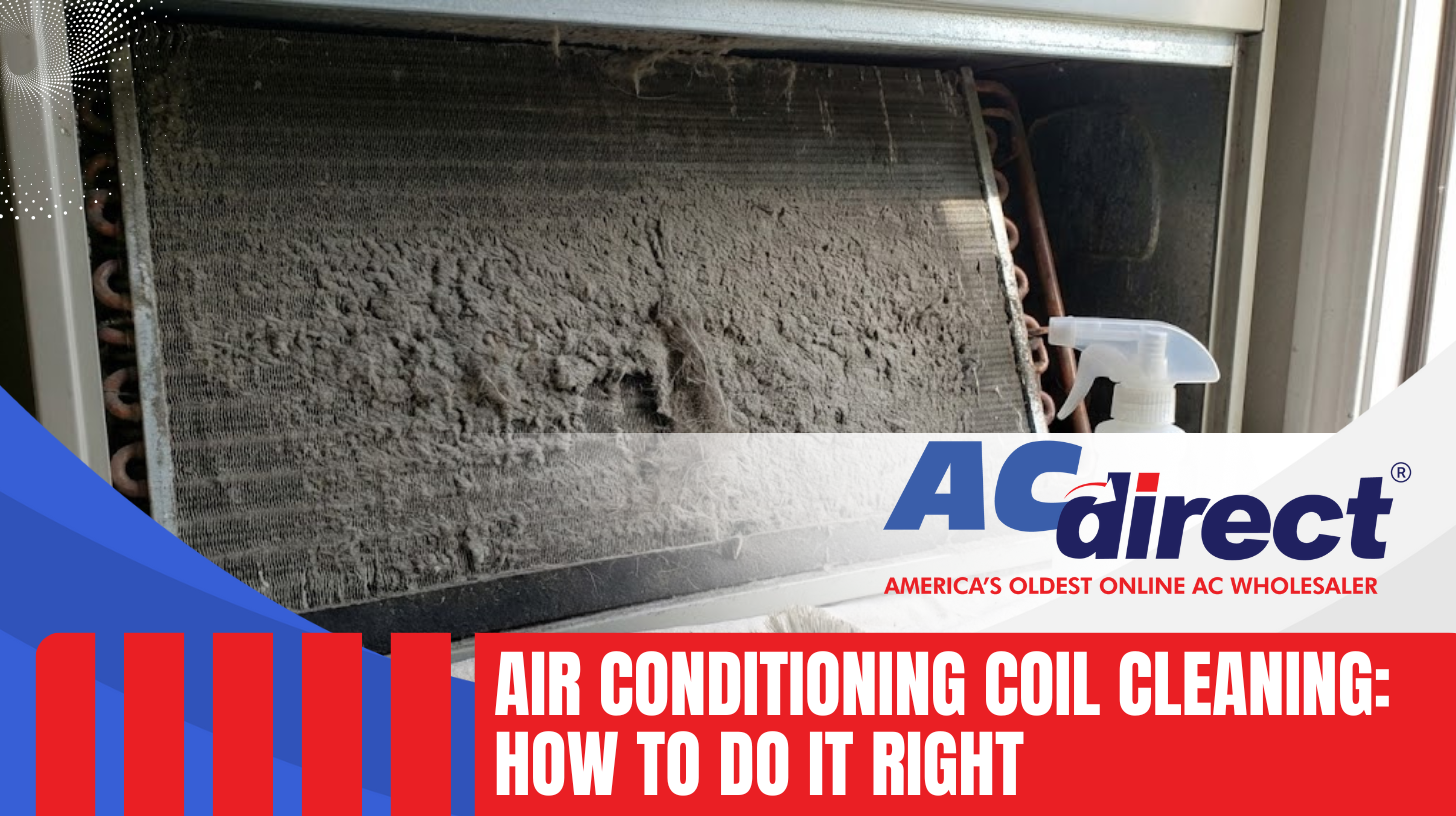
The HVAC coil is where the magic happens in terms of temperature change. There are two main types: the evaporator coil and the condenser coil. The evaporator coil is located inside your home, usually within the air handler or attached to your furnace. It absorbs heat from the air in your home, cooling it down. In contrast, the condenser coil is located outside in the outdoor unit. It releases the heat that was absorbed by the evaporator coil. Without these coils, your air conditioner or heat pump simply wouldn't be able to do its job.
The Role of the Blower in Airflow
The blower's job is to move air across the coil and then circulate that conditioned air throughout your home's ductwork. It's essentially a large fan powered by a motor. The blower pulls air from your home through return vents, pushes it across the coil to be heated or cooled, and then sends it back out through your supply vents. A properly functioning blower is essential for even temperature distribution and overall comfort.
Why Coil and Blower Matching Matters
Matching your coil and blower is critical for optimal performance and efficiency. If the coil and blower aren't properly matched, you could experience a number of problems, including reduced cooling or heating capacity, increased energy bills, and even premature failure of components. An incorrectly sized blower can put extra strain on the coil, leading to leaks or other damage. When selecting a new system, make sure the coil and blower are designed to work together.
Types of HVAC Coils A Homeowner's Guide
While the basic function of HVAC coils is the same, there are different types available. These include:
- A-Coils: These are the most common type, named for their A-shape. They offer a good balance of surface area and airflow.
- Slab Coils: These are flat and rectangular. They are often used in older systems or in situations where space is limited.
- Microchannel Coils: These are a newer technology that uses a series of small channels to improve heat transfer. They are often more efficient than traditional coils.
The type of coil you need will depend on your specific system and needs. When in doubt, consult with a qualified HVAC technician.
Types of HVAC Blowers ECM vs. Standard
There are two main types of HVAC blowers: standard blowers and ECM (Electronically Commutated Motor) blowers. Standard blowers operate at a fixed speed, while ECM blowers can adjust their speed based on the heating and cooling demand. ECM blowers offer several advantages, including:
- Improved Energy Efficiency: ECM blowers use significantly less energy than standard blowers, which can lower your utility bills.
- More Consistent Airflow: ECM blowers can maintain a more consistent airflow, even when the ductwork is restrictive.
- Quieter Operation: ECM blowers are generally quieter than standard blowers.
While ECM blowers are more expensive upfront, the long-term energy savings can often offset the higher cost. If you have an older system, you might consider a Air conditioner and furnace combo with an ECM blower for increased efficiency.
Choosing the Right Coil and Blower for Your System
Selecting the right coil and blower for your HVAC system can be tricky. It's not a one-size-fits-all situation. Several factors need consideration. These include the size of your home, your climate, and your budget. It's crucial to ensure that the coil and blower are properly sized for your home's square footage and insulation levels. Too small, and your system will struggle to keep up. Too large, and you'll waste energy and potentially experience short cycling. I always recommend consulting with a professional HVAC technician who can perform a load calculation to determine the correct size for your needs. You can also learn more about Heating and cooling sizing on our website.
Signs You Need a New Coil or Blower
Knowing when to replace your coil or blower can save you money and prevent major system failures. Here are some common signs that it's time for a replacement:
- Reduced Cooling or Heating Performance: If your system isn't keeping your home as comfortable as it used to, it could be a sign of a failing coil or blower.
- Unusual Noises: Strange noises coming from your HVAC unit, such as banging, rattling, or squealing, could indicate a problem with the blower motor or coil.
- Increased Energy Bills: A sudden spike in your energy bills without a change in usage could be a sign that your system is working harder to compensate for a failing component.
- Visible Damage: Inspect the coil for signs of corrosion, leaks, or physical damage. Check the blower for worn belts or damaged fan blades.
If you notice any of these signs, it's best to have your system inspected by a qualified HVAC technician.
Coil and Blower Replacement Costs What to Expect
The cost of replacing an HVAC coil or blower can vary depending on several factors, including the type of equipment, the brand, and the labor costs in your area. Generally, coil replacement can range from a few hundred to over a thousand dollars, while blower replacement can cost anywhere from a few hundred to several thousand dollars for an ECM model. Keep in mind that these are just estimates, and the actual cost may be higher or lower depending on your specific situation. It’s always a good idea to get multiple quotes from different HVAC contractors before making a decision. For those in Southern California, it's worth checking if there are any rebates or incentives available, such as through Los Angeles DWP Corporate.
Maintenance Tips for Optimal Coil and Blower Performance
Proper maintenance is essential for prolonging the life of your HVAC coil and blower and ensuring optimal performance. Here are some tips:
- Regularly Change Your Air Filter: A dirty air filter restricts airflow, which can put extra strain on the blower motor and cause the coil to ice up. I recommend changing your filter every 1-3 months, depending on the type of filter and the air quality in your home.
- Keep the Outdoor Unit Clean: Remove any debris, such as leaves, grass clippings, and branches, from around the outdoor unit. This will ensure proper airflow and prevent the coil from overheating.
- Schedule Regular Professional Maintenance: Have your HVAC system inspected and tuned up by a qualified technician at least once a year. They can clean the coil, check the refrigerant levels, and identify any potential problems before they become major issues.
These simple maintenance tasks can help keep your system running smoothly and efficiently for years to come. If you live in a Manufactured home ac, regular maintenance is especially important due to the unique challenges of those homes.
Improving Energy Efficiency with the Right Coil and Blower
Upgrading to a more energy-efficient coil and blower can significantly reduce your energy consumption and lower your utility bills. Look for models with high SEER (Seasonal Energy Efficiency Ratio) and HSPF (Heating Seasonal Performance Factor) ratings. As I mentioned earlier, an ECM blower motor can also make a big difference in energy efficiency. In addition, consider sealing any air leaks in your ductwork to prevent conditioned air from escaping. Even small leaks can add up over time and waste a significant amount of energy.
How to Find a Qualified HVAC Technician for Coil and Blower Services
Finding a qualified HVAC technician is crucial for ensuring that your coil and blower are properly installed, repaired, or replaced. Here are some tips for finding a reputable technician:
- Ask for Referrals: Ask friends, family, and neighbors for recommendations.
- Check Online Reviews: Read online reviews on sites like Google, Yelp, and the Better Business Bureau.
- Verify Licensing and Insurance: Make sure the technician is properly licensed and insured.
- Get Multiple Quotes: Get quotes from several different technicians before making a decision.
Don't be afraid to ask questions and check references before hiring someone to work on your HVAC system.
Frequently Asked Questions
What is the purpose of the HVAC coil?
The HVAC coil, whether it's the evaporator coil or the condenser coil, plays a key role in the heat transfer process. The evaporator coil absorbs heat from the air inside your house, providing cooling. The condenser coil releases the heat outside. This is how both cooling and heating (in heat pump systems) work.
What does the blower motor do in an HVAC system?
The blower motor's job is to circulate air all through your house. It forces air across the coil, which heats or cools it, and then sends that air through your ductwork and vents.
How do I know if my HVAC coil is failing?
If your HVAC coil is failing, you might see things like reduced cooling or heating, refrigerant leaks, ice buildup on the coil, or strange noises from your HVAC unit. To be sure, have a professional take a look.
What are the benefits of an ECM blower motor?
ECM (Electronically Commutated Motor) blowers use less energy than standard blower motors. They can change speeds, which means more consistent airflow and better comfort. They can also save you money on your energy bills.
How often should I have my HVAC coil cleaned?
I usually recommend having your HVAC coil cleaned by a professional at least once a year. Cleaning it regularly helps it work its best, saves energy, and prevents problems down the road.
Final Thoughts
The HVAC coil and blower are essential components of your home's comfort system. Understanding their roles, the different types available, and the importance of proper maintenance can help you make informed decisions about your HVAC system. Regular maintenance and timely repairs can extend the life of your system and ensure optimal performance.
Choosing the right coil and blower for your home is a significant investment, so take your time and do your research. Consider your budget, energy efficiency goals, and the specific needs of your home. Consulting with a qualified HVAC technician can provide valuable guidance and ensure that you make the best choice for your situation.
At AC Direct, we're committed to providing you with the information and resources you need to make smart HVAC purchase decisions. We encourage you to explore our website and contact us with any questions you may have.