 and now, NASCAR Racing Sponsor


What HVAC Features Are Best for Hot and Dry Climates?
-
 By
Michael Haines
By
Michael Haines
- Aug 2, 2024

Written by Michael Haines 08/02 As we continue to experience rising global temperatures, the importance of selecting the right HVAC system for your specific climate has never been more critical. For those living in hot and dry regions—whether in the American Southwest, parts of Australia, or the Middle East—the challenges of maintaining a comfortable indoor environment can be particularly daunting. With relentless heat, low humidity, and the constant threat of dust storms, your HVAC system needs to be more than just effective.
Your HVAC must be resilient and efficient. Here we’ll explore the essential features your HVAC system should have to not only survive but thrive in these extreme conditions. From energy efficiency to advanced dehumidification, we’ll cover the key aspects you need to consider to ensure your home remains a cool and comfortable haven, regardless of the blistering heat outside.
Challenges of Hot and Dry Climates
Before diving into the specific HVAC features that are best suited for hot and dry climates, it’s important to understand the particular challenges posed by these environments:
High Temperatures
In hot climates, temperatures can easily exceed 100°F (38°C) during the day and remain high even at night. This constant heat puts significant strain on air conditioning systems, which must work harder to maintain comfortable indoor temperatures.
Low Humidity
While low humidity can reduce the discomfort of heat, it can also lead to issues such as dry skin, respiratory problems, and static electricity. Moreover, excessively dry air can damage wood furniture, flooring, and musical instruments.
Dust and Debris
Arid environments are often prone to dust storms and high levels of airborne particulates. These particles can infiltrate HVAC systems, leading to clogs, reduced efficiency, and increased wear and tear on the system components.
Extended Cooling Seasons
In many hot climates, the cooling season can last for most of the year, leading to higher energy bills and increased wear on HVAC systems.
A Look at the Climates and Microclimates of the U.S.
Northeast United States
Maine
Maine's climate is primarily classified as humid continental, which means it experiences four distinct seasons, with cold winters and warm summers. However, this broad classification doesn't capture the state's regional variations. Coastal areas, particularly those along the Atlantic Ocean, experience milder winters due to the moderating influence of the ocean. These coastal regions also tend to be more humid year-round, contributing to cooler summer temperatures compared to inland areas. Inland Maine, especially in the northern and western parts, can experience much colder temperatures and longer, harsher winters, influenced by elevation and distance from the coast.
New Hampshire
New Hampshire shares a humid continental climate characterized by cold, snowy winters and warm, humid summers. However, the state's topography introduces significant microclimates. In the White Mountains, winter temperatures can be much colder, and snow can remain on the ground for extended periods, often leading to shorter growing seasons and cooler summer temperatures. In contrast, the southern part of the state, closer to the coast and lower in elevation, tends to have milder winters and slightly longer summers, reflecting the influence of maritime air masses.
Vermont
Vermont also falls under the humid continental climate category, marked by cold winters and warm summers. The state's mountainous regions, including the Green Mountains, experience particularly cold winters and shorter, cooler summers. Elevation plays a significant role in Vermont’s climate, with higher areas receiving more snowfall and experiencing lower temperatures than the valleys. The Champlain Valley, in contrast, enjoys somewhat milder winters and warmer summers due to its lower elevation and proximity to Lake Champlain, which helps moderate temperatures.
Massachusetts
Massachusetts has a humid continental climate, with coastal areas like Boston and Cape Cod experiencing milder winters and more humid conditions due to the Atlantic Ocean's influence. These coastal regions also tend to have cooler summers compared to the inland areas. Western Massachusetts, particularly in the Berkshires, experiences colder winters and shorter summers due to higher elevations. The differences between the coastal and inland climates are significant enough that the state can experience a wide range of weather patterns at the same time.
Rhode Island
Rhode Island's climate is classified as humid continental, with the proximity of the Atlantic Ocean playing a critical role in moderating the state’s temperatures. Coastal areas, such as Newport and Block Island, experience milder winters and cooler summers compared to inland areas. The ocean’s influence also brings higher humidity levels, contributing to more comfortable summer conditions. Inland, the climate is slightly more extreme, with colder winters and warmer summers, though these differences are not as pronounced as in larger states.
Connecticut
Connecticut has a humid continental climate, with significant variations between the coastal and inland areas. Coastal regions, including New Haven and Stamford, benefit from the moderating effects of Long Island Sound, which leads to milder winters and cooler, more humid summers. In contrast, the state's interior, particularly in the northwest, experiences colder winters and warmer summers, influenced by higher elevations and greater distance from the coast. These microclimates can lead to substantial differences in weather conditions across relatively short distances.
New York
New York’s climate is diverse, primarily classified as humid continental, but with considerable variation across the state. Coastal areas, particularly New York City and Long Island, experience milder winters and higher humidity due to the Atlantic Ocean's proximity. These areas also tend to have cooler summers compared to the state's interior. Upstate New York, especially in the Adirondacks and Catskills, experiences colder winters and shorter, cooler summers, significantly influenced by elevation and distance from large bodies of water. The state's size and varied topography result in a wide range of microclimates.
Pennsylvania
Pennsylvania’s climate is predominantly humid continental, with the southeastern part of the state experiencing more temperate conditions. Areas like Philadelphia, closer to the Atlantic coast, have milder winters and warmer summers due to the influence of maritime air masses. In contrast, the western and northern parts of the state, particularly the Allegheny Plateau, experience colder winters and shorter summers. The Appalachian Mountains also introduce microclimates, where elevation leads to cooler temperatures and more precipitation compared to lower-lying areas.
New Jersey
New Jersey features a humid continental climate, with coastal areas experiencing milder temperatures and more humidity than the interior. The Atlantic Ocean moderates temperatures along the Jersey Shore, leading to cooler summers and milder winters. Inland areas, particularly in the northwestern part of the state, experience colder winters and warmer summers, influenced by higher elevations and distance from the coast. These variations create distinct microclimates within the state, impacting everything from growing seasons to weather patterns.
Delaware
Delaware’s climate is classified as humid subtropical, a departure from the humid continental climates found further north. This means that the state experiences hot, humid summers and mild winters. The coastal areas, including cities like Dover and Rehoboth Beach, benefit from the moderating influence of the Atlantic Ocean, leading to milder temperatures year-round. Inland, temperatures are slightly more extreme, with warmer summers and cooler winters, but the differences are generally less pronounced than in states further north.
Midwestern United States
Ohio
Ohio’s climate is generally categorized as humid continental, with some variation between the northern and southern parts of the state. The northern part, particularly around Lake Erie, experiences colder winters due to lake-effect snow and cooler summers with higher humidity. Southern Ohio, including cities like Cincinnati, enjoys more temperate conditions, with milder winters and warmer summers. This north-south gradient creates a range of microclimates influenced by factors like proximity to Lake Erie and the Appalachian foothills.
Indiana
Indiana shares a humid continental climate, with notable differences between the northern and southern parts of the state. Northern Indiana, closer to Lake Michigan, experiences colder winters and significant lake-effect snowfall, while southern Indiana, including the area around Evansville, enjoys more temperate conditions with milder winters and longer, warmer summers. The state’s relatively flat topography means that elevation plays a lesser role in climate variation, but the influence of nearby water bodies and latitude are significant.
Illinois
Illinois is predominantly classified as having a humid continental climate but with significant variation from north to south. Northern Illinois, particularly around Chicago, experiences cold winters, often exacerbated by lake-effect snow from Lake Michigan and hot, humid summers. In contrast, southern Illinois, closer to the Ohio River, has more temperate conditions, with milder winters and longer, hotter summers. This variation creates a range of microclimates, with the northern part of the state often experiencing significantly different weather than the southern part.
Michigan
Michigan’s climate is primarily humid continental, with the Great Lakes playing a critical role in moderating temperatures and creating microclimates. Coastal areas, especially those along Lake Michigan and Lake Huron, experience milder winters and cooler summers due to the lakes' influence. These areas are also prone to lake-effect snow, which can lead to significant snowfall totals in the winter. Inland areas, particularly in the Upper Peninsula, experience much colder winters and shorter, cooler summers, with the influence of the lakes diminishing further from the coast.
Wisconsin
Wisconsin has a humid continental climate, with significant variations between the northern and southern parts of the state. Northern Wisconsin, including regions near Lake Superior, experiences colder winters with heavy snowfall and shorter, cooler summers. Southern Wisconsin, including areas like Madison and Milwaukee, enjoys slightly milder winters and longer summers, though still characterized by cold winters and warm, humid summers. The Great Lakes, particularly Lake Michigan, contribute to these regional differences, creating microclimates that influence local weather patterns.
Minnesota
Minnesota is known for its harsh winters, with a climate classified as humid continental. The state’s northern regions, particularly near the Canadian border, experience extremely cold winters and short, mild summers, influenced by its northern latitude and higher elevation. Southern Minnesota, including the Twin Cities area, has slightly milder winters and warmer summers, though the entire state is known for its temperature extremes. The presence of numerous lakes and rivers also creates microclimates, where bodies of water can moderate temperatures slightly, particularly in the summer.
Iowa
Iowa’s climate is classified as humid continental, with variation from north to south. Northern Iowa experiences colder winters and shorter summers, with snow and cold weather often lingering into the spring. Southern Iowa, closer to the Missouri border, enjoys slightly milder winters and longer, warmer summers. The state’s flat terrain and central location mean that temperature and precipitation can vary widely, with microclimates influenced more by local geography and agricultural practices than by large bodies of water or elevation.
Missouri
Missouri’s climate is generally humid continental but with significant regional variation. Northern Missouri experiences colder winters and shorter summers, similar to Iowa, while southern Missouri, including the Ozarks, has more temperate conditions with milder winters and longer, warmer summers. The state’s varied topography, including rivers, hills, and plains, contributes to a range of microclimates, where local factors like elevation and proximity to water bodies influence the weather patterns experienced in different parts of the state.
North Dakota
North Dakota has a harsh, cold climate classified as humid continental, with very cold winters and short, warm summers. The northern part of the state, particularly near the Canadian border, experiences some of the coldest temperatures in the contiguous United States, with long, severe winters. The state’s flat terrain and northern latitude contribute to these extreme conditions, with little to moderate temperature swings. Microclimates are less pronounced, though areas near rivers and lakes can experience slightly milder conditions due to the moderating effect of water.
South Dakota
South Dakota shares a humid continental climate, with notable variations between the eastern and western parts of the state. The western part, particularly in the Black Hills region, experiences colder winters and shorter summers due to the higher elevation. Eastern South Dakota, including areas like Sioux Falls, has more temperate conditions, with milder winters and longer summers, though still characterized by cold winters and warm, humid summers. The state’s diverse topography creates microclimates where elevation and proximity to water bodies play key roles.
Nebraska
Nebraska’s climate is predominantly humid continental, with more temperate conditions in the eastern part of the state. Eastern Nebraska, including Omaha and Lincoln, enjoys milder winters and longer summers, influenced by the proximity to the Missouri River and the state’s relatively low elevation. Western Nebraska, by contrast, experiences colder winters and shorter summers, with more extreme temperature swings. The state’s location in the Great Plains means that weather can change rapidly, with microclimates influenced by factors like elevation, wind patterns, and local geography.
Kansas
Kansas is classified as having a humid continental climate, with significant variation from east to west. Eastern Kansas, including areas like Kansas City, has more temperate conditions with milder winters and longer, warmer summers, influenced by proximity to the Missouri River and the state’s lower elevation. Western Kansas, closer to the Rocky Mountains, experiences colder winters and shorter summers, with more extreme temperature variations. The state’s flat terrain and central location contribute to these regional differences, creating a range of microclimates.
Southern United States
Maryland
Maryland’s climate is primarily classified as humid continental, with coastal areas experiencing milder temperatures and higher humidity. The Chesapeake Bay plays a significant role in moderating the climate of the surrounding regions, leading to milder winters and cooler summers in coastal areas like Annapolis and Baltimore. Inland areas, particularly in western Maryland, experience colder winters and more temperature extremes, influenced by higher elevations and distance from the coast. These variations create distinct microclimates, where proximity to water and elevation are key factors.
Virginia
Virginia has a humid continental climate, with considerable variation between the eastern and western parts of the state. The eastern part of Virginia, including the Tidewater region, experiences more temperate conditions with milder winters and warmer summers due to the influence of the Atlantic Ocean and the Chesapeake Bay. Western Virginia, particularly in the Appalachian Mountains, experiences colder winters and shorter summers, influenced by higher elevations. The state’s diverse geography creates a range of microclimates, where local factors like elevation, water bodies, and urbanization influence weather patterns.
West Virginia
West Virginia’s climate is classified as humid continental, with significant regional variation due to the state’s mountainous terrain. The mountainous regions, particularly in the eastern part of the state, experience colder winters and shorter summers, with temperatures often dropping significantly at higher elevations. The valleys and lower-lying areas, including the Ohio River Valley, enjoy slightly milder conditions, though the entire state is known for its cold winters and warm, humid summers. The rugged terrain creates a multitude of microclimates, where elevation plays a dominant role in influencing local weather patterns.
North Carolina
North Carolina has a humid subtropical climate characterized by hot, humid summers and mild winters. The state’s coastal areas, including the Outer Banks and Wilmington, experience milder winters and higher humidity year-round due to the Atlantic Ocean’s moderating influence. Inland areas, particularly in the western part of the state near the Appalachian Mountains, experience cooler temperatures and more snowfall in the winter, with shorter, cooler summers. The state’s diverse geography, from coastal plains to mountains, creates a wide range of microclimates, where local factors like elevation and proximity to water play crucial roles.
South Carolina
South Carolina’s climate is classified as humid subtropical, with hot, humid summers and mild winters. Coastal areas, such as Charleston and Myrtle Beach, benefit from the moderating influence of the Atlantic Ocean, leading to milder winters and cooler summer temperatures compared to inland areas. Inland, particularly in the Piedmont region, temperatures are slightly more extreme, with hotter summers and colder winters. The state’s varied topography and proximity to the ocean create distinct microclimates where local geography significantly influences the weather.
Georgia
Georgia has a humid subtropical climate, with coastal areas experiencing milder temperatures and more humidity than the interior. Coastal Georgia, including Savannah and the Golden Isles, benefits from the Atlantic Ocean’s influence, leading to milder winters and cooler, more humid summers. Inland areas, particularly in northern Georgia near the Appalachian foothills, experience more temperature extremes, with hotter summers and colder winters. The state’s diverse geography, from coastal plains to mountains, contributes to a range of microclimates where elevation and proximity to water play significant roles.
Florida
Florida is unique among U.S. states in that it has a primarily tropical climate, particularly in the southern part of the state. Northern Florida, including cities like Jacksonville, experiences subtropical conditions with hot, humid summers and mild winters. Southern Florida, including Miami and the Florida Keys, enjoys a tropical climate with warm temperatures and high humidity year-round. The state’s proximity to the Gulf of Mexico and the Atlantic Ocean significantly moderates temperatures, creating a range of microclimates where even small changes in location can lead to noticeable differences in weather patterns.
Alabama
Alabama’s climate is classified as humid subtropical, characterized by hot, humid summers and mild winters. Coastal areas, including Mobile and Gulf Shores, benefit from the Gulf of Mexico’s moderating influence, leading to milder winters and slightly cooler, more humid summers. Inland areas, particularly in the northern part of the state, experience more temperature extremes, with hotter summers and colder winters. The state’s varied topography, including river valleys and low mountains, contributes to a range of microclimates where elevation and proximity to water influence local weather conditions.
Mississippi
Mississippi shares a humid subtropical climate, with coastal areas experiencing milder temperatures and more humidity than the interior. The Gulf of Mexico plays a significant role in moderating the climate of coastal Mississippi, leading to milder winters and cooler, more humid summers in areas like Biloxi and Gulfport. Inland, particularly in the northern part of the state, temperatures are more extreme, with hotter summers and colder winters. The state’s relatively flat terrain means that microclimates are less pronounced, though proximity to water bodies like the Mississippi River can influence local weather patterns.
Louisiana
Louisiana has a humid subtropical climate characterized by hot, humid summers and mild winters. Coastal areas, particularly in southern Louisiana, experience milder winters and cooler, more humid summers due to the influence of the Gulf of Mexico. Inland areas, including northern Louisiana, experience more extreme temperatures, with hotter summers and colder winters. The state’s extensive network of rivers, bayous, and wetlands creates microclimates where local geography and proximity to water play significant roles in influencing weather patterns.
Texas
Texas has a highly variable climate, ranging from humid subtropical in the eastern part of the state to semi-arid and arid conditions in the western part. Eastern Texas, including cities like Houston and Beaumont, experiences hot, humid summers and mild winters influenced by the Gulf of Mexico. As you move westward, the climate becomes increasingly dry, with areas like El Paso experiencing desert conditions with hot summers and cool winters. The state’s vast size and diverse geography create a wide range of microclimates, where factors like elevation, proximity to water, and urbanization significantly influence local weather patterns.
Arkansas
Arkansas is classified as having a humid continental climate, with more temperate conditions in the southern part of the state. Northern Arkansas, particularly in the Ozarks, experiences colder winters and shorter summers due to the higher elevation. Southern Arkansas, including areas like Little Rock, enjoys milder winters and longer, warmer summers, influenced by the state’s lower elevation and proximity to the Gulf of Mexico. The state’s varied topography contributes to a range of microclimates, where elevation and local geography play crucial roles in shaping weather patterns.
Oklahoma
Oklahoma has a humid continental climate with significant regional variation. Eastern Oklahoma, including areas like Tulsa, experiences more temperate conditions with milder winters and longer, warmer summers due to the influence of the state’s lower elevation and proximity to the Gulf of Mexico. Western Oklahoma, closer to the Rocky Mountains, experiences colder winters and shorter summers, with more extreme temperature variations. The state’s location in the Great Plains means that weather can change rapidly, with microclimates influenced by factors like elevation, wind patterns, and local geography.
West
Montana
Montana has a humid continental climate characterized by cold winters and short, mild summers. The state’s mountainous regions, particularly in the western part of the state, experience colder temperatures and more snowfall due to the higher elevation. Eastern Montana, including areas like Billings, enjoys slightly milder winters and longer summers, though still characterized by cold winters and warm, dry summers. The state’s diverse topography creates a range of microclimates where elevation and proximity to mountains and rivers influence local weather patterns.
Idaho
Idaho’s climate is classified as humid continental, with significant regional variation due to the state’s mountainous terrain. Northern Idaho, including areas near Coeur d'Alene, experiences colder winters with heavy snowfall and shorter, cooler summers. Southern Idaho, including the Snake River Plain, enjoys slightly milder conditions with longer summers and less extreme winters. The state’s varied topography, including mountains, valleys, and plains, contributes to a wide range of microclimates where elevation and local geography play significant roles in influencing weather patterns.
Wyoming
Wyoming has a humid continental climate characterized by cold winters and short, mild summers. The state’s mountainous regions, particularly in the western part of the state, experience colder temperatures and more snowfall due to the higher elevation. Eastern Wyoming, including areas like Cheyenne, enjoys slightly milder winters and longer summers, though still characterized by cold winters and warm, dry summers. The state’s diverse topography, including the Rocky Mountains and high plains, creates a range of microclimates where elevation and proximity to mountains and rivers influence local weather patterns.
Utah
Utah’s climate is primarily classified as cold semi-arid, with significant regional variation due to the state’s mountainous terrain. Northern Utah, including areas near Salt Lake City, experiences colder winters with significant snowfall and shorter, cooler summers. Southern Utah, including the desert regions around Moab, enjoys hotter summers and milder winters, though still characterized by dry conditions. The state’s varied topography, including mountains, deserts, and plateaus, contributes to a wide range of microclimates where elevation and local geography play significant roles in influencing weather patterns.
Nevada
Nevada is predominantly characterized by a desert climate, with hot summers and cold winters. The state’s low humidity and high elevation contribute to significant temperature swings between day and night, as well as between seasons. Northern Nevada, including areas near Reno, experiences colder winters with more snowfall due to the proximity to the Sierra Nevada mountains. Southern Nevada, particularly around Las Vegas, has hotter summers and milder winters, with very little precipitation. The state’s arid conditions and varied topography create distinct microclimates where local geography and elevation influence weather patterns.
Arizona
Arizona’s climate is primarily classified as desert, with hot summers and cool winters. The state’s southern regions, including Phoenix and Tucson, experience some of the hottest temperatures in the United States, with long, dry summers and mild winters. Northern Arizona, including areas around Flagstaff, enjoys cooler summers and colder winters due to the higher elevation. The state’s varied topography, including mountains, deserts, and plateaus, contributes to a wide range of microclimates where elevation and local geography play significant roles in influencing weather patterns.
New Mexico
New Mexico has a cold semi-arid climate, with significant regional variation due to the state’s mountainous terrain. Northern New Mexico, including areas near Santa Fe, experiences colder winters with significant snowfall and shorter, cooler summers. Southern New Mexico, including the desert regions around Las Cruces, enjoys hotter summers and milder winters, though still characterized by dry conditions. The state’s varied topography, including mountains, deserts, and plateaus, contributes to a wide range of microclimates where elevation and local geography play significant roles in influencing weather patterns.
Colorado
Colorado’s climate is classified as cold semi-arid, with significant regional variation due to the state’s mountainous terrain. The state’s eastern plains experience colder winters and shorter summers, while the mountainous regions, particularly in the Rockies, experience colder temperatures and more snowfall due to the higher elevation. The western part of the state, including areas like Grand Junction, enjoys slightly milder winters and longer summers, though still characterized by cold winters and warm, dry summers. The state’s diverse topography creates a range of microclimates where elevation and proximity to mountains and rivers influence local weather patterns.
Washington
Washington’s climate is primarily classified as oceanic, with significant regional variation due to the state’s mountainous terrain and proximity to the Pacific Ocean. Western Washington, including Seattle, experiences milder winters and cooler summers due to the moderating influence of the ocean, with high humidity and significant rainfall year-round. Eastern Washington, including areas like Spokane, experiences colder winters and hotter summers, with much drier conditions due to the rain shadow effect of the Cascade Mountains. The state’s varied topography creates a wide range of microclimates where elevation and local geography play significant roles in influencing weather patterns.
Oregon
Oregon shares an oceanic climate, particularly in the western part of the state, where the Pacific Ocean moderates temperatures, leading to milder winters and cooler summers. The coastal regions, including cities like Portland and Eugene, experience high humidity and significant rainfall year-round. Eastern Oregon, by contrast, experiences colder winters and hotter summers, with much drier conditions due to the rain shadow effect of the Cascade Mountains. The state’s diverse topography, including mountains, valleys, and deserts, contributes to a wide range of microclimates where elevation and local geography play significant roles in influencing weather patterns.
California
California’s climate is primarily Mediterranean, characterized by hot, dry summers and cool, wet winters. The coastal areas, including Los Angeles and San Francisco, experience milder temperatures year-round due to the Pacific Ocean’s moderating influence, with cooler summers and warmer winters. Inland areas, particularly in the Central Valley and the desert regions, experience more extreme temperatures, with hotter summers and colder winters. The state’s diverse geography, including mountains, valleys, and deserts, creates a wide range of microclimates where elevation, proximity to water, and urbanization significantly influence local weather patterns.
Alaska
Alaska has a subarctic climate characterized by very cold winters and short, mild summers. The state’s northern regions, particularly near the Arctic Circle, experience some of the coldest temperatures in the United States, with long, harsh winters and very short summers. Southern Alaska, including areas like Anchorage, enjoys slightly milder winters and longer summers, though still characterized by cold temperatures and significant snowfall. The state’s vast size and varied topography create a wide range of microclimates, where elevation, proximity to water, and latitude play significant roles in influencing local weather patterns.
Hawaii
Hawaii has a tropical climate characterized by warm temperatures and high humidity year-round. The state’s coastal areas, particularly on the leeward side of the islands, experience slightly drier conditions and more stable temperatures due to the influence of the Pacific Ocean. The windward sides of the islands, including areas like Hilo, receive significantly more rainfall due to the trade winds, leading to lush, green landscapes. The state’s volcanic topography also creates distinct microclimates, where elevation and proximity to water significantly influence local weather patterns, with cooler temperatures and more precipitation at higher elevations.
High SEER Ratings and Energy Efficiency
One of the most critical factors when choosing an HVAC system for a hot and dry climate is its energy efficiency, which is measured by the Seasonal Energy Efficiency Ratio (SEER). The SEER rating represents the cooling output divided by the total electric energy input during the same period. In essence, the higher the SEER rating, the more efficient the air conditioning unit.
Why SEER Matters in Hot Climates
In hot climates, where air conditioning units often run continuously during the day and night, a high SEER rating can result in significant energy savings. For example, upgrading from a unit with a SEER of 10 to one with a SEER of 16 can reduce energy consumption by up to 60%, which translates to lower electricity bills and reduced environmental impact.
Additionally, HVAC systems with higher SEER ratings often come with better components and technology, such as variable-speed compressors and advanced refrigerants, which enhance both performance and durability. This is particularly important in hot climates, where systems are subjected to long hours of operation under extreme conditions.
SEER and Environmental Impact
Beyond the financial savings, a high SEER rating also has environmental benefits. By consuming less electricity, high-efficiency units reduce the demand on power plants, which in turn decreases greenhouse gas emissions. This is particularly important in areas where electricity is generated from fossil fuels. Thus, choosing a high SEER unit not only benefits your wallet but also contributes to a more sustainable environment.
Solar Readiness and Leveraging Abundant Sunlight
Hot and dry climates are often characterized by abundant sunshine, making them ideal for solar energy applications. Solar-ready HVAC systems are designed to integrate seamlessly with solar panels, allowing homeowners to harness the power of the sun to offset their cooling costs.
Advantages of Solar-Ready HVAC Systems
Solar-ready systems come equipped with the necessary components, such as inverters and controls, to connect directly to a solar power system. This feature is particularly beneficial in hot climates, where air conditioning is often the largest consumer of electricity. By generating your electricity during the day, when cooling demands are highest, you can significantly reduce your reliance on the grid and lower your utility bills.
In some cases, solar panels can generate more electricity than is needed for cooling, allowing homeowners to sell excess power back to the grid or store it in batteries for later use. This can be especially useful during peak hours when electricity rates are highest.
Long-Term Savings and Sustainability
While the initial investment in a solar-ready HVAC system and solar panels can be substantial, the long-term savings can be significant. Over the life of the system, homeowners in hot climates can save thousands of dollars in energy costs, making it a financially sound decision. Additionally, by using renewable energy, you reduce your carbon footprint, contributing to a cleaner and more sustainable environment.
Advanced Dehumidification - Controlling Indoor Humidity
Even in hot and dry climates, indoor humidity levels can fluctuate due to various factors, such as cooking, bathing, and the presence of plants. While the air outside may be dry, indoor activities can raise humidity levels, leading to discomfort and potential damage to your home.
The Role of Dehumidification in HVAC Systems
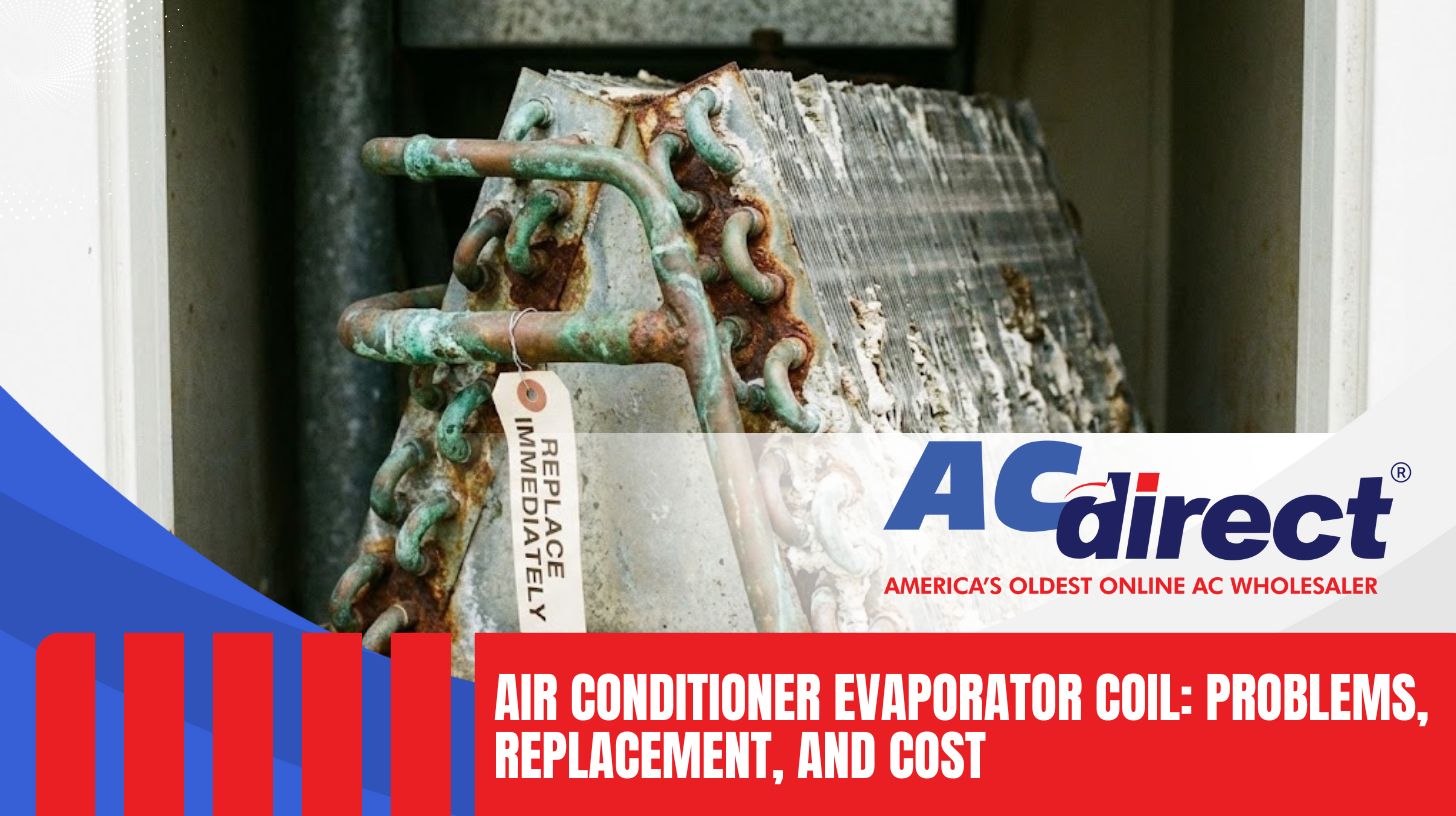
Dehumidification is the process of removing excess moisture from the air. In HVAC systems, this is typically achieved through the use of evaporator coils, which cool the air and cause moisture to condense and be removed from the indoor environment. In hot climates, advanced dehumidification systems can help maintain a comfortable indoor environment by ensuring that humidity levels remain within the ideal range of 30% to 50%.
Benefits of Maintaining Proper Humidity Levels
Maintaining the proper humidity level is crucial for both comfort and health. In excessively dry environments, indoor air can become uncomfortably dry, leading to problems such as dry skin, irritated eyes, and respiratory issues. Proper humidity levels can also protect your home from damage. Wood floors, furniture, and musical instruments are particularly sensitive to changes in humidity and can crack or warp if the air is too dry.
An HVAC system with advanced dehumidification features can help you achieve and maintain the ideal indoor humidity level, enhancing comfort and protecting your home and belongings.
Air Quality Enhancements - Filtering Dust and Allergens
In hot and dry climates, air quality is often a significant concern due to the prevalence of dust, pollen, and other airborne particulates. These particles can infiltrate your home and HVAC system, leading to poor indoor air quality and potential health issues.
High-Efficiency Air Filters
To combat these issues, it’s essential to choose an HVAC system equipped with high-efficiency air filters. HEPA (High-Efficiency Particulate Air) filters are particularly effective, capturing up to 99.97% of particles as small as 0.3 microns. These filters can trap dust, pollen, and other allergens, preventing them from circulating through your home and HVAC system.
For homes in dusty environments, upgrading to a system that supports HEPA filters or other high-efficiency filtration systems is a must. This not only improves indoor air quality but also protects your HVAC system from dust buildup, which can reduce efficiency and increase the need for maintenance.
UV Light Systems and Air Purifiers
Many modern HVAC systems include high-efficiency filters, UV (ultraviolet) light technology, and air purifiers. UV light systems can neutralize bacteria, viruses, and mold spores that pass through your HVAC system, ensuring that the air circulating in your home is clean and healthy.
Air purifiers, which can be integrated into your HVAC system, further enhance indoor air quality by removing a wide range of pollutants, including volatile organic compounds (VOCs) and smoke particles. These systems are particularly beneficial in hot and dry climates, where windows are often kept closed to keep out the heat, leading to less natural ventilation and higher levels of indoor pollutants.
Smart Thermostats - Precision Control and Energy Management
Smart thermostats have become increasingly popular in recent years, and for good reason. These devices allow you to precisely control your home’s temperature and manage your HVAC system’s energy use more effectively. In hot and dry climates, where cooling demands are high, a smart thermostat can be a valuable tool for optimizing comfort and reducing energy consumption.
Learning and Adaptive Features
One of the key benefits of smart thermostats is their ability to learn your habits and preferences. Over time, these devices can adapt to your schedule, automatically adjusting the temperature when you’re home or away to maximize comfort and efficiency. For example, a smart thermostat can lower the temperature before you arrive home from work, ensuring that your home is cool and comfortable without wasting energy during the day.
Remote Access and Automation
Smart thermostats also offer the convenience of remote access. Using a smartphone app, you can adjust your home’s temperature from anywhere, whether you’re at work, on vacation, or just lounging on the couch. This allows you to make real-time adjustments based on changing weather conditions or your schedule, further enhancing comfort and efficiency.
Moreover, smart thermostats can integrate with other smart home devices, such as lighting and window shades, to create a fully automated home environment. For example, during the hottest part of the day, your thermostat could signal your smart shades to close, reducing the amount of heat entering your home and lowering the demand on your air conditioner.
Durability and Weather Resistance - Built to Withstand Harsh Conditions
In hot and dry climates, HVAC systems are exposed to more than just heat. Dust storms, high winds, and intense UV radiation can all take a toll on outdoor units, leading to increased wear and tear. Therefore, it’s important to choose an HVAC system that is designed to withstand these harsh conditions.
Protective Coatings and Materials
Modern HVAC systems often feature protective coatings on coils and other components to prevent corrosion and damage from dust and debris. For example, copper coils coated with a corrosion-resistant layer can resist the effects of harsh environmental conditions, ensuring a longer lifespan for your system.
Many systems include corrosion-resistant coatings and weather-resistant enclosures that protect internal components from dust, debris, and UV radiation. This helps maintain system efficiency and reduce the risk of damage, even in the most challenging climates.
Choosing the Right HVAC Features for Hot and Dry Climates
Selecting the right HVAC system for a hot and dry climate involves more than just choosing a unit with adequate cooling capacity. To ensure long-term comfort, efficiency, and durability, it’s essential to consider features such as high SEER ratings, solar readiness, advanced dehumidification, air quality enhancements, and weather-resistant construction.
By investing in an HVAC system with these features, you can not only maintain a comfortable indoor environment but also protect your system from the harsh conditions of hot and dry climates. Whether you’re building a new home or upgrading an existing system, these considerations will help you make an informed decision that balances comfort, cost, and sustainability.