

Air Conditioner Evaporator Coil: Problems, Replacement, and Cost
-
 By
Michael Haines
By
Michael Haines
- Dec 11, 2025
- The evaporator coil is a critical component of your AC, responsible for absorbing heat from your home.
- Regular maintenance and inspections can help prevent costly evaporator coil failures.
- Signs of a failing evaporator coil include reduced cooling, higher energy bills, and ice buildup.
- Replacement costs can range from $800 to $2500, depending on the system and labor costs.
- Consider the age and condition of your AC system before deciding between evaporator coil replacement and full system replacement.
What is an Air Conditioner Evaporator Coil?
The evaporator coil is a key component in your air conditioning system. It's usually located inside your home, often within the air handler or attached to your furnace. Its primary job is to absorb heat from the air inside your home, providing you with cool, comfortable temperatures. The Furnace air conditioner combo relies on a functioning evaporator coil to provide cool air.Anatomy of the Evaporator Coil
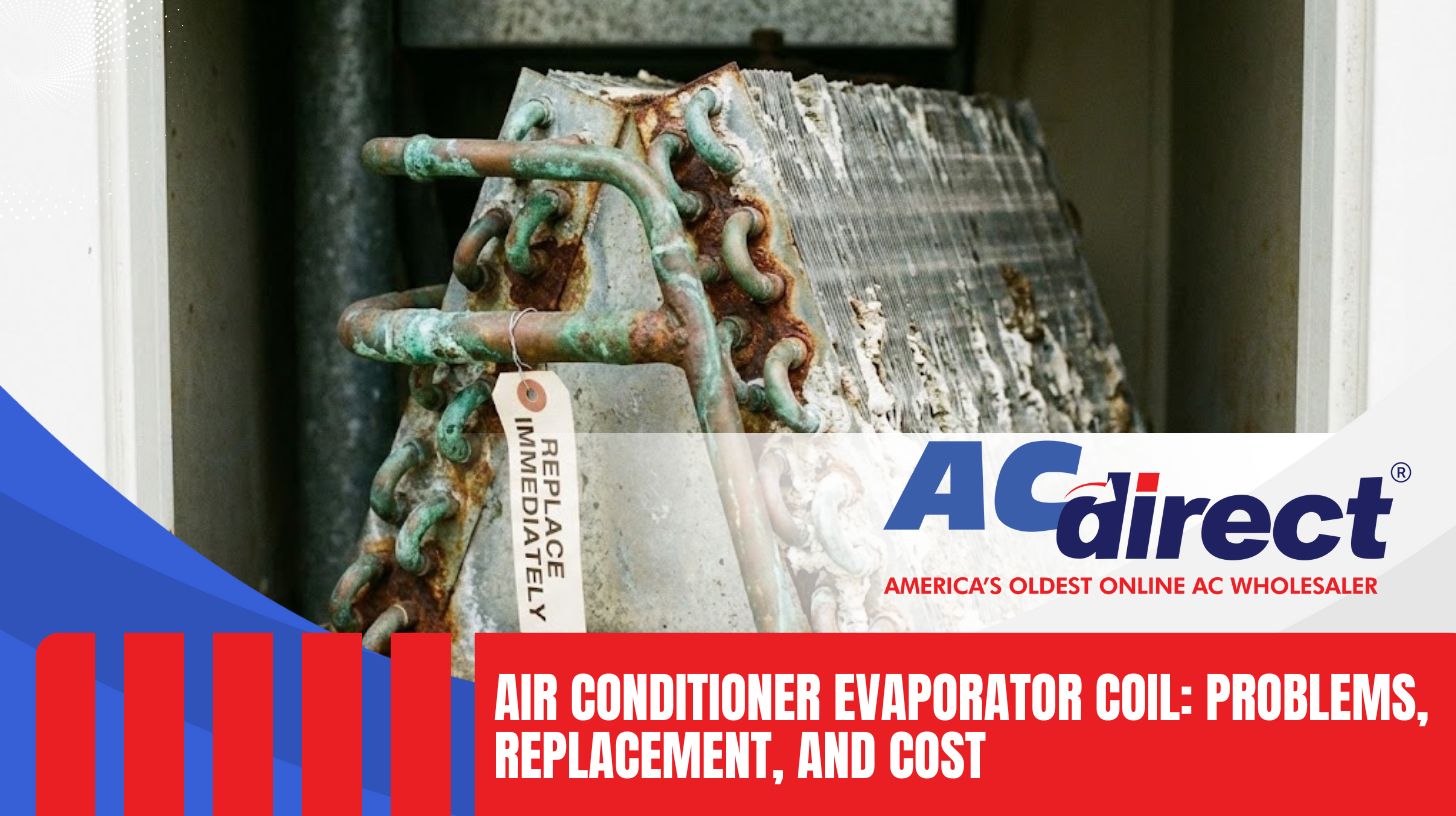
The evaporator coil looks like a series of interconnected tubes, typically made of copper or aluminum. These tubes are surrounded by fins, which increase the surface area for heat transfer. Refrigerant flows through these tubes, changing from a liquid to a gas as it absorbs heat.The Evaporator Coil's Role in Home Cooling
The evaporator coil works in tandem with the other components of your AC system, like the compressor and condenser coil, to provide cooling.The Refrigeration Cycle
Here’s a simplified breakdown:- Refrigerant Absorption: Warm air from your home is blown over the evaporator coil. The refrigerant inside absorbs the heat, cooling the air.
- Evaporation: As the refrigerant absorbs heat, it evaporates and turns into a low-pressure gas.
- Compression: The gaseous refrigerant travels to the compressor, which increases its pressure and temperature.
- Condensation: The high-pressure, high-temperature refrigerant flows to the condenser coil, where it releases heat to the outside air and condenses back into a liquid.
- Expansion: The liquid refrigerant passes through an expansion valve, which reduces its pressure and temperature, and the cycle begins again.
Why Evaporator Coil Maintenance Matters
Regular maintenance of your evaporator coil is crucial for ensuring efficient and reliable cooling. Neglecting maintenance can lead to several problems, including reduced cooling capacity, higher energy bills, and costly repairs.Preventing Common Problems
One of the most common issues I see is a dirty evaporator coil. Dust, dirt, and other debris can accumulate on the coil, reducing its ability to transfer heat. This can cause your AC system to work harder, consuming more energy and potentially leading to premature failure. Regular cleaning can help prevent these problems.Benefits of Regular Inspection
Regular inspections by a qualified HVAC technician can identify potential problems early on. Technicians can check for leaks, corrosion, and other issues that could affect the performance of your evaporator coil. Addressing these problems promptly can prevent them from escalating into more serious and expensive repairs.Signs of a Failing Evaporator Coil
Knowing the signs of a failing evaporator coil can help you address problems before they cause major damage to your AC system.Reduced Cooling Performance
If your AC system isn't cooling your home as effectively as it used to, a failing evaporator coil could be the culprit. You might notice that the air coming from your vents isn't as cold as it should be, or that your AC system is running longer to maintain the desired temperature.Higher Energy Bills
A failing evaporator coil can cause your AC system to work harder, which can lead to increased energy consumption. If you notice a sudden spike in your energy bills, it's worth investigating whether your evaporator coil is the problem.Ice Buildup on the Coil
Ice buildup on the evaporator coil is another common sign of a problem. This can occur when airflow is restricted, or the refrigerant level is low. The ice insulates the coil, further reducing its ability to absorb heat.Refrigerant Leaks
Refrigerant leaks can occur due to corrosion or damage to the evaporator coil. Leaking refrigerant not only reduces cooling performance but can also harm the environment. If you suspect a refrigerant leak, it's important to call an HVAC professional immediately.Unusual Noises
Strange noises coming from your AC unit, such as hissing or bubbling sounds, could indicate a problem with the evaporator coil. These noises could be caused by refrigerant leaks or other issues.Musty or Moldy Odor
A musty or moldy odor coming from your vents can indicate mold growth on the evaporator coil. This can occur when the coil is constantly damp due to condensation. Mold growth can not only affect air quality but also damage the coil itself. Missoula electric cooperative offers some helpful tips on avoiding mold and mildew growth in your HVAC system.Choosing the Right Evaporator Coil for Your AC
Selecting the right evaporator coil for your AC system is crucial for ensuring optimal performance and efficiency.Considering System Compatibility
It's important to choose an evaporator coil that is compatible with your AC system's make and model. Using an incompatible coil can lead to reduced performance and potential damage to your system. An Furnace and air conditioner combo requires properly matched components to run efficiently.Matching SEER Ratings
The Seasonal Energy Efficiency Ratio (SEER) rating of your evaporator coil should match the SEER rating of your condensing unit. Mismatched SEER ratings can reduce the overall efficiency of your AC system.Size and Capacity
The size and capacity of the evaporator coil should be appropriate for the size of your home and your cooling needs. An undersized coil won't be able to cool your home effectively, while an oversized coil can lead to short cycling and other problems.Evaporator Coil Replacement vs. Repair: What's Best?
Deciding whether to replace or repair your evaporator coil depends on several factors, including the age and condition of the coil, the cost of repair versus replacement, and the overall efficiency of your AC system.When Repair is an Option
If the damage to your evaporator coil is minor, such as a small leak, repair may be a viable option. Repairing the coil can be more cost-effective than replacing it, especially if your AC system is relatively new.When Replacement is Necessary
In some cases, replacement is the only option. If the coil is severely damaged, corroded, or has multiple leaks, replacement is usually the best course of action. Also, if your AC system is old and inefficient, replacing the evaporator coil may not be worth it. In such cases, I often recommend replacing the entire system with a newer, more efficient model. An Electric furnace may be a good option if you are looking to upgrade your HVAC system.Average Evaporator Coil Replacement Costs
The cost of replacing an evaporator coil can vary depending on several factors, including the size and type of your AC system, the brand of the coil, and labor costs in your area.Factors Affecting Cost
The size of your AC system is a major factor in determining the cost of evaporator coil replacement. Larger systems typically require larger and more expensive coils. The brand of the coil can also affect the cost, with some brands being more expensive than others. Labor costs can vary depending on your location and the HVAC contractor you choose.Typical Price Range
In general, you can expect to pay between $800 and $2500 for an evaporator coil replacement. This includes the cost of the coil itself, as well as labor costs for installation. It's always a good idea to get quotes from multiple HVAC contractors to ensure you're getting a fair price.Tips for Extending Evaporator Coil Life
There are several things you can do to extend the life of your evaporator coil and prevent costly repairs.Regular Cleaning
Regularly cleaning your evaporator coil can help prevent the buildup of dust, dirt, and other debris. You can use a soft brush or vacuum cleaner to remove loose debris. For more thorough cleaning, you may need to use a specialized coil cleaner.Air Filter Maintenance
Replacing your air filter regularly is another important step in extending the life of your evaporator coil. A dirty air filter can restrict airflow, causing the coil to overheat and potentially fail. I advise homeowners to check their air filters monthly and replace them as needed.Professional Maintenance
Scheduling regular maintenance with a qualified HVAC technician can help identify and address potential problems early on. Technicians can check for leaks, corrosion, and other issues that could affect the performance of your evaporator coil.Matching Evaporator Coils with Condensing Units
Ensuring that your evaporator coil is properly matched with your condensing unit is essential for optimal performance and efficiency.Importance of Proper Matching
When your evaporator coil and condensing unit are properly matched, your AC system will operate at its designed efficiency. This can save you money on your energy bills and extend the life of your system.Potential Problems with Mismatched Units
Mismatched units can lead to several problems, including reduced cooling capacity, increased energy consumption, and premature failure of components. In some cases, mismatched units can even void the manufacturer's warranty.When to Call an HVAC Professional
Knowing when to call an HVAC professional can help you avoid costly repairs and ensure the safety of your home.Signs You Need Professional Help
If you notice any of the signs of a failing evaporator coil, such as reduced cooling performance, higher energy bills, or ice buildup, it's important to call an HVAC professional. Refrigerant leaks can be dangerous and should be addressed by a trained technician. If you're not comfortable working with electrical components or refrigerant, it's always best to leave the job to a professional.Frequently Asked Questions
What is the purpose of the evaporator coil in my air conditioner?
The evaporator coil's main job is to pull heat from the air inside your home. The refrigerant inside the coil turns from liquid to gas as it absorbs heat, which then cools the air that gets sent back into your home.
How often should I have my evaporator coil inspected?
I recommend getting your evaporator coil checked at least once a year, ideally when you get your annual AC maintenance done. Regular checks can help catch and fix any potential issues early.
What are the symptoms of a bad evaporator coil?
Common signs include your AC not cooling as well, higher energy bills, ice forming on the coil, refrigerant leaks, and strange noises from your AC. You might also notice a musty smell.
Can I clean my evaporator coil myself?
While you can do some basic cleaning yourself, it’s usually best to have a professional clean your evaporator coil. They have the right tools and skills to safely and effectively remove buildup without causing damage.
How much does it cost to replace an evaporator coil?
The cost to replace an evaporator coil can vary, depending on your AC system's size and type, as well as local labor costs. You can generally expect to pay between $800 and $2500 for a complete replacement. I always suggest getting quotes from a few different HVAC contractors.
Is it worth replacing just the evaporator coil, or should I replace the entire AC system?
Deciding whether to replace just the evaporator coil or the whole system depends on a few things, like how old your AC is, the cost of fixing versus replacing, and how efficient your current system is. An HVAC professional can help you figure out the best choice for your situation.