

Air Conditioner Condenser Coils: Problems, Maintenance, and Replacement
-
 By
Michael Haines
By
Michael Haines
- Dec 10, 2025

Hey, Mike Haines here. I want to talk about something every homeowner with central air needs to understand: air conditioner condenser coils. These coils are crucial for keeping your home cool and comfortable, and when they fail, it can lead to expensive repairs and discomfort. This article will give you a clear overview of what condenser coils are, how to maintain them, and when it's time to consider a replacement. This information is for homeowners and small business owners who want to understand their HVAC systems better and make informed decisions about their upkeep.
- Condenser coils release heat from your home, and keeping them clean is essential for efficient AC operation.
- Look for signs like reduced cooling, higher energy bills, and visible damage to identify potential coil problems.
- Regular maintenance, including cleaning and inspections, can extend the lifespan of your condenser coil.
- Deciding between repair and replacement depends on the coil's age, condition, and the extent of the damage.
- Professional HVAC technicians can provide expert advice and perform necessary repairs or replacements.
What is an Air Conditioner Condenser Coil?
The condenser coil is a vital component of your air conditioning system, usually located in the outdoor unit. It works by releasing the heat absorbed from inside your home. Refrigerant, a special chemical that easily changes states, flows through the indoor evaporator coil and absorbs heat. This hot refrigerant then travels to the outdoor condenser coil. Here, the coil dissipates the heat to the outside air, turning the refrigerant back into a liquid. This cycle continues, keeping your home cool. Think of it as the engine that drives the cooling process. When the condenser coil isn't working correctly, your AC unit struggles to keep up, leading to discomfort and higher energy bills.
Condenser Coil Location and Function
As I mentioned, the condenser coil lives in the outdoor unit of your central AC system. A fan blows air across the coil to help dissipate heat. Its function is simple but crucial: get rid of the heat. Without a properly functioning condenser coil, your AC system is just circulating warm air.
The Importance of a Healthy Condenser Coil
A healthy condenser coil means an efficient air conditioner. When the coil is clean and functioning correctly, it can effectively release heat, allowing your AC to cool your home quickly and efficiently. This translates to lower energy bills and a more comfortable indoor environment. On the other hand, a dirty or damaged coil forces your AC system to work harder, consuming more energy and potentially leading to breakdowns. I see a lot of homeowners who neglect coil maintenance and pay the price with higher bills and system failures.
Energy Efficiency and Cost Savings
A clean condenser coil maximizes energy efficiency. When the coil is free from dirt and debris, the AC unit doesn't have to work as hard to cool your home. This can lead to significant savings on your monthly energy bills. Flathead electric cooperative has some useful advice on keeping your energy costs down. Regular maintenance is an investment that pays off in the long run.
Extending the Lifespan of Your AC System
Taking care of your condenser coil extends the life of your entire AC system. A stressed AC unit due to a dirty or damaged coil is more likely to experience breakdowns and require costly repairs. By keeping the coil clean and addressing any issues promptly, you can prevent premature wear and tear on other components, saving you money and hassle in the long run.
Types of Condenser Coils: A Homeowner's Perspective
While you don't need to become an expert on condenser coil types, knowing the basics can help you understand your system better and communicate more effectively with HVAC technicians. There are a few main types of condenser coils commonly used in residential AC systems.
Standard Condenser Coils
These are the most common and affordable type of condenser coils. They are typically made of copper or aluminum and offer good heat transfer capabilities. Standard coils are a reliable choice for most homes.
Microchannel Condenser Coils
Microchannel coils are a newer technology that uses a series of small, flat tubes to increase the surface area for heat transfer. This design makes them more efficient and compact than standard coils. They are often found in newer, high-efficiency AC systems.
Coated Condenser Coils
Coated coils have a protective layer that helps resist corrosion and damage from the elements. This coating can extend the lifespan of the coil, especially in coastal areas or environments with high levels of pollution. I often recommend coated coils for homeowners in these areas.
Signs of a Failing Condenser Coil
Recognizing the signs of a failing condenser coil can help you catch problems early and prevent more extensive damage. Here are some common indicators that your coil may be in trouble.
Reduced Cooling Performance
If your AC system is running longer than usual or struggling to keep your home cool, it could be a sign of a failing condenser coil. The coil may be unable to efficiently release heat, causing the system to work harder and longer to achieve the desired temperature.
Increased Energy Bills
A failing condenser coil can cause your AC system to consume more energy, leading to a noticeable increase in your monthly energy bills. If you see a spike in your bills without any changes in your usage habits, it's worth investigating your AC system.
Visible Corrosion or Damage
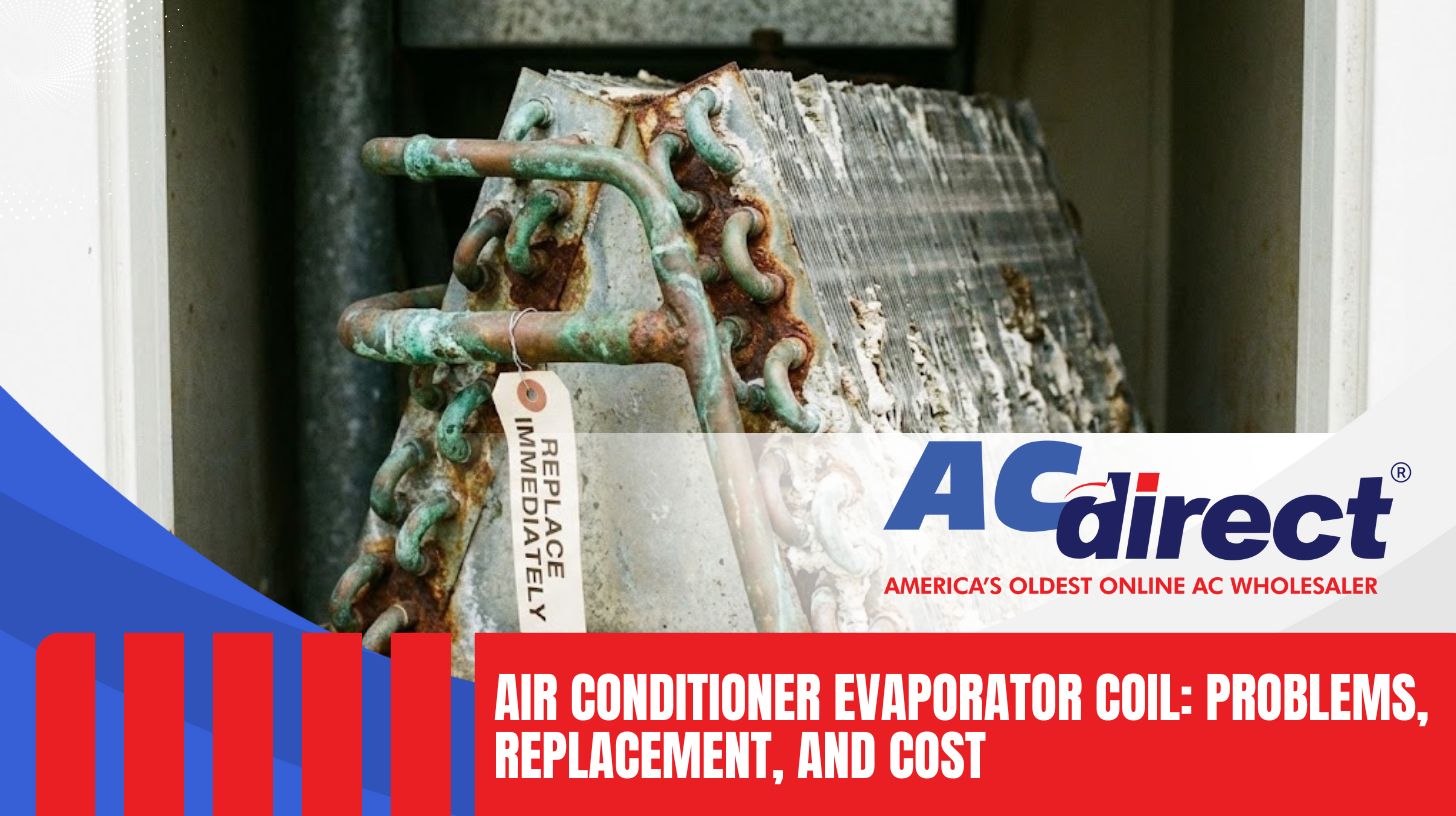
Inspect your condenser coil for any signs of corrosion, rust, or physical damage. These issues can impair the coil's ability to transfer heat and may indicate a need for repair or replacement.
Refrigerant Leaks
Refrigerant leaks are a serious problem that can result from a damaged condenser coil. If you notice a hissing sound coming from your AC unit or see oily residue around the coil, it could be a sign of a leak. Refrigerant leaks not only reduce cooling performance but can also harm the environment.
Common Causes of Condenser Coil Problems
Understanding the common causes of condenser coil problems can help you take steps to prevent them. Here are some of the most frequent culprits.
Dirt and Debris Buildup
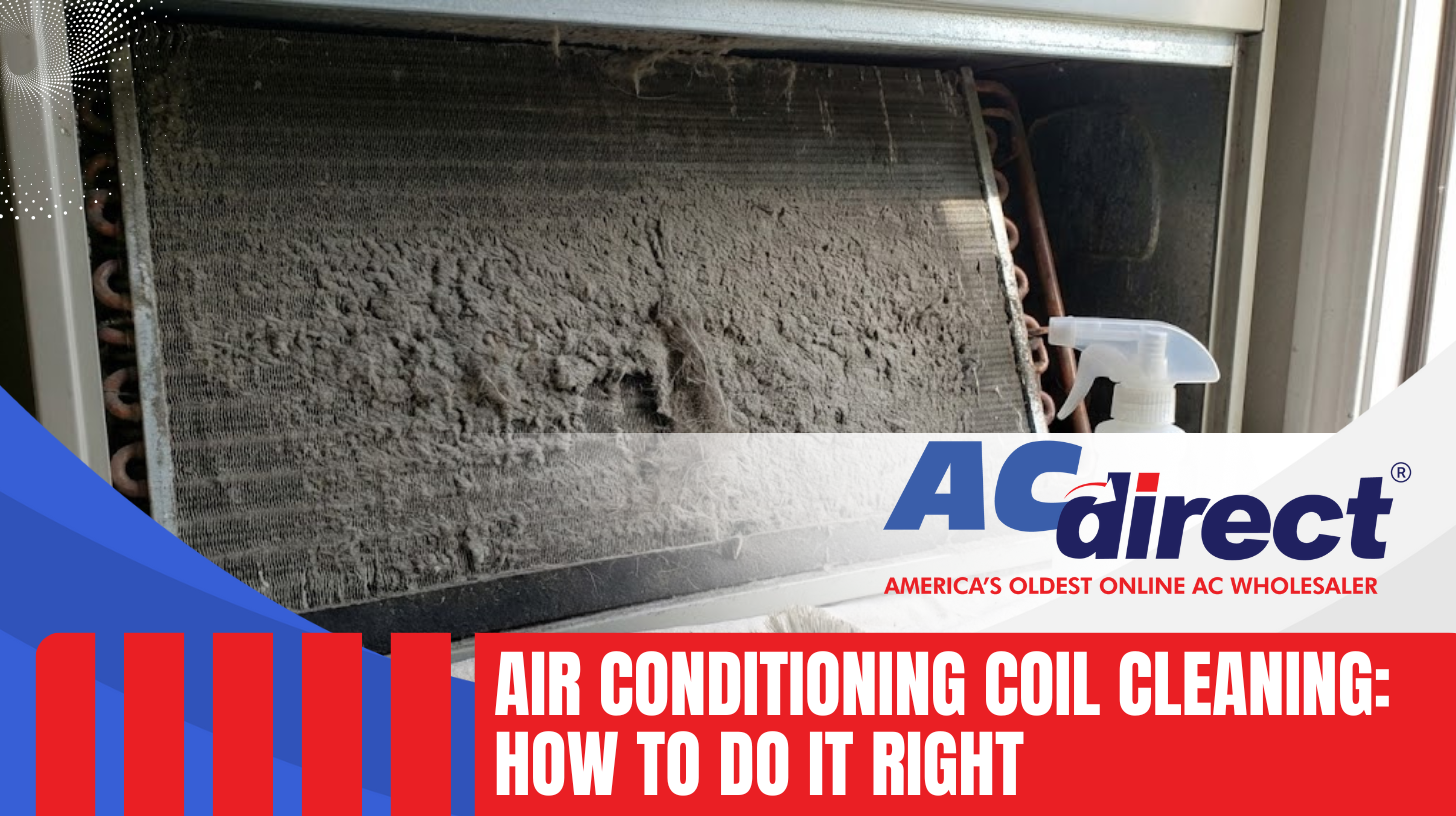
Over time, dirt, dust, leaves, and other debris can accumulate on the condenser coil, reducing its ability to transfer heat. Regular cleaning is essential to prevent this buildup.
Corrosion
Exposure to moisture, salt air, and pollutants can cause corrosion on the condenser coil. This corrosion can damage the coil and reduce its efficiency. As I mentioned before, coated coils are more resistant to corrosion.
Physical Damage
Accidents, such as being hit by lawn equipment or falling branches, can cause physical damage to the condenser coil. This damage can lead to leaks and reduced performance.
Refrigerant Leaks
Refrigerant leaks can occur due to corrosion, damage, or faulty connections. These leaks not only reduce cooling performance but can also damage the environment. Have leaks repaired promptly by a qualified technician. You might want to consider a Furnace size calculator to make sure that you are using your HVAC system in the most efficient manner.
Condenser Coil Cleaning and Maintenance Tips
Regular cleaning and maintenance are essential for keeping your condenser coil in good condition and preventing problems. Here are some tips to help you keep your coil clean and efficient.
Regular Cleaning
Clean your condenser coil at least once a year, ideally before the start of the cooling season. Turn off the power to the AC unit and use a fin comb to straighten any bent fins. Then, use a gentle cleaning solution and a hose to wash away any dirt and debris. Be careful not to damage the coil fins during the cleaning process.
Keep the Area Around the Unit Clear
Ensure that the area around your outdoor AC unit is free from obstructions, such as plants, shrubs, and debris. This will allow for proper airflow and prevent dirt and debris from accumulating on the coil.
Professional Inspections
Schedule regular professional inspections of your AC system, including the condenser coil. A qualified HVAC technician can identify potential problems early and perform necessary maintenance to keep your system running smoothly. Ac and heating units have a complex set of components, and professional inspections are always a good idea.
How to Choose the Right Replacement Condenser Coil
If your condenser coil is damaged beyond repair, you'll need to replace it. Choosing the right replacement coil is essential for ensuring optimal performance and efficiency. Here's what to consider.
Matching the Specifications
Ensure that the replacement coil matches the specifications of your AC system, including the size, type, and refrigerant. Using the wrong coil can lead to reduced performance and potential damage to your system.
Considering Efficiency Ratings
If you're replacing an old, inefficient coil, consider upgrading to a more efficient model. A higher efficiency coil can save you money on energy bills in the long run. Think about the size of the 12 000 btu air conditioner unit that you will be using.
Checking for Warranty
Look for a replacement coil that comes with a warranty. This will protect you against any defects or premature failures. A good warranty provides peace of mind and ensures that you're getting a quality product.
Condenser Coil Repair vs. Replacement: Factors to Consider
Deciding whether to repair or replace your condenser coil can be a tough decision. Here are some factors to consider when making this choice.
Age and Condition of the Coil
If your condenser coil is old and heavily corroded, replacement may be the better option. Repairing an old, damaged coil may only provide a temporary fix, and the coil may be prone to future problems.
Extent of the Damage
If the damage to the coil is minor, such as a small leak or a few bent fins, repair may be a viable option. However, if the damage is extensive, replacement is usually the more cost-effective solution.
Cost of Repair vs. Replacement
Compare the cost of repairing the coil to the cost of replacing it. In some cases, the cost of repair may be close to the cost of replacement, making replacement the more sensible choice.
The Cost of Condenser Coil Repair and Replacement
The cost of condenser coil repair and replacement can vary depending on several factors, including the type of coil, the extent of the damage, and the labor costs in your area. Here's a general idea of what you can expect to pay.
Repair Costs
The cost of repairing a condenser coil can range from $200 to $1000, depending on the nature of the repair. Minor repairs, such as fixing a small leak, will typically cost less than more extensive repairs, such as replacing a section of the coil.
Replacement Costs
The cost of replacing a condenser coil can range from $700 to $2500, including the cost of the coil and the labor to install it. The exact cost will depend on the type of coil and the complexity of the installation.
Extending the Life of Your Condenser Coil
Taking proactive steps can significantly extend the life of your condenser coil and prevent costly repairs or replacements. Here are some strategies to consider.
Protective Covers
Consider using a protective cover for your outdoor AC unit during the off-season. This can help protect the coil from the elements and prevent damage from falling debris.
Regular Maintenance
As I've stressed regular cleaning and maintenance are key to extending the life of your condenser coil. Schedule annual inspections and cleanings to keep your coil in good condition.
Professional AC Maintenance: When to Call an HVAC Technician
While some maintenance tasks can be performed by homeowners, it's important to know when to call a professional HVAC technician. Here are some situations where professional help is needed.
Refrigerant Leaks
Refrigerant leaks should always be handled by a qualified technician. Refrigerant is harmful to the environment, and only trained professionals have the equipment and knowledge to safely handle it.
Complex Repairs
If you're not comfortable working with electrical components or you suspect a more complex problem with your condenser coil, it's best to call a professional. Attempting to repair the coil yourself could lead to further damage or injury.
Annual Inspections
Schedule annual inspections of your AC system by a qualified HVAC technician. This will help identify potential problems early and ensure that your system is running efficiently.
Frequently Asked Questions
What is the main function of the condenser coil in my air conditioner?
The condenser coil is critical for releasing the heat that your air conditioner has absorbed from your home. It acts like a heat exchanger, taking the heat and sending it outside so your AC can keep producing cool air.
How often should I clean my air conditioner's condenser coil?
I usually tell people to clean their condenser coil at least once a year. Doing it before the cooling season starts is ideal. If you live where it's dusty or polluted, you might need to clean it more often to keep it working well.
Can I clean the condenser coil myself, or should I hire a professional?
If you're comfortable, you can clean the condenser coil yourself using a fin comb and a mild cleaner. But, if you don't like working with electrical parts or you see any damage, it's better to get an HVAC tech to do it. This way, you avoid any risks and make sure it's cleaned right.
What are the signs that my AC condenser coil needs to be replaced?
Watch out for things like your AC not cooling as well, higher energy bills, visible corrosion or damage, refrigerant leaks, or a hissing sound from the unit. If you notice any of these, have a professional take a look to see if you need a replacement.
How much does it typically cost to replace an air conditioner condenser coil?
The cost to replace a condenser coil can change depending on the type of coil, your AC's size, and local labor costs. Generally, you might pay anywhere from $700 to $2500 for the whole job. Getting quotes from a few different contractors is a good way to compare prices.
Is it more energy-efficient to repair or replace my AC condenser coil?
If your condenser coil is newer and the damage is small, fixing it can be enough and save energy for now. But, if the coil is old, has a lot of corrosion, or needs repairs often, replacing it with a new, more efficient one can save you money on your energy bills over time.
Final Thoughts
Understanding your air conditioner's condenser coil is key to maintaining a comfortable and energy-efficient home. By knowing the signs of a failing coil, following regular maintenance tips, and making informed decisions about repair or replacement, you can keep your AC system running smoothly for years to come.
Don't hesitate to seek professional help when needed. A qualified HVAC technician can provide expert advice and perform necessary repairs or replacements to ensure your AC system is operating at its best.
Ultimately, the goal is to make smart choices that save you money, extend the life of your AC system, and keep your home comfortable. Take the time to learn about your system and invest in regular maintenance. It's a decision you won't regret.