 and now, NASCAR Racing Sponsor


10 Expert HVAC Repair and Maintenance Tips You Need to Know (Before It’s Too Late!)
-
 By
Michael Haines
By
Michael Haines
- Aug 24, 2024

By Mike Haines 08/24 Hi, I’m Mike Haines. Whether you’re a new homeowner or someone who's been through a few scorching summers and chilly winters, having a reliable HVAC system is crucial. However, many people aren’t sure how to maintain their air conditioners or handle minor repairs themselves. Today, I’ll walk you through some key questions about HVAC troubleshooting, maintenance, and repair. Let’s get started!
How Can I Do Basic Troubleshooting of My Air Conditioner?
If your air conditioner isn't working as expected, there are a few basic troubleshooting steps you can follow before calling a professional. Start by checking the thermostat. Ensure it’s set to "cool" and that the temperature is set below the current room temperature. Next, verify that your air filter is clean. A dirty filter can restrict airflow and cause the system to work inefficiently, or even shut down entirely. If the filter is dirty, replace it immediately.
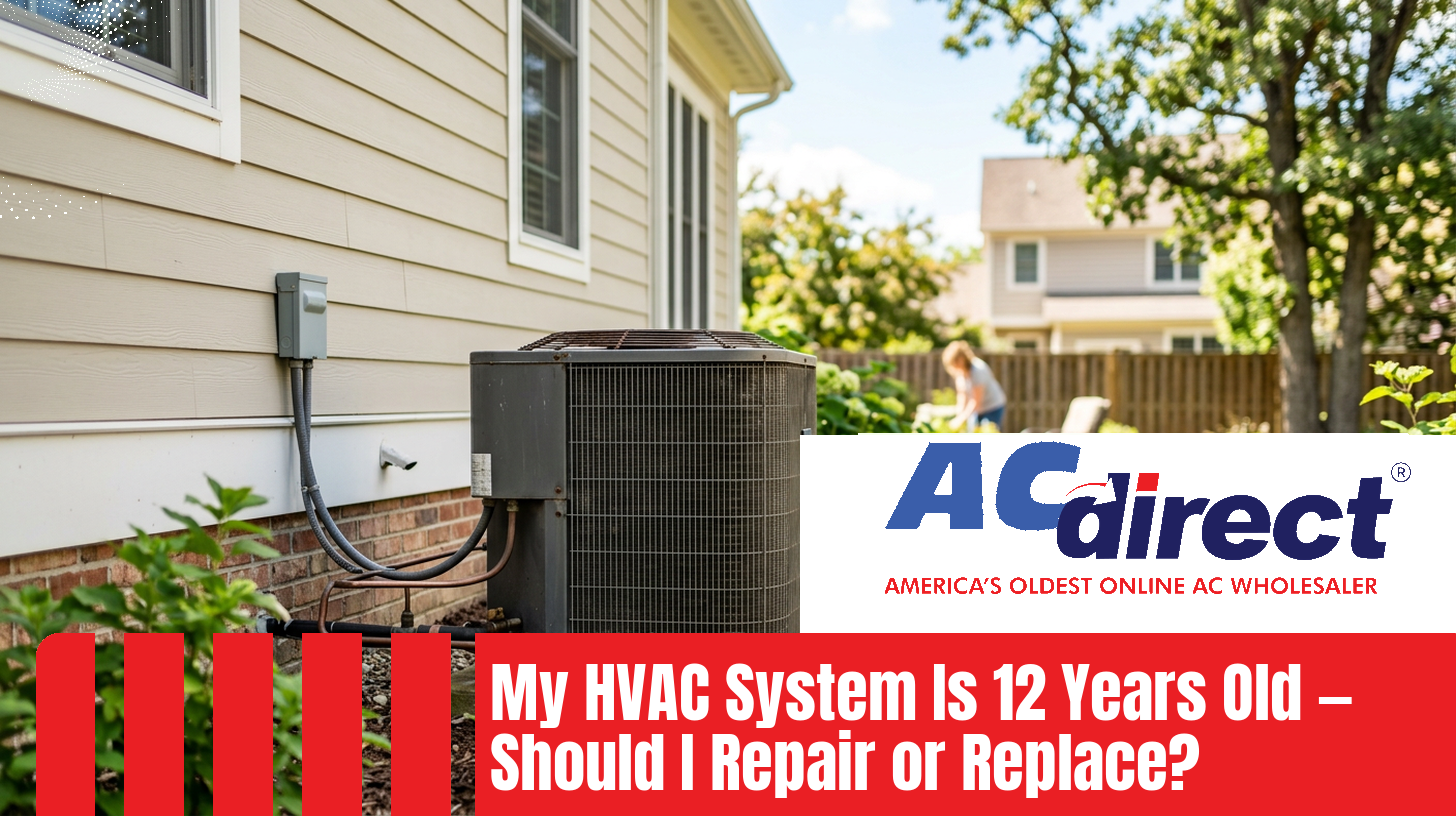
Check the breaker panel to ensure the air conditioner’s circuit breaker hasn’t been tripped. Sometimes, the solution is as simple as flipping a switch. Finally, inspect the outdoor unit. Clear any debris, leaves, or dirt that might be blocking the airflow. If none of these steps solve the issue, it’s time to call in a professional.
Key Takeaways
- Basic troubleshooting: Start with checking the thermostat, filter, circuit breaker, and outdoor unit before calling a professional.
- Common repair scenarios: Issues like refrigerant leaks, dirty coils, electrical failures, and frozen evaporator coils are common and need timely attention.
- Detect refrigerant leaks: Look for signs such as poor cooling, hissing sounds, and ice build-up on coils or refrigerant lines.
- Regular HVAC inspections: Prevent major breakdowns, improve energy efficiency, and prolong system life by scheduling routine inspections.
- Duct cleaning: Improves airflow and air quality, and can be done either DIY or with professional help.
- Signs of a failing compressor: Watch out for unusual noises, warm air, frequent tripped breakers, or hard starts.
- Multi-unit building maintenance: Regular inspections, clean filters, and ensuring airflow in common ducts are critical.
- DIY maintenance tips: Change filters, clean coils, check the drain line, and clear debris around outdoor units.
- Find reliable HVAC repair services: Choose licensed, insured, and certified technicians with good reviews and transparent pricing.
- Preventive measures: Regular maintenance, smart thermostats, sealing leaks, and monitoring refrigerant levels can extend your HVAC system's life.
What Are the Most Common HVAC Repair Scenarios?
Some HVAC problems are more common than others. Here are the top issues homeowners face:
- Refrigerant Leaks: Low refrigerant levels can affect the cooling efficiency of your system, resulting in poor cooling or even system failure.
- Electrical Failures: Problems with electrical components, like capacitors or relays, can cause HVAC units to short cycle or fail to start.
- Dirty Coils: Both the evaporator and condenser coils can accumulate dirt, which affects heat exchange and reduces system efficiency.
- Frozen Evaporator Coils: This can happen when there’s insufficient airflow, often caused by a dirty filter or blocked return duct.
- Thermostat Issues: If the thermostat isn’t calibrated properly or has a dead battery, it can cause your system to run inefficiently.
Addressing these issues promptly can prevent more extensive and costly repairs.
How to Detect Refrigerant Leaks in My HVAC System?
Detecting a refrigerant leak can be tricky, but there are some tell-tale signs to watch for. One of the most obvious symptoms is that your air conditioner isn’t cooling your home as effectively as it used to. Another indicator is if you hear a hissing sound coming from your HVAC unit—this could signify that refrigerant is escaping from the coils.
You might also notice ice forming on the evaporator coils or refrigerant lines. Low refrigerant levels can cause the coils to get too cold and freeze. Finally, check your energy bills. If your energy usage has suddenly spiked without a corresponding increase in use, this could be due to an inefficient system running low on refrigerant.
If you suspect a refrigerant leak, it’s essential to call a professional technician. Handling refrigerants requires specialized tools and knowledge.
What Are the Benefits of Regular HVAC Inspections?
Routine HVAC inspections can save you both money and frustration. Regular checkups help identify small problems before they become major repairs, which means fewer emergency calls and more consistent performance from your system. During an inspection, a technician will clean your system, check for leaks, lubricate moving parts, and ensure everything is running smoothly.
A well-maintained system operates more efficiently, which reduces energy consumption and lowers your utility bills. It also prolongs the life of your HVAC system, ensuring that you get the most out of your investment. Annual or bi-annual inspections are highly recommended to keep everything in tip-top shape.
How to Clean the Air Ducts in My HVAC System?
Cleaning air ducts might seem like a daunting task, but it’s critical for maintaining indoor air quality and HVAC efficiency. You can either hire a professional duct cleaning service or do it yourself if you’re comfortable with the task.
Start by turning off the HVAC system. Remove vent covers and use a vacuum with a brush attachment to clean the ducts as far as you can reach. Pay special attention to any build-up of dust, debris, or mold. Clean the grates with soap and water before reinstalling them. While you’re cleaning, be sure to check for any blockages or signs of mold in the ducts.
Regular air duct cleaning can improve airflow, reduce allergens, and help your system operate more efficiently.
What Are the Signs of a Failing HVAC Compressor?
The compressor is one of the most critical components of your air conditioner, responsible for circulating refrigerant through the system. A failing compressor can lead to serious system issues. Here are some signs to watch for:
- Loud or Unusual Noises: Grinding, rattling, or banging sounds often indicate that something is wrong with the compressor.
- Warm Air: If your system is blowing warm air instead of cold, the compressor might be unable to circulate the refrigerant effectively.
- Frequent Tripping of Circuit Breakers: A compressor that’s overworking can trip the circuit breaker repeatedly.
- Hard Starts: If your HVAC system struggles to turn on or short cycles, the compressor may be failing.
If you notice any of these symptoms, it’s time to call in a technician to diagnose the problem before it causes more extensive damage.
How to Maintain an HVAC System in a Multi-Unit Building?
Maintaining HVAC systems in multi-unit buildings presents unique challenges because multiple tenants rely on the same system. Regular inspections are crucial to avoid any system failures that could affect several units at once. Filters should be replaced frequently, as dust and debris accumulate quickly in high-traffic buildings.
Ensure that tenants report any irregularities, such as noises or temperature imbalances, as soon as they happen. Ductwork and common areas should be regularly inspected for leaks and airflow issues. Additionally, the HVAC system should be monitored for refrigerant levels and electrical component integrity, as system overuse can lead to faster wear and tear.
What Are the DIY Maintenance Tips for Air Conditioners?
Regular DIY maintenance can go a long way in keeping your air conditioner running efficiently. Here are a few tasks you can handle on your own:
- Change the Filter: Depending on usage and the type of filter, replace it every 1-3 months to ensure proper airflow and energy efficiency.
- Clean the Coils: Dust and dirt can accumulate on the coils, making the system work harder. Use a soft brush or vacuum to gently clean the evaporator and condenser coils.
- Check the Drain Line: The condensate drain line can get clogged with mold and debris, leading to water leaks. Clear it regularly with a vinegar solution to prevent blockages.
- Inspect the Outdoor Unit: Clear leaves, debris, and dirt from around the outdoor unit to ensure unobstructed airflow.
By performing these tasks regularly, you can extend the life of your air conditioner and prevent breakdowns.
How to Find Reliable HVAC Repair Services?
Finding a trustworthy HVAC technician can be a challenge, but there are several steps you can take to ensure you choose the right one. Start by asking for recommendations from friends, family, or neighbors. Online reviews can also provide insight into a company’s reputation.
Look for a company that is licensed, bonded, and insured, as this ensures they meet industry standards and provide adequate protection in case of accidents. Make sure the technicians are certified by organizations like NATE (North American Technician Excellence), which indicates that they have received proper training and testing.
Finally, don’t be afraid to get multiple quotes. Compare pricing, services offered, and warranty information before making a decision. A reliable HVAC repair service should be transparent about their costs and services.
What Preventive Measures Can Extend the Life of My HVAC System?
Taking a proactive approach to HVAC maintenance can greatly extend the life of your system and improve efficiency. Here are some preventive measures you can take:
- Schedule Regular Tune-Ups: Annual or bi-annual maintenance inspections will keep your system running efficiently and help catch problems before they escalate.
- Change Filters Regularly: A clean filter reduces strain on your system by improving airflow and protecting components from dust and debris.
- Install a Smart Thermostat: A programmable thermostat can help regulate the system’s runtime and reduce wear and tear.
- Inspect and Clean the Coils: Dirty coils reduce efficiency and strain the system, leading to potential breakdowns. Keep them clean to ensure optimal performance.
- Monitor Refrigerant Levels: Low refrigerant can cause the compressor to overwork, leading to premature failure. Ensure levels are checked during regular inspections.
- Seal Leaky Ducts: Duct leaks can make your system work harder than necessary. Sealing leaks can improve efficiency and lower energy costs.
By staying on top of these preventive measures, you can extend your system’s lifespan and avoid costly repairs.
Final Thoughts
Regular maintenance and timely repairs are crucial for the long-term health of your HVAC system. By learning how to troubleshoot, maintain, and identify potential issues early, you can avoid major breakdowns and keep your system running efficiently. Whether it's changing a filter, cleaning ducts, or calling in a professional for more complex issues, taking a proactive approach can save you time, money, and stress.
Thanks for reading, and I hope these tips help you maintain your HVAC system for many years to come!
– Mike Haines
Suggested Articles for Further Reading
Advanced HVAC Solutions for Net Positive Energy Buildings
Discover how cutting-edge HVAC systems help net-positive energy buildings generate more energy than they consume, promoting energy efficiency and sustainability.
Enhancing Air Quality in Pet-Friendly Homes with HVAC Systems
Learn how specialized HVAC filters and systems can improve indoor air quality in homes with pets, reducing allergens and keeping your environment fresh.
HVAC Disaster Relief: Essential Comfort in Times of Need
Explore how HVAC systems provide critical comfort in disaster situations, from heating and cooling emergency shelters to ensuring proper air quality in times of crisis.
Custom HVAC Solutions for High-Rise Apartments
Find out how custom HVAC systems are designed to tackle the unique challenges of high-rise apartment living, ensuring efficient temperature regulation and airflow.
HVAC and Education: Creating Optimal Learning Environments
Understand how HVAC systems play a key role in creating comfortable learning environments by maintaining the right temperature and air quality in educational institutions.