Improving indoor air quality is crucial for maintaining a healthy and comfortable living environment. Poor air quality can lead to various health issues, including allergies, asthma, respiratory infections, and other long-term complications. Implementing simple yet effective strategies can significantly enhance the air quality in your home or workplace. Below are ten practical ways to improve indoor air quality and create a healthier environment for you and your family.
While UV light may be a valiant warrior against germs, lurking within its potent glow are shadows of potential threats. Its very nature, powerful enough to obliterate microscopic foes, carries a double-edged sword. Direct or even unintentional exposure to UV radiation can inflict harm upon our delicate skin and eyes.
Your pets' thick fur doesn't negate their need for a consistent indoor temperature. Cranking up the heat of your gas furnace is not always required, especially in your absence, but extreme fluctuations may distress or even endanger your pets.
Larger particles like dust and pollen require the physical filtration of a HEPA filter, and gaseous pollutants like volatile organic compounds (VOCs) might need specialized adsorption technologies.
Scientists haven't just dreamed up the power of UV; they've put it under the microscope (literally!) and proven its effectiveness through rigorous research. Peer-reviewed studies paint a clear picture: UV light, particularly UV-C, significantly reduces airborne and surface pathogens.
The future of UV in HVAC is brimming with possibilities. From eco-friendly LEDs to targeted disinfection and collaborative cleansing, these emerging technologies promise to redefine how we keep our air clean and healthy.
In recent years, the use of ultraviolet (UV) lights in HVAC systems has gained increasing attention as a means to improve indoor air quality. However, misconceptions and a lack of understanding about UV technology often lead to confusion. This series about in HVAC systems aims to shed light on the science behind UV lights, dispel common myths, and provide guidance on selecting the right UV bulb for your HVAC system.
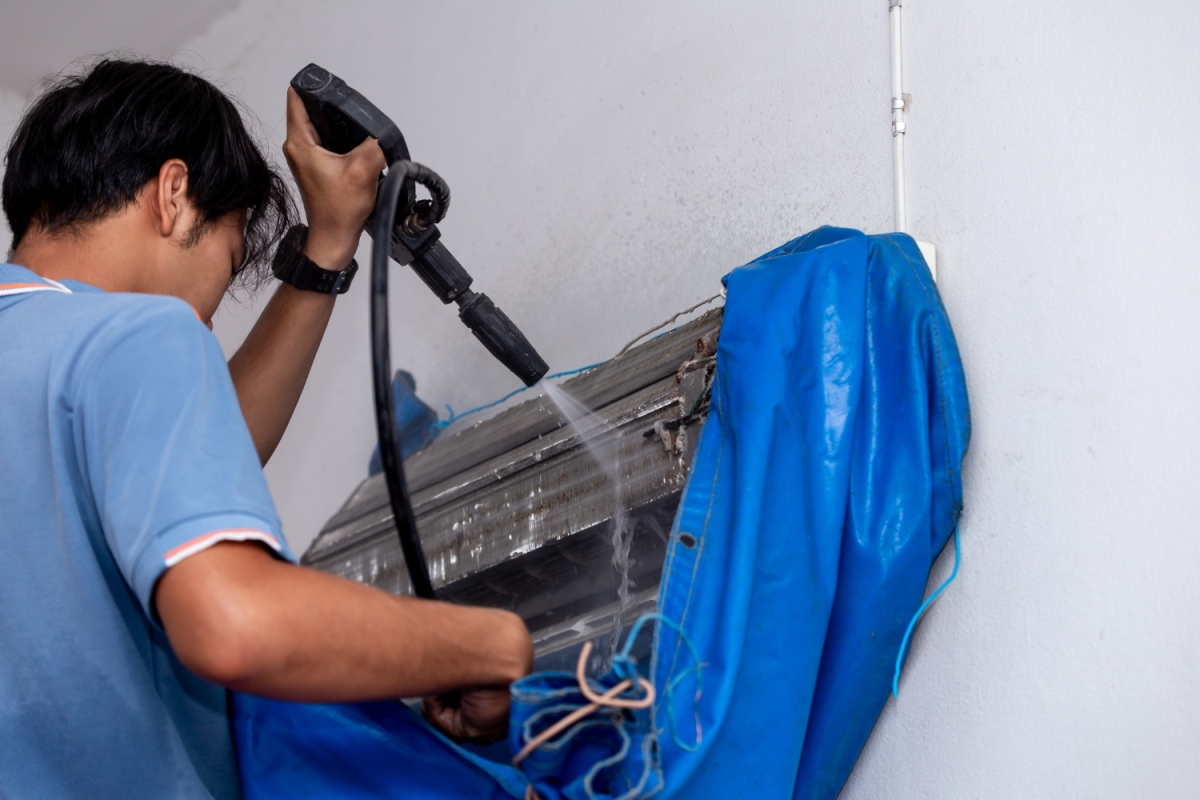
A primary cause of musty smells in HVAC is often overlooked air filters. Designed to trap contaminants, filters can become a problem if not regularly replaced—typically every three months. When neglected, they not only compromise your AC's efficiency but also become a breeding ground for musty odors.
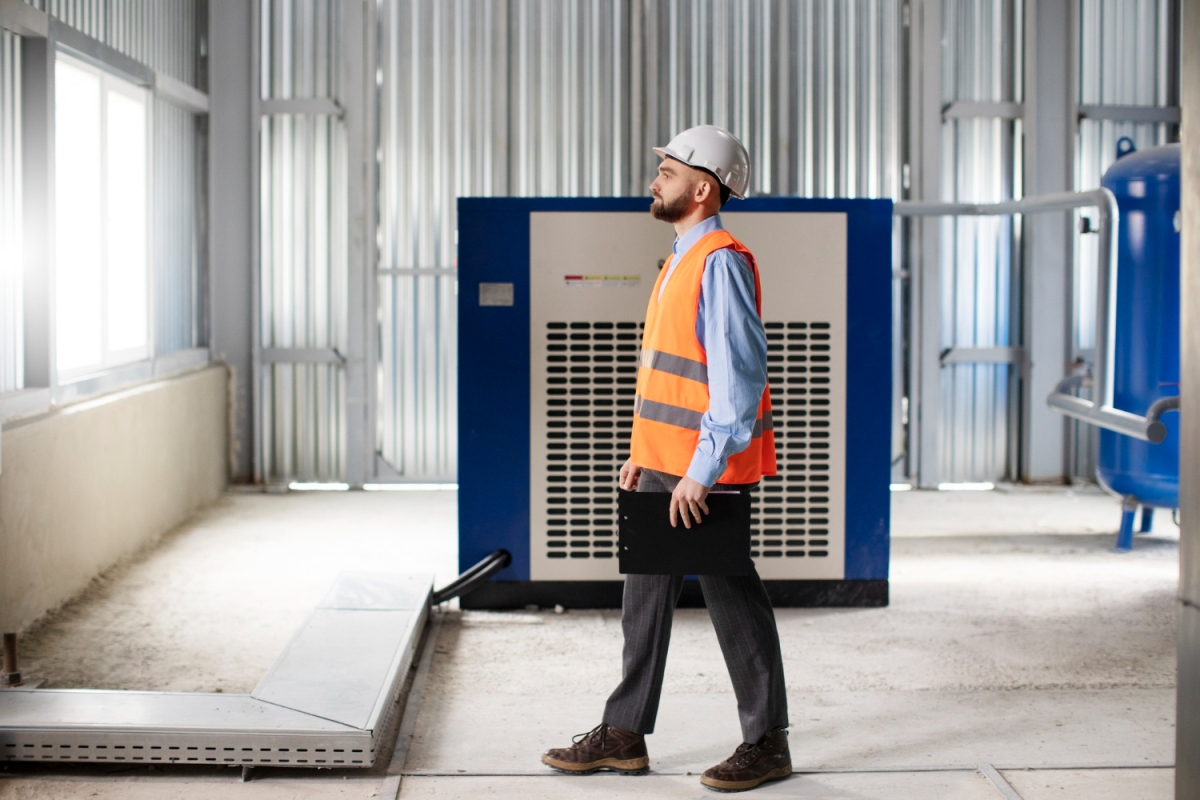
Modern commercial air conditioning units are more than just cooling devices. They often include features that enhance air quality and manage humidity, contributing to a healthier and more comfortable environment. An office building in New York City saved $20,000 per year by upgrading to programmable thermostats.
The application of UV lights is not limited to commercial buildings; residential settings can also benefit significantly. In homes, especially those with individuals suffering from respiratory issues, UV lights can play a crucial role in maintaining a healthy living environment.