 and now, NASCAR Racing Sponsor


Tips for Buying a New Furnace for Your Historic Home
-
 By
Michael Haines
By
Michael Haines
- Jan 21, 2025
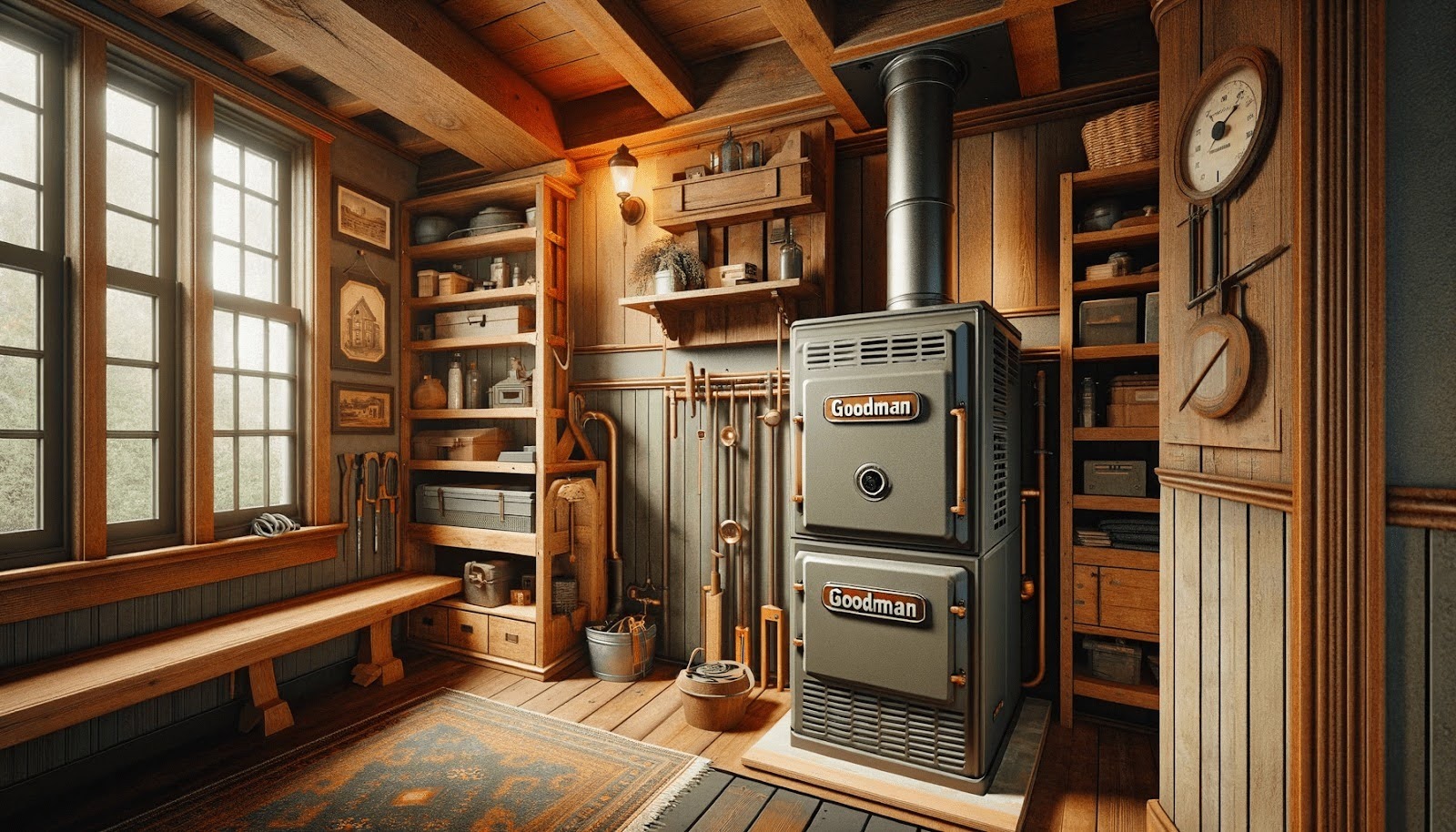
Tips for Buying a New Furnace for Your Historic Home
If you own a historic home, you're well aware of the charm, character, and unique challenges that come with it. One of the biggest considerations for historic homeowners is upgrading essential systems, particularly heating. Furnaces in older homes are often outdated, inefficient, and incapable of providing the comfort levels of modern systems. However, replacing a furnace in a historic home requires careful planning and knowledge. The goal is to maintain the home's aesthetic integrity while achieving a comfortable, energy-efficient environment.
Let us walk you through the essential factors to consider when buying a new furnace for your historic home, covering everything from compatibility and efficiency to preservation and budget.
Understanding the Heating Needs of Historic Homes
Historic homes, often built before the 1950s, feature architecture and materials not found in contemporary homes. Many lack insulation and air-sealing methods common today, leading to specific heating challenges.
- Unique Architecture and Materials - Many historic homes have stone, brick, or plaster walls and lack modern insulation, causing more heat loss.
- Single-Zone Heating - Older heating systems often operate on a single-zone basis, heating the whole house without the possibility of setting different temperatures in individual rooms.
- Aesthetic and Structural Limitations - Furnaces in historic homes may need to fit within tight spaces or attics, limiting your options for unit size and placement.
To find the ideal furnace for your historic home, it's essential to evaluate these factors and consult with HVAC experts familiar with old homes.
Key Considerations for Selecting a Furnace for a Historic Home
When buying a furnace for your historic home, certain aspects require closer attention. Here's what you should keep in mind -
1. Choosing the Right Fuel Type
Fuel type is one of the first things to determine when selecting a furnace. While natural gas is commonly used in newer homes, historic homes may have other sources of heating fuel, such as oil, propane, or even wood-burning stoves.
- Natural Gas - Generally the most economical and environmentally friendly, natural gas furnaces offer quick heating and easy compatibility with modern furnaces.
- Propane or Oil - If your historic home doesn't have access to natural gas lines, propane or oil are viable alternatives but are typically more expensive and less efficient.
- Electric - Electric furnaces are efficient but can lead to higher operational costs, especially if your home has older insulation. They're a good option for homes without gas access.
Speak with a local HVAC contractor to understand which fuel type is most accessible and cost-effective for your area and home.
2. Sizing the Furnace for Optimal Efficiency
When it comes to choosing a furnace, size matters. Selecting the right size furnace will impact your home's comfort and energy efficiency, and in historic homes, this choice can be even more critical.
- Heat Load Calculation - Many historic homes have drafty windows and insufficient insulation, so a load calculation is necessary to determine the heat your home actually requires.
- Avoid Oversizing - An oversized furnace will cycle on and off frequently, causing wear and tear, high energy bills, and inconsistent heating. Undersizing, on the other hand, may leave rooms underheated in colder months.
- Consult a Professional - Professional HVAC technicians can conduct a thorough evaluation, taking into account your home's layout, size, insulation quality, and more to recommend the ideal furnace size.
3. Energy Efficiency and Environmental Impact
One of the most significant benefits of upgrading your furnace is the potential for better energy efficiency. Furnaces today are built with energy-saving technology that was unavailable decades ago.
- AFUE Rating - The Annual Fuel Utilization Efficiency (AFUE) rating shows how efficiently a furnace converts fuel to heat. Look for models with an AFUE rating of at least 90%, though ratings over 95% are optimal for cold climates.
- Variable Speed Blowers - Variable speed blowers adapt to your home's heating needs, reducing energy waste and improving indoor air quality by circulating air more consistently.
- Environmental Considerations - Natural gas furnaces tend to be the most eco-friendly choice compared to oil or propane, producing fewer emissions.
Opting for an energy-efficient furnace is especially important in historic homes, which often have higher heating needs due to structural inefficiencies.
4. System Compatibility with Ductwork
Many historic homes lack modern ductwork, and even if they have it, the existing ducts may be too narrow or worn out to support a new furnace.
- Evaluating Existing Ductwork - Consult with an HVAC technician to evaluate the condition and layout of your current ducts. Many older ducts may have leaks or may not be sized for a high-efficiency furnace.
- Ductless Options - If installing or upgrading ductwork isn't feasible, consider ductless mini-split systems which provide heating without needing ducts. However, these may not offer the same heating power as a central furnace.
- Alternative Solutions - For large, historic homes, a combination of different heating systems, such as radiant heating and mini-splits, may provide efficient and balanced heating without requiring extensive ductwork modifications.
5. Preserving Your Home's Historic Character
One of the challenges of upgrading systems in a historic home is maintaining its character and aesthetics. Fortunately, there are ways to ensure your furnace installation doesn't compromise the beauty of your home.
- Concealed Units - Choose a unit that can be installed discreetly in the basement or attic to avoid disrupting visible areas.
- Low-Profile Ducts - If you're updating or installing ductwork, consider low-profile options that can fit within existing walls and ceilings.
- Restore, Don't Replace - In some cases, preserving parts of the old heating system, such as decorative vents or radiators, can enhance the look while working in tandem with a modern furnace.
Consult local preservation guidelines to confirm that any HVAC upgrade work is compliant with regulations for historic homes.
6. Budget Considerations
Installing a furnace in a historic home may require additional investments in retrofitting, structural modifications, or supplementary heating solutions.
- Cost of Installation and Retrofits - Installation costs in historic homes may be higher than in modern homes due to retrofitting needs, such as ductwork upgrades or reinforcing structural areas.
- Long-Term Savings - Although efficient furnaces can have higher upfront costs, they can significantly reduce monthly energy bills. A high-efficiency furnace with a strong AFUE rating may pay for itself over time.
- Tax Credits and Rebates - Many regions offer tax credits and rebates for installing energy-efficient furnaces, which can help offset the initial costs. Check local and federal programs for available incentives.
Installation Process - How to Prepare for Furnace Replacement in a Historic Home
Replacing a furnace in a historic home can be a more complex process than it is in newer structures. Here are some steps to ensure a smooth installation process -
1. Conduct a Pre-Installation Inspection
Before installation, a thorough inspection by an HVAC specialist is essential to identify any unique challenges. This may include inspecting walls, floors, ductwork, and electrical systems.
2. Reinforce Structural Integrity
Ensure that the areas around the new furnace installation are structurally sound, especially if placed in an attic or crawl space. Historic homes sometimes require added support to accommodate the weight of a new furnace.
3. Plan for Limited Access Points
Access points in historic homes can be narrow or irregularly shaped, making it difficult to transport large units. Check dimensions carefully and, if needed, have temporary access points created.
4. Work with Skilled Installers
Choose installers experienced in working with historic homes to prevent damage and ensure preservation. They should be familiar with non-intrusive methods to protect your home's aesthetics during the installation.
Maintenance Tips to Maximize Your Furnace's Lifespan
Once your new furnace is in place, regular maintenance will keep it operating efficiently and protect your investment -
- Annual Inspections - Schedule an annual furnace inspection with a certified technician. They can clean and tune up the system, helping to prevent breakdowns and maintain efficiency.
- Air Filter Replacement - Replace filters every 1-3 months to improve air quality and keep the furnace running efficiently.
- Monitor Humidity Levels - Since historic homes often have lower humidity, consider adding a humidifier. Proper humidity can improve comfort and help the furnace heat more effectively.
- Seal Drafts - Use weather stripping and caulk to seal windows, doors, and other drafty areas. This reduces heat loss and helps your furnace maintain comfortable temperatures more efficiently.
Choosing the Right HVAC Partner for Historic Homes
Given the intricacies of heating historic homes, working with an HVAC partner who understands these unique demands is invaluable. Look for a provider experienced in servicing older homes, as they'll have the skills and knowledge needed to navigate the specific challenges posed by your home's structure.
At AC Direct, our experts can assist in selecting a furnace tailored to your historic home's needs. We're committed to helping you achieve modern comfort and energy efficiency while preserving your home's character.
Embrace Modern Comfort While Honoring the Past
Upgrading the furnace in your historic home can be a rewarding experience. The right furnace will make your home warmer, lower your energy costs, and reduce your carbon footprint—all while allowing you to retain the character and charm of a piece of history. By carefully considering factors like fuel type, system size, energy efficiency, and installation methods, you can enhance the comfort and value of your historic home without compromising its unique appeal.
Ready to Upgrade? Contact AC Direct Today!
Take the next step toward a comfortable, efficient home. Contact AC Direct to speak with our team about choosing and installing the perfect furnace for your historic home. We'll work closely with you to assess your home's needs, ensuring that your new furnace fits seamlessly and operates at peak efficiency for years.