 and now, NASCAR Racing Sponsor


Should You Turn Off Your AC If It Is Not Cooling?
-
 By
Michael Haines
By
Michael Haines
- Jul 1, 2024

Written by Michael Haines 07/01 On a hot day, you expect your air conditioner to provide relief from the sweltering heat. But what happens when you crank up your AC, and it fails to cool your home? It's not just about discomfort; an AC that isn't cooling properly can also signal potential damage or inefficiencies within your system. Let's explore why turning off your air conditioner is a wise decision when it's not cooling and what steps you should take next to address the issue.
The First Step: Turning Off Your AC
When you notice that your air conditioner isn't cooling, your first action should be to turn it off. This might seem counterintuitive—after all, you want your home to be cool. However, continuing to run an AC that isn't effectively cooling can cause further damage to the system. By turning it off, you halt any ongoing strain on the compressor and other critical components, potentially saving them from more severe damage that can be costly to repair.
Diagnosing Common Issues Yourself
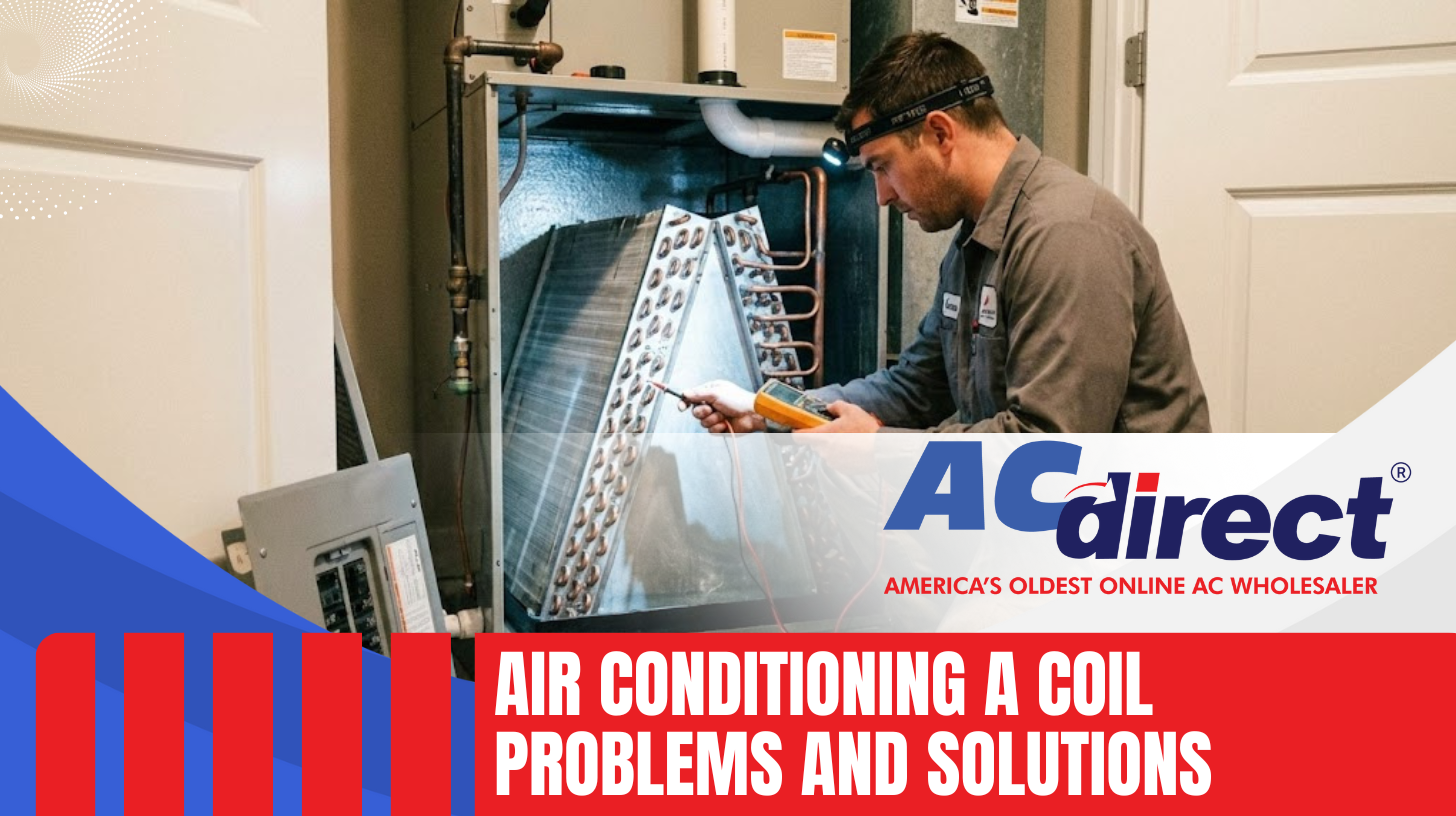
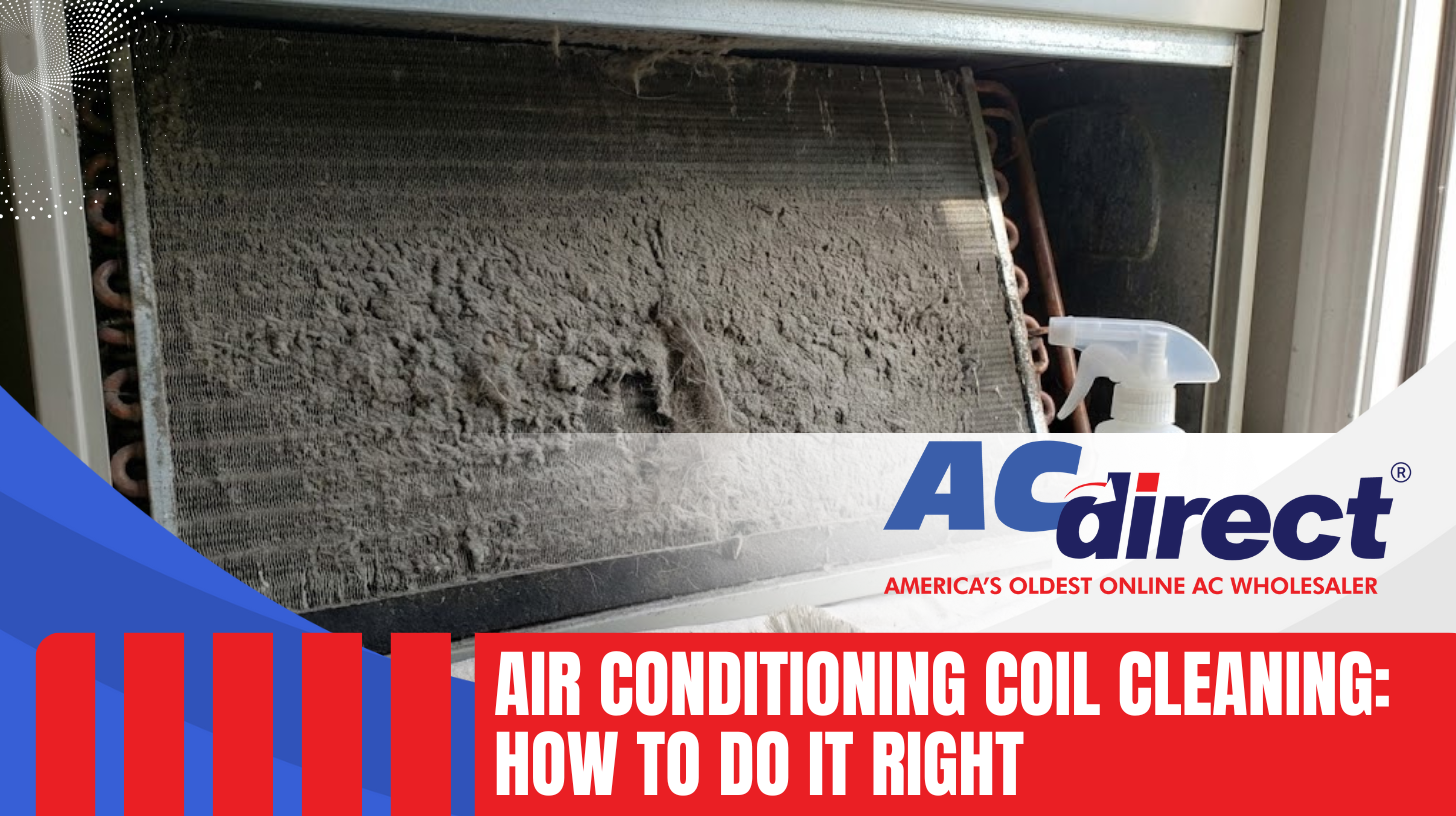
Once you've turned off the AC, you can start with some basic troubleshooting. Begin by checking the air filter, a common culprit behind an air conditioner’s poor performance. A dirty or clogged air filter restricts airflow, diminishing the system's efficiency and ability to cool the air. Replacing or cleaning the air filter is a simple maintenance task that you can do yourself, and it often restores the unit to good working order.
Next, check the air return grilles and vents around your home to ensure they are not blocked by furniture or curtains. Blocked vents can prevent proper air circulation, impacting the cooling efficiency of your system. Ensuring these pathways are clear can help your air conditioner perform optimally.
When to Call a Professional
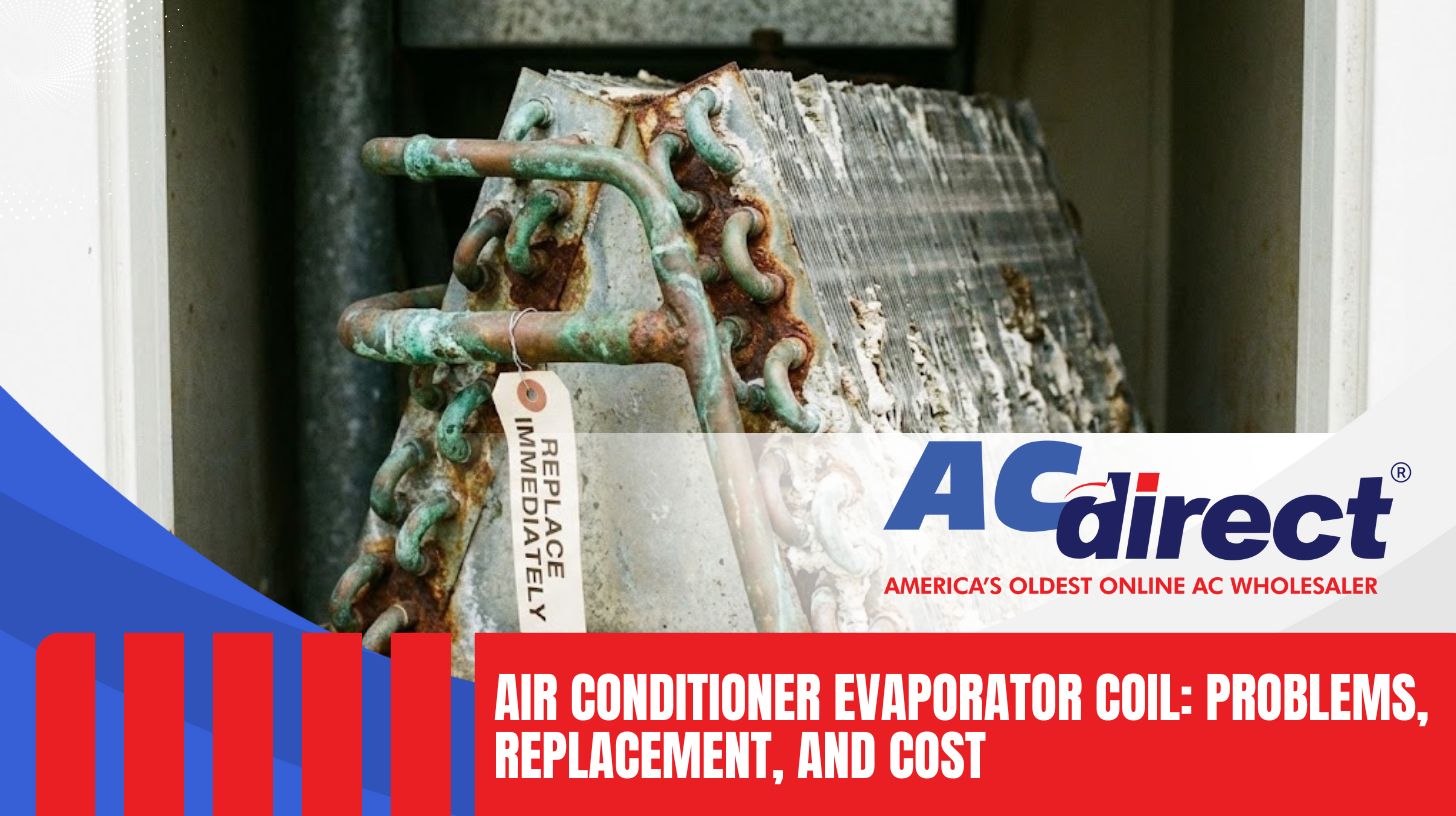
If these simple fixes—checking the air filter and ensuring vents are unobstructed—do not solve the cooling problem, it's time to consider more serious issues that require professional attention. Problems like refrigerant leaks, electrical issues, or a failing compressor are beyond the scope of DIY fixes and can worsen if not addressed promptly.
Contacting a professional HVAC technician is advisable. They can conduct a thorough diagnosis, checking for leaks, assessing the health of the compressor, and ensuring that all electrical connections are secure and functioning correctly. A professional can also measure refrigerant levels and check the thermostat and other controls to ensure they are correctly calibrated, which can be crucial in systems like a ductless mini split.
Preventative Maintenance: The Key to Longevity and Efficiency
To prevent future issues and ensure your air conditioner operates efficiently, regular maintenance is essential. This includes annual check-ups by a certified technician who can perform comprehensive inspections and cleanings. These professionals will check all components of your system, including the mini split ac or your ductless air conditioner, to ensure they're running smoothly and efficiently. Regular maintenance not only extends the life of your AC but also improves energy efficiency and cooling performance.
Long-Term Cooling Solutions
If you're facing recurrent issues with your traditional air conditioner or if it consistently fails to cool effectively, considering an upgrade or a switch to a more reliable cooling system like a mini split system might be beneficial. Mini splits are known for their efficiency and effectiveness in providing consistent cooling and heating without the extensive ductwork of traditional HVAC systems.
Final Thoughts
Turning off your AC when it's not cooling is more than a precaution; it's a necessary first step in troubleshooting and protecting your system from further damage. By understanding when to perform simple checks and when to call in the experts, you ensure your air conditioner remains a reliable refuge from the heat. Regular maintenance and being proactive about potential issues can keep your cooling system at peak performance, providing comfort and energy efficiency year-round.