 and now, NASCAR Racing Sponsor


Blower Coiled? Troubleshooting Your AC Unit
-
 By
Michael Haines
By
Michael Haines
- Oct 5, 2023
Hi, I'm Mike Haines, and I've spent years helping homeowners and small business owners understand their HVAC systems. One issue I see frequently is a frozen or “blower coiled” AC unit. This writeup is designed to help you understand what a blower coil is, how it works, common problems, and how to troubleshoot them. I'll also cover when it’s time to call a professional and how to make informed decisions about replacement.
If your AC isn't performing as it should, it could be due to a blower coiled issue. Let’s explore this essential component of your HVAC system and how to keep it running smoothly.
Key Highlights
- A blower coil is a crucial component of your HVAC system, responsible for circulating air for both heating and cooling.
- Common causes of a frozen blower coil include restricted airflow, refrigerant leaks, and mechanical issues.
- Regular maintenance, such as filter replacement and professional inspections, can prevent many blower coil problems.
- Knowing when to repair versus replace your blower coil can save you money and ensure efficient HVAC performance.
- Matching your blower coil with the correct outdoor unit is vital for optimal system efficiency and energy savings.
What is a Blower Coil?
The blower coil is a vital part of your central air conditioning and heating system. Often referred to as an indoor coil or evaporator coil, it's the component responsible for either cooling or heating the air that circulates through your home or business.
Key Components of a Blower Coil
The blower coil unit typically consists of several key components:
- Coil: This is where the refrigerant absorbs heat from your home (in cooling mode) or releases heat into your home (in heating mode).
- Blower Fan: The fan forces air across the coil, facilitating the heat transfer process.
- Drain Pan: Condensation forms on the coil during cooling. The drain pan collects this moisture and directs it away from the unit.
- Housing: The housing protects the components and helps direct airflow.
The Role of the Blower Coil in Your HVAC System
The blower coil works in conjunction with your outdoor unit (air conditioner or heat pump) to provide conditioned air. Here’s a breakdown of its role in both cooling and heating modes.
Cooling Mode
In cooling mode, the refrigerant in the outdoor unit absorbs heat from inside your home and transfers it outside. The refrigerant then flows to the blower coil, where it evaporates, absorbing even more heat from the air passing over the coil. The blower fan then pushes the cooled air through your ductwork and into your living spaces.
Heating Mode
In heating mode (for heat pumps), the process is reversed. The outdoor unit absorbs heat from the outside air (even in cold temperatures) and transfers it to the refrigerant. The refrigerant then flows to the blower coil, where it condenses, releasing heat into the air. The blower fan circulates this heated air throughout your home.
Types of Blower Coils
Blower coils come in various configurations to suit different HVAC systems and installation requirements. Here are some common types:
Standard Blower Coils
These are the most common type and are typically found in traditional split systems. They are designed for use with a specific size and type of outdoor unit.
Cased vs. Uncased Blower Coils
Cased coils come with a metal cabinet or housing, making them easier to install and protect. Uncased coils are just the coil itself and are typically installed within an existing air handler or furnace.
Horizontal vs. Vertical Blower Coils
These refer to the orientation of the coil. Horizontal coils are installed in attics or crawl spaces where space is limited, while vertical coils are typically installed in closets or utility rooms.
Why the Right Blower Coil Matters for Homeowners
Choosing the right blower coil is crucial for efficient and effective heating and cooling. Here’s why it matters:
Optimal Performance
A properly matched blower coil ensures that your HVAC system operates at its peak performance. This means consistent temperatures, reduced energy consumption, and a longer lifespan for your equipment.
Energy Efficiency
An efficient blower coil can significantly reduce your energy bills. Look for models with high energy efficiency ratings to maximize your savings. Gas furnace and air conditioner combo prices can impact energy savings significantly.
System Longevity
Using the wrong blower coil can strain your HVAC system, leading to premature wear and tear. The right coil will help your system run smoothly and last longer.
Factors to Consider When Choosing a Blower Coil
Selecting the right blower coil involves considering several factors. Here’s what to keep in mind:
Size and Capacity
The size of the blower coil should match the capacity of your outdoor unit. An undersized coil won't be able to cool or heat your home effectively, while an oversized coil can lead to short cycling and reduced efficiency.
SEER and HSPF Ratings
Ensure that the blower coil is compatible with the Seasonal Energy Efficiency Ratio (SEER) rating of your air conditioner and the Heating Seasonal Performance Factor (HSPF) rating of your heat pump. A mismatched coil can negate the benefits of a high-efficiency outdoor unit.
Installation Space
Consider the available space in your home when choosing a blower coil. Horizontal coils are ideal for tight spaces, while vertical coils are better suited for larger areas.
Blower Coil Efficiency and Energy Savings
An efficient blower coil can save you money on your energy bills and reduce your carbon footprint. Here’s how to maximize efficiency:
Energy-Efficient Models
Look for blower coils with high Energy Star ratings. These models are designed to use less energy and provide optimal performance.
Variable Speed Blowers
Variable speed blower coils can adjust the airflow based on the heating or cooling demand. This results in more consistent temperatures, reduced energy consumption, and quieter operation.
Proper Insulation
Ensure that the blower coil and ductwork are properly insulated to prevent heat loss or gain. This will help maintain consistent temperatures and reduce energy waste. Grant PUD offers some guidance on energy efficiency and savings.
Cost of Blower Coils Factors and Budgeting
The cost of a blower coil can vary depending on several factors. Here’s a breakdown of what to expect:
Initial Purchase Price
The initial cost of a blower coil can range from a few hundred to several thousand dollars, depending on the size, type, and efficiency of the unit.
Installation Costs
Professional installation is typically required for blower coils. Installation costs can vary depending on the complexity of the job and the location of the unit. It may be tempting to look at Mobile home furnace & air conditioner combo options to try and save some money.
Long-Term Savings
While the initial cost may seem high, an energy-efficient blower coil can save you money on your energy bills over the long term. Factor in these savings when budgeting for a new coil.
Installation and Maintenance Tips for Blower Coils
Proper installation and maintenance are essential for ensuring the longevity and efficiency of your blower coil. Here are some tips:
Professional Installation
Always hire a qualified HVAC technician to install your blower coil. Proper installation is crucial for optimal performance and safety.
Regular Filter Replacement
Replace your air filter regularly (every 1-3 months) to maintain proper airflow and prevent dust and debris from accumulating on the coil. A dirty filter can cause the blower motor to work harder and potentially overheat.
Annual Inspections
Schedule annual inspections with a qualified HVAC technician to check for any potential problems. Regular maintenance can help prevent costly repairs and extend the life of your system.
Troubleshooting Common Blower Coil Problems
Blower coils can experience various problems over time. Here are some common issues and how to troubleshoot them:
Frozen Coil
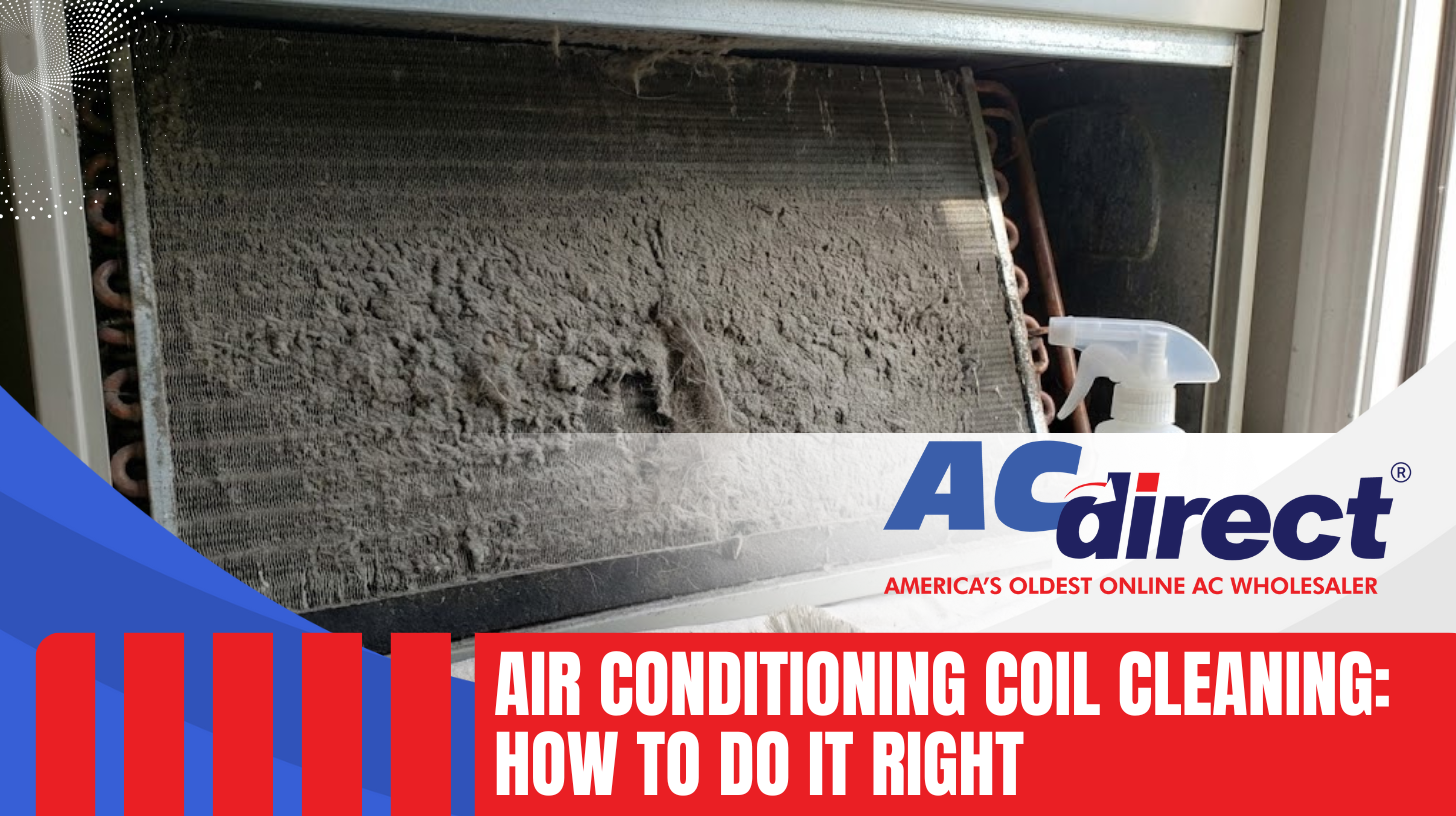
A frozen coil is one of the most common problems. It can be caused by restricted airflow, refrigerant leaks, or mechanical issues. Try replacing the air filter first. If that doesn't solve the problem, call a professional.
Reduced Airflow
Reduced airflow can be caused by a dirty air filter, blocked ductwork, or a failing blower motor. Check the filter and ductwork for any obstructions. If the problem persists, consult a technician.
Unusual Noises
Unusual noises, such as squealing or grinding, can indicate a problem with the blower motor or other components. Turn off the system and call a professional.
When to Consider Blower Coil Replacement
In some cases, repairing a blower coil may not be the most cost-effective solution. Here are some signs that it’s time to consider replacement:
Age of the Unit
If your blower coil is more than 10-15 years old, it may be nearing the end of its lifespan. Replacement may be more cost-effective than continuing to repair an aging unit.
Frequent Repairs
If you’re constantly repairing your blower coil, it may be time to replace it. Frequent repairs can add up over time and indicate a more serious underlying problem.
Decreased Efficiency
If your energy bills have been steadily increasing, it could be a sign that your blower coil is losing efficiency. A new, energy-efficient model can save you money in the long run.
Matching Blower Coils with Your Outdoor Unit
Matching your blower coil with the correct outdoor unit is crucial for optimal performance and efficiency. Here’s what you need to know:
Capacity Matching
The capacity of the blower coil should match the capacity of the outdoor unit. A mismatched system can lead to reduced efficiency and premature wear and tear.
SEER and HSPF Compatibility
Ensure that the blower coil is compatible with the SEER rating of your air conditioner and the HSPF rating of your heat pump. A mismatched coil can negate the benefits of a high-efficiency outdoor unit. I always advise homeowners to double-check these ratings.
Professional Consultation
Consult with a qualified HVAC technician to ensure that your blower coil and outdoor unit are properly matched. They can assess your specific needs and recommend the best system for your home.
Blower Coils and Indoor Air Quality
The blower coil plays a role in indoor air quality. Here’s how to ensure that your system is contributing to a healthy indoor environment:
Air Filtration
Use high-quality air filters to remove dust, pollen, and other contaminants from the air. Replace the filter regularly to maintain proper airflow and air quality.
Coil Cleaning
Have your blower coil cleaned regularly to remove any mold or bacteria that may have accumulated. A clean coil will help improve air quality and prevent respiratory problems.
UV Lights
Consider installing UV lights in your ductwork to kill any mold or bacteria that may be present. UV lights can help improve indoor air quality and reduce the risk of respiratory illness.
The Future of Blower Coil Technology
Blower coil technology is constantly evolving. Here are some trends to watch for:
Smart Technology
Newer models are incorporating smart technology, such as Wi-Fi connectivity and remote control. This allows you to monitor and adjust your system from anywhere.
Improved Efficiency
Manufacturers are constantly developing more energy-efficient blower coils. Look for models with high SEER and HSPF ratings to maximize your savings.
Advanced Materials
New materials are being used to improve the durability and performance of blower coils. These materials can help prevent corrosion and extend the life of the unit. Consider units from Ac units direct for the latest advancements.
Frequently Asked Questions
What is the primary function of a blower coil in my HVAC system?
The blower coil circulates air across the evaporator coil (for cooling) or heating coil (for heating). It then distributes the conditioned air through your home's ductwork, ensuring consistent temperature and comfortable airflow.
How often should I have my blower coil inspected or maintained?
It's best to have your entire HVAC system, including the blower coil, inspected annually by a qualified technician. Regular maintenance can catch small problems early and extend the life of your system.
What are some signs that my blower coil might be failing or need replacement?
Keep an eye out for reduced airflow, inconsistent temperatures, unusual noises coming from your HVAC unit, increased energy bills, and any visible damage or corrosion on the coil itself. These can all be signs of a failing blower coil.
Can I replace a blower coil myself, or do I need a professional?
Replacing a blower coil is complicated and involves working with electrical components and refrigerant. It's highly recommended to hire a qualified HVAC technician to ensure the job is done safely and correctly.
How does the SEER rating of my outdoor unit affect the choice of a blower coil?
The blower coil needs to be compatible with the SEER rating of your outdoor unit to achieve the best possible efficiency. A mismatched blower coil can actually lower the overall efficiency of your system, wasting energy and money.
What is a variable speed blower coil, and how does it improve efficiency?
A variable speed blower coil can adjust the airflow based on how much heating or cooling you need. This leads to more consistent temperatures, uses less energy, and operates more quietly compared to standard single-speed blower coils.
How does a dirty air filter affect my blower coil?
A dirty air filter restricts airflow, forcing the blower motor to work harder and potentially overheat. This can cause the blower coil and other HVAC components to fail sooner than they should. Make sure to replace your air filter regularly!
Final Thoughts
Understanding your blower coil is essential for maintaining a comfortable and efficient home. By knowing the key components, common problems, and maintenance tips, you can keep your HVAC system running smoothly for years to come.
Don't hesitate to consult with a qualified HVAC technician for any complex issues or concerns. Professional guidance can help you make informed decisions about repair or replacement, ensuring that you get the most out of your HVAC system.
Ultimately, investing in a well-maintained and properly matched blower coil is an investment in your home's comfort and energy efficiency. Take the time to research your options and choose the best solution for your specific needs.