 and now, NASCAR Racing Sponsor


Carrier AC Coils: Understanding Common Problems and Solutions
-
 By
Michael Haines
By
Michael Haines
- Oct 14, 2023

Hi, I'm Mike Haines, founder of AC Direct. If you're experiencing problems with your Carrier air conditioner, the AC coil might be the culprit. Many homeowners don't realize how crucial this component is for efficient cooling. I'll walk you through common issues, maintenance tips, and what to consider when repairing or replacing your Carrier AC coil, to help you make the best decision for your home and budget.
- Carrier AC coils are essential for efficient heat transfer in your air conditioning system.
- Common problems include leaks, corrosion, and freezing, which can significantly reduce cooling performance.
- Regular maintenance, such as cleaning, can extend the life of your AC coil and prevent costly repairs.
- When replacement is necessary, consider factors like coil type, efficiency (SEER rating), and compatibility with your existing system.
- Consulting a qualified HVAC technician is crucial for accurate diagnosis, proper installation, and warranty validation.
What are Carrier AC Coils and Why are They Important?
Carrier AC coils are vital components in your air conditioning system. They're responsible for absorbing heat from your indoor air and transferring it outside, providing the cooling we rely on. Think of them as the engine of your AC unit; without properly functioning coils, your system will struggle to keep your home comfortable.
The AC coil works by circulating refrigerant, a special fluid that absorbs and releases heat as it changes between liquid and gas states. The indoor coil, called the evaporator coil, absorbs heat from your home's air. The outdoor coil, or condenser coil, releases that heat outside. If either coil is damaged or malfunctioning, the entire cooling process is compromised.
Understanding the Different Types of Carrier AC Coils
Carrier offers various types of AC coils designed for different systems and applications. The two main types are:
- Evaporator Coils: These are located inside your air handler or furnace and absorb heat from the air circulating through your ductwork. They're typically made of copper or aluminum.
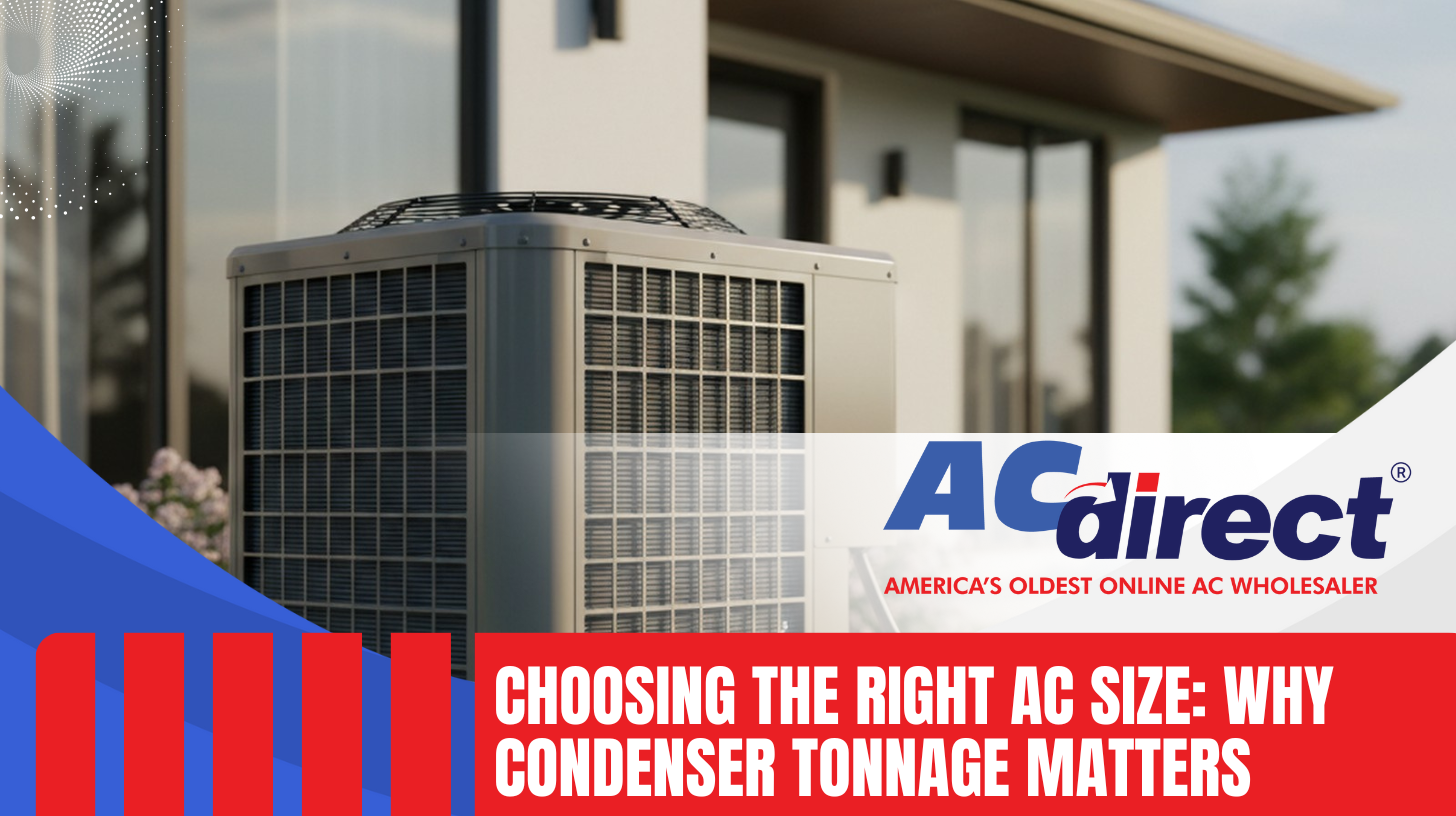
- Condenser Coils: These are located in the outdoor unit and release the heat absorbed by the evaporator coil. They also come in copper or aluminum variations.
Within these types, you'll find different configurations, such as A-coils, N-coils, and flat coils. The best type for your system depends on factors like available space, airflow requirements, and the overall design of your Carrier unit.
Key Factors to Consider When Choosing a Carrier AC Coil
Selecting the right Carrier AC coil is crucial for optimal performance and efficiency. Here are some key factors to keep in mind:
- Compatibility: Ensure the coil is compatible with your existing Carrier air conditioner model. Mismatched components can lead to performance issues and even damage your system.
- Material: Copper coils are known for their durability and heat transfer capabilities, but they can be more expensive. Aluminum coils are a cost-effective alternative, but may be more susceptible to corrosion in certain environments.
- Size and Configuration: The coil's size and configuration must match the specifications of your system for proper airflow and heat exchange.
Carrier AC Coil Efficiency and SEER Ratings: What to Look For
The efficiency of your AC coil directly impacts your air conditioner's overall Seasonal Energy Efficiency Ratio (SEER) rating. A higher SEER rating means better energy efficiency and lower energy bills. When choosing a Carrier AC coil, look for models designed to maximize SEER ratings. You might consider a 15 seer air conditioner for your home to improve efficiency.
Keep in mind that the AC coil is just one component that affects SEER. The entire system, including the air handler and condenser, must be properly matched to achieve the stated SEER rating.
The Role of AC Coils in Your Carrier Air Conditioner's Performance
AC coils are essential for the overall performance of your Carrier air conditioner. When they function correctly, your system efficiently cools your home while consuming minimal energy. However, problems with the coils can lead to a cascade of issues:
- Reduced Cooling Capacity: Damaged or dirty coils can't effectively transfer heat, resulting in weak cooling.
- Increased Energy Consumption: Your system has to work harder to achieve the desired temperature, leading to higher energy bills.
- System Overload: Inefficient coils can put a strain on other components, potentially causing premature failure.
Signs Your Carrier AC Coil May Need Replacement
Knowing the signs of a failing AC coil can help you prevent further damage and costly repairs. Here are some common indicators that your Carrier AC coil may need replacement:
- Decreased Cooling Performance: Your air conditioner struggles to maintain the set temperature.
- Ice Buildup on the Coil: This indicates restricted airflow or a refrigerant leak.
- Refrigerant Leaks: Visible leaks or a hissing sound near the unit are signs of a serious problem.
- Corrosion: Corrosion can damage the coil and reduce its ability to transfer heat.
- Age: If your AC coil is over 10-15 years old, it may be nearing the end of its lifespan.
Troubleshooting Common Carrier AC Coil Problems
Before calling a technician, there are a few simple troubleshooting steps you can take:
- Check the Air Filter: A dirty air filter restricts airflow and can cause the coil to freeze. Replace it regularly.
- Clean the Outdoor Unit: Remove any debris, such as leaves or grass, that may be blocking airflow around the condenser coil.
- Ensure Proper Airflow: Make sure vents are open and not blocked by furniture.
If these steps don't resolve the issue, it's time to call a qualified HVAC professional.
Maintenance Tips to Extend the Life of Your Carrier AC Coil
Proper maintenance is key to extending the life of your Carrier AC coil and preventing costly repairs. Here are some essential maintenance tips:
- Regular Air Filter Replacement: Change your air filter every 1-3 months, depending on usage and air quality.
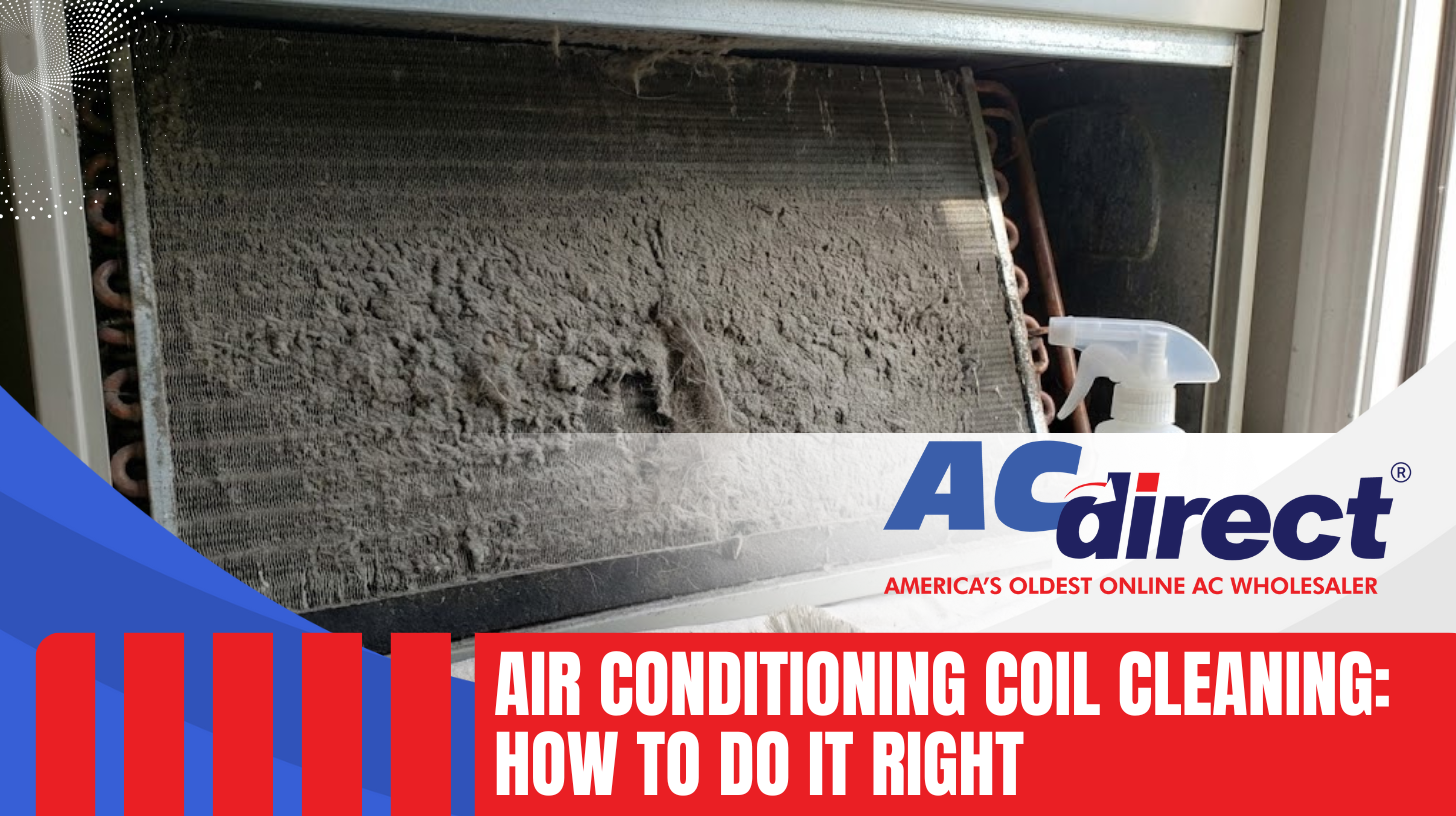
- Professional Cleaning: Schedule annual professional cleaning to remove dirt, dust, and debris from the coils.
- Inspect for Leaks: Periodically check for signs of refrigerant leaks, such as oily residue or a hissing sound.
- Maintain Proper Airflow: Ensure adequate airflow around the indoor and outdoor units.
By following these tips, you can keep your AC coil in good condition and maximize its lifespan.
Professional Cleaning vs. DIY: What's Best for Your AC Coil?
While you can clean the exterior of your AC unit yourself, cleaning the AC coil itself is a different story. DIY cleaning can be risky, as improper techniques or harsh chemicals can damage the delicate fins and tubes. I always recommend professional cleaning for the AC coil itself.
A professional HVAC technician has the tools and expertise to safely and effectively clean your AC coil without causing damage. They can also identify and address any potential problems, such as leaks or corrosion.
The Cost of Replacing a Carrier AC Coil: Factors to Consider
The cost of replacing a Carrier AC coil can vary depending on several factors:
- Type of Coil: The type of coil (evaporator or condenser) and its material (copper or aluminum) will affect the price.
- System Compatibility: Matching the coil to your existing system may require modifications or additional components, increasing the cost.
- Labor Costs: Labor rates vary depending on your location and the complexity of the installation.
- Warranty: Check if your existing warranty covers any part of the replacement cost.
I see a lot of homeowners surprised by the cost, so it's always a good idea to get quotes from multiple contractors before making a decision. Also consider the 1 1 2 ton air conditioning unit if your system is outdated.
Finding a Qualified HVAC Technician for Carrier AC Coil Services
When it comes to AC coil repair or replacement, it's essential to hire a qualified HVAC technician with experience working on Carrier systems. Look for a technician who is licensed, insured, and has positive reviews. Ask for references and check their credentials before hiring them.
A qualified technician will accurately diagnose the problem, recommend the appropriate solution, and perform the work to the highest standards. They'll also ensure that your system is running safely and efficiently.
Carrier AC Coil Warranty Information and Claims
Carrier offers warranties on its AC coils, but the terms and coverage can vary depending on the model and installation date. Be sure to review your warranty information carefully to understand what's covered and for how long.
To make a warranty claim, you'll typically need to provide proof of purchase, installation date, and maintenance records. It's also essential to use a qualified technician for any repairs or replacements to avoid voiding the warranty.
Are Third-Party AC Coils Compatible with Carrier Systems?
While third-party AC coils may seem like a cost-effective alternative, I generally advise against using them with Carrier systems. Carrier designs its components to work together seamlessly, and using a third-party coil can compromise performance and efficiency. Additionally, using non-approved parts may void your warranty.
It's always best to stick with genuine Carrier replacement parts to ensure optimal performance and compatibility.
When to Repair vs. Replace Your Carrier AC Coil
Deciding whether to repair or replace your Carrier AC coil depends on several factors, including the age of the coil, the extent of the damage, and the cost of repairs. In general, if the coil is relatively new and the damage is minor, repair may be a viable option.
However, if the coil is old, heavily corroded, or has a major leak, replacement is usually the more cost-effective solution in the long run. Replacing the coil can improve efficiency and prevent future problems.
It's important to get a professional assessment from a qualified HVAC technician to determine the best course of action.
The Future of AC Coil Technology in Carrier Systems
Carrier is constantly innovating and developing new AC coil technologies to improve efficiency, durability, and performance. Some emerging trends include:
- Microchannel Coils: These coils use a compact design with enhanced heat transfer capabilities.
- Coated Coils: Special coatings protect the coil from corrosion and extend its lifespan.
- Smart Coils: These coils incorporate sensors and controls to optimize performance and detect potential problems.
As technology advances, we can expect to see even more efficient and reliable AC coils in Carrier systems.
Frequently Asked Questions
What is the typical lifespan of a Carrier AC coil?
A Carrier AC coil typically lasts between 10 to 15 years if it’s properly maintained. However, environmental conditions, how often you use it, and the quality of the original installation can all affect its lifespan.
How can I tell if my Carrier AC coil is leaking?
If your AC coil is leaking, you might notice that your system isn't cooling as well, there's ice buildup on the coil, you hear a hissing sound near the unit, or you smell a musty odor coming from your vents. It's best to have a professional inspection to confirm if there's a leak.
What is the average cost to replace a Carrier AC coil?
Replacing a Carrier AC coil can cost anywhere from $800 to $2500. The price depends on the type of coil, how complicated the installation is, and the labor costs in your area. I always recommend getting several quotes from qualified HVAC technicians.
Can I clean my Carrier AC coil myself?
You can clean the outside of the coil with a soft brush and some mild detergent, but cleaning the inside should be left to the professionals. If you don't clean it properly, you could damage the coil and make it less efficient. It's always a good idea to call a qualified HVAC technician for professional AC coil cleaning.
What are the benefits of upgrading to a more efficient Carrier AC coil?
Upgrading to a more efficient AC coil can boost your air conditioner's SEER rating, which means lower energy bills and better cooling. It can also reduce stress on other parts of your system, potentially making your entire HVAC system last longer. Don't forget to factor in Hvac sizing when purchasing a new unit or coil. Also be mindful of water regulations if you live in areas like the one served by Pasadena Water and Power.
Final Thoughts
Your Carrier AC coil is a critical part of your home's cooling system, and understanding its function, potential problems, and maintenance needs is essential for keeping your home comfortable and your energy bills low. Whether you're facing a repair, considering a replacement, or simply looking to maintain your existing system, I hope this has given you some helpful information.
Remember, proper maintenance, timely repairs, and informed decisions are key to maximizing the lifespan and efficiency of your Carrier AC coil. Don't hesitate to consult with a qualified HVAC technician for expert advice and professional services.
By taking the time to understand your AC coil and making smart choices, you can ensure that your Carrier air conditioner provides reliable and efficient cooling for years to come.