 and now, NASCAR Racing Sponsor


Carrier AC Condenser Coils: Understanding Your Cooling System's Heart
-
 By
Michael Haines
By
Michael Haines
- Oct 16, 2023

Hello, I'm Mike Haines, founder of AC Direct. As someone who's spent years in the HVAC industry, I understand how crucial each component is to your air conditioning system's overall performance. Today, I want to focus on Carrier AC condenser coils, a vital part of your cooling system. This information is designed for homeowners and small business owners who want to understand their AC systems better and make informed decisions about maintenance and potential replacements.
- Carrier AC condenser coils are essential for releasing heat and cooling your home.
- Regular maintenance, including cleaning, can significantly extend the life of your condenser coil.
- Several factors can cause coil failure, including corrosion, physical damage, and refrigerant leaks.
- Choosing the right replacement coil involves considering size, material, and compatibility with your existing system.
- Professional installation is highly recommended for condenser coil replacement to ensure proper and safe operation.
What is a Carrier AC Condenser Coil?
The condenser coil is a critical component of your Carrier air conditioning system, typically located in the outdoor unit. Its primary function is to release the heat absorbed from inside your home. Refrigerant, a special fluid, circulates through the coil, transferring heat to the outside air. This process allows the refrigerant to cool down and return indoors to absorb more heat, continuing the cooling cycle.
Why is the Condenser Coil Important for Your AC?
Without a properly functioning condenser coil, your AC system can't effectively remove heat from your home. This leads to several problems, including reduced cooling capacity, higher energy consumption, and increased strain on other system components. A damaged or inefficient coil can cause your compressor to work harder, potentially leading to premature failure and costly repairs. Keeping this component in good shape is essential for efficient and reliable cooling. The size of your house will determine the necessary size of your 4 ton ac unit.
Types of Carrier AC Condenser Coils
Carrier offers various types of condenser coils, each designed with specific features and materials to optimize performance and durability. Common types include:
- Copper Coils: Known for their excellent heat transfer properties and resistance to corrosion, copper coils are a traditional choice.
- Aluminum Coils: Lighter and often more affordable than copper, aluminum coils offer good heat transfer and are commonly used in modern AC systems.
- Microchannel Coils: These coils feature a compact design with small channels for refrigerant flow, offering enhanced heat transfer efficiency and reduced refrigerant charge.
The best type for your system will depend on factors such as your budget, environmental conditions, and the specific requirements of your Carrier AC model.
Common Problems with Carrier AC Condenser Coils
Several issues can affect the performance and lifespan of your Carrier AC condenser coil. Some of the most common problems I see include:
- Corrosion: Exposure to moisture, salt air, and pollutants can cause corrosion, leading to leaks and reduced efficiency.
- Physical Damage: Hail, debris, and accidental impacts can damage the fins and tubes of the coil, restricting airflow and reducing heat transfer.
- Refrigerant Leaks: Leaks can occur due to corrosion, damage, or faulty connections, leading to reduced cooling capacity and potential environmental concerns.
- Dirt and Debris Buildup: Accumulation of dirt, leaves, and other debris can insulate the coil, hindering heat transfer and causing the system to work harder.
Regular inspection and maintenance can help prevent or mitigate these problems.
Signs of a Failing AC Condenser Coil
Recognizing the signs of a failing condenser coil early can save you from more extensive and expensive repairs. Here are some indicators to watch out for:
- Reduced Cooling Performance: If your AC struggles to cool your home, even when running for extended periods, it could be a sign of a failing coil.
- Higher Energy Bills: An inefficient coil forces your system to work harder, resulting in increased energy consumption and higher utility costs.
- Unusual Noises: Hissing or bubbling sounds from the outdoor unit may indicate a refrigerant leak in the coil.
- Visible Damage or Corrosion: Inspect the coil for signs of physical damage, such as bent fins or dents, or corrosion, such as rust or discoloration.
- Refrigerant Leaks: If you notice oily residue or ice buildup on the coil, it could be a sign of a refrigerant leak.
If you observe any of these symptoms, it's best to consult with a qualified HVAC technician to diagnose the problem and recommend the appropriate solution.
How to Choose the Right Replacement Coil
If your Carrier AC condenser coil is beyond repair, choosing the right replacement is crucial for ensuring optimal performance and compatibility. Here are some factors to consider:
- Compatibility: Ensure the replacement coil is compatible with your existing Carrier AC model. Check the manufacturer's specifications and consult with an HVAC professional.
- Size and Capacity: The replacement coil should have the same size and capacity as the original to ensure proper heat transfer and cooling performance.
- Material: Consider the material of the coil, such as copper or aluminum, based on your budget and environmental conditions.
- Efficiency: Look for a coil with a high energy efficiency rating to minimize energy consumption and lower your utility bills.
I recommend getting professional advice to determine the best replacement coil for your specific needs. Your local utility company may also offer rebates for energy-efficient upgrades. Riverside Public Utilities is a good resource for residents of Riverside.
Carrier AC Condenser Coil Cost and Efficiency
The cost of a Carrier AC condenser coil can vary widely depending on the type, size, and efficiency of the unit. Generally, you can expect to pay anywhere from a few hundred to over a thousand dollars for a replacement coil alone. Labor costs for installation can add significantly to the total expense. While a higher-efficiency coil may have a higher upfront cost, it can save you money in the long run through reduced energy consumption. When looking for a new air Air con unit for house, it's important to keep budget in mind.
Maintaining Your Carrier AC Condenser Coil
Proper maintenance is essential for extending the life of your Carrier AC condenser coil and ensuring optimal performance. Here are some tips for maintaining your coil:
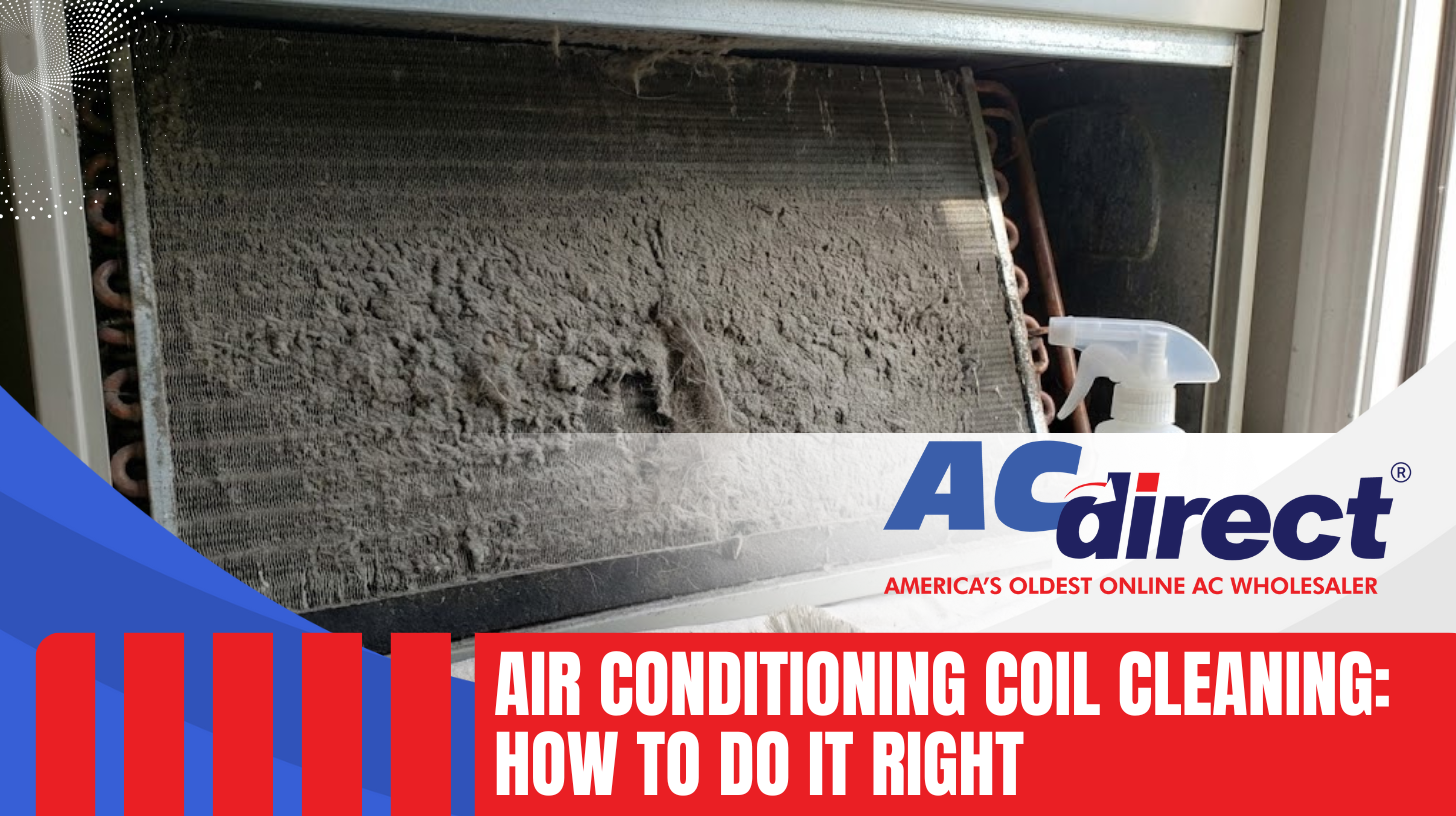
- Regular Cleaning: Clean the coil regularly to remove dirt, debris, and leaves that can insulate the coil and reduce heat transfer. Use a garden hose with a gentle spray nozzle to rinse the coil from the inside out.
- Straighten Bent Fins: Use a fin comb to straighten any bent fins on the coil, which can restrict airflow and reduce efficiency.
- Trim Surrounding Vegetation: Keep vegetation trimmed back from the outdoor unit to ensure adequate airflow and prevent debris from accumulating on the coil.
- Professional Inspection: Schedule regular professional inspections to identify and address any potential problems early on.
By following these maintenance tips, you can help keep your condenser coil in good condition and prolong its lifespan.
When to Call a Professional HVAC Technician
While some maintenance tasks can be performed by homeowners, certain issues require the expertise of a qualified HVAC technician. It's best to call a professional if you experience any of the following:
- Refrigerant Leaks: Refrigerant leaks require specialized equipment and knowledge to repair safely and effectively.
- Complex Repairs: If you're not comfortable working with electrical components or handling refrigerant, it's best to leave complex repairs to a professional.
- System Diagnosis: A professional can accurately diagnose the cause of any performance issues and recommend the appropriate solution.
- Warranty Concerns: Attempting to repair a coil yourself may void the warranty, so it's best to consult with a professional to ensure compliance.
Hiring a qualified technician can ensure that the job is done safely and correctly, protecting your investment and ensuring optimal performance.
Tips for Extending the Life of Your AC Condenser Coil
Here are some additional tips to help extend the life of your AC condenser coil:
- Install a Protective Cover: Consider installing a protective cover over the outdoor unit during the winter months to shield it from harsh weather conditions.
- Use a Surge Protector: Protect your AC system from power surges, which can damage the coil and other components.
- Avoid Chemical Cleaners: Use mild soap and water or a specialized coil cleaner to avoid damaging the coil.
- Schedule Regular Maintenance: Regular maintenance can help identify and address potential problems early on, preventing more extensive damage.
By following these tips, you can help maximize the lifespan of your AC condenser coil and ensure reliable cooling performance for years to come. Consider looking at Wholesale air conditioning units if you're looking for a new unit.
Frequently Asked Questions
How often should I clean my Carrier AC condenser coil?
Ideally, you should clean your AC condenser coil at least once a year, preferably before the start of the cooling season. If you live in a dusty or pollen-heavy environment, you might consider cleaning it more frequently, such as every 3-6 months.
What are the signs that my Carrier AC condenser coil is failing?
Common signs include reduced cooling performance, higher energy bills, unusual noises coming from the unit, visible damage or corrosion on the coil, and refrigerant leaks. If you notice any of these signs, it's best to consult with a qualified HVAC technician.
Can I replace a Carrier AC condenser coil myself?
Replacing an AC condenser coil is a complex task that requires specialized tools, knowledge of refrigerants, and EPA certification. It's highly recommended to hire a licensed HVAC technician to perform this repair to ensure it's done safely and correctly.
What is the average lifespan of a Carrier AC condenser coil?
With proper maintenance, a Carrier AC condenser coil can last anywhere from 10 to 15 years. However, factors like environmental conditions, usage patterns, and the quality of the original installation can affect its lifespan.
How much does it cost to replace a Carrier AC condenser coil?
The cost to replace a Carrier AC condenser coil can vary depending on the coil type, unit size, and labor costs in your area. Generally, you can expect to pay anywhere from $500 to $2000 or more. It's best to get quotes from multiple HVAC contractors to compare pricing.
Final Thoughts
Understanding your Carrier AC condenser coil is essential for maintaining a comfortable and energy-efficient home. Regular maintenance, prompt repairs, and informed replacement decisions can help you maximize the lifespan of your cooling system and minimize energy costs. I hope this has helped give you a good understanding of your AC condenser coil.
Remember, when in doubt, consult with a qualified HVAC technician for expert advice and professional service. Making informed decisions about your HVAC system will not only save you money but also ensure a comfortable and healthy indoor environment for you and your family.
By staying proactive and informed, you can keep your Carrier AC system running smoothly for years to come.