 and now, NASCAR Racing Sponsor


Central Air Conditioning Coil: Troubleshooting Common Issues
-
 By
Michael Haines
By
Michael Haines
- Oct 31, 2023
Hi, I'm Mike Haines, founder of AC Direct. If you're experiencing issues with your central air conditioning system, the AC coil might be the culprit. This component is crucial for cooling your home, and problems with it can lead to discomfort and higher energy bills. This information is for homeowners and small business owners who want to understand their AC systems better and troubleshoot common issues.
Key Highlights
- The AC coil is a critical component in your central air conditioning system, responsible for heat exchange.
- Common issues include leaks, freezing, and dirt buildup, which can reduce cooling efficiency.
- Regular maintenance and timely repairs are essential to extend the life of your AC coil and maintain optimal performance.
- Matching the AC coil to your condenser and furnace is crucial for system efficiency and SEER rating.
- Knowing when to call a professional for AC coil service can save you time and money in the long run.
What is a Central Air Conditioning Coil?
The central air conditioning coil, often referred to as the evaporator coil, is a vital component of your home's cooling system. It's typically located inside your air handler or attached to your furnace. Its primary function is to absorb heat from the air inside your home, cooling it down before it's circulated back through your vents.
Refrigerant flows through the coil, and as warm air passes over it, the refrigerant absorbs the heat. This process cools the air, providing the cool comfort you expect from your central AC system. Understanding the role of the AC coil is the first step in diagnosing and addressing any cooling issues you might be experiencing.
Why the AC Coil Matters for Home Cooling Performance
The AC coil directly impacts the efficiency and effectiveness of your entire cooling system. A properly functioning coil ensures that your system can effectively remove heat from your home, maintaining a comfortable indoor temperature. When the coil is dirty, damaged, or malfunctioning, it can lead to several problems. You might notice reduced cooling capacity, meaning your system struggles to keep your home cool, especially on hot days. Your energy bills could also increase as the system works harder to compensate. I see a lot of homeowners who don't realize how much a neglected AC coil affects their energy consumption.
Types of AC Coils: A Comparison for Homeowners
There are several types of AC coils, each with its own advantages and disadvantages. The most common types include:
- A-Coils: These are shaped like an "A" and offer a large surface area for heat transfer, making them highly efficient.
- Slab Coils: These are flat and rectangular, often used in older systems or where space is limited.
- N-Coils: Similar to A-coils but with a slightly different configuration, providing good airflow and heat transfer.
- Microchannel Coils: These are made of aluminum and are known for their corrosion resistance and efficiency.
The best type of coil for your home depends on factors like the size of your system, the available space, and your budget. You might consider a 1.5 ton ac if your home is smaller.
Matching Your AC Coil to Your Condenser and Furnace
Properly matching your AC coil to your condenser (the outdoor unit) and furnace (or air handler) is crucial for optimal performance and efficiency. An improperly matched system can lead to reduced cooling capacity, increased energy consumption, and even premature failure of components. The SEER rating of your system is affected by how well these components work together. When replacing an AC coil, it's essential to ensure that it's compatible with your existing condenser and furnace to achieve the best possible performance. Your local HVAC professional can help you with this.
SEER Ratings and AC Coil Efficiency: What to Look For
The Seasonal Energy Efficiency Ratio (SEER) rating is a measure of an air conditioner's cooling efficiency. A higher SEER rating indicates greater energy savings. The AC coil plays a significant role in determining the overall SEER rating of your system. A more efficient coil will contribute to a higher SEER rating, resulting in lower energy bills and reduced environmental impact. When shopping for a new AC coil, pay attention to the SEER rating and choose a model that meets your efficiency goals. Consider looking for an Air conditioner on sale.
AC Coil Problems: Common Issues and Solutions
Several issues can affect the performance of your AC coil. Here are some common problems and potential solutions:
Refrigerant Leaks
Refrigerant leaks can significantly reduce cooling capacity and lead to higher energy bills. A professional HVAC technician can locate and repair the leak, and then recharge the system with refrigerant.
Frozen Coil
A frozen coil can occur due to restricted airflow, low refrigerant levels, or a malfunctioning blower motor. Check your air filter and replace it if it's dirty. If the problem persists, call a professional to diagnose and repair the underlying issue.
Dirty Coil
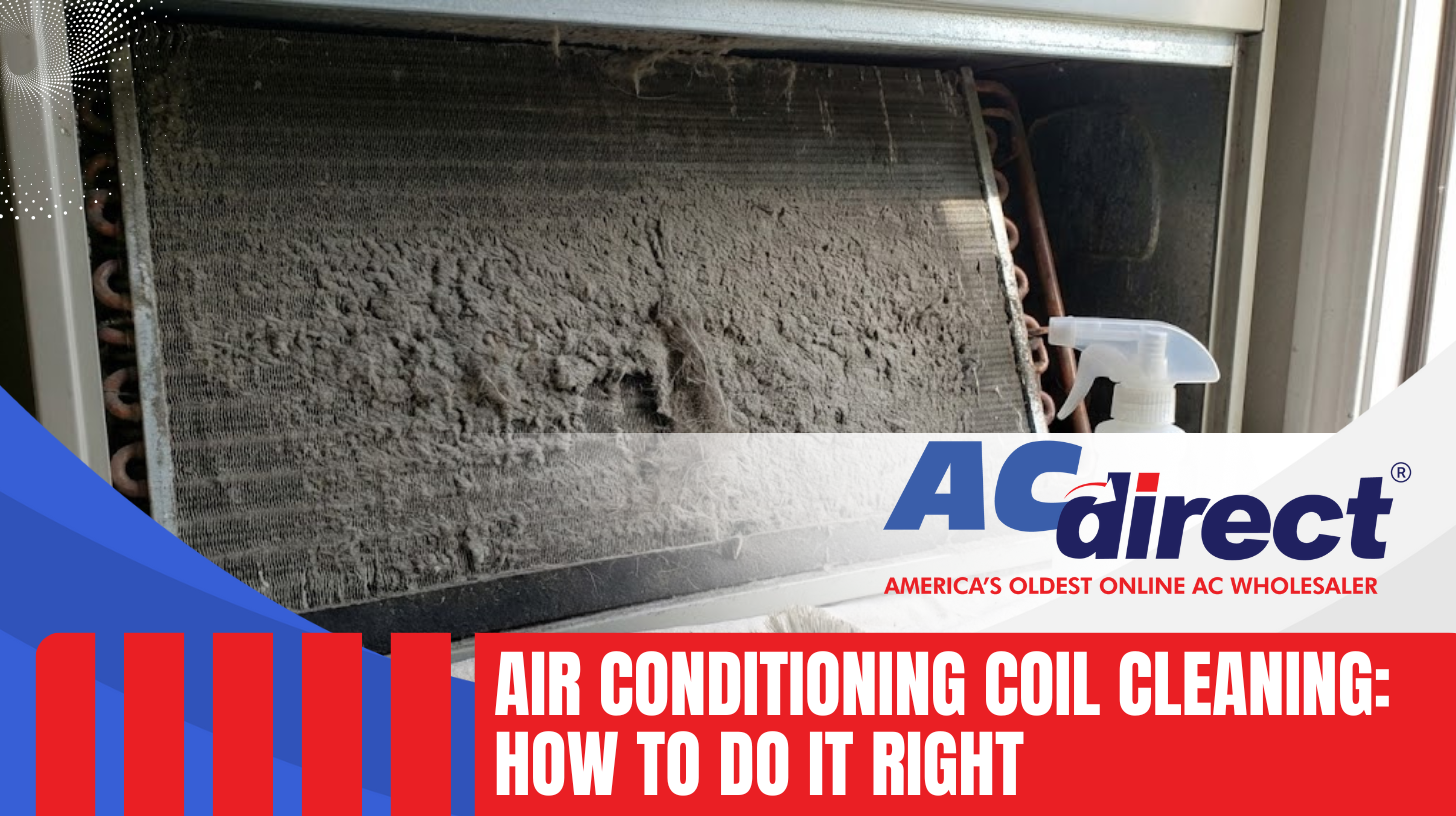
A dirty coil can reduce its ability to transfer heat effectively. Regular cleaning can help prevent this problem. You can clean the outside of the coil with a soft brush and a fin comb, or have it professionally cleaned.
Corrosion
Over time, the AC coil can corrode, especially in coastal areas or environments with high humidity. Consider a coil with enhanced corrosion resistance, such as a microchannel coil, or explore protective coatings.
How Much Does it Cost to Replace an AC Coil?
The cost to replace an AC coil can vary depending on several factors, including the type of coil, the complexity of the installation, and the labor rates in your area. Generally, you can expect to pay anywhere from a few hundred to several thousand dollars for a replacement. It's always a good idea to get quotes from multiple HVAC contractors to ensure you're getting a fair price. Don't forget to ask about any warranties or guarantees that come with the replacement coil.
Extending the Life of Your AC Coil: Maintenance Tips
Proper maintenance can significantly extend the life of your AC coil and prevent costly repairs. Here are some tips:
- Regularly replace your air filter: A clean air filter ensures proper airflow and prevents dirt and debris from accumulating on the coil.
- Clean the coil: Periodically clean the outside of the coil with a soft brush and a fin comb.
- Schedule professional maintenance: Have your AC system professionally inspected and maintained at least once a year.
- Keep the area around the outdoor unit clear: Ensure that there's no vegetation or debris blocking airflow to the condenser.
These simple steps can help keep your AC coil in good working condition and prevent premature failure.
Choosing the Right AC Coil: Key Considerations
When choosing a new AC coil, consider the following factors:
Compatibility
Ensure that the new coil is compatible with your existing condenser and furnace. An HVAC professional can help you determine the right match.
Efficiency
Look for a coil with a high SEER rating to maximize energy savings.
Durability
Choose a coil made of durable materials that can withstand the elements and resist corrosion. I suggest checking with your local Hvac wholesale supplier for advice.
Warranty
Check the warranty offered by the manufacturer. A longer warranty provides peace of mind and protects your investment.
Budget
Set a budget and compare prices from different suppliers. Remember that the cheapest option isn't always the best in the long run.
When to Call a Professional for AC Coil Service
While some AC coil maintenance tasks can be done yourself, there are times when it's best to call a professional HVAC technician. Here are some situations that warrant professional service:
Refrigerant Leaks
Refrigerant leaks require specialized equipment and expertise to repair.
Frozen Coil
If you can't resolve a frozen coil by replacing the air filter, there may be an underlying issue that requires professional diagnosis.
Complex Repairs
Any complex repairs, such as replacing a damaged coil or repairing internal components, should be handled by a qualified technician. You can contact your state regulatory body such as the Maine Public Utilities Commission to find qualified technicians in your area.
Unusual Noises or Smells
If you notice any unusual noises or smells coming from your AC system, it's best to have it checked by a professional.
Frequently Asked Questions
What is the difference between an evaporator coil and a condenser coil?
The evaporator coil absorbs heat from inside your home, while the condenser coil releases that heat outside. They work together to cool your home.
How do I know if my AC coil is failing?
Signs of a failing AC coil include reduced cooling, higher energy bills, ice buildup on the coil, and water leaks around the indoor unit.
Can I clean my AC coil myself?
You can clean the outside of the coil with a soft brush and a fin comb. However, professional cleaning is recommended for a thorough job, especially if the coil is heavily soiled.
What does SEER rating have to do with my AC coil?
The SEER rating reflects the overall efficiency of your air conditioning system, including the AC coil. A higher SEER rating means greater energy savings.
How often should I replace my AC coil?
The lifespan of an AC coil is typically 10-15 years. However, factors like maintenance, usage, and environmental conditions can affect its lifespan.
Final Thoughts
Understanding your central air conditioning coil is essential for maintaining a comfortable and efficient home. By recognizing common issues, performing regular maintenance, and knowing when to call a professional, you can extend the life of your AC coil and ensure optimal cooling performance. Remember to consider factors like compatibility, efficiency, and durability when choosing a new AC coil.
Making informed decisions about your HVAC system can save you money on energy bills and prevent costly repairs down the road. Take the time to research your options and choose the right AC coil for your needs.
AC Direct is here to help you find the right AC coil and other HVAC equipment for your home. Don't hesitate to reach out to our team with any questions or concerns.