

Coil and Blower: Key to AC Performance
-
 By
Michael Haines
By
Michael Haines
- Nov 1, 2023

Hi, I'm Mike Haines, founder of AC Direct. I want to talk about two critical components in your HVAC system: the coil and the blower. These parts are essential for keeping your home comfortable, and understanding how they work can help you ensure your system runs efficiently. This information is especially helpful for homeowners and small business owners who want to make informed decisions about their HVAC systems.
- The coil and blower are essential components of your HVAC system, responsible for cooling and air circulation.
- Different types of coils and blower motors exist, each with its own advantages and disadvantages.
- Proper maintenance and timely replacement of the coil and blower can significantly improve energy efficiency and home comfort.
- Understanding common issues with coils and blowers can help you identify problems early and prevent costly repairs.
What are the Coil and Blower in an HVAC System?
The coil and blower are two key components that work together in your HVAC system to deliver conditioned air throughout your home. The coil, specifically the evaporator coil, is responsible for cooling the air. It's filled with refrigerant that absorbs heat from the air passing over it. The blower, driven by the blower motor, is what circulates the air across the coil and through your ductwork.
Why are the Coil and Blower Important for Home Comfort?
Without a properly functioning coil and blower, your HVAC system won't be able to effectively cool or heat your home. A malfunctioning coil can lead to reduced cooling capacity, meaning your AC struggles to reach the desired temperature. A faulty blower can cause uneven air distribution, leaving some rooms too hot or too cold. Maintaining these components is vital for consistent comfort in every room.
Understanding Different Types of Coils
There are several types of coils used in HVAC systems, each designed for specific applications. The most common type is the evaporator coil, which I mentioned earlier. It's typically made of copper or aluminum and comes in various shapes and sizes. Another type is the condenser coil, located in the outdoor unit, which releases heat from the refrigerant. Selecting the right coil depends on the size and type of your HVAC system. If you are considering a new Furnace air conditioner systems, be sure to have all the data from your existing system available.
Blower Motor Types: ECM vs. PSC
The blower motor is responsible for driving the blower fan, which circulates air throughout your home. There are two main types of blower motors: Electronically Commutated Motors (ECM) and Permanent Split Capacitor (PSC) motors. ECM motors are more energy-efficient and offer variable speed operation, allowing for precise airflow control. PSC motors are less expensive but less efficient and operate at a fixed speed. While ECM motors have a higher upfront cost, their energy savings can offset the price difference over time.
How to Choose the Right Coil and Blower for Your HVAC System
Choosing the right coil and blower for your HVAC system depends on several factors, including the size of your home, your climate, and your budget. It's essential to select a coil and blower that are properly matched to your furnace or air handler to ensure optimal performance and efficiency. I always recommend consulting with a qualified HVAC technician to determine the best options for your specific needs. They can assess your home's heating and cooling requirements and recommend the right equipment.
Coil and Blower Maintenance Tips for Optimal Performance
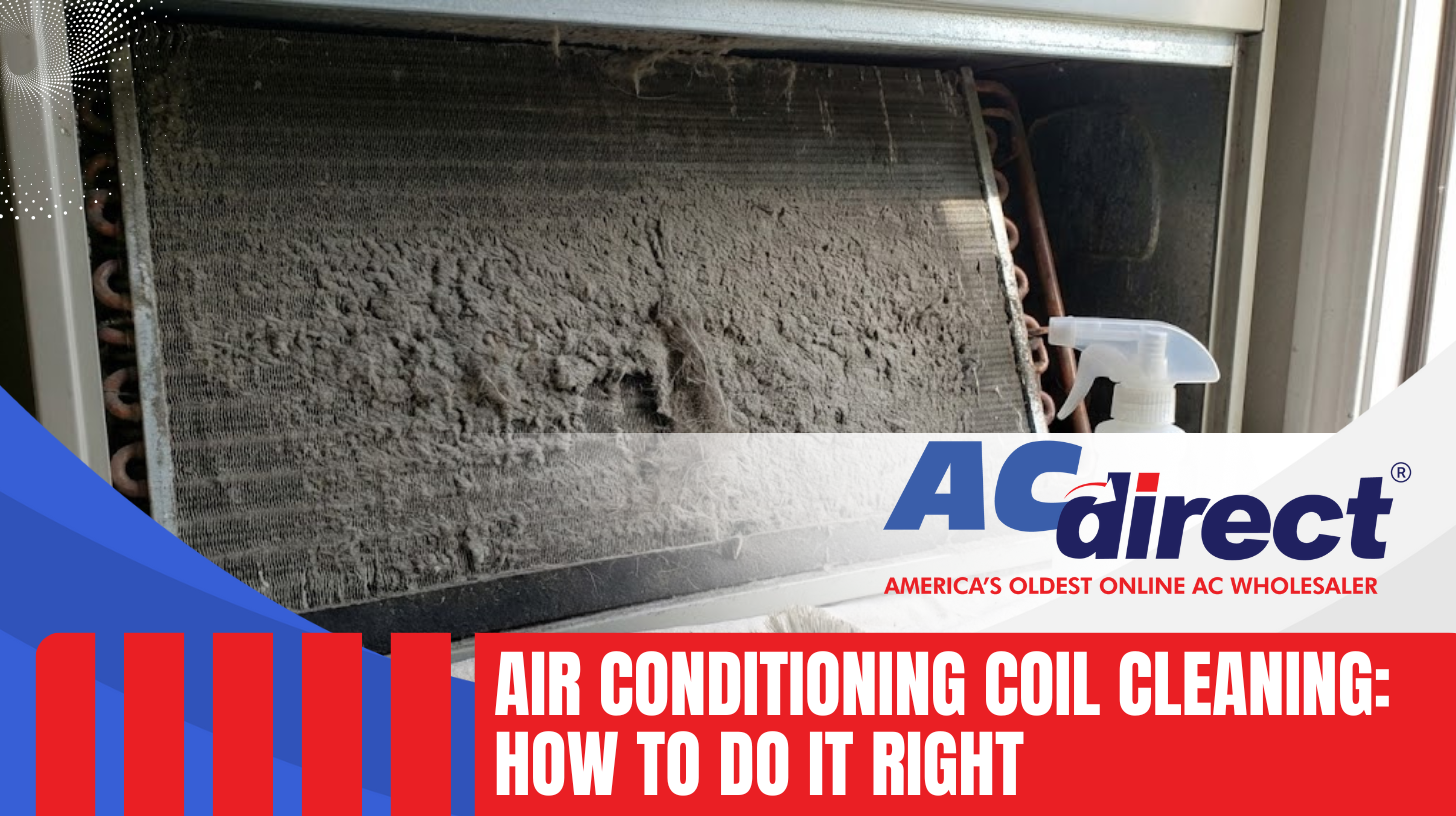
Regular maintenance is crucial for keeping your coil and blower in good working condition. One of the most important tasks is to keep the coil clean. A dirty coil can restrict airflow and reduce the system's ability to transfer heat efficiently. You can clean the coil yourself using a coil cleaner, or you can hire a professional HVAC technician to do it for you. Additionally, you should regularly check the blower motor for any signs of wear or damage. Keep the area around your Central heating and air conditioning clean to prevent dust and debris buildup.
Troubleshooting Common Coil and Blower Problems
Several common problems can occur with your coil and blower. A frozen evaporator coil can be caused by restricted airflow or a refrigerant leak. A malfunctioning blower motor can result in weak airflow or no airflow at all. Other issues include noisy operation, unusual odors, and inconsistent heating or cooling. If you notice any of these problems, it's essential to address them promptly to prevent further damage. Sometimes the fix is as simple as replacing your air filter, but if the problem persists, call a professional.
The Impact of Coil and Blower on Energy Efficiency
The coil and blower play a significant role in the energy efficiency of your HVAC system. A dirty or damaged coil can reduce the system's ability to transfer heat, causing it to work harder and consume more energy. An inefficient blower motor can also contribute to higher energy bills. By keeping your coil and blower properly maintained and choosing energy-efficient models, you can significantly reduce your energy consumption and save money on your utility bills. Many homeowners are now eligible for rebates and tax credits for upgrading to energy-efficient equipment, so it's worth exploring those options.
Coil and Blower Replacement: When is it Necessary?
While regular maintenance can extend the lifespan of your coil and blower, eventually, they will need to be replaced. Signs that your coil or blower may need replacement include frequent breakdowns, reduced performance, and increased energy bills. The age of your system is also a factor. If your HVAC system is more than 10-15 years old, it may be more cost-effective to replace the entire system rather than just the coil or blower. I find that customers who try to get "one more year" out of an old system end up spending more in repairs than a new system would have cost.
Cost Considerations for Coil and Blower Replacement
The cost of coil and blower replacement can vary depending on several factors, including the type of coil and blower, the complexity of the installation, and the labor rates in your area. ECM blower motors are more expensive than PSC motors. I recommend getting quotes from multiple HVAC contractors to compare prices. Consider the long-term energy savings when evaluating the cost of different options. Don't forget to ask about warranties and financing options. If you have questions about Air conditioning sales, our team can help you.
Frequently Asked Questions
What is the main function of the evaporator coil in my AC system?
The evaporator coil's main job is to absorb heat from the air inside your house, which cools the air before it gets sent back through your vents. It does this by using refrigerant to facilitate the cooling process.
What is the purpose of the blower motor in my furnace or air handler?
The blower motor circulates air through your home's ductwork. It pushes either heated air from the furnace or cooled air from the AC unit into the rooms of your house.
How often should I have my HVAC coil cleaned?
Generally, you should have your HVAC coil professionally cleaned at least once a year. If you have pets or allergies, you might want to clean it more often, since a dirty coil can reduce the system's efficiency.
What are the signs that my blower motor might be failing?
If your blower motor is starting to fail, you might hear unusual noises, notice weak airflow, experience inconsistent heating or cooling, or see the system turning on and off more frequently than normal. If you live in an area like, for example, parts of Maryland PSC, these issues can be compounded due to weather.
Can a dirty coil increase my energy bills?
Yes, a dirty coil restricts airflow and makes it harder for the system to transfer heat efficiently. This causes your AC or furnace to work harder and use more energy, which can lead to higher energy bills.
Final Thoughts
The coil and blower are essential components of your HVAC system, and understanding their function and maintenance is crucial for ensuring optimal performance and energy efficiency. By keeping these components in good working condition, you can improve your home comfort, reduce your energy bills, and extend the lifespan of your HVAC system. Regular maintenance, timely repairs, and informed replacement decisions are key to maximizing the benefits of your system.
I hope this information has been helpful in understanding the importance of the coil and blower in your HVAC system. Remember to consult with a qualified HVAC technician for any major repairs or replacements. Making informed decisions about your HVAC system can save you money and ensure your home remains comfortable year-round.