 and now, NASCAR Racing Sponsor


Coil Air Handler Problems: Diagnosis and Solutions
-
 By
Michael Haines
By
Michael Haines
- Nov 3, 2023
Hi, I'm Mike Haines, founder of AC Direct. I've spent years helping homeowners understand their HVAC systems. A coil air handler is a critical part of your heating and cooling setup, and when it's not working right, you'll definitely notice. In this post, I'll walk you through the common issues, how to spot them, and what you can do to keep your system running smoothly.
Key Highlights
- A coil air handler circulates air and conditions it using either a heating or cooling coil.
- Proper sizing is essential for efficiency and comfort; always consult a professional for load calculations.
- Regular maintenance, including coil cleaning and filter replacement, prevents many common problems.
- Signs of a failing coil air handler include inconsistent temperatures, strange noises, and increased energy bills.
- Upgrading to a newer, more efficient model can improve energy savings and indoor air quality.
What is a Coil Air Handler and How Does It Work?
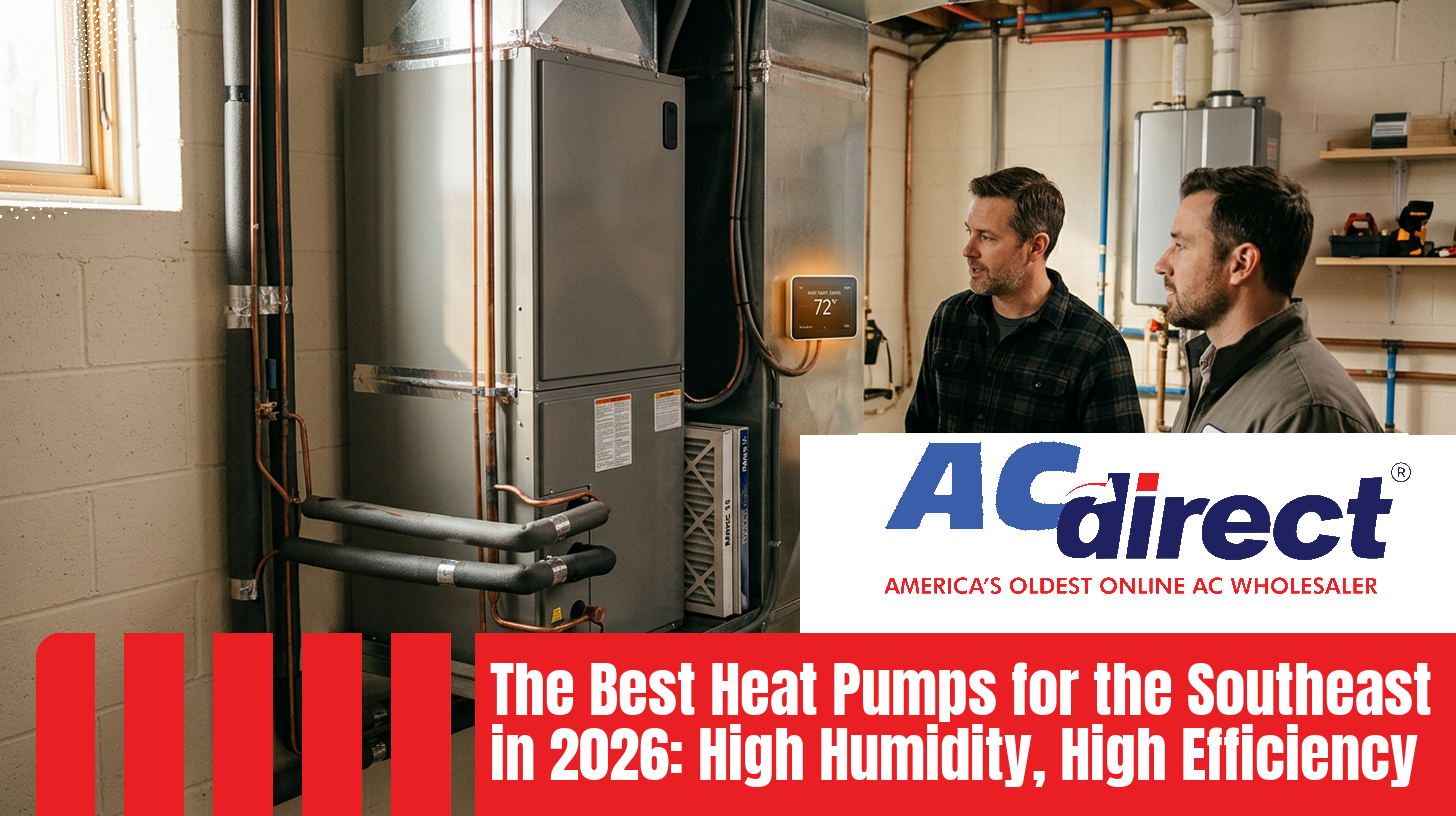
A coil air handler is the indoor component of your heating and cooling system. Its primary job is to circulate air throughout your home. It works by drawing air from your home through return ducts, passing that air over a coil (either a cooling coil or a heating coil), and then pushing the conditioned air back into your home through supply ducts.
Why is the Coil Air Handler Important for Home Comfort and Efficiency?
The coil air handler plays a vital role in maintaining consistent temperatures throughout your home. When it's functioning correctly, it efficiently distributes heated or cooled air, ensuring even comfort. A properly maintained coil air handler also contributes to energy efficiency. When the unit is clean and operating smoothly, it doesn't have to work as hard to heat or cool your home, which can translate to lower energy bills.
Key Components of a Coil Air Handler
Understanding the parts of your coil air handler can help you diagnose potential problems. Here are the key components:
- Blower Motor: This motor drives the fan that circulates air.
- Blower Fan: The fan itself moves the air across the coil and into your ductwork.
- Coil (Evaporator or Heating): This is where the air is either cooled (evaporator coil, part of the Air cond outdoor unit) or heated.
- Air Filter: This filter removes dust, pollen, and other particles from the air.
- Drain Pan and Line: Collects and drains condensation produced during the cooling process.
- Cabinet: The metal enclosure that houses all the components.
- Control Board: The brains of the operation, controlling the blower motor, coil, and other functions.
Types of Coil Air Handlers: A Homeowner's Guide
Coil air handlers come in different configurations to suit various home setups. Here's a look at some common types:
- Upflow: These units draw air from the bottom and discharge it from the top. They are typically installed in basements or closets.
- Downflow: These units draw air from the top and discharge it from the bottom. They are often used in homes with attic-mounted systems.
- Horizontal: These units draw and discharge air from the same side. They are ideal for tight spaces like crawl spaces or attics.
- Modular: These units can be combined with other HVAC components, such as furnaces or heat pumps, to create a complete system.
Factors to Consider When Choosing a Coil Air Handler
Selecting the right coil air handler involves several considerations. One is the type of HVAC system you have or plan to install. Are you pairing it with a heat pump, an air conditioner, or a furnace? Another key factor is the size of your home and its heating and cooling needs. Proper sizing is essential for efficiency and comfort. Also, think about the available space for installation. Some units are more compact than others.
Sizing Your Coil Air Handler: Getting It Right
Oversized or undersized coil air handlers can lead to problems. An oversized unit might cool or heat your home too quickly, leading to short cycling and uneven temperatures. An undersized unit will struggle to keep up with demand, resulting in higher energy bills and a less comfortable home. The best way to determine the correct size is to have an HVAC professional perform a load calculation. They'll consider factors like your home's square footage, insulation levels, window efficiency, and local climate. Getting the right size is key to efficient and effective heating and cooling.
Coil Air Handler Installation: What to Expect
Coil air handler installation should always be performed by a qualified HVAC technician. The process typically involves removing the old unit (if applicable), connecting the new unit to the existing ductwork and refrigerant lines, and ensuring proper electrical connections. The technician will also test the system to ensure it's operating correctly and efficiently. I always advise homeowners to get multiple quotes and check the contractor's credentials before hiring them.
Coil Air Handler Maintenance: Tips for Longevity
Regular maintenance is crucial for extending the life of your coil air handler and maintaining its efficiency. Here are some tips:
- Replace Air Filters Regularly: Dirty air filters restrict airflow, making your system work harder. I recommend replacing them every 1-3 months, depending on the type of filter and your home's air quality.
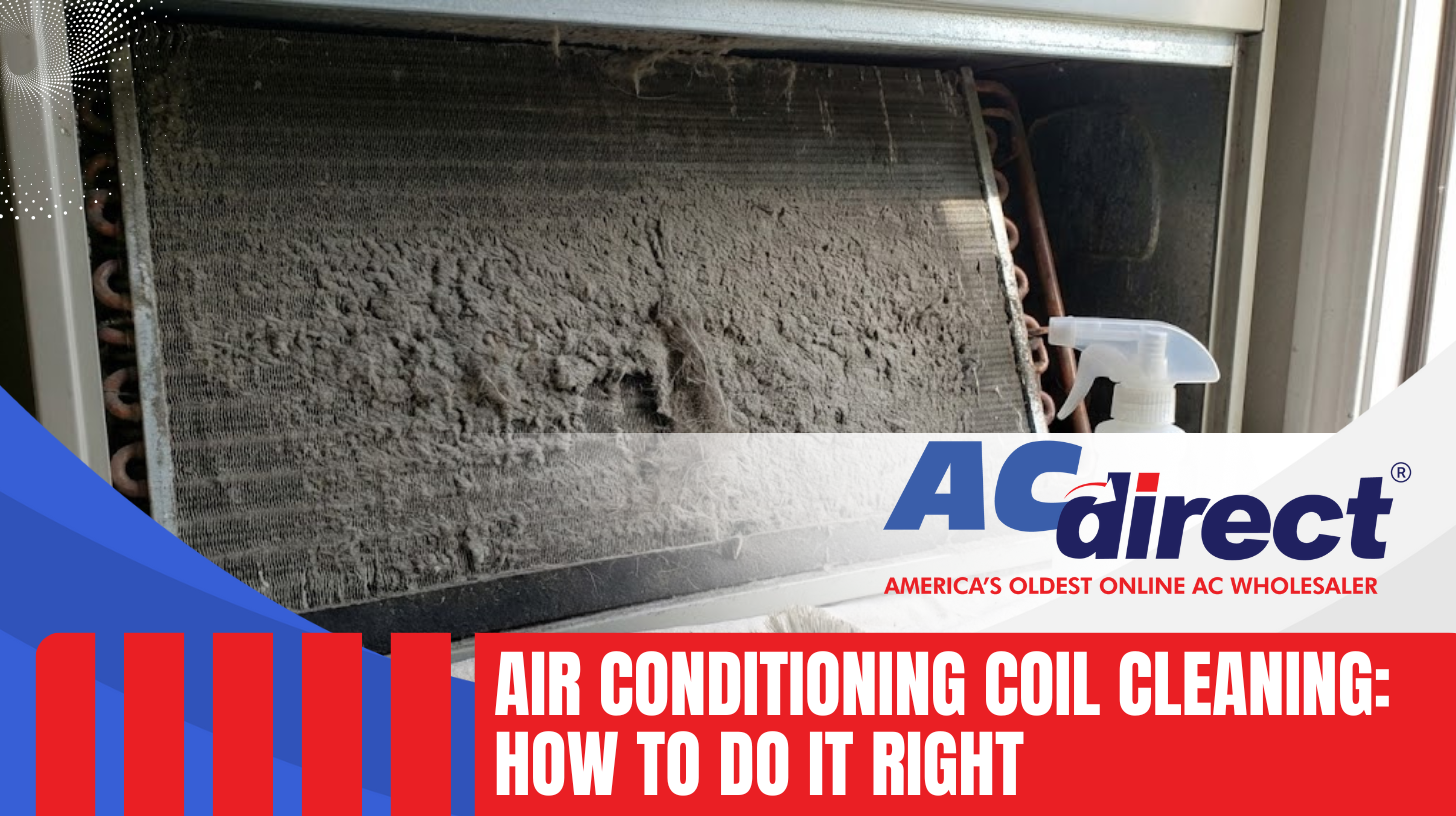
- Clean the Coils: Dust and debris can accumulate on the coils, reducing their ability to transfer heat. Have them professionally cleaned every year or two.
- Inspect the Drain Pan and Line: Make sure the drain pan is clear of debris and the drain line is not clogged. This will prevent water damage.
- Schedule Annual Inspections: A qualified HVAC technician can identify and address potential problems before they become major issues.
Troubleshooting Common Coil Air Handler Problems
Here are some common coil air handler problems and how to troubleshoot them:
- No Airflow: Check the blower motor and capacitor. If the motor isn't running, it could be a sign of a faulty capacitor or a more serious motor problem. Also check your air filters.
- Weak Airflow: This could be due to a dirty air filter, blocked ducts, or a failing blower motor.
- Strange Noises: Squealing or grinding noises could indicate a problem with the blower motor bearings. A rattling noise could be a loose component.
- Water Leaks: This is usually caused by a clogged drain line. You can try clearing the line yourself, but if the problem persists, call a professional.
- Inconsistent Temperatures: This could be due to a variety of factors, including a refrigerant leak, a faulty thermostat, or a problem with the coil.
Coil Air Handler Cost: What Affects the Price?
The cost of a coil air handler can vary depending on several factors. Size and capacity are major drivers of price. More powerful units that can handle larger homes will naturally cost more. Another is efficiency ratings; higher-efficiency models tend to have a higher upfront cost but can save you money in the long run. Brand also plays a role, as some brands are known for their quality and reliability, and are priced accordingly. Finally, installation costs can vary depending on the complexity of the job and the labor rates in your area. You may also want to explore Mini split cost to help cover the expense.
Coil Air Handler Efficiency: SEER, HSPF, and AFUE Ratings Explained
When shopping for a coil air handler, you'll encounter terms like SEER, HSPF, and AFUE. These ratings measure the unit's energy efficiency. SEER (Seasonal Energy Efficiency Ratio) applies to cooling, while HSPF (Heating Seasonal Performance Factor) applies to heat pumps. AFUE (Annual Fuel Utilization Efficiency) applies to furnaces. Higher ratings indicate greater efficiency and lower energy bills. The Michigan PSC also has information that you may find helpful.
Coil Air Handlers and Indoor Air Quality: What's the Connection?
Your coil air handler plays a role in your home's indoor air quality. The air filter in the unit removes dust, pollen, and other particles from the air. However, if the coil air handler is not properly maintained, it can become a breeding ground for mold, bacteria, and other allergens. Regular cleaning and filter replacement are essential for maintaining good indoor air quality. You might also consider a Air con mitsubishi system with advanced filtration.
When to Replace Your Coil Air Handler
Coil air handlers typically last for 15-20 years. However, several factors can shorten their lifespan, including poor maintenance, extreme weather conditions, and frequent use. If your unit is old, inefficient, or requires frequent repairs, it may be time to consider a replacement. Other signs include inconsistent temperatures, strange noises, and a significant increase in your energy bills.
Finding a Qualified HVAC Contractor for Coil Air Handler Services
When it comes to coil air handler installation, repair, or maintenance, it's essential to hire a qualified HVAC contractor. Look for a contractor with proper licensing and insurance. Check online reviews and ask for references. Get multiple quotes and compare them carefully. A good contractor will be able to assess your needs, recommend the right equipment, and perform the work efficiently and effectively.
Coil Air Handler Upgrades: Are They Worth It?
Upgrading your coil air handler can offer several benefits, including improved energy efficiency, enhanced comfort, and better indoor air quality. Newer models often incorporate advanced technologies that can significantly reduce energy consumption. They may also offer features like variable-speed blowers, which can provide more consistent temperatures and quieter operation. Whether an upgrade is worth it depends on your individual needs and circumstances. If your current unit is old, inefficient, or prone to breakdowns, an upgrade can be a smart investment.
Frequently Asked Questions
What is the primary function of a coil air handler in my HVAC system?
The coil air handler circulates air throughout your home and contains the evaporator coil (for cooling) or heating coil (for heating) that conditions the air.
How do I know if my coil air handler is the right size for my home?
An HVAC professional should perform a load calculation to determine the correct size coil air handler based on your home's square footage, insulation, and climate.
What are some signs that my coil air handler needs to be replaced?
Signs include inconsistent temperatures, strange noises, increased energy bills, and visible rust or corrosion.
How often should I have my coil air handler professionally inspected and maintained?
It's generally recommended to have your coil air handler inspected and maintained by a qualified HVAC technician at least once a year, preferably before the heating and cooling seasons.
Can a dirty coil air handler affect my indoor air quality?
Yes, a dirty coil air handler can harbor mold, bacteria, and other allergens, which can negatively impact your indoor air quality. Regular cleaning is essential.
Is it possible to upgrade my existing coil air handler for better efficiency?
Yes, newer models often incorporate advanced technologies that can improve energy efficiency and performance. Consult with an HVAC professional to determine if an upgrade is right for your system and budget.
Final Thoughts
Your coil air handler is a vital component of your home's HVAC system. Understanding how it works, common problems that can arise, and the importance of regular maintenance can help you keep it running smoothly and efficiently. By addressing issues promptly and investing in professional maintenance, you can extend the life of your unit and enjoy consistent comfort year-round.
Remember, when it comes to HVAC, making informed decisions is key. Don't hesitate to consult with a qualified HVAC contractor to assess your needs and recommend the best solutions for your home. A well-maintained and properly sized coil air handler can make a significant difference in your comfort and energy bills.