

Coil Amperage: Understanding Your AC's Electrical Needs
-
 By
Michael Haines
By
Michael Haines
- Nov 5, 2023

- Coil amperage indicates the electrical current your AC's compressor and fan motors are drawing.
- High coil amperage can signal problems like motor failure, restricted airflow, or refrigerant issues.
- The correct coil amperage (RLA) is listed on your unit's nameplate, usually on the outdoor condenser.
- Regular HVAC maintenance, including checking coil amperage, can prevent costly repairs.
- Addressing high coil amperage promptly can improve efficiency and extend the life of your system.
What is Coil Amperage?
Coil amperage refers to the amount of electrical current, measured in amps, that your air conditioner's compressor and fan motors draw during operation. Think of it like this: your AC unit needs electricity to do its job, and the amperage tells you how much it's using. The amperage reading is a direct indicator of how hard these components are working. If the amperage is higher than it should be, it means something is making the motors work harder, which isn't good for the longevity or efficiency of your Heating and air conditioning units.Why Coil Amperage Matters for Homeowners
As a homeowner, you might not think about coil amperage every day, but it's a crucial factor in the overall performance and lifespan of your AC system. Monitoring coil amperage can help you identify potential problems early on, before they turn into major, costly repairs. A seemingly small issue causing high amperage can eventually lead to compressor failure, which is one of the most expensive components to replace. Paying attention to coil amperage also helps ensure your system operates efficiently, keeping your energy bills in check. I've seen many homeowners save significant money and prevent breakdowns just by being aware of this simple measurement.Understanding Voltage and Amperage in HVAC Systems
Voltage and amperage are two distinct but related electrical measurements. Voltage is the electrical potential difference that drives the current through a circuit, while amperage is the measure of the electrical current's strength. In HVAC systems, the voltage needs to be within a specific range for the equipment to operate correctly. If the voltage is too low, the amperage will increase as the motor tries to compensate, potentially leading to overheating and damage. It's like trying to drive a car up a hill in too high a gear; the engine has to work much harder.How to Find the Correct Coil Amperage for Your System
Finding the correct coil amperage for your AC unit is the first step in ensuring it's operating within its intended parameters. This information is typically found on the unit's nameplate, which is usually located on the outdoor condenser unit. Look for "RLA," which stands for Rated Load Amps. This is the maximum amperage the compressor should draw under normal operating conditions. There may also be an entry for "FLA", or Full Load Amps. The RLA is the number you want to use to assess normal running conditions. It’s crucial to adhere to this rating to avoid damaging the system. Never assume the amperage; always check the nameplate.Troubleshooting High Coil Amperage Potential Causes
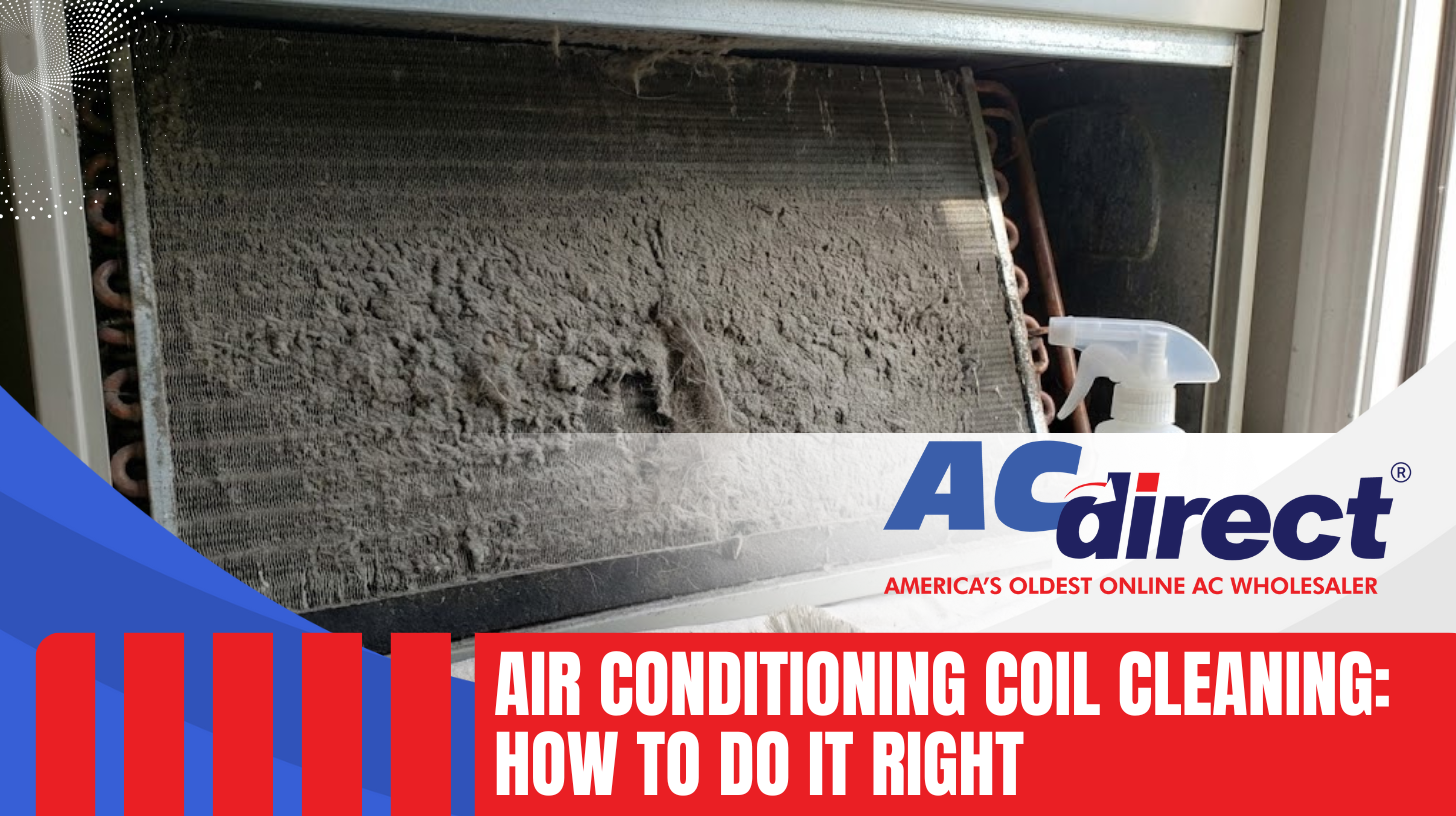
If you suspect your AC coil amperage is too high, several factors could be the cause. One common culprit is a dirty condenser coil. When the coil is covered in dirt, dust, or debris, it restricts airflow, forcing the compressor to work harder and draw more amperage. Other potential causes include a failing capacitor (more on that later), refrigerant leaks, or even a worn-out compressor motor. Restricted airflow from dirty filters or blocked vents can also contribute to high amperage. Identifying the root cause is essential for proper diagnosis and repair.The Impact of Refrigerant Levels on Coil Amperage
Refrigerant is the lifeblood of your AC system, and maintaining the correct level is crucial for efficient operation. When refrigerant levels are low, the compressor has to work harder to achieve the desired cooling effect. This increased workload translates directly into a higher amperage draw. Furthermore, low refrigerant can cause the compressor to overheat, leading to premature failure. Addressing refrigerant leaks promptly is not only environmentally responsible but also essential for preventing further damage to your AC system. I always tell people, proper refrigerant charge is paramount to efficient Heat a/c.Capacitors and Coil Amperage A Crucial Relationship
Capacitors are essential components in your AC system that help start and run the compressor and fan motors. They provide the initial surge of energy needed to get these motors going. When a capacitor starts to fail, it can cause the motors to draw more amperage than normal. This is because the motor is not getting the proper voltage or current to start and run efficiently. A failing capacitor can often be identified by a bulging or leaking appearance, but it's best to have a professional test it to confirm its condition. Replacing a weak capacitor is a relatively inexpensive repair that can prevent more serious damage.Preventing Coil Amperage Issues Maintenance Tips
Preventing coil amperage issues starts with regular maintenance. Here are some simple steps you can take to keep your AC system running smoothly: * Clean the condenser coil regularly: Use a garden hose to gently rinse away dirt and debris from the outdoor unit. * Replace air filters regularly: Dirty air filters restrict airflow, causing the system to work harder. I advise checking your air filters monthly. * Keep the area around the outdoor unit clear: Remove any plants, bushes, or other obstructions that could block airflow. * Schedule annual maintenance: A professional technician can inspect your system, check refrigerant levels, and identify potential problems before they escalate.When to Call an HVAC Professional for Coil Amperage Problems
While some maintenance tasks can be handled by homeowners, coil amperage issues often require the expertise of a qualified HVAC professional. If you notice your AC unit is drawing more amperage than the RLA listed on the nameplate, or if you suspect a problem with the compressor, capacitor, or refrigerant levels, it's best to call a professional. Attempting to diagnose and repair these issues yourself can be dangerous and may void your warranty. A professional has the tools and knowledge to accurately diagnose the problem and perform the necessary repairs. Also remember if your unit is under warranty and you perform unauthorized repairs you may void your coverage. If you need to find a reliable unit you can compare this one Glxs4ba3610.Coil Amperage and Energy Efficiency What to Know
Coil amperage is directly related to your AC system's energy efficiency. When the amperage is higher than it should be, it means the system is working harder and using more electricity to produce the same amount of cooling. This translates into higher energy bills and increased wear and tear on your equipment. By keeping your coil amperage within the recommended range, you can ensure your system operates efficiently, saving you money and extending its lifespan. Furthermore, properly maintained and efficient HVAC systems contribute to a smaller carbon footprint, benefiting the environment. It is estimated that poorly maintained systems waste a significant amount of energy annually, according to the Minnesota Public Utilities Commission.The Cost of Ignoring Coil Amperage Issues
Ignoring high coil amperage can have significant financial consequences. As mentioned earlier, it can lead to premature component failure, particularly of the compressor, which is one of the most expensive parts to replace. Additionally, a system operating with high amperage is less efficient, resulting in higher energy bills month after month. The cumulative cost of these increased energy bills and potential repairs can quickly add up. Regular maintenance and prompt attention to coil amperage issues can save you a lot of money in the long run.Frequently Asked Questions
What does coil amperage tell me about my HVAC system?
Coil amperage indicates the amount of electrical current the compressor and fan motors are drawing. It's a key indicator of the system's health and efficiency. A higher-than-normal amperage draw can signal problems like a failing motor, restricted airflow, or refrigerant issues.
Where can I find the correct coil amperage rating for my AC unit?
The correct coil amperage rating, also known as the RLA (Rated Load Amps), is usually found on the unit's nameplate, located on the outdoor condenser unit. It's crucial to adhere to this rating to avoid damaging the system.
What happens if my AC coil amperage is too high?
If the coil amperage is too high, it can lead to overheating, component failure, and potentially a tripped circuit breaker. It also significantly reduces the system's efficiency and can increase your energy bills. Ignoring a high amperage reading can cause serious damage and costly repairs.
Can low refrigerant levels cause high coil amperage?
Yes, low refrigerant levels can indeed cause high coil amperage. When refrigerant is low, the compressor has to work harder to achieve the desired cooling effect, leading to an increased amperage draw. Addressing refrigerant leaks promptly can prevent further damage.
How often should I have my coil amperage checked?
It's a good practice to have your coil amperage checked annually during your routine HVAC maintenance. This allows a technician to identify potential problems early on and prevent them from escalating into major repairs. Regular maintenance ensures efficient and reliable system operation.