 and now, NASCAR Racing Sponsor


Coil and Blower Unit: Understanding Its Role in Home Comfort
-
 By
Michael Haines
By
Michael Haines
- Nov 2, 2023
Hi, I'm Mike Haines, founder of AC Direct. Many homeowners don't give much thought to their coil and blower unit, but it's a crucial part of your HVAC system. This article will explain what a coil and blower unit does, how to maintain it, and what to look for when it's time to replace it. My goal is to help you understand how this component impacts your home's comfort and efficiency.
Key Highlights
- The coil and blower unit is an essential part of your HVAC system, working in tandem with your outdoor unit to heat and cool your home.
- Regular maintenance, including professional cleaning and inspections, can extend the life of your coil and blower unit and improve its performance.
- Proper sizing and matching of your coil and blower unit to your outdoor unit are crucial for optimal efficiency and comfort.
- Upgrading to a more efficient blower motor, such as an ECM, can lead to significant energy savings over time.
What is a Coil and Blower Unit?
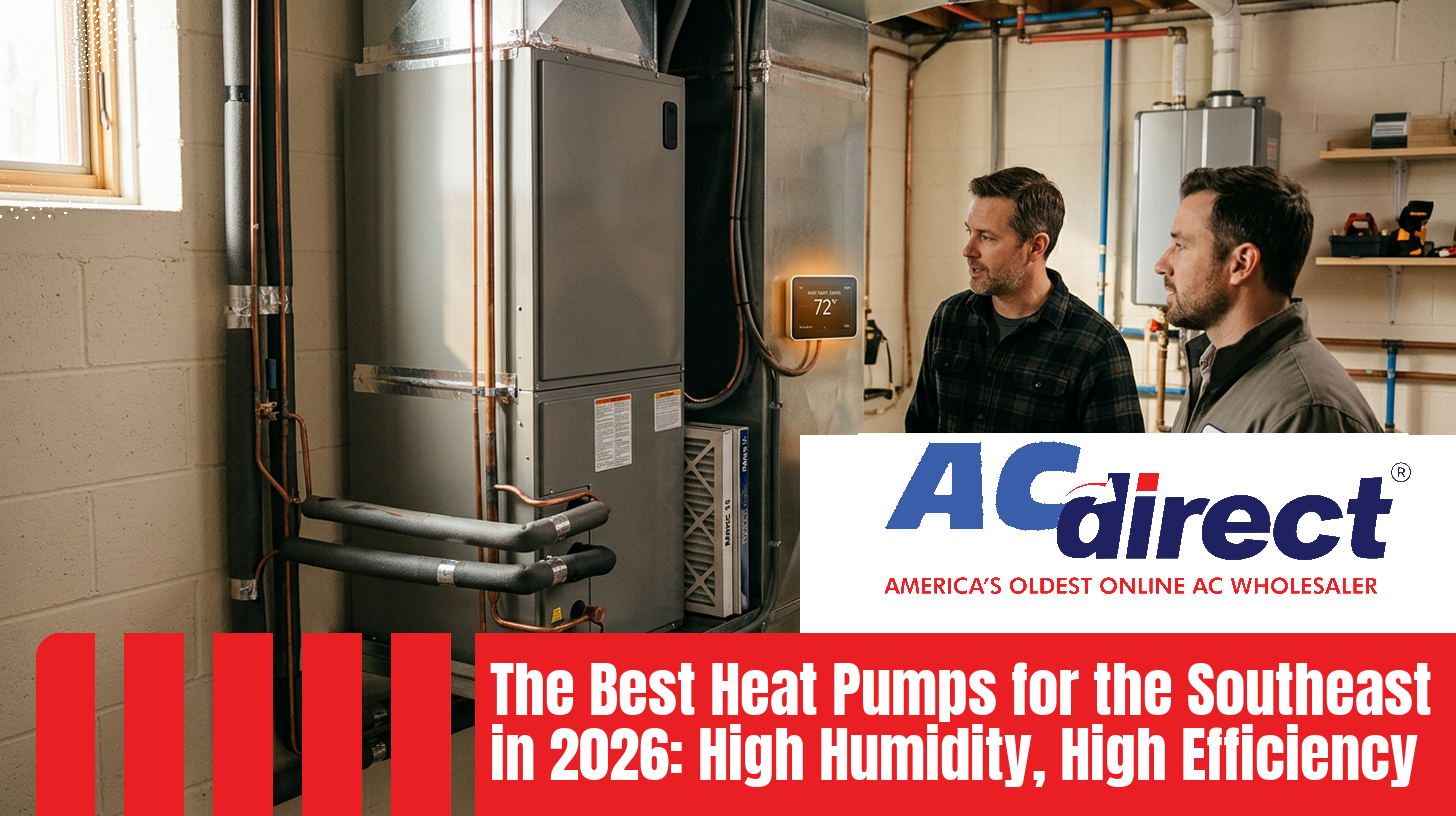
The coil and blower unit, often referred to as the indoor unit, is a key component of your central heating and cooling system. It works in conjunction with your outdoor unit (air conditioner or heat pump) to provide comfortable temperatures throughout your home. The coil is responsible for either heating or cooling the air, while the blower circulates that conditioned air through your ductwork and into your living spaces.
The Role of the Coil in Heating and Cooling
The coil, also known as the evaporator coil in cooling mode and the condenser coil in heating mode (for heat pumps), plays a vital role in the heat exchange process. In cooling mode, the coil is filled with refrigerant that absorbs heat from the air passing over it, cooling the air before it's circulated. In heating mode (for heat pumps), the coil releases heat into the air, warming it before circulation. A clean and properly functioning coil is essential for efficient and effective temperature control. You might consider a Electric air conditioner for your home if cooling is your primary concern.
The Role of the Blower in Air Circulation
The blower is essentially a powerful fan that moves air across the coil and through your ductwork. It draws air from your home, pushes it across the coil for heating or cooling, and then forces the conditioned air through the ducts to vents in each room. The blower's speed and efficiency directly impact the airflow and overall comfort of your home. A properly functioning blower ensures even temperature distribution and prevents stagnant air.
Why Coil and Blower Unit Performance Matters to Homeowners
The performance of your coil and blower unit directly impacts your comfort, energy bills, and the lifespan of your entire HVAC system. A poorly performing unit can lead to inconsistent temperatures, increased energy consumption, and premature failure of other components. Investing in a high-quality unit and ensuring regular maintenance are crucial for maximizing its performance and longevity. Many homeowners are unaware of the impact of a well functioning system when shopping for Home air conditioners.
Matching Your Coil and Blower Unit to Your Outdoor Unit
It's essential that your coil and blower unit is properly matched to your outdoor unit (air conditioner or heat pump). Mismatched components can significantly reduce the efficiency and performance of your system. The Air Conditioning, Heating, and Refrigeration Institute (AHRI) provides ratings that ensure compatibility between indoor and outdoor units. Always consult with a qualified HVAC technician to ensure your system is properly matched. The Massachusetts Dept of Public Utilities can also provide guidance on energy efficiency standards.
Coil and Blower Unit Sizing: Getting It Right
Proper sizing of your coil and blower unit is critical for optimal performance and efficiency. An undersized unit will struggle to heat or cool your home effectively, while an oversized unit can lead to short cycling, which wastes energy and reduces the lifespan of the equipment. HVAC professionals use a variety of factors, such as square footage, insulation levels, and climate, to determine the appropriate size for your home. It's crucial to have a professional perform a load calculation to ensure accurate sizing.
Types of Blower Motors: ECM vs. Standard
Blower motors come in different types, with the most common being standard motors and Electronically Commutated Motors (ECMs). ECMs are significantly more energy-efficient than standard motors, as they use less electricity to operate and can adjust their speed based on demand. While ECMs have a higher upfront cost, they can save you money on your energy bills over the long term. If energy efficiency is a top priority, I recommend considering a coil and blower unit with an ECM blower motor.
SEER Ratings and Coil/Blower Unit Compatibility
The Seasonal Energy Efficiency Ratio (SEER) rating of your outdoor unit indicates its cooling efficiency. To achieve the rated SEER, your coil and blower unit must be compatible with the outdoor unit. Using a mismatched coil and blower unit can reduce the overall SEER rating of your system, resulting in higher energy bills. Always ensure that your coil and blower unit is designed to work with the SEER rating of your outdoor unit. If you are looking for a Cheap ac unit be sure it is compatible with your existing system.
Signs of a Failing Coil and Blower Unit
Several signs can indicate that your coil and blower unit is failing and needs attention. These include:
- Reduced airflow from your vents
- Inconsistent temperatures throughout your home
- Strange noises coming from the unit
- Increased energy bills
- Visible signs of damage or corrosion on the coil
If you notice any of these signs, it's important to contact a qualified HVAC technician for an inspection.
Coil and Blower Unit Replacement Costs
The cost of replacing your coil and blower unit can vary depending on several factors, including the size and type of unit, the brand, and the complexity of the installation. Generally, you can expect to pay anywhere from $1,500 to $4,000 or more for a complete replacement. It's important to get quotes from multiple contractors to ensure you're getting a fair price. Be sure to factor in long-term energy savings when comparing different units.
Maintenance Tips for a Healthy Coil and Blower Unit
Regular maintenance is essential for keeping your coil and blower unit running efficiently and extending its lifespan. Here are some tips:
- Replace your air filters regularly (every 1-3 months).
- Keep the area around the unit clean and free of debris.
- Ensure that vents are not blocked by furniture or other obstructions.
- Consider a programmable thermostat to optimize energy usage.
Professional Inspection and Cleaning
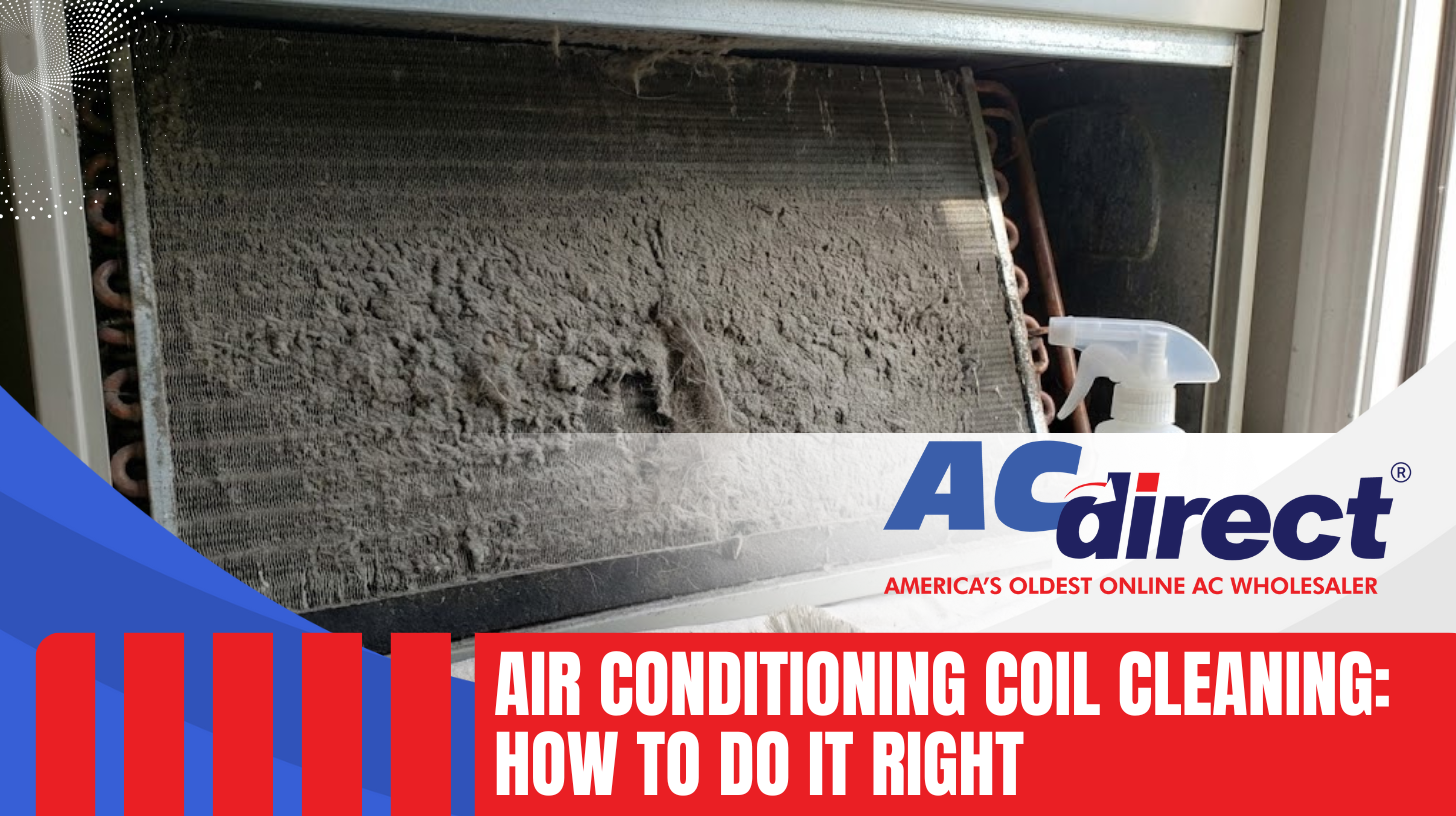
In addition to regular maintenance, it's important to have your coil and blower unit professionally inspected and cleaned at least once a year. A professional technician can identify potential problems early on and perform a thorough cleaning to remove dirt, dust, and debris that can impact performance. Professional cleaning can also help prevent the growth of mold and bacteria, improving indoor air quality.
Choosing the Right HVAC Contractor for Coil and Blower Unit Services
When it comes to servicing or replacing your coil and blower unit, it's crucial to choose a qualified and reputable HVAC contractor. Look for a contractor with experience, proper licensing and insurance, and positive customer reviews. Get multiple quotes and ask for references. A good contractor will be able to assess your needs, recommend the right equipment, and perform the installation or repairs properly.
Upgrading Your Coil and Blower Unit for Improved Efficiency
If your coil and blower unit is old or inefficient, upgrading to a newer model can significantly improve your home's comfort and reduce your energy bills. Look for units with high SEER ratings and ECM blower motors for maximum efficiency. A new unit can also provide more consistent temperatures and improved airflow throughout your home. Upgrading can seem costly, but remember to calculate the long-term savings of lower utility bills.
Frequently Asked Questions
What is the difference between the coil and the blower in my HVAC system?
The coil is responsible for heating or cooling the air, using refrigerant to either absorb or release heat. The blower, on the other hand, is responsible for circulating that conditioned air throughout your home via your ductwork system.
How do I know if my coil and blower unit needs to be replaced?
Common signs include a noticeable reduction in airflow coming from your vents, inconsistent temperatures in different rooms, unusual noises coming from the unit itself, and a sudden, unexplained increase in your monthly energy bills. If you experience these issues, a professional inspection is highly recommended to determine the best course of action.
What is an ECM blower motor, and is it worth the extra cost?
An ECM, or Electronically Commutated Motor, represents a more energy-efficient type of blower motor compared to older, standard motors. While ECMs do come with a higher initial purchase price, their increased efficiency can lead to significant savings on your energy bills over the life of the unit, making them a worthwhile investment for many homeowners.
Can I replace just the coil or the blower unit separately?
While it is technically possible to replace either the coil or the blower unit individually in some cases, it's generally recommended to replace both components together. This is especially true if they are nearing the end of their lifespan or if they are not properly matched. Replacing both at the same time ensures optimal performance, compatibility, and efficiency for your entire HVAC system.
How often should I have my coil and blower unit professionally cleaned?
It is generally recommended to schedule a professional cleaning for your coil and blower unit every 1-2 years. The frequency might vary depending on factors specific to your home, such as the air quality in your area, the presence of pets, and how often you use your HVAC system.
Does the SEER rating of my outdoor unit affect the coil and blower unit I should choose?
Yes, absolutely. The coil and blower unit must be fully compatible with the SEER rating of your outdoor unit to guarantee optimal energy efficiency and overall performance. Using mismatched components can significantly reduce the efficiency of your entire system, leading to higher energy consumption and increased utility costs.
Final Thoughts
The coil and blower unit is a critical component of your HVAC system, and understanding its role is essential for maintaining a comfortable and efficient home. Regular maintenance, proper sizing, and matching the unit to your outdoor system are all important factors to consider. Don't hesitate to consult with a qualified HVAC professional to ensure you're making informed decisions.
By paying attention to your coil and blower unit, you can extend its lifespan, improve your home's comfort, and save money on energy bills. Remember that investing in quality equipment and regular maintenance is always a smart choice in the long run.
I hope this information has been helpful. At AC Direct, we're committed to providing you with the knowledge and resources you need to make the best HVAC decisions for your home.