 and now, NASCAR Racing Sponsor


AC Coils Explained with Condenser and Evaporator Basics
-
 By
Michael Haines
By
Michael Haines
- Dec 1, 2025

Hi, I’m Mike Haines, founder of AC Direct. I talk with homeowners and small business owners every week who feel like their air conditioner is some kind of sealed mystery box. The good news is you do not have to be a technician to understand the two parts that do most of the real work: the condenser coil and the evaporator coil.
When cooling feels weaker than it should, when the system runs longer than it used to, or when the electric bill jumps for no obvious reason, I start thinking about coil performance right away. These coils move heat. If heat is not moving the way it should, comfort drops and cost goes up. This guide breaks down what each coil does, how they work together, what causes problems, and how to make smart decisions if a repair is on the table.
Key Highlights
- The condenser coil releases heat outside, while the evaporator coil absorbs heat inside to cool your home.
- Clean coils help your system cool faster, use less electricity, and avoid unnecessary strain.
- Signs of coil trouble include weaker cooling, longer run times, higher bills, and sometimes ice or water where it should not be.
- Coil replacement is not a guessing game. Matching capacity and refrigerant type matters.
- Understanding how the coils work helps you ask better questions and avoid paying for the wrong fix.
What are Condenser Coils and Evaporator Coils?
The coil condenser evaporator are essential components of your air conditioning system. The system relies on these coils to transfer heat and cool your home or business. Let’s break down what each one does in plain terms.
Condenser Coil
The condenser coil is typically in the outdoor unit. I explain it like this: it is the part that gets rid of the heat your system pulled from inside. Refrigerant moves through the coil, a fan pulls outdoor air across it, and that heat gets released to the outside.
Evaporator Coil
The evaporator coil is usually inside, near the blower, often in the air handler or paired with a furnace cabinet. This coil absorbs heat from indoor air. Refrigerant inside the coil is cold. When warm indoor air passes over it, heat transfers into the refrigerant and the air coming out of your vents feels cooler.
The Role of the Condenser Coil in Cooling
By the time refrigerant reaches the condenser coil, it is hot and under high pressure. The condenser coil and the outdoor fan work together to dump that heat outside. As heat leaves the refrigerant, it changes into a cooler, high pressure liquid that can head back indoors to the evaporator coil and repeat the cycle.
If the condenser coil is dirty, blocked, or damaged, it cannot release heat efficiently. When that happens, your system loses capacity and tends to run longer. One thing I recommend when people are unsure whether their system is even the right size is to use an Air conditioner size calculator. It is not a perfect substitute for an on site evaluation, but it can help you spot obvious mismatches.
The Role of the Evaporator Coil in Cooling
The evaporator coil is where indoor cooling really happens. Warm air moves across the coil surface, heat transfers into the refrigerant, and the air that returns to your space is cooler and drier. That refrigerant then travels back outside to the condenser coil to release the heat.
When an evaporator coil is struggling, the symptoms can feel frustrating. You might notice the system runs constantly, but the space never quite gets comfortable. You may also see ice on the coil or water where it should not be. In my experience, these issues are often tied to airflow problems, refrigerant issues, or a coil that has become coated with grime.
Why are Clean Coils Important for Efficiency?
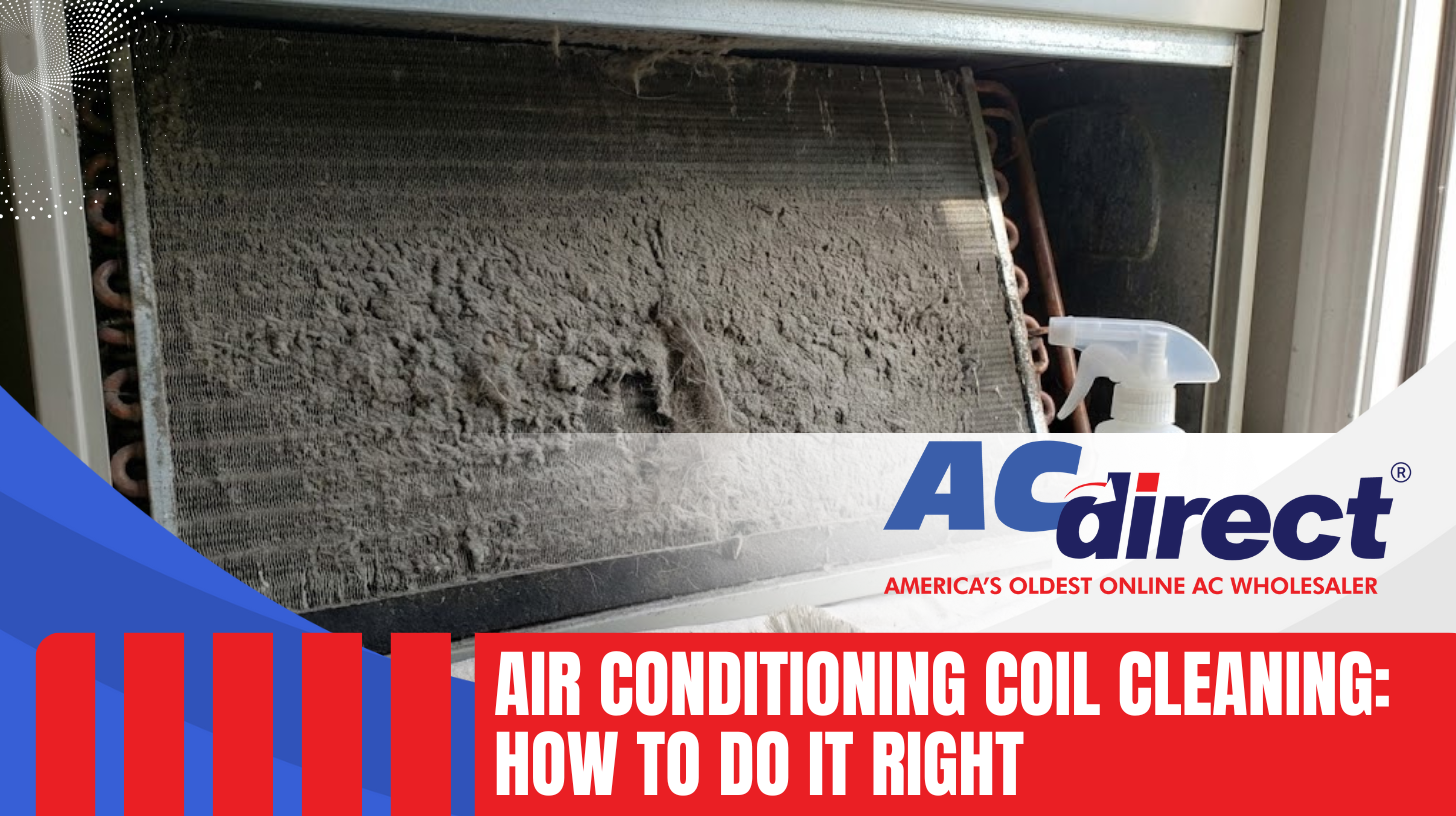
Coils are heat exchangers. When they are clean, heat moves quickly. When they are dirty, heat transfer slows down. Dirt acts like a barrier between the coil and the air moving across it. That forces the system to work harder to deliver the same comfort.
I have seen people chase the wrong solution because the system still turns on and still blows air, so they assume it is fine. Then the electric bill tells the truth. Dirty coils can also push the compressor into harder work than it was designed for, and that is where repair costs can spike. Keeping coils clean is one of the simplest ways to protect performance and avoid expensive surprises.
Signs of a Failing Condenser or Evaporator Coil
Coil problems usually give hints before they become disasters. Here are signs I tell people to watch for:
- Reduced Cooling: Your AC is not cooling as effectively as it used to.
- Increased Energy Bills: Your bill rises even though your usage habits did not change.
- Unusual Noises: You hear hissing or bubbling near the system, which can point to a refrigerant issue.
- Frozen Coils: Ice forms on the coil, often tied to airflow restriction or refrigerant problems.
- Water Leaks: You see water around the indoor unit, sometimes from a frozen coil thawing or drainage issues.
What Causes Coil Failure?
Coils fail for a handful of predictable reasons. Some are environmental, some are physical, and some are avoidable.
Corrosion
Corrosion is a common culprit, especially in coastal regions or places with high humidity and airborne contaminants. Over time, corrosion can lead to pinhole leaks that are hard to spot until performance drops.
Physical Damage
Outdoor coils take abuse. Lawn equipment, hail, windblown debris, and even curious pets can bend fins or damage tubing. Restricted airflow through the coil reduces heat transfer and can create bigger system problems.
Lack of Maintenance
When coils get coated in dirt and grime, the system runs hotter and longer. That extra strain adds up. This is one of the most preventable causes of premature coil failure.
Refrigerant Leaks
Leaks can come from corrosion, vibration, or damaged connections. Low refrigerant can lead to freezing, poor cooling, and long run times. If you suspect a leak, it is better to address it quickly than to keep running the system and hoping it clears up.
How to Choose the Right Replacement Coil
If a condenser or evaporator coil fails, choosing a replacement is not just about finding something that fits physically. You want a coil that matches your system and plays well with your existing components.
Compatibility
Make sure the replacement coil is compatible with your system’s specifications. If you are unsure, ask a qualified technician to confirm. Also pay attention to local requirements and any refrigerant related rules that apply in your area. If you need a reference point for utility or regulatory guidance, you can contact the Mississippi PSC to verify requirements.
Quality
I understand the temptation to go cheap on parts. The problem is that a low quality coil can cost you more later through shorter lifespan and poorer performance. A good coil is not just about durability, it is also about consistent heat transfer.
Coating
If you live in a harsh environment, a protective coating can be worth considering. It can slow corrosion and extend coil life, which matters if you are near salt air, high humidity, or heavy pollution.
Matching Coils to Your System for Optimal Performance
I want to be direct here: coil matching matters. A mismatched coil can reduce efficiency, create comfort issues, and shorten equipment life. Even if the system seems to run, it may not run well.
Capacity
The coil needs to match the capacity of the system. Too small and it cannot keep up. Too large and you can end up with short cycling and other performance headaches. For smaller spaces, people often consider options like a 2-ton AC , but sizing should always reflect your space, insulation, and usage.
Refrigerant Type
The replacement coil must be compatible with the refrigerant your system uses. Mixing refrigerant types or using incompatible components can damage equipment and lead to warranty issues.
Airflow
Airflow has to match the coil design. If airflow is too low, heat transfer suffers, and freezing can happen. If you are dealing with a larger layout or multi-zone needs, you may see people consider higher capacity solutions, such as a 5-zone mini split. However, the key is correct design, not just more tonnage.
Condenser Coil Replacement Cost: What to Expect
Condenser coil replacement costs vary by system type, coil availability, and local labor rates. In many markets, you can see a range roughly from $700 to $2,500. If the outdoor unit is difficult to access or additional refrigerant work is required, costs can rise.
I always recommend getting more than one quote and asking for a clear breakdown. You should know what you are paying for: the coil, labor, refrigerant handling, and any additional parts or corrections needed to make the system run safely and correctly.
Evaporator Coil Replacement Cost: What to Expect
Evaporator coil replacement often lands in a similar range, roughly $600 to $2,800. The widespread issue usually comes from access and labor complexity. Indoor coils can be harder to reach, especially when tucked into a tight cabinet or paired with other equipment.
Ask about warranty coverage on the coil and on the labor. Also, ask what the installer will do to confirm proper airflow and refrigerant charge after the swap, because that is where long-term performance is decided.
DIY vs. Professional Coil Replacement: What's Best?
I get why people consider doing it themselves. Parts are expensive, and everyone wants to save money. But coil replacement involves refrigerant, electrical work, and precise installation. A small mistake can turn into a bigger repair or a system that never runs correctly again.
Hiring a qualified technician usually protects you from the costly errors: incorrect coil match, poor brazing, contamination in the refrigerant circuit, or improper charging. It costs more upfront, but it often prevents the kind of problems that lead to repeat service calls.
Tips for Maintaining Your AC Coils and Preventing Problems
The best way to avoid coil issues is to reduce the things that cause them: dirt buildup, airflow restriction, and ignored warning signs. If you keep the coil surfaces clean and the system breathing properly, you give the equipment a fair shot at a full lifespan.
Regular Cleaning
Clean your condenser and evaporator coils at least once a year, or more often if you are in a dusty environment. Use a coil cleaner designed for the purpose or a mild detergent and water solution. Be gentle with fins, because they bend easily.
Air Filter Replacement
Replace your air filter regularly to reduce dust buildup on the evaporator coil. When filters clog, airflow drops, and coil freezing becomes more likely.
Professional Inspections
Periodic inspections help catch problems early. A professional can spot restricted airflow, early corrosion, or a refrigerant issue before it becomes a bigger repair.
Regular Coil Cleaning: A Step-by-Step Guide
Here’s a simple guide to cleaning your AC coils:
- Turn off the power: Disconnect the power to your AC unit at the breaker box.
- Remove debris: Use a soft brush or vacuum to remove any loose dirt, leaves, or debris from the coils.
- Apply coil cleaner: Spray the coils with a coil cleaner or a mild detergent and water solution.
- Rinse the coils: Rinse the coils thoroughly with water, being careful not to damage the fins.
- Allow to dry: Let the coils air dry completely before turning the power back on.
When to Call an HVAC Professional for Coil Issues
Some issues are fine for basic upkeep, but others should be handled by a pro. Here are the situations where I tell people not to wait:
Refrigerant Leaks
If you suspect a refrigerant leak, contact an HVAC professional immediately. Refrigerant leaks require specialized equipment to find, repair, and recharge correctly.
Frozen Coils
If your coils are frozen, it can be tied to airflow issues, a refrigerant problem, or a component that is not functioning correctly. A professional can diagnose the root cause and fix it without guesswork.
Complex Repairs
If you are not comfortable working with electrical components or refrigerants, it is best to leave coil replacement and other complex repairs to the professionals.
Frequently Asked Questions
What is the difference between a condenser coil and an evaporator coil?
The condenser coil releases heat outside your home, while the evaporator coil absorbs heat from inside your home. Both coils working properly are required for the air conditioning process to be effective.
How often should I clean my AC coils?
I recommend cleaning your AC coils at least once a year. If you live in a dusty area, you might consider cleaning them more often. Doing so will help your system run more efficiently and last longer.
What are the symptoms of a bad evaporator coil?
If your evaporator coil is going bad, you might notice that your AC isn't cooling as well, your energy bills are higher, you hear strange noises, or you smell a musty odor. Sometimes, the coil can even freeze up.
What is the average lifespan of an AC coil?
If you take good care of your AC coils, they can last for 10 to 15 years. However, factors such as corrosion or neglecting to clean them regularly can shorten their lifespan.
Can I replace just the condenser or evaporator coil, or do I need a whole new AC unit?
In many cases, you can replace just the coil that's having problems. However, it's vital to make sure the new coil is compatible with the rest of your system. An HVAC technician can help you determine the best plan.
Final Thoughts
I want you to walk away with one main idea: the condenser coil and evaporator coil are not optional parts that only matter to technicians. They are the reason your system can move heat and keep your space comfortable. When they are clean and matched correctly, the system can do its job without running itself into the ground.
If you notice weaker cooling, longer run times, or rising bills, do not ignore it. Those are often early clues that coil performance is slipping. Catching the issue early usually gives you more options and helps you avoid the expensive fixes that show up when a small problem is allowed to grow.
I hope this helped you feel more confident about what is happening inside your system and what questions to ask if you need service. When you understand the basics, it is easier to make a smart decision and harder for anyone to sell you a fix you do not need.