

Coil Condenser Unit Problems: Common Issues and Solutions
-
 By
Michael Haines
By
Michael Haines
- Dec 2, 2025
Hi, I'm Mike Haines, founder of AC Direct. Many homeowners don't think much about their coil condenser unit until there's a problem. But understanding this component and how it works is crucial for keeping your home cool and comfortable. I want to provide you with practical information about coil condenser units: what they are, common issues, and how to keep them running efficiently.
- The coil condenser unit is essential for releasing heat from your air conditioner, ensuring effective cooling.
- Regular maintenance, such as cleaning the coils, can significantly extend the lifespan of your coil condenser and improve its efficiency.
- Signs of a failing coil condenser include reduced cooling, increased energy bills, and unusual noises.
- When replacing a coil condenser, ensure it's compatible with your existing system and consider a higher SEER rating for better energy savings.
What is a Coil Condenser Unit?
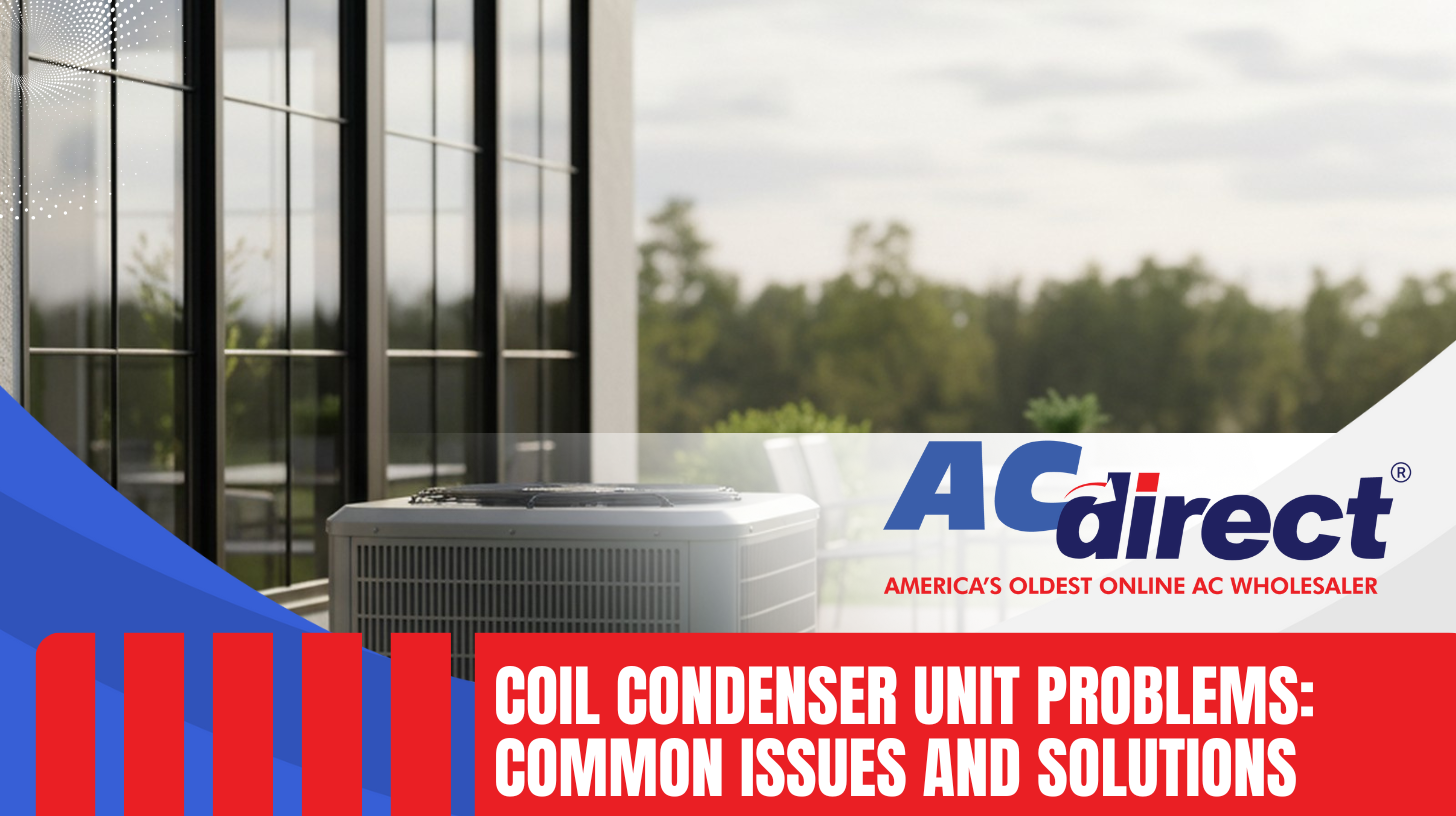
The coil condenser unit is the outdoor component of your air conditioning system. It plays a vital role in the cooling process by releasing the heat that has been absorbed from inside your home. Think of it as the exhaust system for your AC; without it, your air conditioner would be unable to effectively cool your home.
Why is the Coil Condenser Important for Home Cooling?
The coil condenser is critical because it allows your air conditioner to transfer heat from inside your home to the outside. Refrigerant, a special fluid, flows through the indoor evaporator coil, absorbing heat. This heated refrigerant then travels to the outdoor coil condenser unit, where the heat is released. This process allows the now-cooled refrigerant to return indoors and continue the cooling cycle. Without a functioning coil condenser, your AC simply cannot do its job effectively.
Key Components of a Coil Condenser
A typical coil condenser unit consists of several key components working together:
- Coils: These are the most visible part of the unit, made of copper or aluminum tubing. They're designed to maximize surface area for efficient heat transfer.
- Compressor: This is the heart of the system, responsible for compressing the refrigerant and circulating it throughout the AC system.
- Fan: The fan blows air across the coils, helping to dissipate heat.
- Cabinet: The metal enclosure that protects all the internal components from the elements.
- Expansion Valve or Orifice Tube: This controls the flow of refrigerant into the evaporator coil.
Types of Coil Condenser Units
There are two main types of coil condenser units, each with its own advantages and disadvantages:
Air-Cooled Condensers
These are the most common type, using ambient air to cool the refrigerant. They're relatively simple in design and cost-effective to install. However, their efficiency can be affected by the outdoor temperature; on extremely hot days, they may struggle to cool as effectively.
Water-Cooled Condensers
These units use water to cool the refrigerant. They're generally more efficient than air-cooled condensers, especially in hot climates. However, they require a water source and can be more complex and expensive to install.
Matching a Coil Condenser to Your Air Conditioner
It’s important to make sure the coil condenser you choose is compatible with your existing indoor unit. Mismatched components can lead to reduced efficiency, increased energy bills, and even premature failure of the system. An HVAC professional can help you determine the correct size and type of coil condenser for your specific air conditioner. You might consider a Ac for home for your home if your current system is outdated.
Factors to Consider When Choosing a Coil Condenser
When selecting a coil condenser, keep these factors in mind:
Size and Capacity
The size of the coil condenser should be appropriate for the size of your home and your cooling needs. A unit that's too small won't be able to keep your home cool, while one that's too large may cycle on and off too frequently, leading to wasted energy and wear and tear. Consider the 12000 btu air conditioner room size if you're trying to cool a smaller area.
Efficiency (SEER Rating)
The Seasonal Energy Efficiency Ratio (SEER) measures the cooling efficiency of the unit. A higher SEER rating means greater energy savings. I generally advise homeowners to look for a SEER rating of at least 14, but higher ratings are available for even greater efficiency.
Climate
If you live in a hot climate, you'll need a more robust and efficient coil condenser than someone who lives in a milder climate. Consider a two-stage or variable-speed unit for optimal performance in extreme heat.
Budget
Coil condensers range in price from a few hundred dollars to several thousand. Set a budget and stick to it, but don't sacrifice quality for price. A higher-quality, more efficient unit will save you money in the long run.
Coil Condenser Efficiency and SEER Ratings
As I mentioned, the SEER rating is a crucial factor in determining the efficiency of a coil condenser. The higher the SEER rating, the less energy the unit uses to cool your home. The minimum SEER rating currently mandated by the U.S. Department of Energy is 14 in most regions. However, units with SEER ratings of 16 or higher are becoming increasingly common and offer significant energy savings.
Signs Your Coil Condenser Needs Repair or Replacement
Keep an eye out for these signs that your coil condenser may be in trouble:
- Reduced Cooling Performance: If your AC isn't cooling your home as effectively as it used to, the coil condenser may be failing.
- Increased Energy Bills: A failing coil condenser has to work harder to cool your home, which can lead to higher energy bills.
- Unusual Noises: Strange noises coming from the outdoor unit, such as rattling, buzzing, or hissing, could indicate a problem.
- Visible Leaks: Leaks around the coil condenser are a sign of refrigerant loss, which can damage the unit.
- Frost Buildup: Frost on the coils is often a sign of restricted airflow or a refrigerant leak.
Coil Condenser Unit Maintenance Tips
Regular maintenance can help extend the life of your coil condenser and keep it running efficiently. Here are a few tips:
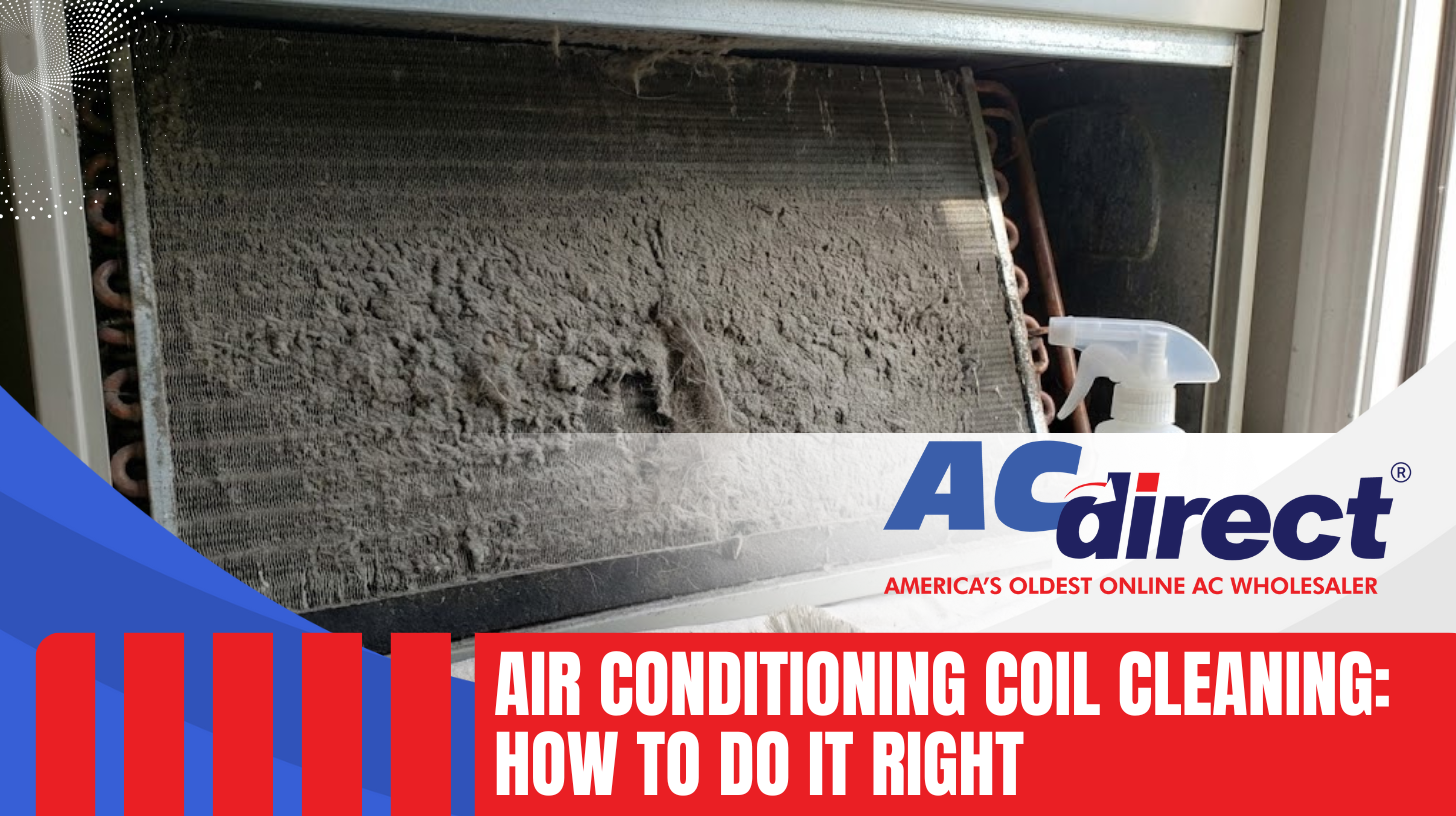
- Clean the Coils Regularly: Use a garden hose to spray the coils from the inside out, removing dirt, dust, and debris.
- Trim Vegetation: Keep shrubs and plants trimmed back at least two feet from the unit to ensure adequate airflow.
- Check the Fan: Make sure the fan blades are clean and in good condition.
- Replace the Air Filter: A dirty air filter can restrict airflow and cause the coil condenser to work harder.
- Schedule Annual Maintenance: Have a qualified HVAC technician inspect and tune up your AC system at least once a year.
The Cost of Replacing a Coil Condenser Unit
The cost of replacing a coil condenser unit can vary widely depending on the size and efficiency of the unit, the complexity of the installation, and your location. On average, you can expect to pay anywhere from $1,500 to $5,000 or more for a complete replacement. It's always best to get quotes from multiple contractors to ensure you're getting a fair price. It is also important to correctly size your new unit by considering, What size mini split do i need.
Finding a Qualified HVAC Technician
When it comes to repairing or replacing your coil condenser, it's essential to hire a qualified HVAC technician. Look for a technician who is licensed, insured, and has experience working with your type of AC system. Ask for references and check online reviews to get a sense of their reputation.
Also, it's good to make sure they are following regulations, such as those enforced by the Missouri PSC.
Extending the Life of Your Coil Condenser
Besides regular maintenance, there are a few other things you can do to extend the life of your coil condenser:
- Use a Programmable Thermostat: A programmable thermostat can help you reduce energy consumption and put less stress on your AC system.
- Keep Your Home Well-Insulated: Proper insulation will help keep your home cool and reduce the workload on your AC.
- Seal Air Leaks: Seal any air leaks around windows, doors, and other openings to prevent cool air from escaping.
- Use Ceiling Fans: Ceiling fans can help circulate air and make your home feel cooler, allowing you to raise the thermostat setting and reduce the workload on your AC.
Frequently Asked Questions
What is the main function of a coil condenser unit in an air conditioner?
The coil condenser unit's main job is to release heat from the refrigerant. This process allows your air conditioner to effectively cool your home by rejecting the heat absorbed from inside.
How do I know if my coil condenser is failing?
If your coil condenser is going bad, you might notice less cooling, higher energy bills, strange noises from the outdoor unit, leaks, or ice buildup on the coils.
Can I replace just the coil condenser unit without replacing the entire AC system?
In many situations, yes, you can replace just the coil condenser. However, it’s really important to make sure the new unit is compatible with your existing indoor parts, like the evaporator coil, so that everything works well together and is efficient. A professional HVAC technician can help you figure out if they're compatible.
What SEER rating should I look for when buying a new coil condenser unit?
The SEER rating tells you how efficient the unit is at cooling. A higher SEER rating means you'll save more money on energy. You should aim for a SEER rating of at least 14. If you want to save even more, especially if you live where it gets really hot, think about getting a higher rating like 16 or more.
How often should I have my coil condenser unit cleaned and inspected?
I recommend cleaning and inspecting your coil condenser unit at least once a year. It's best to do this before the cooling season starts. Regular upkeep can stop problems from happening and make your unit last longer.
Final Thoughts
The coil condenser unit is a vital component of your home's air conditioning system. Understanding how it works, recognizing the signs of potential problems, and following proper maintenance procedures can help ensure that your AC system operates efficiently and reliably for years to come.
By taking the time to research your options, compare prices, and hire a qualified technician, you can make informed decisions about your HVAC needs and protect your investment. Don't hesitate to ask questions and seek expert advice to ensure that you're making the best choice for your home and budget.
Ultimately, the goal is to keep your home comfortable and energy-efficient, and a well-maintained coil condenser unit is essential for achieving that goal.