

Coil Condenser Units: Choosing the Right One for Your Home
-
 By
Michael Haines
By
Michael Haines
- Dec 3, 2025

Hi, I'm Mike Haines, founder of AC Direct. Choosing the right coil condenser unit for your home can feel overwhelming. There are many options, and making the wrong choice can lead to discomfort and higher energy bills. This information is designed to help U.S. homeowners like you understand coil condenser units and select the best one for your needs and budget.
- Coil condenser units are a critical part of your AC system, responsible for releasing heat from your home.
- Consider factors like SEER rating, unit size, and climate when choosing a coil condenser unit.
- Proper maintenance can extend the lifespan of your coil condenser unit and improve its efficiency.
- Replacing an old or inefficient coil condenser unit can save you money on energy bills and improve your home's comfort.
- Consult with a qualified HVAC technician for professional installation and maintenance services.
What is a Coil Condenser Unit?
A coil condenser unit is the outdoor component of a split-system air conditioner or heat pump. Its primary job is to release the heat absorbed from inside your home. The unit contains a compressor, a condenser coil, a fan, and other essential components. Think of it as the workhorse of your cooling system, ensuring your home stays comfortable during hot weather. You'll usually find the Outside ac unit sitting outside of your house.
How a Coil Condenser Unit Works in Your AC System
The coil condenser unit works in conjunction with an indoor evaporator coil to provide cooling. Here’s a simplified breakdown of the process:
- Refrigerant Absorption: The indoor evaporator coil absorbs heat from the air inside your home, turning the refrigerant into a warm gas.
- Compression: The warm refrigerant gas travels to the outdoor coil condenser unit, where the compressor increases its pressure and temperature.
- Heat Release: The hot, high-pressure refrigerant flows through the condenser coil. The fan blows air across the coil, releasing heat into the outside environment. The refrigerant cools down and condenses into a liquid.
- Refrigerant Circulation: The liquid refrigerant returns to the indoor evaporator coil, and the cycle repeats.
Why the Coil Condenser Unit Matters for Home Cooling
The coil condenser unit is essential for efficient and effective home cooling. A properly functioning unit ensures that heat is effectively removed from your home, maintaining a comfortable indoor temperature. An inefficient or failing unit can lead to poor cooling performance, higher energy bills, and potential damage to other components of your AC system.
Types of Coil Condenser Units
Coil condenser units come in various types, each with its own advantages and disadvantages:
- Standard Single-Stage Units: These units operate at a single cooling capacity, making them less energy-efficient than other options. They are typically the most affordable upfront.
- Two-Stage Units: Two-stage units have two cooling capacities, allowing them to operate at a lower, more efficient level when full cooling power isn't needed. This can save energy and improve comfort.
- Variable-Speed Units: These units offer the highest level of energy efficiency and comfort. They can adjust their cooling capacity to precisely match the needs of your home, resulting in consistent temperatures and lower energy bills.
Key Factors to Consider When Choosing a Coil Condenser Unit
When selecting a coil condenser unit, keep these factors in mind:
Size and Cooling Capacity
The size of the unit should match the cooling needs of your home. An undersized unit will struggle to cool your home effectively, while an oversized unit can lead to short cycling and poor dehumidification. Consider a 1.5 ton air conditioner if you have a smaller home or only need to cool a specific area.
Energy Efficiency (SEER Rating)
The Seasonal Energy Efficiency Ratio (SEER) measures the unit's cooling efficiency. Higher SEER ratings indicate greater energy savings. I generally advise homeowners to choose a unit with a SEER rating that balances upfront cost with long-term energy savings.
Climate
The climate you live in will affect the type of coil condenser unit that is most suitable for your needs. In hot climates, a high SEER rating is essential to minimize energy costs. In milder climates, a lower SEER rating may be sufficient.
Noise Level
Coil condenser units can produce noise during operation. Look for units with noise reduction features if noise is a concern. Check the decibel rating (dB) of the unit before purchasing.
Brand and Reliability
Choose a reputable brand with a proven track record of reliability. Research customer reviews and ratings to get an idea of the unit's performance and durability.
SEER Ratings and Energy Efficiency
The SEER rating is a critical factor in determining the energy efficiency of a coil condenser unit. As I mentioned earlier, a higher SEER rating means greater energy savings. Federal regulations mandate minimum SEER ratings for new AC units. Keep in mind that while higher SEER units have a higher upfront cost, they can save you money on energy bills over the long term. When you're buying a Gas furnace and ac unit, make sure both components have a good SEER rating for maximum efficiency.
Coil Condenser Unit Cost and Installation
The cost of a coil condenser unit can vary widely depending on its size, SEER rating, and features. Installation costs will also vary depending on the complexity of the job and the contractor you choose. I always recommend getting quotes from multiple contractors to compare prices and services. Be sure to ask about warranties and any additional fees.
Maintenance and Troubleshooting Tips
Regular maintenance can extend the lifespan of your coil condenser unit and improve its efficiency. Here are some tips:
- Clean the Unit: Regularly clean the outside of the unit to remove dirt, leaves, and debris.
- Change Air Filters: Replace your indoor air filters regularly to ensure proper airflow.
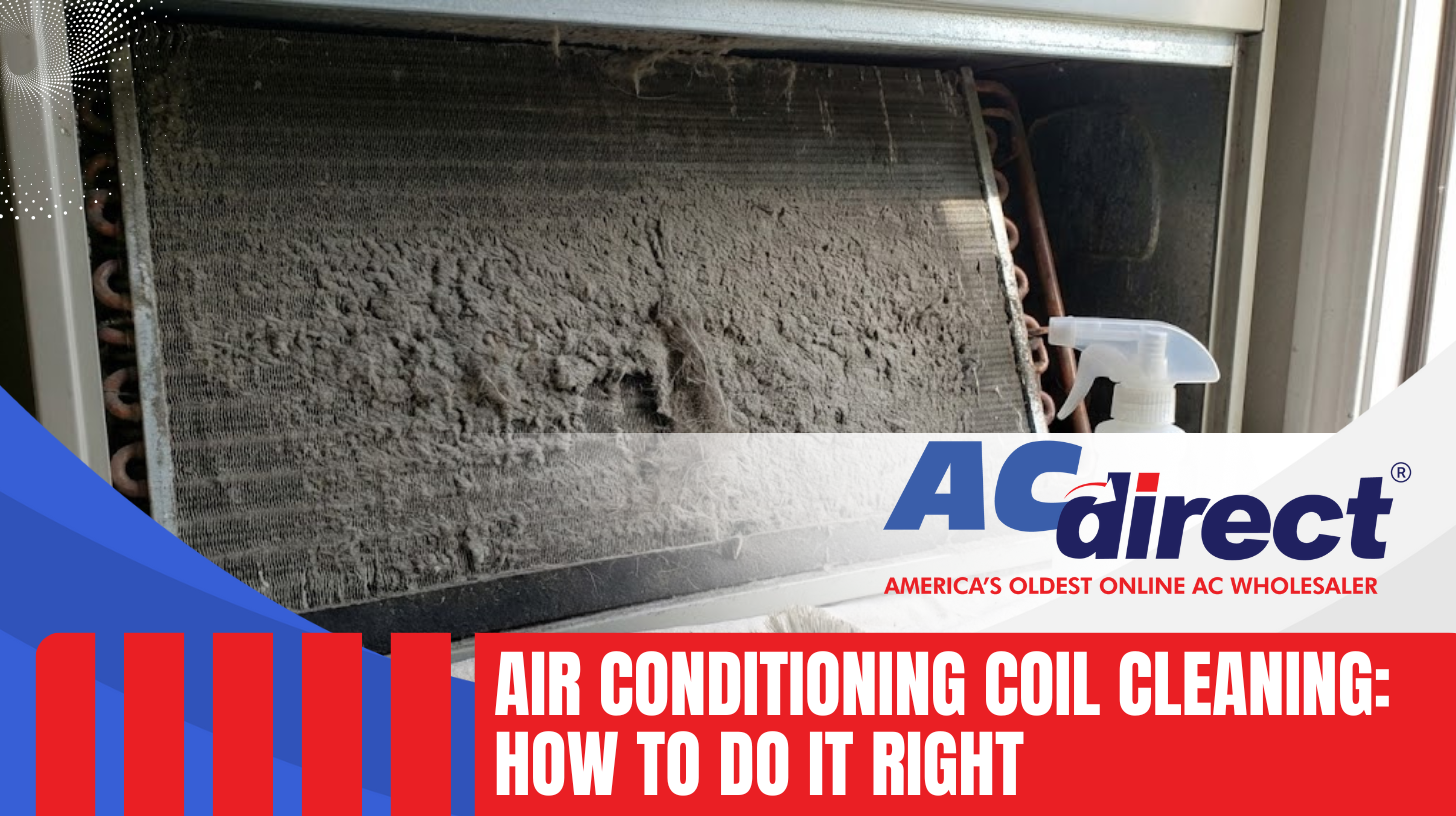
- Inspect Coils: Check the condenser coils for damage or corrosion. Clean them if necessary.
- Check Refrigerant Levels: Low refrigerant levels can indicate a leak. Have a qualified technician check and recharge the refrigerant if needed.
- Schedule Professional Maintenance: Have your AC system professionally inspected and maintained at least once a year.
When to Replace Your Coil Condenser Unit
Knowing when to replace your coil condenser unit can save you money and prevent unexpected breakdowns. Here are some signs that it may be time for a replacement:
Age
If your unit is more than 10-15 years old, it may be nearing the end of its lifespan.
Frequent Breakdowns
If your unit requires frequent repairs, it may be more cost-effective to replace it.
Reduced Cooling Performance
If your unit is not cooling your home as effectively as it used to, it may be time for a replacement.
Increased Energy Bills
If your energy bills have been steadily increasing, it could be a sign that your unit is losing efficiency.
Refrigerant Type
Older units may use R-22 refrigerant, which is being phased out. Replacing your unit with one that uses R-410A refrigerant can be more environmentally friendly and cost-effective in the long run. You can check with your state's Montana PSC for refrigerant regulations.
Finding a Qualified HVAC Technician
Choosing a qualified HVAC technician is crucial for proper installation, maintenance, and repairs. Look for technicians who are licensed, insured, and experienced. Ask for references and check online reviews. A good technician will be able to assess your needs, recommend the right equipment, and perform the job correctly.
Extending the Lifespan of Your Coil Condenser Unit
You can extend the lifespan of your coil condenser unit with proper care and maintenance. Here are some additional tips:
- Protect the Unit: Shield the unit from direct sunlight and harsh weather conditions.
- Keep the Area Clear: Keep the area around the unit free of obstructions, such as plants and debris.
- Monitor Performance: Pay attention to the unit's performance and address any issues promptly.
- Consider a Service Agreement: A service agreement can provide regular maintenance and priority service in case of breakdowns.
Frequently Asked Questions
What is the average lifespan of a coil condenser unit?
With proper upkeep, you can expect a coil condenser unit to last around 10 to 15 years. However, things like the weather in your area, how often you use it, and how well you maintain it can all affect how long it lasts.
How do I know if my coil condenser unit needs to be replaced?
If you notice that your AC isn't cooling as well, is making odd sounds, breaks down frequently, or your energy bills have jumped, your coil condenser unit might be failing. It's best to have a professional take a look to confirm whether you need a replacement.
What SEER rating should I look for in a coil condenser unit?
The best SEER rating for you depends on where you live and how much you're willing to spend. Higher SEER ratings mean better energy savings, but they also cost more upfront. At a minimum, aim for the SEER rating that's required by law in your area. An HVAC expert can help you figure out the ideal SEER rating for your specific situation.
Can I clean my coil condenser unit myself?
Yes, you can clean the outside of your coil condenser unit by gently spraying it with a hose to get rid of dirt and debris. However, when it comes to internal cleaning and repairs, it's best to leave that to a qualified HVAC technician.
How much does it cost to replace a coil condenser unit?
The cost to replace a coil condenser unit can vary a lot depending on the size, SEER rating, and how complicated the installation is. You can expect to pay anywhere from $2,000 to $6,000 or even more, including the cost of labor. It's a good idea to get quotes from several different contractors to compare prices.
Final Thoughts
Choosing the right coil condenser unit is a significant investment in your home's comfort and energy efficiency. By understanding the key factors involved and taking the time to research your options, you can make an informed decision that will benefit you for years to come.
I hope this information has been helpful in your search for the perfect coil condenser unit. Remember to consider your specific needs, budget, and climate when making your decision. Don't hesitate to consult with a qualified HVAC technician for professional advice and installation.
At AC Direct, we're committed to providing you with high-quality HVAC equipment and expert advice. We want to help you find the perfect cooling solution for your home. Take your time, do your research, and choose wisely.