

Coil Conversion: Is It Right for Your HVAC System?
-
 By
Michael Haines
By
Michael Haines
- Dec 4, 2025

Hi, I'm Mike Haines, founder of AC Direct. Many homeowners reach out to us with questions about their HVAC systems, especially when it comes to repairs and upgrades. One topic that comes up frequently is coil conversion, specifically replacing copper coils with aluminum ones. This information is for you, the homeowner, so you can understand the pros and cons and make an informed decision about your home's heating and cooling.
- Coil conversion involves replacing a copper HVAC coil with an aluminum one, often driven by cost and refrigerant compatibility.
- Aluminum coils offer benefits such as affordability and corrosion resistance, but early models had leakage concerns.
- Proper maintenance, including regular cleaning and inspections, is crucial for extending the life of any HVAC coil.
- The cost of coil conversion varies based on system size, coil brand, and local labor rates. Get multiple quotes.
- Signs of a failing coil include reduced cooling, refrigerant leaks, and increased energy bills.
What is an HVAC Coil Conversion?
In simple terms, a coil conversion is when you swap out the existing coil in your air conditioning system with a different type of coil. Traditionally, most HVAC systems used copper coils. However, due to various factors that I'll explain, aluminum coils are becoming more common. The conversion process involves removing the old coil and installing the new one, ensuring it's properly connected and compatible with the rest of your system. You might consider a Furnace sizing to make sure your new HVAC unit is the proper size for your living space.
Why the Shift to Aluminum Coils?
Several reasons have led to the increasing popularity of aluminum coils. One of the biggest is cost. Copper prices have fluctuated significantly, making aluminum a more budget-friendly option for manufacturers. Aluminum is also lighter than copper, which can reduce manufacturing and transportation costs. Furthermore, aluminum is highly recyclable, which aligns with sustainability efforts. Finally, many of the newer refrigerants, like R-410A, are very compatible with aluminum.
The Benefits of Aluminum HVAC Coils for Homeowners
For homeowners, the primary benefit of aluminum coils is often the lower upfront cost. Because aluminum is typically less expensive than copper, systems with aluminum coils can be more affordable to purchase. Aluminum also forms a protective oxide layer that helps resist corrosion in many environments, potentially extending the life of the coil. Plus, because of its wide use, you have a greater variety of options. You might even consider a R32 air conditioner as an alternative to coil replacement.
Potential Drawbacks of Aluminum Coils
While aluminum coils offer several advantages, there are also potential drawbacks to consider. One concern that I hear often is the perception that aluminum coils are more prone to leaks than copper. Early aluminum coils did have some issues, but manufacturing processes have improved significantly. Also, aluminum is a softer metal than copper. This means it can be more susceptible to damage from improper handling or cleaning. It's important to hire a qualified technician for any coil work to avoid damaging the fins or tubing.
Copper vs. Aluminum: A Detailed Comparison
Let's break down the key differences between copper and aluminum coils:
- Cost: Aluminum is generally less expensive than copper.
- Corrosion Resistance: Aluminum forms a protective oxide layer, offering good resistance in many environments. Copper can corrode in certain conditions, especially in coastal areas.
- Durability: Copper is a stronger metal and more resistant to physical damage. Aluminum is softer and requires careful handling.
- Heat Transfer: Copper has slightly better heat transfer properties than aluminum, but the difference is often negligible in modern HVAC systems.
- Weight: Aluminum is significantly lighter than copper, making it easier to handle and install.
- Repair: Copper coils are more easily repaired than aluminum.
Ultimately, the best choice depends on your specific needs and budget.
How to Choose the Right Coil for Your HVAC System
Choosing the right coil involves considering several factors. First and foremost, ensure the new coil is compatible with your existing HVAC system. This includes matching the size and capacity of the coil to your unit. An incorrectly sized coil can reduce efficiency and even damage your system. Secondly, consider the refrigerant your system uses. Some refrigerants are more compatible with aluminum than copper. I always recommend consulting with a qualified HVAC technician to determine the best coil for your specific needs. They can assess your system, consider your budget, and recommend the most appropriate option. A heat pump with ac unit, Heat pump with ac unit, might be a good option for increased efficiency.
Coil Conversion Cost: What to Expect
The cost of a coil conversion can vary widely depending on several factors. These include the size and type of your HVAC system, the brand and model of the coil, and the labor costs in your area. On average, you can expect to pay anywhere from a few hundred to over a thousand dollars for a coil conversion. The best way to get an accurate estimate is to get quotes from multiple HVAC contractors. Be sure to ask for a detailed breakdown of the costs, including the price of the coil, labor charges, and any additional fees. Also, ask about warranties on the coil and the installation work.
Extending the Life of Your Aluminum HVAC Coil
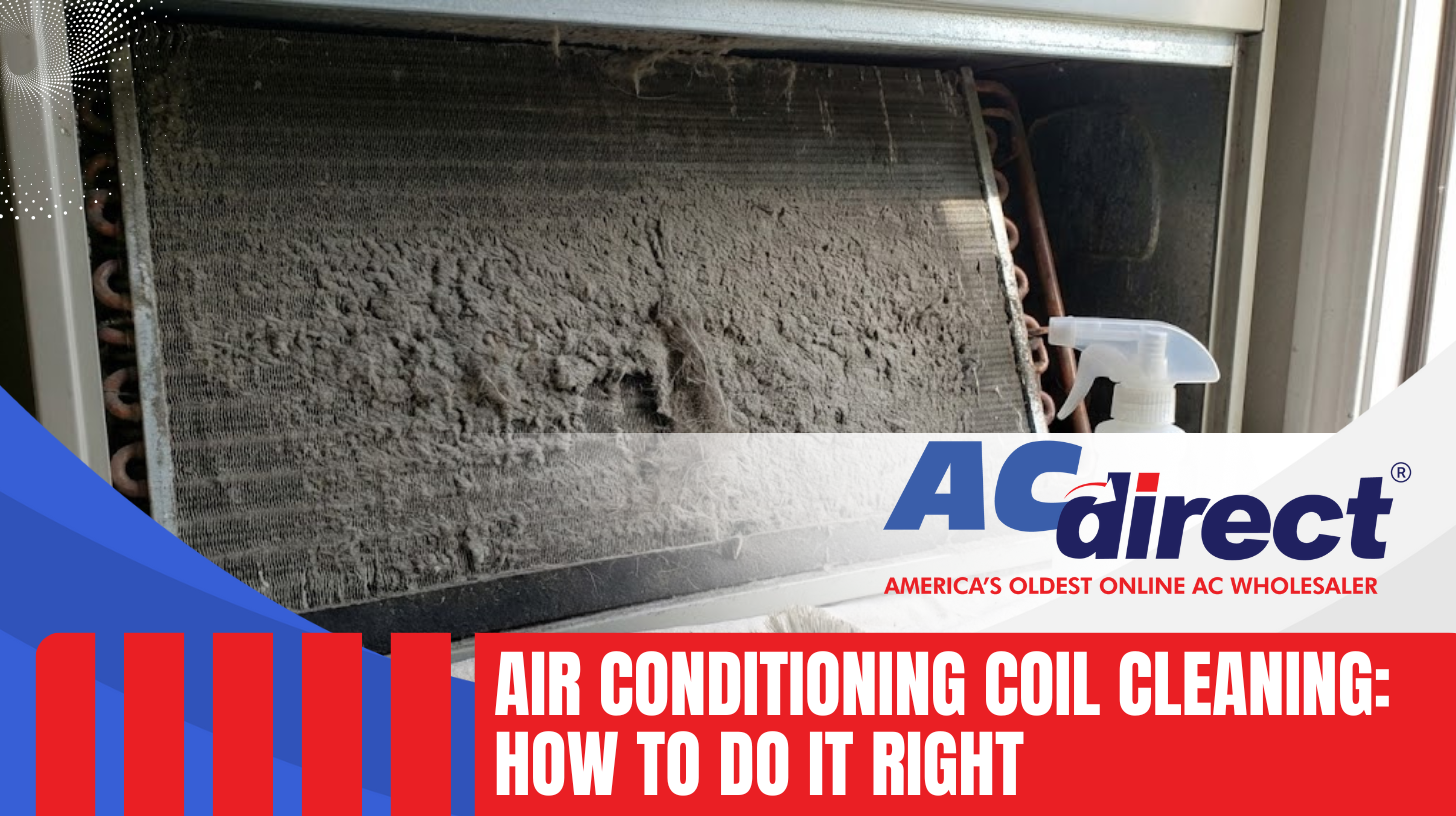
Proper maintenance is essential for extending the life of any HVAC coil, regardless of whether it's made of aluminum or copper. Regular cleaning is crucial to remove dirt, dust, and debris that can accumulate on the coil and reduce its efficiency. You should also change your air filter regularly, as a dirty filter can restrict airflow and cause the coil to overheat. Schedule annual inspections with a qualified HVAC technician to identify and address any potential problems before they become major issues. Proper airflow around your outdoor unit is also critical to maintain the unit's efficiency, according to the Nebraska PSC.
Maintenance Tips for Aluminum Coils
Here are some specific maintenance tips for aluminum coils:
- Clean the coil regularly: Use a coil cleaner or a mild detergent and water solution. Be careful not to damage the fins.
- Change your air filter: Replace your air filter every 1-3 months, or more often if you have pets or allergies.
- Keep the area around the outdoor unit clear: Remove any vegetation or debris that could obstruct airflow.
- Schedule annual inspections: Have a qualified HVAC technician inspect your system annually.
- Consider a coil coating: A protective coating can help prevent corrosion and extend the life of the coil.
Signs You Need a Coil Replacement
Several signs can indicate that your HVAC coil needs to be replaced. Reduced cooling performance is a common symptom. If your AC isn't cooling your home as effectively as it used to, the coil may be the problem. Refrigerant leaks are another sign. If you notice a hissing sound coming from your unit or see signs of refrigerant leaking, the coil may be damaged. Increased energy bills can also indicate a problem with the coil. A failing coil can make your system work harder, leading to higher energy consumption. Visible corrosion or damage on the coil itself is a clear sign that it needs to be replaced. A musty odor coming from your vents can also indicate a problem with the coil, often due to mold or mildew growth.
Finding a Qualified HVAC Technician for Coil Conversion
Choosing the right HVAC technician is crucial for a successful coil conversion. Look for a licensed and insured contractor with experience in coil replacements. Ask for references from previous customers and check online reviews. Get multiple quotes from different contractors to compare prices and services. Make sure the contractor provides a detailed explanation of the work to be performed and the costs involved. Don't be afraid to ask questions. A reputable contractor will be happy to answer your questions and address any concerns you may have.
Frequently Asked Questions
What is a coil conversion in HVAC terms?
A coil conversion is the process of replacing a copper coil in your air conditioning system with an aluminum coil. This has become more common because of changes in manufacturing and refrigerant needs.
Why are HVAC manufacturers switching from copper to aluminum coils?
The switch to aluminum coils is mainly because of cost, material availability, and how well aluminum works with newer refrigerants like R-410A. Aluminum also resists corrosion well.
Will switching to an aluminum coil improve my home's cooling efficiency?
An aluminum coil by itself doesn't promise better efficiency. However, newer coils often have design improvements that can help the system work better overall. Make sure the new coil is a good match for your current system.
How much does a coil conversion typically cost?
The cost of a coil conversion depends on things like the size and type of your HVAC system, the coil's brand, and labor costs in your area. It's best to get estimates from several HVAC contractors.
Are aluminum coils more prone to leaks than copper coils?
Early aluminum coils had a reputation for leaking. Modern aluminum coils are made with better processes and materials, making them more durable. Proper maintenance is important for both types of coils.
How can I extend the life of my aluminum HVAC coil?
Regular maintenance is key. This includes cleaning the coil regularly, changing your air filter, and having annual inspections done by a qualified HVAC technician. Also, make sure there's good airflow around your outdoor unit.
What are the signs that my HVAC coil needs to be replaced?
Signs of a failing coil include the system not cooling well, refrigerant leaks, higher energy bills, and visible corrosion or damage on the coil. A musty smell can also mean coil problems.
Final Thoughts
Coil conversion is a complex topic, and the decision of whether to switch from copper to aluminum depends on your individual circumstances. While aluminum coils offer cost advantages and good corrosion resistance, it's essential to consider potential drawbacks and ensure proper installation and maintenance. Ultimately, making an informed decision based on your specific needs and consulting with a qualified HVAC technician will help you choose the best option for your home.
I hope this information has been helpful in understanding coil conversion. Remember to get multiple quotes, ask questions, and choose a reputable HVAC contractor to ensure a successful installation. A well-maintained HVAC system will not only keep your home comfortable but also save you money on energy bills in the long run.