 and now, NASCAR Racing Sponsor


Evaporator Coil Problems: Causes, Symptoms, and Solutions
-
 By
Michael Haines
By
Michael Haines
- Dec 5, 2025

Hi, I'm Mike Haines, founder of AC Direct. If your air conditioner isn't keeping your home cool like it used to, the problem might be your evaporator coil. I see many homeowners dealing with this issue, and it can be tricky to diagnose. This information is for you, the homeowner, to help you understand what an evaporator coil does, what can go wrong, and how to address it. We'll cover everything from recognizing the symptoms of a failing coil to deciding whether to repair or replace it, so you can make the best decision for your home and budget.
- The evaporator coil is a critical component of your AC system that absorbs heat from your home's air.
- Common signs of a failing evaporator coil include reduced cooling, frozen coils, and unusual noises.
- Regular maintenance, like changing your air filter and scheduling professional cleaning, can extend the life of your coil.
- Replacing an evaporator coil can cost anywhere from $800 to $2,500, depending on several factors.
- If your AC system is old, consider replacing the entire unit for improved efficiency and refrigerant compatibility.
What is an Evaporator Coil?
The evaporator coil is a key component of your air conditioning or heat pump system. It's typically located inside the indoor unit, often within the air handler or furnace. Its primary function is to absorb heat from the air inside your home. Refrigerant flows through the coil, and as warm air passes over it, the refrigerant evaporates, cooling the air. This cooled air is then circulated throughout your home via the ductwork.
Why is the Evaporator Coil Important for Home Cooling?
Without a properly functioning evaporator coil, your air conditioner simply can't do its job. The coil is responsible for the heat exchange process that cools your home. If the coil is dirty, damaged, or frozen, it won't be able to absorb heat effectively, leading to reduced cooling capacity and higher energy bills. Think of it as the engine of your cooling system; if it's not running well, nothing else will work as it should. To help you get an idea of the right unit size you need, consider using our Air conditioning size calculator.
Types of Evaporator Coils
There are several types of evaporator coils, each with its own advantages and disadvantages. Here are a few common types:
- A-Coils: These are shaped like an "A" and are very common due to their large surface area for heat exchange. They're often found in residential HVAC systems.
- Slab Coils: These are flat, rectangular coils that are typically used in older systems or in situations where space is limited.
- N-Coils: Similar to A-coils but with a slightly different shape for optimized airflow and heat transfer.
- Microchannel Coils: These are newer, more efficient coils that use smaller tubes and fins to increase surface area and improve heat transfer.
The best type of coil for your system will depend on the size and configuration of your HVAC unit, as well as your specific cooling needs. You might also consider a Ac sizing estimator to dial in the correct unit size.
Symptoms of a Failing Evaporator Coil
Recognizing the signs of a failing evaporator coil early can save you money and prevent further damage to your HVAC system. Here are some common symptoms to watch out for:
- Reduced Cooling: This is often the first and most noticeable sign. If your AC is running longer than usual but not cooling your home effectively, the evaporator coil might be the culprit.
- Frozen Coil: A frozen evaporator coil is a clear indication of a problem. This can be caused by restricted airflow, low refrigerant levels, or a malfunctioning expansion valve.
- Water Leaks: If you notice water leaking from your indoor unit, it could be due to a frozen coil melting or a clogged condensate drain.
- Unusual Noises: Hissing or bubbling sounds coming from your indoor unit can indicate a refrigerant leak in the evaporator coil.
- Increased Energy Bills: A failing evaporator coil forces your AC system to work harder, leading to higher energy consumption and increased utility costs.
What Causes Evaporator Coil Failure?
Several factors can contribute to evaporator coil failure. Understanding these causes can help you prevent problems and extend the life of your coil:
- Dirty Air Filter: A dirty air filter restricts airflow, causing the evaporator coil to get too cold and potentially freeze. This is one of the most common causes of coil failure.
- Refrigerant Leaks: Leaks in the refrigerant lines can reduce the system's ability to cool, stressing the coil.
- Corrosion: Over time, the coil can corrode due to exposure to moisture and chemicals in the air. This is especially common in coastal areas.
- Physical Damage: The coil can be damaged by impacts or improper handling during maintenance.
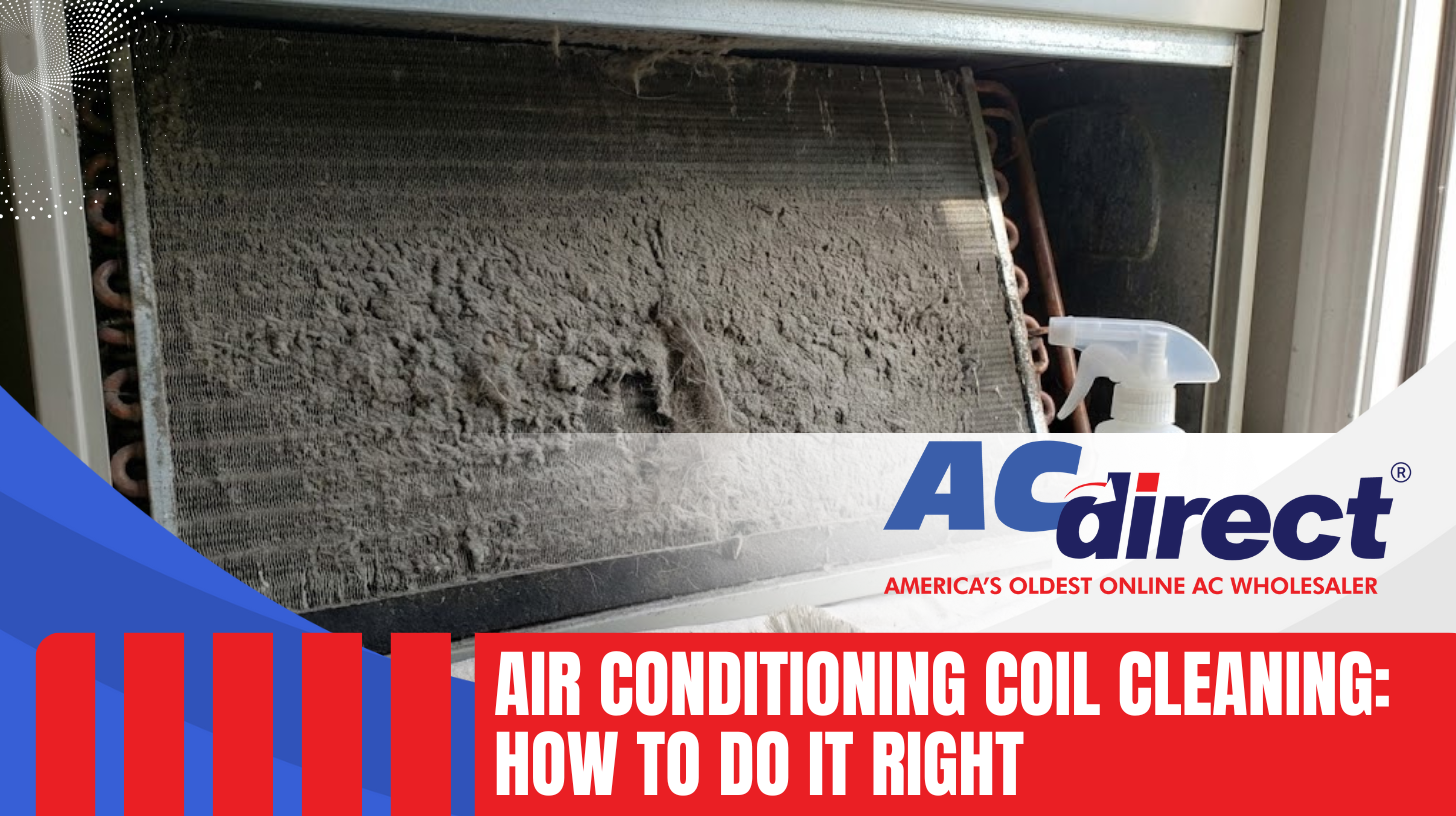
- Lack of Maintenance: Neglecting regular cleaning and maintenance can lead to buildup of dust, dirt, and mold on the coil, reducing its efficiency and lifespan.
Evaporator Coil Cleaning and Maintenance Tips
Regular cleaning and maintenance are essential for keeping your evaporator coil in good condition and preventing costly repairs. Here are some tips:
- Change Your Air Filter Regularly: This is the single most important thing you can do to protect your evaporator coil. Check your filter monthly and replace it when it's dirty.
- Schedule Professional Cleaning: Have your evaporator coil professionally cleaned every year or two. A technician can use specialized tools and cleaning solutions to remove stubborn dirt and debris.
- Inspect the Coil Regularly: Visually inspect the coil for signs of damage or corrosion. If you notice anything unusual, call a professional.
- Keep the Area Around the Unit Clean: Make sure the area around your indoor unit is free of clutter and debris to ensure proper airflow.
How to Choose the Right Evaporator Coil for Your AC System
If your evaporator coil needs to be replaced, it's important to choose the right one for your system. Here are some factors to consider:
- Compatibility: Make sure the new coil is compatible with your existing AC system. Check the manufacturer's specifications or consult with an HVAC professional.
- Size and Capacity: The coil should be the correct size and capacity for your system's cooling needs. An undersized coil won't cool effectively, while an oversized coil can lead to humidity problems.
- Material: Evaporator coils are typically made of copper or aluminum. Copper coils are more durable but also more expensive. Aluminum coils are more affordable but may be more susceptible to corrosion.
- Efficiency: Look for a coil with a high SEER (Seasonal Energy Efficiency Ratio) rating for improved energy efficiency.
Evaporator Coil Replacement Cost: Factors to Consider
The cost of replacing an evaporator coil can vary widely depending on several factors. It’s a good idea to understand these costs to prepare yourself:
- Type of Coil: The type of coil (A-coil, slab coil, etc.) will affect the price. More complex or efficient coils tend to be more expensive.
- Accessibility: If the coil is difficult to access, the labor costs will be higher.
- Refrigerant Type: If your system uses an older refrigerant like R-22, which is being phased out, the cost of refrigerant replacement may be higher. The Nevada Public Utilities Commission has more information on refrigerant regulations.
- Labor Costs: Labor costs vary depending on your location and the HVAC technician's rates.
- Warranty: Check if the new coil comes with a warranty to protect against defects or premature failure.
DIY vs. Professional Evaporator Coil Replacement
While some homeowners may be tempted to replace the evaporator coil themselves, I generally don't recommend it. This is a complex task that requires specialized knowledge, tools, and safety precautions. Improper installation can damage your AC system and even pose a safety risk.
Unless you have extensive HVAC experience, it's best to leave evaporator coil replacement to a qualified professional. A professional technician can ensure that the new coil is installed correctly and that your AC system is functioning properly.
Extending the Life of Your Evaporator Coil
As I've said, proper maintenance is critical to extending the life of your evaporator coil. In addition to regular cleaning and filter changes, there are a few other things you can do:
- Schedule Regular HVAC Tune-Ups: Have your entire AC system inspected and tuned up by a professional at least once a year.
- Address Problems Promptly: If you notice any signs of a problem, such as reduced cooling or unusual noises, don't wait to call a technician. Addressing issues early can prevent further damage.
- Protect the Outdoor Unit: Keep the outdoor unit free of debris and make sure it's properly shaded to prevent overheating.
When to Consider a Full HVAC System Replacement
In some cases, replacing just the evaporator coil may not be the most cost-effective solution. If your AC system is old (10+ years) or uses an outdated refrigerant, it might be time to consider a full system replacement. Newer systems are more energy-efficient and use environmentally friendly refrigerants.
Replacing the entire system can also save you money in the long run by reducing energy bills and preventing future repairs. Get quotes for both evaporator coil replacement and full system replacement to make an informed decision. Sometimes the increased efficiency of modern Heat pump ac units units can be worth the cost.
Frequently Asked Questions
What does an evaporator coil do in my air conditioner?
The evaporator coil is responsible for absorbing heat from your indoor air. Refrigerant inside the coil evaporates, cooling the air that is then circulated throughout your home.
How often should I clean my evaporator coil?
Ideally, you should have your evaporator coil professionally cleaned every year or two. Regular cleaning prevents dust and debris buildup, which can significantly reduce cooling efficiency.
How much does it cost to replace an evaporator coil?
Evaporator coil replacement costs can vary widely, typically ranging from $800 to $2,500, including parts and labor. The cost depends on the type of coil, accessibility, and your HVAC technician's rates.
Can a dirty air filter cause my evaporator coil to fail?
Yes, a dirty air filter restricts airflow, causing the evaporator coil to get too cold and potentially freeze. This can lead to coil damage and premature failure. Change your air filter regularly to prevent this.
Is it worth replacing just the evaporator coil, or should I replace the entire AC system?
If your AC system is old (10+ years) or uses R-22 refrigerant, it's often more cost-effective to replace the entire system. Newer systems are more energy-efficient and use environmentally friendly refrigerants. Get quotes for both options to make an informed decision.
Final Thoughts
The evaporator coil is a vital part of your home's cooling system, and understanding its function and potential problems can help you keep your AC running smoothly. By recognizing the symptoms of a failing coil, performing regular maintenance, and making informed decisions about repair or replacement, you can ensure that your home stays cool and comfortable all summer long.
Whether you decide to repair or replace your evaporator coil, or even upgrade your entire AC system, remember to choose a reputable HVAC professional and get multiple quotes. This will help you find the best value and ensure that the work is done correctly. Don't hesitate to ask questions and do your research before making a decision. Making the right choice will save you money and provide peace of mind.