 and now, NASCAR Racing Sponsor


Choosing the Right Coil for Your Air Conditioner
-
 By
Michael Haines
By
Michael Haines
- Dec 6, 2025

Hi, I'm Mike Haines, founder of AC Direct. One of the most important parts of your air conditioning system is the coil. Choosing the right coil is critical for the efficiency and lifespan of your AC. In this post, I'll explain the different types of AC coils, common problems, and how to choose the right replacement so you can keep your home cool and comfortable.
Key Highlights
- Air conditioner coils are essential components that facilitate heat exchange, with evaporator coils cooling indoor air and condenser coils expelling heat outdoors.
- Common issues like refrigerant leaks, corrosion, and dirt buildup can significantly reduce coil efficiency and system performance.
- Selecting the correct replacement coil involves matching specifications like size, type, and refrigerant compatibility to ensure optimal operation.
- Regular maintenance, including cleaning and professional inspections, is crucial for preventing coil problems and extending the lifespan of your AC system.
- Replacing an AC coil can range from $700 to $2500, depending on factors like coil type, system accessibility, and local labor rates.
What is an Air Conditioner Coil and Why is it Important?
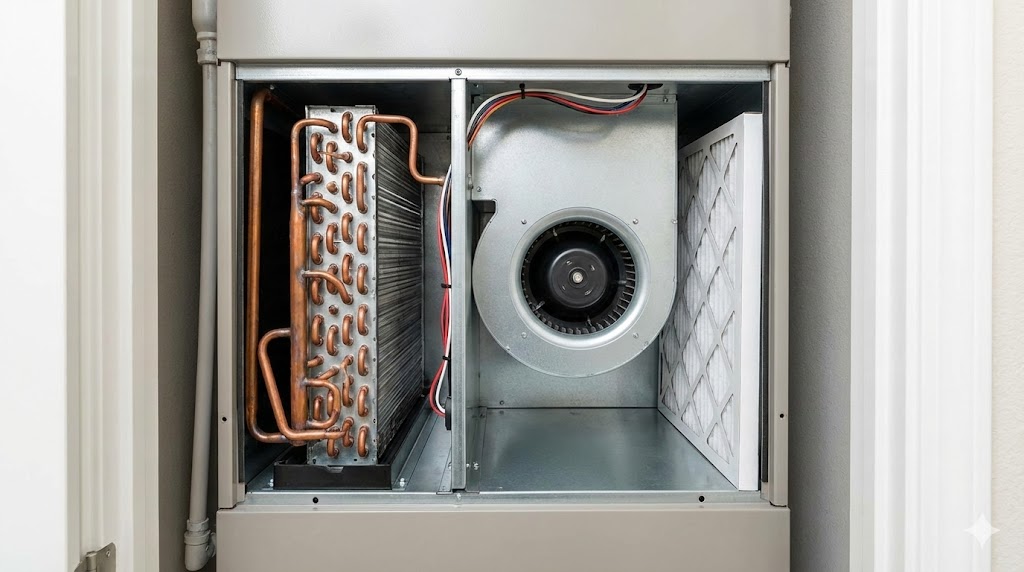
Your air conditioner relies on a refrigeration cycle to cool your home. The coils are where the heat exchange happens. There are two main coils: the evaporator coil, which is inside your home, and the condenser coil, which is outside. The evaporator coil absorbs heat from the indoor air, cooling it down. The condenser coil releases the absorbed heat outside. If either coil isn't working efficiently, your AC system will struggle to keep your home cool, and you'll likely see higher energy bills. A faulty coil can cause your entire system to fail, leading to expensive repairs or even the need for a full system replacement. Regular maintenance and timely repairs are crucial to keeping these vital components in good working order. A well-maintained coil will not only keep your home comfortable but will also extend the life of your AC system and save you money on energy costs.
The Different Types of AC Coils: Evaporator vs. Condenser
As I mentioned, there are two main types of coils in your AC system: evaporator coils and condenser coils. The evaporator coil is located inside your air handler or furnace. Its job is to absorb heat from the air that's blown across it, cooling the air before it's circulated through your home. These coils are typically made of copper or aluminum and have fins to increase the surface area for heat transfer. A clean evaporator coil is essential for efficient cooling; dirt and debris can insulate the coil, reducing its ability to absorb heat. You might consider a Electric furnaces prices if you are modernizing your system.
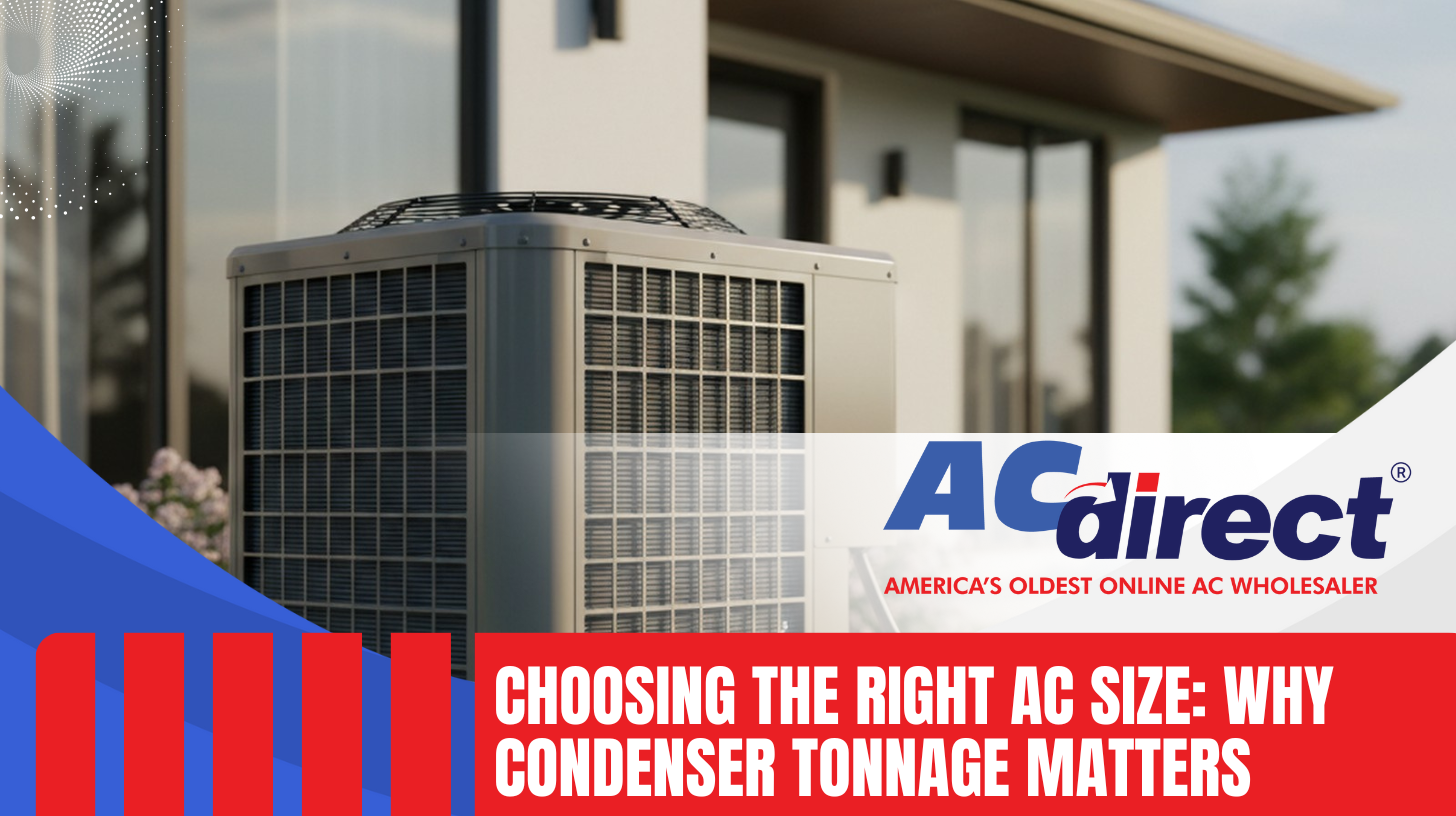
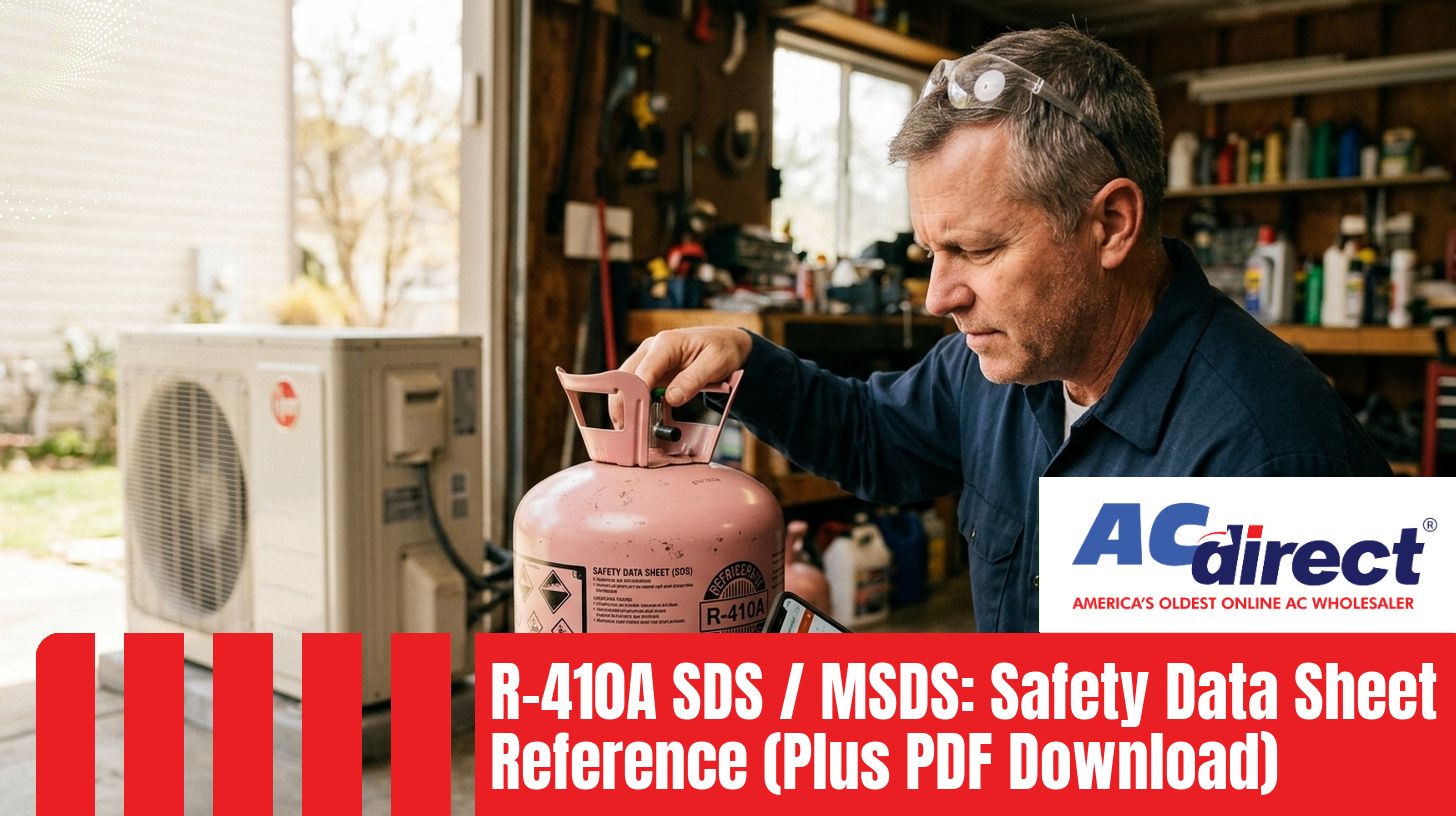
The condenser coil is located in the outdoor unit. It releases the heat absorbed by the evaporator coil to the outside air. Like evaporator coils, condenser coils are also made of copper or aluminum with fins. Proper airflow around the condenser coil is crucial for it to function correctly. Obstructions like plants, leaves, or debris can restrict airflow, causing the coil to overheat and reduce its efficiency. The type of refrigerant used in your system also affects the type of coil you need. Older systems often use R-22 refrigerant, while newer systems use R-410A, which requires coils designed to handle its specific properties.
Common Air Conditioner Coil Problems: Causes and Symptoms
Several problems can affect your AC coils, reducing their efficiency and potentially leading to system failure. One of the most common issues is a refrigerant leak. This can happen due to corrosion, physical damage, or wear and tear over time. Symptoms of a refrigerant leak include reduced cooling performance, ice buildup on the coil, and a hissing sound coming from the unit. Low refrigerant levels put stress on the compressor, potentially leading to compressor failure, which is a very expensive repair.
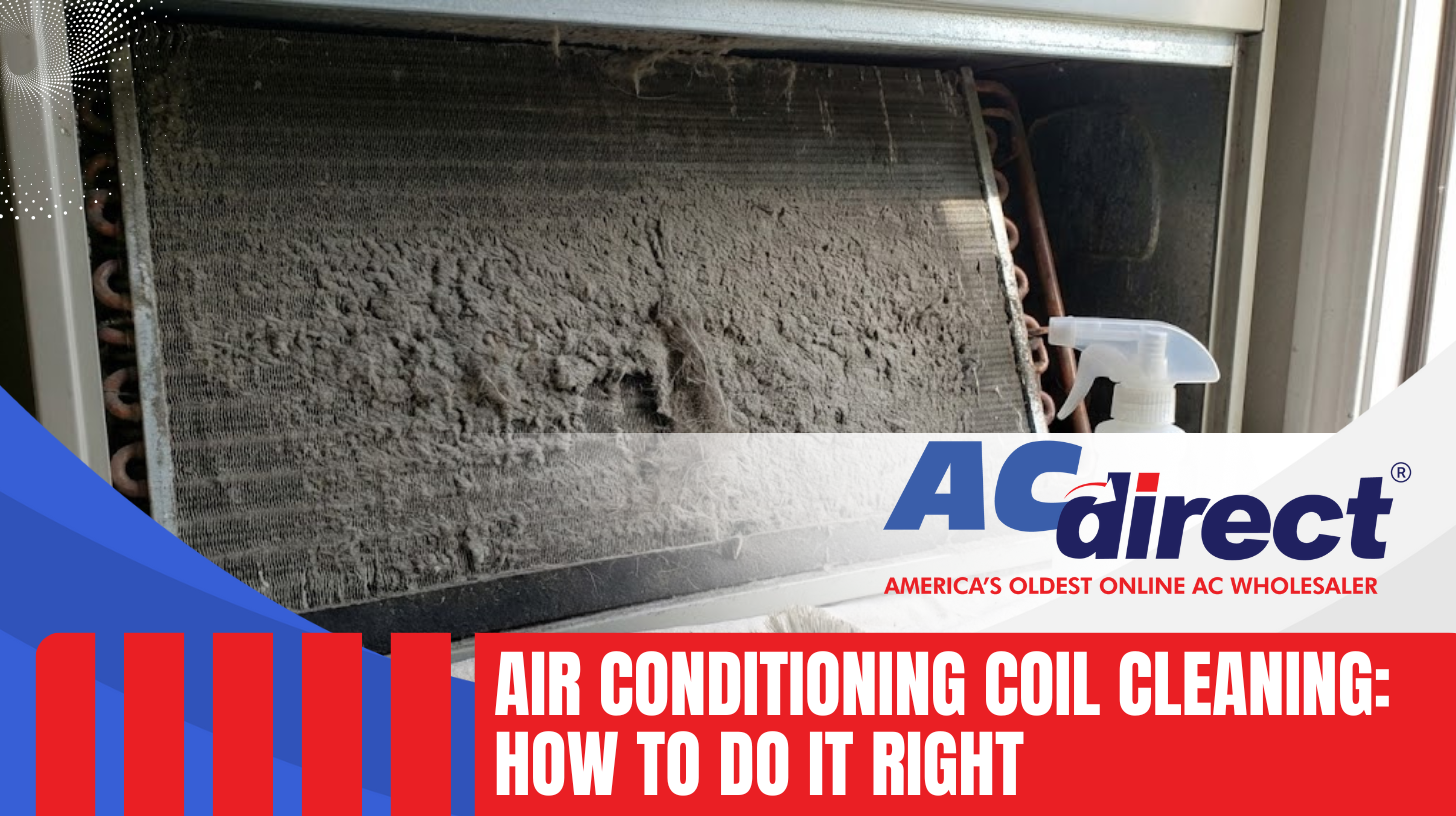
Corrosion is another common problem, especially in coastal areas or places with high humidity. The salt air and moisture can corrode the coil material, leading to leaks and reduced heat transfer. Regular cleaning and protective coatings can help prevent corrosion. Dirt and debris buildup can also cause problems. Dust, pollen, and other particles can accumulate on the coil fins, insulating the coil and reducing its ability to exchange heat. This can lead to decreased cooling efficiency and higher energy bills. Regular cleaning of the coils can help prevent this issue. Finally, physical damage, such as bent fins or punctures, can also affect coil performance. Handle the coils carefully when cleaning or performing maintenance to avoid causing damage. It's good to keep an eye on the unit; use the Ac size estimator to find out if you need a bigger or more robust system.
How to Choose the Right Replacement Coil for Your AC System
If your AC coil is damaged beyond repair, you'll need to replace it. Choosing the right replacement coil is crucial for ensuring optimal system performance and compatibility. First, you need to match the coil type. Make sure you're getting the correct type of coil for your system, whether it's an evaporator coil or a condenser coil. The specifications must match your existing system. Check the manufacturer's specifications or consult with an HVAC technician to determine the correct coil type for your unit.
You also need to consider the size and capacity. The replacement coil must have the same cooling capacity as the original coil. Using a coil that's too small or too large can reduce efficiency and potentially damage your system. Check the BTU (British Thermal Units) rating of the original coil and make sure the replacement coil has the same rating. Refrigerant compatibility is another critical factor. Ensure that the replacement coil is compatible with the type of refrigerant used in your system. Using a coil that's not compatible with your refrigerant can lead to leaks, corrosion, and other problems. If you're upgrading to a newer refrigerant, you'll likely need to replace both the evaporator and condenser coils.
Finally, consider the brand and quality. Opt for a reputable brand known for producing high-quality coils. While cheaper coils may seem appealing, they may not last as long or perform as well as higher-quality options. Reading reviews and consulting with an HVAC technician can help you choose a reliable replacement coil. You can use Capta3626b3 to contact us directly and ask about brands and models.
Cost of Replacing an AC Coil: Factors and Budgeting
The cost of replacing an AC coil can vary depending on several factors. The type of coil is one of the biggest cost drivers. Evaporator coils and condenser coils have different prices. The size and capacity of the coil also affect the cost. Larger coils with higher BTU ratings typically cost more than smaller coils.
Labor costs can also vary depending on your location and the complexity of the job. Replacing an AC coil can be a complex task that requires specialized tools and knowledge, so it's important to hire a qualified HVAC technician. The accessibility of the unit can also affect labor costs. If the unit is difficult to access, it may take longer to replace the coil, increasing labor costs. In general, you can expect to pay anywhere from $700 to $2500 for a complete AC coil replacement, including parts and labor. Get quotes from multiple HVAC contractors to compare prices and services before making a decision. It's also a good idea to factor in the potential cost of refrigerant, as you may need to recharge the system after replacing the coil.
Tips for Maintaining Your AC Coils and Preventing Future Issues
Regular maintenance is key to preventing AC coil problems and extending the lifespan of your system. One of the simplest and most effective things you can do is to change your air filters regularly. Dirty air filters restrict airflow, causing the AC system to work harder and potentially leading to coil problems. Check your air filters monthly and replace them when they're dirty. Clean the coils regularly. You can clean the exterior of the condenser coil with a garden hose to remove dirt and debris. Be careful not to bend the fins. Cleaning the evaporator coil is more complex and may require professional tools and knowledge.
Keep the area around the outdoor unit clear. Make sure there's plenty of space around the condenser unit for proper airflow. Trim any plants or shrubs that are blocking airflow. Schedule regular professional maintenance. A qualified HVAC technician can inspect your system, clean the coils, check refrigerant levels, and identify any potential problems before they become major issues. Regular maintenance can help you avoid costly repairs and extend the life of your AC system.
When to Call a Professional for AC Coil Repair or Replacement
While some AC maintenance tasks can be done yourself, others require the expertise of a professional HVAC technician. If you notice signs of a refrigerant leak, such as reduced cooling performance or ice buildup on the coil, it's important to call a professional right away. Refrigerant leaks can be dangerous and require specialized equipment to repair. If you suspect corrosion or physical damage to the coils, it's also best to call a professional. Attempting to repair damaged coils yourself can cause further damage and potentially void your warranty. If your AC system is making unusual noises, such as hissing, buzzing, or rattling, it could be a sign of a coil problem. A professional can diagnose the issue and recommend the appropriate repair or replacement. Also, be aware of state and local regulations; for example, appliance recycling programs such as those in New Hampshire overseen by the New Hampshire PUC require specific handling of refrigerants.
Finally, if you're not comfortable working with electrical components or refrigerant lines, it's always best to hire a professional. AC systems can be dangerous, and improper repairs can lead to electric shock, refrigerant exposure, and other hazards. A qualified HVAC technician has the knowledge, skills, and equipment to safely and effectively repair or replace your AC coils.
Frequently Asked Questions
What is the difference between an evaporator coil and a condenser coil?
The evaporator coil absorbs heat from inside your home, cooling the air. The condenser coil releases that heat outside. They work together as part of the refrigeration cycle.
How do I know if my AC coil is failing?
Common signs include reduced cooling performance, ice buildup on the coil, a refrigerant leak, unusual noises, and higher energy bills. A professional inspection is recommended for accurate diagnosis.
Can I clean my AC coils myself?
You can clean the exterior of the condenser coil with a garden hose, but cleaning the evaporator coil often requires professional tools and knowledge to avoid damage. If you are not comfortable working with electrical components or refrigerant lines, it's best to hire an HVAC technician.
How much does it cost to replace an AC coil?
The cost of replacing an AC coil varies depending on the type of coil, the accessibility of the unit, and labor costs in your area. Expect to pay anywhere from $700 to $2500 for a complete replacement.
What are some ways to prevent AC coil problems?
Regular AC maintenance, including filter changes and professional inspections, can help prevent coil problems. Keeping the area around the outdoor unit clear of debris also helps ensure proper airflow and reduces the risk of damage.
Final Thoughts
Choosing the right coil for your air conditioner is a critical decision that can significantly impact your system's performance, efficiency, and lifespan. By understanding the different types of coils, common problems, and how to select a replacement, you can make an informed decision that keeps your home comfortable and saves you money.
Remember to prioritize regular maintenance, including filter changes and professional inspections, to prevent coil problems and extend the life of your AC system. When in doubt, don't hesitate to consult with a qualified HVAC technician for expert advice and assistance. With the right coil and proper care, your AC system will provide reliable cooling for years to come.
At AC Direct, we're committed to helping you find the best HVAC solutions for your home. Explore our selection of AC coils and other HVAC products to find the perfect fit for your needs.