 and now, NASCAR Racing Sponsor


Understanding Your AC Coil Ohm Reading: What It Means
-
 By
Michael Haines
By
Michael Haines
- Dec 8, 2025
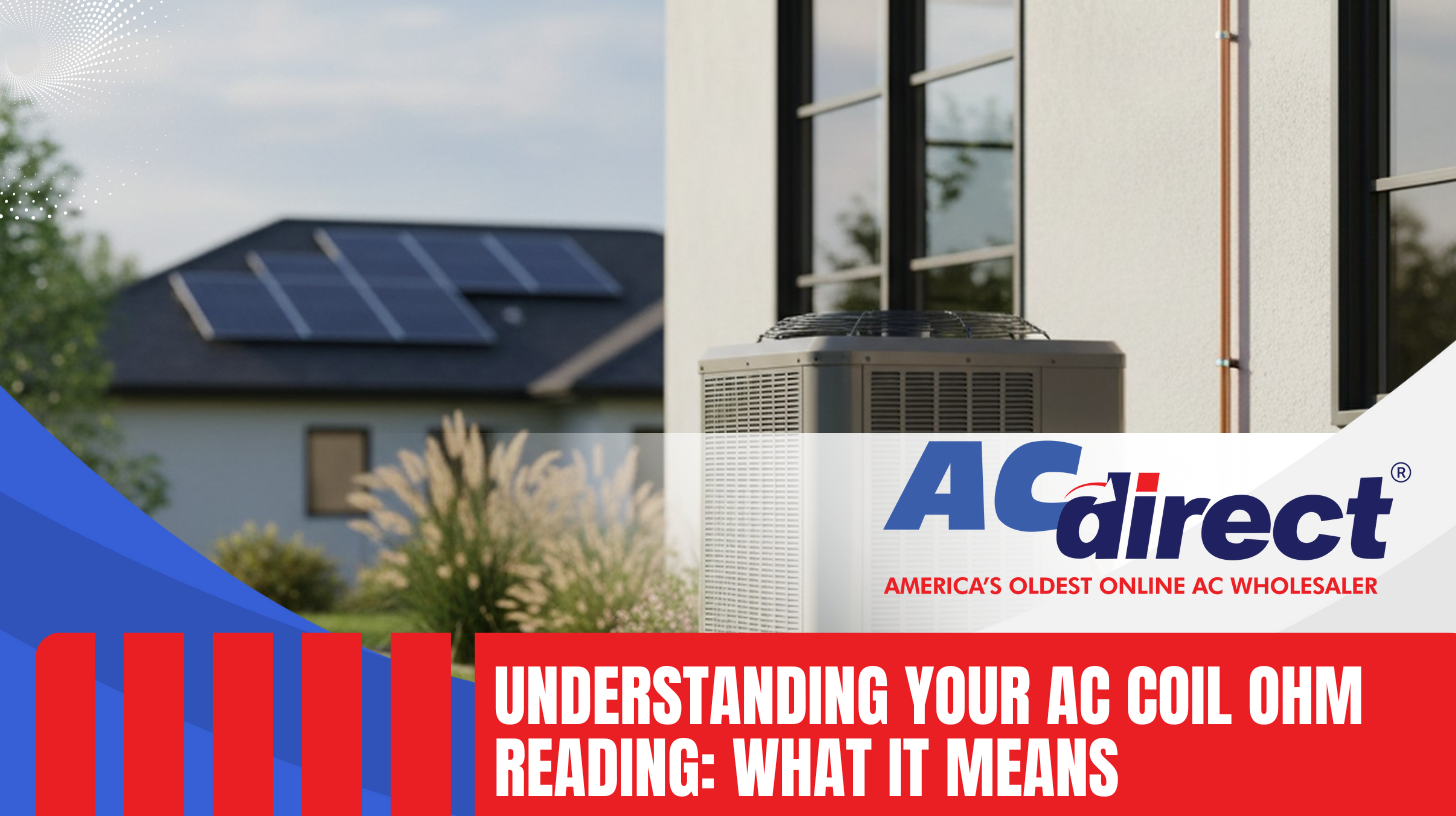
Hi, I'm Mike Haines, founder of AC Direct. If you're a homeowner or small business owner experiencing HVAC problems, understanding how to test your AC coil's ohm reading can be a valuable troubleshooting step. This information is geared towards helping you identify potential issues before calling in a professional, and making informed decisions about repairs or replacements.
Key Highlights
- Coil ohm testing helps determine the electrical integrity of your AC or furnace coils.
- Abnormal coil resistance readings (high or low) usually indicate a problem that impacts HVAC performance.
- Basic coil testing requires safety precautions and the right tools, including a multimeter.
- Regular coil maintenance and inspections can extend the life of your HVAC system.
- Knowing when to call a professional HVAC technician is important for complex coil issues.
What is Coil Ohm Testing?
Coil ohm testing is a diagnostic procedure used to measure the electrical resistance within the coils of your air conditioner or furnace. These coils, typically made of copper or aluminum, are essential for heat transfer. The test involves using a multimeter to check the resistance, measured in ohms. A normal ohm reading indicates that the coil is electrically sound, while an abnormal reading suggests a potential problem, such as a short circuit or an open circuit.
Why Coil Ohm Readings Matter for Your HVAC System
Coil ohm readings are a critical indicator of the health and functionality of your HVAC system. These readings help determine if the coils are properly conducting electricity, which is crucial for the system to heat or cool air efficiently. Incorrect readings can signal problems that lead to decreased performance, higher energy bills, or complete system failure. Regularly checking these readings, or having a professional do so, can prevent costly repairs down the road.
Understanding Coil Resistance What the Numbers Mean
The "normal" coil resistance varies based on the specific unit, so always refer to the manufacturer's specifications for accurate values. Generally, a reading close to zero ohms indicates very little resistance, which could mean a short circuit. A very high reading, or infinite resistance, usually signifies an open circuit. The specified range should be listed on the unit or in the documentation. If you're in the market for a new unit, you might consider a Goodman 3.5 ton ac unit for your home.
Tools You'll Need for Basic Coil Testing (And When to Skip It)
To perform a basic coil ohm test, you'll need a few essential tools:
- Multimeter: This is the primary tool for measuring electrical resistance. Make sure it's in good working condition and set to the ohms setting.
- Screwdrivers: You may need these to access the coil terminals.
- Safety Glasses and Gloves: Safety should always be your top priority when working with electrical components.
However, it's important to know when to skip DIY testing. If you're not comfortable working with electricity or if you suspect a more complex issue, it's best to call a qualified HVAC technician. Working with electricity can be dangerous, and misdiagnosis can lead to further damage.
How to Perform a Basic Coil Ohm Test (Safety First!)
Always turn off the power to the HVAC unit at the breaker before beginning any testing.
- Locate the Coil: Access the indoor or outdoor unit to find the coil you want to test. This may require removing access panels.
- Disconnect Wires: Disconnect the wires from the coil terminals. Make sure the unit is powered off before disconnecting anything.
- Set Up Multimeter: Turn on your multimeter and set it to the ohms (Ω) setting.
- Connect Probes: Place one probe on each of the coil terminals.
- Read the Display: Observe the reading on the multimeter display. Compare this reading to the manufacturer's specifications.
- Reassemble: Once you've recorded the reading, disconnect the probes and reattach the wires to the coil terminals. Secure any access panels you removed.
Common Coil Resistance Problems and Their Symptoms
Several issues can cause abnormal coil resistance readings:
- Open Circuit: Indicated by a very high or infinite resistance reading. This often means a break in the coil wiring, preventing current flow. Symptoms include the AC or furnace not turning on.
- Short Circuit: Indicated by a very low resistance reading. This happens when the coil windings are damaged and touching each other. Symptoms include the unit tripping the breaker or overheating.
- Damaged Coil: Physical damage to the coil can alter its resistance.
Troubleshooting High or Low Coil Resistance Readings
If you get a high resistance reading (open circuit):
- Visually inspect the coil for any obvious breaks or damage.
- Check the wiring connections to ensure they are secure.
If you get a low resistance reading (short circuit):
- Do not attempt to repair the coil yourself. Short circuits can cause significant damage.
- Contact a qualified HVAC technician immediately.
The Link Between Coil Problems and HVAC Efficiency
Coil problems directly impact the efficiency of your HVAC system. When the coil's resistance is off, the system has to work harder to achieve the desired temperature. This leads to increased energy consumption and higher utility bills. In severe cases, a malfunctioning coil can cause the system to shut down completely, leaving you without heating or cooling. Before summer arrives, consider a 2 1 2 ton ac unit.
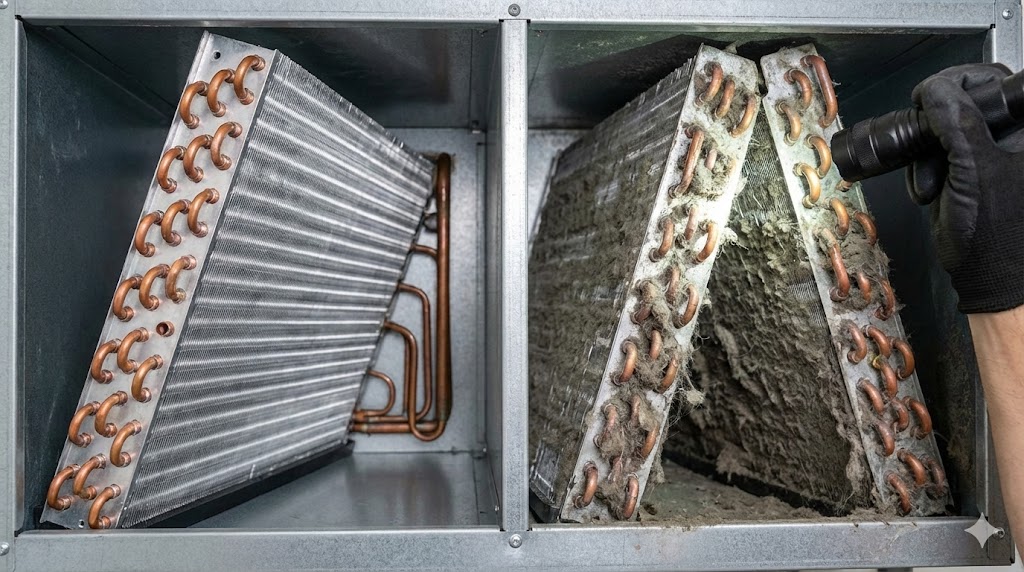
Coil Cleaning and Maintenance Tips for Optimal Performance
Regular coil cleaning and maintenance are essential for maintaining optimal HVAC performance. Here are a few tips:
- Regular Cleaning: Clean the coils at least once a year, or more often if you live in a dusty environment.
- Use a Fin Comb: Straighten any bent coil fins with a fin comb to improve airflow.
- Professional Inspection: Schedule annual HVAC maintenance with a qualified technician.
Make sure you turn off the power to the unit before you start cleaning. It's also good to check New Mexico Public Regulation Commission for any relevant regulations in your area.
When to Call an HVAC Professional for Coil Issues
While some basic troubleshooting can be done yourself, there are times when calling a professional HVAC technician is necessary:
- If you're uncomfortable working with electricity.
- If you suspect a refrigerant leak.
- If you can't identify the cause of the abnormal coil resistance.
- If you lack the necessary tools or expertise.
Coil Replacement Costs Factors to Consider
If your coil is damaged beyond repair, replacement may be necessary. The cost of coil replacement can vary depending on several factors:
- Type of Coil: The cost will vary depending on whether it's an evaporator or condenser coil.
- Accessibility: Hard-to-reach coils may increase labor costs.
- Refrigerant: If the system needs to be recharged with refrigerant, that will add to the cost.
- Labor Rates: HVAC technician labor rates vary by location.
It’s always a good idea to get multiple quotes from different HVAC contractors to ensure you're getting a fair price.
Extending the Life of Your HVAC Coils Best Practices
Here are some best practices to extend the life of your HVAC coils:
- Regular Maintenance: Schedule annual HVAC maintenance with a qualified technician.
- Proper Air Filters: Use high-quality air filters and replace them regularly.
- Clean Coils: Keep the coils clean and free of debris.
- Avoid Physical Damage: Protect the outdoor unit from physical damage.
Understanding Ac tons per sq ft helps in choosing the right size unit, which prevents overworking the coils.
Frequently Asked Questions
What does it mean if my HVAC coil has a high ohm reading?
A high ohm reading (or infinite resistance) generally indicates an open circuit within the coil. This means the electrical current cannot flow properly, often due to a break in the wiring or a burned-out component. This can prevent your AC or furnace from working.
What does a low ohm reading on my HVAC coil indicate?
A low ohm reading suggests a short circuit or a compromised coil winding. This can lead to overheating, reduced efficiency, and potential damage to other HVAC components. It's a serious issue that needs professional attention.
Can I clean my HVAC coils myself to improve their performance?
Yes, cleaning your HVAC coils can improve performance and efficiency. However, you need to be careful. Turn off the power to the unit first. Use a soft brush or fin comb to gently remove debris from the coil fins. Special coil cleaner solutions are also available, but always follow the manufacturer's instructions.
How often should I have my HVAC coils inspected?
It's a good idea to have your HVAC coils inspected at least once a year, preferably as part of a comprehensive HVAC maintenance checkup. This allows a professional to identify potential problems early and ensure your system is running efficiently.
What's the average cost to replace an HVAC coil?
The cost to replace an HVAC coil can vary depending on the type of coil, the accessibility of the unit, and the labor rates in your area. Generally, you can expect to pay anywhere from $500 to $2500 or more for a coil replacement. Get quotes from multiple HVAC contractors to ensure you're getting a fair price.
Final Thoughts
Understanding your AC coil ohm reading is a valuable skill for any homeowner or small business owner. While this knowledge can empower you to diagnose simple issues, it's essential to recognize when professional help is needed. Regular maintenance, careful observation, and prompt attention to any warning signs can significantly extend the life of your HVAC system and keep it running efficiently.
By following the tips and guidelines outlined here, you can ensure your HVAC system operates at its best, providing you with reliable comfort and energy savings. Don't hesitate to consult with a qualified HVAC technician for any complex issues or concerns.
Making informed decisions about your HVAC system is key to long-term comfort and cost savings. Stay proactive, stay informed, and keep your system running smoothly.