

Air Coils: Understanding Their Role in Your HVAC System
-
 By
Michael Haines
By
Michael Haines
- Dec 7, 2025
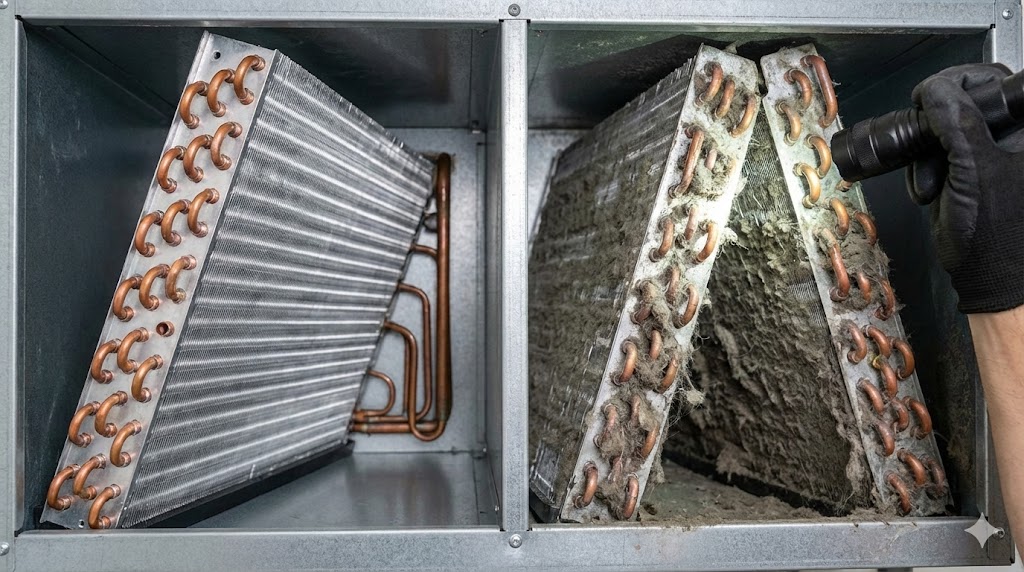
Many homeowners don't give a second thought to their air coils, but these components are essential for keeping your home comfortable. This article will cover what air coils are, how they work, common issues, and what you need to know about maintenance and replacement. This information is for homeowners and small business owners who want to better understand their HVAC systems.
- Air coils are essential components in HVAC systems responsible for heating or cooling air.
- Evaporator coils cool the air, while condenser coils release heat outside.
- Regular maintenance, including cleaning, can significantly extend the lifespan of your air coils.
- Signs of a failing air coil include reduced cooling, ice buildup, and unusual odors.
- Replacement costs can vary, so understanding the factors involved is crucial for budgeting.
What is an Air Coil and What Does It Do?
An air coil is a critical component in your Home hvac system HVAC system. Its main job is to either heat or cool the air that circulates through your home or business. Air coils are heat exchangers, meaning they transfer heat between two substances, typically refrigerant and air.
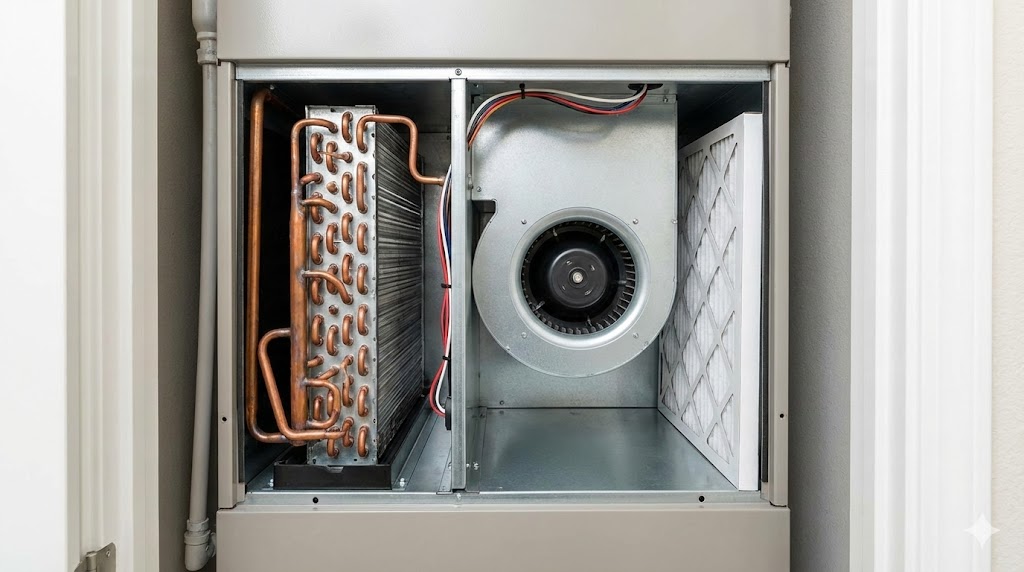
The air coil assembly consists of a series of interconnected tubes or fins. Refrigerant flows through these tubes. As air passes over the coil's surface, heat is either absorbed by the refrigerant (cooling the air) or released by the refrigerant (heating the air). This process is what allows your HVAC system to effectively control the temperature of your indoor environment.
Evaporator Coils vs. Condenser Coils: Key Differences
While both evaporator and condenser coils are air coils, they perform different functions within your air conditioning or heat pump system. Understanding their roles is crucial for grasping how your HVAC system operates.
Evaporator Coils
The evaporator coil is located inside your home, usually within your air handler or furnace. Its primary function is to cool the air. Here's how it works:
- Refrigerant enters the evaporator coil in a liquid state.
- As warm air from your home blows across the coil, the refrigerant absorbs the heat.
- The refrigerant evaporates into a gas, hence the name "evaporator" coil.
- The cooled air is then circulated back into your home through the ductwork.
Condenser Coils
The condenser coil is located outside your home, typically within the outdoor unit of your AC or heat pump. Its job is to release the heat absorbed by the refrigerant inside your home.
- The hot refrigerant gas from the evaporator coil flows to the condenser coil.
- As air blows across the condenser coil, the refrigerant releases its heat.
- The refrigerant condenses back into a liquid state.
- The liquid refrigerant then flows back to the evaporator coil to repeat the cooling cycle.
In short, the evaporator coil cools the air inside, while the condenser coil releases the heat outside. Together, they create the cooling effect that keeps you comfortable.
Why Air Coils Are Crucial for Home Comfort and Efficiency
Air coils are more than just parts; they're essential for maintaining a comfortable and efficient Home hvac system HVAC system. Here’s why:
- Temperature Control: Without properly functioning air coils, your system won't effectively heat or cool your home.
- Energy Efficiency: Dirty or damaged coils force your system to work harder, consuming more energy and increasing your utility bills.
- Air Quality: Clean air coils help maintain good indoor air quality by preventing the buildup of mold and bacteria.
- System Longevity: Neglecting your air coils can lead to premature system failure, resulting in costly replacements.
I see a lot of homeowners who don't realize how much dirty air coils can impact their energy bills. Regular maintenance is a simple way to keep your system running efficiently.
Types of Air Coils and Their Applications
Air coils come in various designs and materials, each suited for specific applications. Here's a brief overview of the common types:
Bare Tube Coils
These are the simplest type, consisting of bare tubes without any fins. They are typically used in applications where there is a high risk of corrosion or fouling.
Finned Tube Coils
These coils have fins attached to the tubes, increasing the surface area for heat transfer. They are the most common type and are used in a wide range of HVAC applications.
Microchannel Coils
These coils have a flat, compact design with small channels for refrigerant flow. They are known for their high efficiency and are often used in newer, high-performance systems.
Materials
Air coils are typically made from copper or aluminum. Copper offers excellent heat transfer properties and corrosion resistance, while aluminum is lighter and less expensive. Some coils may also have special coatings to enhance corrosion resistance.
Signs of a Failing Air Coil: When to Call a Technician
Recognizing the signs of a failing air coil can help you prevent costly repairs and maintain a comfortable home environment. Here are some common indicators:
- Reduced Cooling Performance: If your AC system is not cooling as well as it used to, a failing evaporator coil could be the culprit.
- Ice Buildup: Ice on the evaporator coil restricts airflow and reduces cooling capacity.
- Unusual Noises: Hissing or bubbling sounds could indicate a refrigerant leak in the coil.
- Musty Odors: Mold or mildew growth on the coil can cause unpleasant odors.
- Water Leaks: Leaks around your indoor unit can be a sign of a frozen or damaged coil.
If you notice any of these signs, it's best to call a qualified HVAC technician for an inspection. Continuing to run your system with a failing coil can cause further damage and lead to more expensive repairs.
Air Coil Cleaning and Maintenance: Tips for Homeowners
Regular cleaning and maintenance are essential for keeping your air coils in good working condition. Here are some tips for homeowners:
- Change Air Filters Regularly: Clean air filters prevent dust and debris from accumulating on the coils. I usually tell people to check their filter every month.
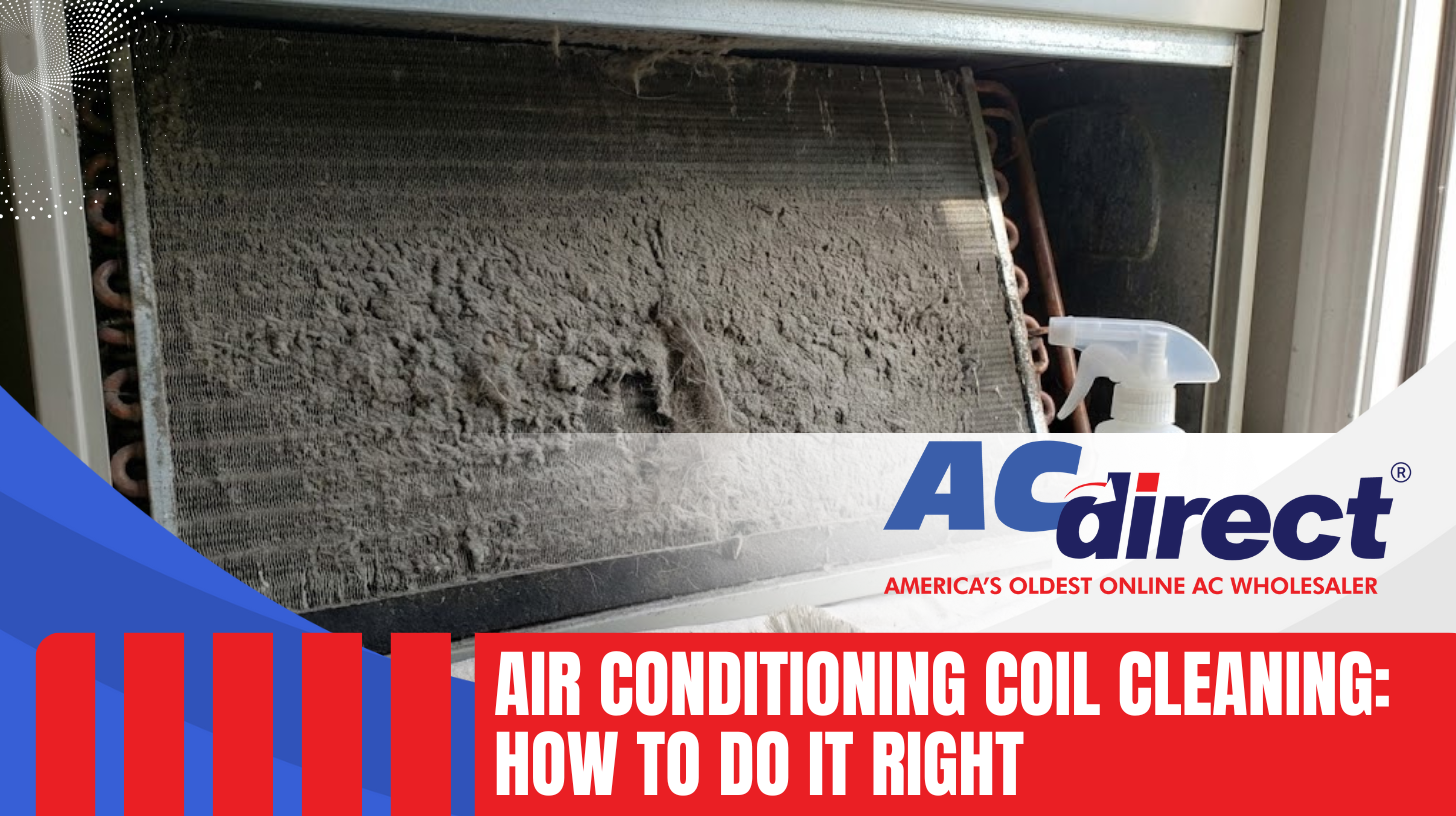
- Clean the Coils: Use a soft brush or vacuum with a brush attachment to remove dust and debris from the coil fins. You can also use a commercially available coil cleaner.
- Straighten Bent Fins: Use a fin comb to straighten any bent fins, which can restrict airflow.
- Professional Inspection: Schedule an annual inspection with a qualified HVAC technician to check the condition of your coils and perform any necessary maintenance.
Factors Affecting Air Coil Lifespan
The lifespan of your air coils can vary depending on several factors. Understanding these factors can help you take steps to extend the life of your coils and avoid premature replacements.
- Maintenance: Regular cleaning and maintenance are crucial for preventing corrosion and buildup that can shorten coil life.
- Air Quality: Poor indoor air quality, such as high levels of dust or pollutants, can accelerate coil deterioration.
- System Usage: Systems that run frequently or operate under heavy loads tend to have shorter coil lifespans.
- Refrigerant Leaks: Refrigerant leaks can cause the coil to overheat and fail prematurely.
- Environmental Factors: Exposure to corrosive elements, such as salt air or chemicals, can damage the coils.
Air Coil Replacement: What to Expect
When your air coil fails, replacement is often the best course of action. Here's what you can expect during the replacement process:
- Diagnosis: A qualified HVAC technician will inspect your system to confirm that the air coil is indeed the problem.
- System Evaluation: The technician will assess the overall condition of your system to determine if replacing just the coil is the best option or if a full system replacement is recommended.
- Coil Selection: The technician will select a replacement coil that is compatible with your system and meets your cooling or heating needs.
- Installation: The technician will carefully remove the old coil and install the new one, ensuring proper connections and refrigerant levels.
- Testing: After installation, the technician will test the system to ensure that it is operating properly and efficiently.
Air Coil Replacement Cost: A Detailed Breakdown
The cost of air coil replacement can vary depending on several factors, including the type of coil, the accessibility of your unit, and labor costs in your area. Here's a breakdown of the potential costs involved:
- Coil Cost: The cost of the replacement coil itself can range from $300 to $1200, depending on the type and size.
- Labor Costs: Labor costs can vary depending on the complexity of the job and the hourly rate of the technician. Expect to pay between $500 and $1500 for labor.
- Refrigerant: If the system needs to be recharged with refrigerant, this can add to the cost.
- Additional Repairs: In some cases, additional repairs may be needed, such as ductwork modifications or electrical work.
I always recommend getting multiple quotes from different HVAC contractors to ensure you're getting a fair price. Be sure to ask for a detailed breakdown of all costs involved.
Choosing the Right Air Coil for Your HVAC System
Selecting the right air coil for your HVAC system is crucial for optimal performance and efficiency. Here are some factors to consider:
- System Compatibility: The replacement coil must be compatible with your existing system, including the refrigerant type and cooling/heating capacity.
- Coil Type: Choose the appropriate coil type for your application, such as a finned tube coil for general use or a microchannel coil for high efficiency.
- Material: Consider the material of the coil, such as copper or aluminum, based on your budget and environmental conditions.
- Quality: Invest in a high-quality coil from a reputable manufacturer to ensure long-lasting performance.
It's always best to consult with a qualified HVAC technician to determine the best air coil for your specific needs.
Tips for Extending the Life of Your Air Coils
Extending the life of your air coils not only saves you money on replacements but also ensures that your HVAC system operates efficiently. Here are some tips to help you get the most out of your coils:
- Regular Cleaning: Clean your air coils regularly to remove dust, dirt, and debris.
- Air Filter Replacement: Replace your air filters regularly to prevent dirt from accumulating on the coils.
- Proper Ventilation: Ensure that your HVAC system has proper ventilation to prevent overheating.
- Refrigerant Leak Detection: Promptly address any refrigerant leaks to prevent coil damage.
- Professional Maintenance: Schedule regular maintenance with a qualified HVAC technician.
Taking these simple steps can significantly extend the lifespan of your air coils and keep your HVAC system running smoothly.
Frequently Asked Questions
What is the purpose of an air coil in my air conditioner?
The air coil, specifically the evaporator coil, absorbs heat from the air inside your home, cooling it down before it's circulated back through your vents. It's a critical component for efficient cooling.
How often should I have my air coils cleaned?
Ideally, have your air coils professionally cleaned at least once a year, preferably before the start of the cooling season. Regular cleaning improves efficiency and prevents costly repairs.
What are some signs that my air coil might be failing?
Common signs include reduced cooling performance, ice buildup on the coil, a musty odor coming from your vents, and water leaks around your indoor unit. Contact a qualified HVAC technician for inspection.
Is it possible to replace just the air coil, or do I need to replace the entire AC unit?
In many cases, only the air coil needs to be replaced. However, your technician will assess the overall condition of your system to determine the most cost-effective and reliable solution. Replacing the entire unit might be recommended if it's old or has other issues.
How much does it typically cost to replace an air coil?
The cost of air coil replacement can vary depending on the type of coil, the accessibility of your unit, and labor costs in your area. Expect to pay somewhere between $800 and $2500 for the entire job.
Final Thoughts
Air coils are vital to your HVAC system's ability to heat or cool your home effectively. Understanding their function, maintenance needs, and potential issues can save you money and ensure your comfort. Don't ignore signs of trouble; addressing them early can prevent more significant problems down the road. La plata electric association can provide information about energy efficiency and HVAC maintenance tips that may be useful to you.
I've seen firsthand how neglecting air coils can lead to expensive repairs or replacements. Regular maintenance, such as cleaning and filter changes, is a small investment that can pay off big time in the long run. And when it comes to replacement, getting professional advice is always the best approach. If you're thinking about getting a New ac, remember to consider the air coil quality.
By staying informed and proactive, you can make smart HVAC purchase decisions and enjoy a comfortable, energy-efficient home for years to come. Don't forget to think about What size ac unit do i need to make sure you have the proper size unit for your home.