 and now, NASCAR Racing Sponsor


Electric Cooling Systems: A Practical Overview for Homeowners
-
 By
Michael Haines
By
Michael Haines
- Feb 16, 2024
Hello, I'm Mike Haines, founder of AC Direct. If you're exploring options to keep your home cool and comfortable, you've come to the right place. This information is designed for homeowners and small business owners who want to understand electric cooling systems, their types, how to choose the right one, and what to consider for installation and maintenance.
Key Highlights
- Electric cooling systems offer various options, including central AC, ductless mini-splits, and heat pumps, each with its own benefits.
- Understanding SEER ratings is crucial for choosing an energy-efficient system that can save you money on your electric bill.
- Proper installation and regular maintenance are essential for the longevity and performance of your electric cooling system.
- Factors like home size, insulation, and climate play a significant role in determining the best type and size of cooling system for your needs.
- When considering an upgrade, evaluating the age and efficiency of your current system is key to making an informed decision.
What are Electric Cooling Systems?
Electric cooling systems use electricity to power a refrigeration cycle that removes heat from your home, providing a cooler and more comfortable indoor environment. Unlike older methods that might rely on ice or passive ventilation, these systems offer precise temperature control and consistent cooling.
Why Choose Electric Cooling Over Other Options?
Electric cooling systems offer several advantages. They provide consistent and reliable cooling, which is especially important during peak summer months. They also allow for precise temperature control, and many modern systems incorporate features like programmable thermostats and zoning for enhanced comfort and energy savings. While other options like gas-powered cooling exist, electric systems are often more readily available and easier to install in many homes. You may also find that electric options are more efficient depending on your local utility rates.
Types of Electric Cooling Systems for Homes
Several types of electric cooling systems are available for residential use. Each has unique characteristics that make it suitable for different homes and cooling needs. Let's take a look at some of the most common:
- Central Air Conditioners: Cool the entire home through a network of ducts.
- Ductless Mini-Split Systems: Provide targeted cooling to individual rooms or zones.
- Heat Pumps: Offer both cooling and heating capabilities.
- Evaporative Coolers (Swamp Coolers): Use evaporation to cool the air, ideal for dry climates.
Central Air Conditioners: A Deep Dive
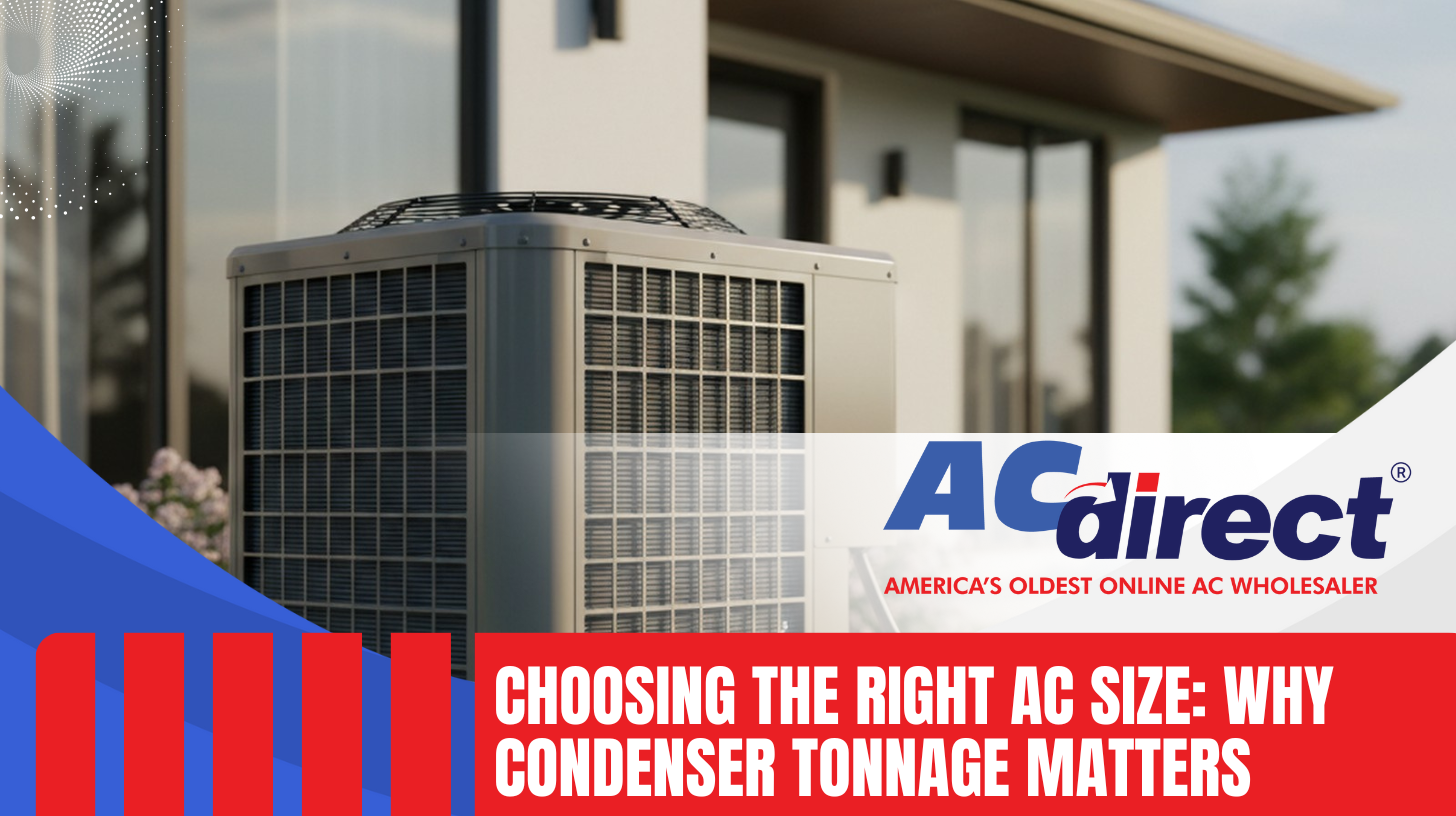
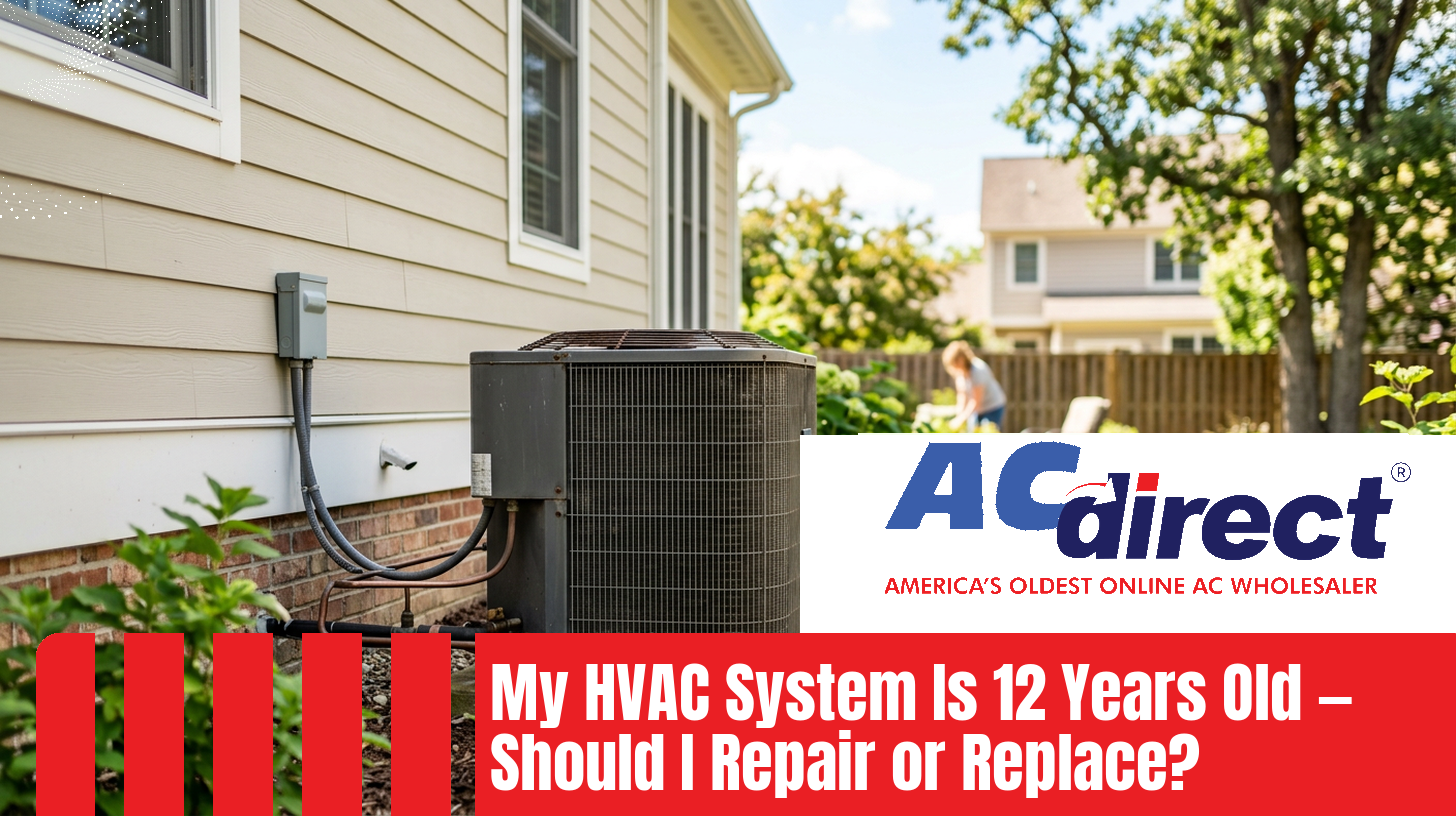
Central air conditioners are perhaps the most common type of electric cooling system in the United States. They work by circulating refrigerant through a closed loop, absorbing heat from inside your home and releasing it outside. The cooled air is then distributed through a network of ducts to vents in each room.
Pros:
- Effective whole-house cooling
- Relatively quiet operation
- Can be combined with existing furnace ductwork
Cons:
- Requires ductwork, which may not be present in all homes
- Can be less energy-efficient than other options if ductwork is leaky
- May not be ideal for cooling individual rooms
If you have existing ductwork and want to cool your entire home, a central air conditioner is worth considering. You can find options like a Central air conditioner for mobile home that are specifically designed for homes without standard duct systems.
Ductless Mini-Split Systems: Targeted Cooling
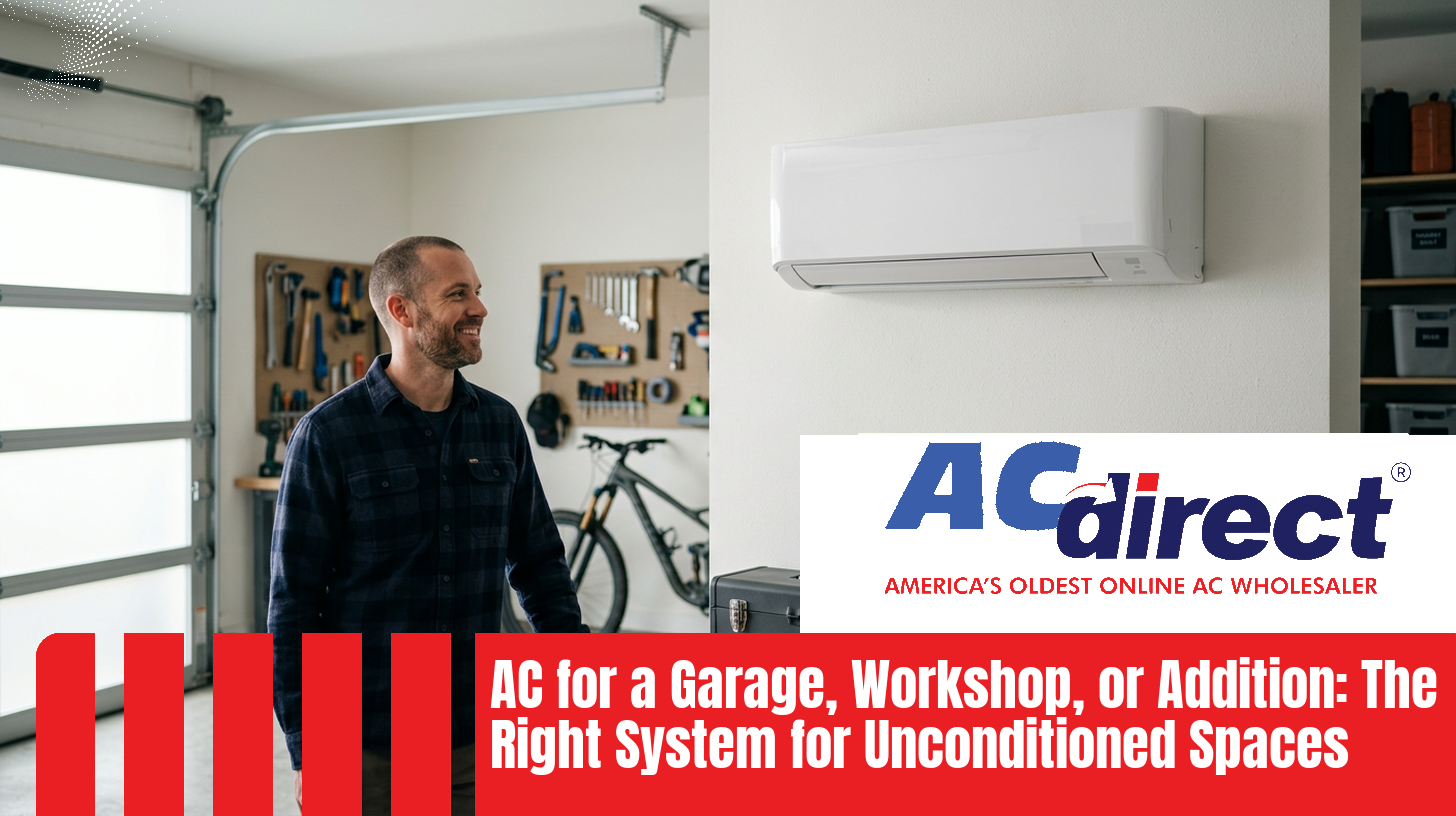
Ductless mini-split systems offer a flexible and efficient way to cool individual rooms or zones in your home. They consist of an outdoor unit and one or more indoor units, which are connected by refrigerant lines and electrical wiring. No ductwork is required, making them a good option for homes without existing duct systems or for additions and renovations.
Pros:
- Excellent energy efficiency
- Individual room temperature control
- Easy installation in homes without ductwork
Cons:
- Higher upfront cost compared to window units
- Indoor units are visible on the wall
- May require professional installation
For those looking for customizable cooling solutions, especially for multiple zones, something like an 8 zone mini split might be a great fit.
Heat Pumps: Cooling and Heating in One
Heat pumps are unique because they can provide both cooling and heating. In the summer, they work like an air conditioner, removing heat from your home and transferring it outside. In the winter, they reverse the process, extracting heat from the outside air (even in cold temperatures) and bringing it inside. Heat pumps are an energy-efficient option, especially in moderate climates.
Pros:
- Year-round heating and cooling
- High energy efficiency
- Environmentally friendly
Cons:
- May not be as effective in extremely cold climates
- Higher upfront cost than some other options
- Requires professional installation
If you live in an area with mild winters and hot summers, a heat pump could be a great choice for year-round comfort. I often point customers towards a 3 ton ac and heat unit if they are looking for a packaged unit that does both heating and cooling.
Evaporative Coolers (Swamp Coolers): A Regional Choice
Evaporative coolers, also known as swamp coolers, use the principle of evaporation to cool the air. They work by passing air over water-soaked pads, which causes the water to evaporate and cool the air. Evaporative coolers are most effective in hot, dry climates where the humidity is low.
Pros:
- Lower energy consumption than air conditioners
- Environmentally friendly
- Can add moisture to the air
Cons:
- Ineffective in humid climates
- Requires a constant water supply
- Can increase indoor humidity levels
If you live in a dry, arid region, an evaporative cooler might be a cost-effective cooling solution. However, they are not suitable for humid environments.
Understanding SEER Ratings and Energy Efficiency
SEER, or Seasonal Energy Efficiency Ratio, is a measure of an air conditioner's cooling efficiency. The higher the SEER rating, the more efficient the unit is. The U.S. Department of Energy sets minimum SEER standards for air conditioners, and it's worth checking the Refrigeration Service Engineers Society for more information about these standards.
When choosing an electric cooling system, pay close attention to the SEER rating. A higher SEER rating means you'll use less electricity to cool your home, which can save you money on your energy bills over time. Look for Energy Star certified models, which meet or exceed minimum SEER requirements.
Electric Cooling System Costs: Factors and Budgeting
The cost of an electric cooling system can vary widely depending on the type of system, its size, and its features. Central air conditioners and heat pumps typically have higher upfront costs than window units or evaporative coolers. Ductless mini-split systems can also be more expensive due to the individual room units.
In addition to the initial purchase price, you'll also need to factor in installation costs. Central air conditioners and heat pumps usually require professional installation, which can add to the overall cost. Ductless mini-split systems may also require professional installation, especially if you're installing multiple indoor units.
Don't forget to budget for ongoing operating costs, such as electricity consumption and maintenance. A more efficient system with a higher SEER rating will typically have lower operating costs.
Installation Considerations for Electric Cooling
Proper installation is crucial for the performance and longevity of your electric cooling system. Central air conditioners and heat pumps should always be installed by a qualified HVAC contractor. They have the knowledge and experience to ensure that the system is properly sized, installed, and configured.
Ductless mini-split systems can be installed by homeowners with some DIY experience, but professional installation is often recommended to ensure proper refrigerant charging and electrical connections.
When hiring an HVAC contractor, be sure to check their credentials, read reviews, and get multiple quotes. A reputable contractor will be licensed, insured, and have a proven track record of quality work.
Maintenance Tips for Long-Lasting Performance
Regular maintenance is essential for keeping your electric cooling system running efficiently and preventing costly repairs. Some basic maintenance tasks you can do yourself include:
- Changing the air filter regularly (typically every 1-3 months)
- Cleaning the outdoor unit of debris
- Ensuring that vents are not blocked by furniture
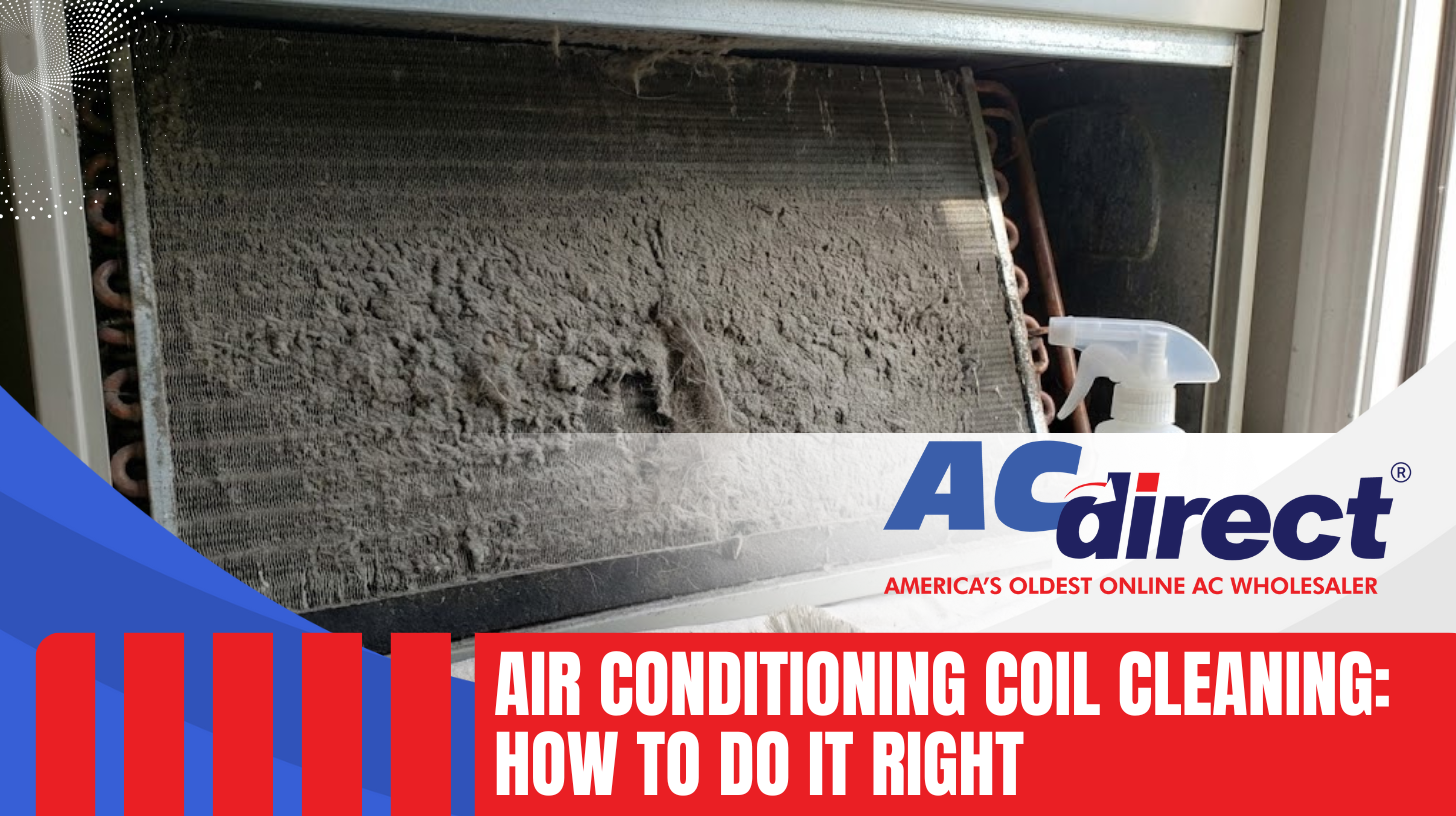
You should also schedule annual maintenance with a qualified HVAC technician. They can inspect the system, clean the coils, check the refrigerant levels, and identify any potential problems before they become major issues.
Choosing the Right Electric Cooling System for Your Home
Selecting the right electric cooling system depends on several factors, including:
- Your home's size and layout
- Your climate and local weather conditions
- Your budget
- Your energy efficiency goals
Consider your specific needs and priorities when making your decision. Do you need to cool your entire home, or just certain rooms? Are you looking for the most energy-efficient option, or are you more concerned about upfront cost? Answering these questions will help you narrow down your choices and find the best system for your home.
When to Consider Replacing Your Existing Cooling System
If your existing cooling system is old, inefficient, or frequently needs repairs, it might be time to consider a replacement. As systems age, their efficiency declines, and they may not be able to keep your home as comfortable as they once did.
A new, energy-efficient cooling system can save you money on your energy bills and provide more reliable cooling. When evaluating your options, consider the long-term cost savings of a more efficient system.
Finding a Qualified HVAC Contractor for Installation and Service
Choosing the right HVAC contractor is just as important as choosing the right cooling system. A qualified contractor will have the knowledge, experience, and credentials to properly install and service your system. Look for a contractor that is licensed, insured, and has a good reputation in your community. Ask for references and check online reviews to get a sense of their quality of work.
Financing Options for Electric Cooling System Upgrades
Upgrading your electric cooling system can be a significant investment. Fortunately, several financing options are available to help you manage the cost. Many HVAC contractors offer financing plans, and you may also be able to get a loan from your bank or credit union. Some utility companies offer rebates or incentives for installing energy-efficient cooling systems.
Frequently Asked Questions
What is the most energy-efficient type of electric cooling system?
Heat pumps are generally the most energy-efficient because they move heat instead of generating it. However, SEER ratings differ among all systems, so you should always compare those ratings carefully.
How can I lower my electric bill when using an electric cooling system?
To lower your electric bill, I recommend using a programmable thermostat and making sure your home is well insulated and sealed against air leaks. Regular maintenance can also help. A smart thermostat can automate many of these efficiency measures.
What size electric cooling system do I need for my home?
The correct size depends on factors like your home's square footage, insulation quality, climate, and the efficiency of your windows. It's best to have an HVAC professional perform a load calculation to determine the right size for your specific needs.
How often should I change the air filter in my electric cooling system?
You should typically change your air filter every 1-3 months. Check it monthly and replace it more often if you have pets or allergies.
What is the typical lifespan of an electric cooling system?
With proper maintenance, most electric cooling systems last 15-20 years. However, their performance and efficiency might start to decline after 10-12 years, so replacing it might be a good idea at that point.
Final Thoughts
Electric cooling systems are a significant investment for any home, and choosing the right one requires careful consideration. By understanding the different types of systems available, their energy efficiency, and the factors that affect their performance, you can make an informed decision that will keep your home comfortable for years to come.
I encourage you to weigh your options, get multiple quotes from qualified HVAC contractors, and take advantage of any available financing or rebates. With the right system and proper installation, you can enjoy a cool and comfortable home while saving money on your energy bills.
Remember, proper maintenance is key to extending the lifespan of your cooling system. Don't neglect regular filter changes and annual checkups to ensure your system runs efficiently and reliably.