

Electric Split System: Is It Right for Your Home?
-
 By
Michael Haines
By
Michael Haines
- Feb 17, 2024

Hi, I'm Mike Haines, founder of AC Direct. Many homeowners reach out to us wanting to understand their options for heating and cooling their homes. One option that comes up frequently is the electric split system. In this post, I'll break down everything you need to know about electric split systems to help you decide if it's the right choice for your home.
- Electric split systems offer efficient heating and cooling without ductwork, making them suitable for various homes.
- Understanding SEER and HSPF ratings is crucial for assessing an electric split system's energy efficiency and potential cost savings.
- Proper sizing and professional installation are essential for optimal performance and longevity of your electric split system.
- Regular maintenance can extend the lifespan of your system and prevent costly repairs.
- Consider factors like cost, energy efficiency, and zoning capabilities when choosing an electric split system.
What is an Electric Split System?
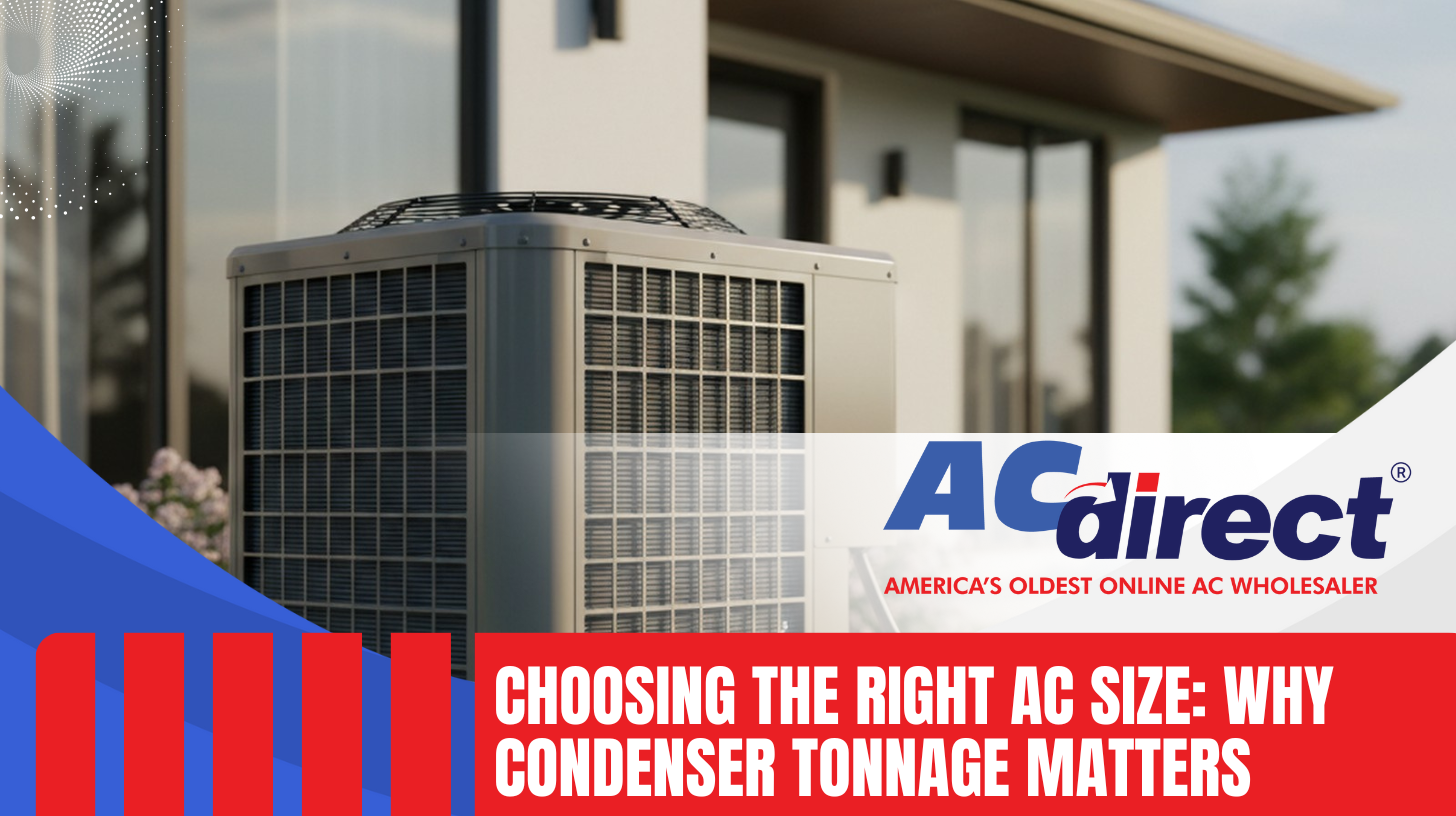
An electric split system, also known as a ductless mini-split system, is a heating and cooling solution that doesn't rely on a network of ducts to distribute air. Instead, it consists of two main components: an outdoor unit (containing the compressor and condenser) and one or more indoor units (air handlers). These units are connected by refrigerant lines and electrical wiring.
Electric split systems are often used in homes without existing ductwork, such as older houses or additions. They are also a good option for homeowners who want to heat or cool specific rooms or zones independently.
How Does an Electric Split System Work?
The outdoor unit of an electric split system pumps refrigerant to the indoor unit. In cooling mode, the indoor unit absorbs heat from the room, and the refrigerant carries that heat to the outdoor unit, where it is released. In heating mode, the process is reversed: the outdoor unit absorbs heat from the outside air (even in cold temperatures) and transfers it to the indoor unit, which then releases it into the room. This heat transfer process is very efficient, which is why electric split systems are known for their energy savings.
Benefits of Choosing an Electric Split System
There are numerous benefits to choosing an electric split system for your home. One of the biggest is the elimination of ductwork. This not only simplifies installation in homes without existing ducts but also avoids the energy losses associated with leaky ductwork. Duct losses can account for more than 30% of energy consumption, especially in older homes. Electric split systems also offer:
- Zoned Heating and Cooling: Allows you to control the temperature in individual rooms or zones, saving energy by only heating or cooling the areas you're using.
- Energy Efficiency: Many models have high SEER and HSPF ratings, leading to lower energy bills.
- Quiet Operation: Indoor units are typically very quiet, providing a comfortable environment.
- Easy Installation: Installation is generally less disruptive than installing a traditional ducted system.
- Improved Air Quality: Some systems have advanced filtration systems that can remove allergens and pollutants from the air.
Electric Split Systems vs. Other HVAC Options
When considering an electric split system, it's important to compare it to other HVAC options, such as central air conditioning, furnaces, and heat pumps. Central air conditioning systems require ductwork and cool the entire home evenly, but can be less efficient if you only need to cool certain areas. Furnaces provide heat, and can work in tandem with your existing AC, but do not provide cooling. A heat pump, can be either ducted or ductless, and offers both heating and cooling capabilities. Electric split systems are often the best choice when you need zoned heating and cooling, or when ductwork is not feasible or desirable. You might consider a Electric hvac unit if you are weighing all options.
Key Components of an Electric Split System
Understanding the key components of an electric split system can help you make an informed decision. The main parts include:
- Outdoor Unit: Contains the compressor, condenser coil, and fan. It's responsible for releasing heat in cooling mode and absorbing heat in heating mode.
- Indoor Unit (Air Handler): Circulates air within the room. It contains the evaporator coil, fan, and air filter.
- Refrigerant Lines: Copper tubes that carry refrigerant between the indoor and outdoor units.
- Electrical Wiring: Connects the indoor and outdoor units, providing power and control signals.
- Thermostat or Remote Control: Allows you to set the desired temperature and control the system's operation.
Sizing Your Electric Split System: A Crucial Step
Proper sizing is essential for optimal performance and efficiency. An undersized system will struggle to heat or cool the space adequately, while an oversized system will cycle on and off frequently, leading to wasted energy and reduced comfort. The size of an electric split system is measured in BTUs (British Thermal Units). To determine the right size for your space, it's best to consult with an HVAC professional who can perform a load calculation. Factors that affect sizing include the square footage of the space, insulation levels, window size and orientation, and climate. You may want to investigate How many ton ac unit do i need for more information.
SEER and HSPF Ratings: Understanding Efficiency
SEER (Seasonal Energy Efficiency Ratio) and HSPF (Heating Seasonal Performance Factor) are ratings that indicate the energy efficiency of an electric split system. SEER measures cooling efficiency, while HSPF measures heating efficiency. The higher the SEER and HSPF ratings, the more efficient the system and the lower your energy bills will be. Look for models with high SEER and HSPF ratings to maximize energy savings. Energy Star certified units meet certain minimum efficiency standards and can qualify for rebates or tax credits.
Installation Considerations for Electric Split Systems
Proper installation is critical for the performance and longevity of your electric split system. It's highly recommended to hire a qualified HVAC contractor for the installation. The installation process involves mounting the indoor and outdoor units, connecting the refrigerant lines and electrical wiring, and testing the system to ensure it's working properly. Make sure the contractor is licensed and insured, and that they have experience installing electric split systems.
Maintenance Tips for Long-Term Performance
Regular maintenance can extend the lifespan of your electric split system and prevent costly repairs. Some important maintenance tasks include:
- Cleaning or Replacing Air Filters: Dirty air filters restrict airflow and reduce efficiency. Clean or replace them every one to three months, or as recommended by the manufacturer.
- Cleaning the Outdoor Unit: Remove any debris, such as leaves, twigs, and dirt, from the outdoor unit.
- Checking Refrigerant Levels: Low refrigerant levels can indicate a leak. Have a professional check and recharge the system as needed.
- Inspecting Electrical Connections: Ensure that all electrical connections are tight and secure.
- Scheduling Annual Maintenance: Have a qualified HVAC technician inspect and service the system annually.
Cost of Electric Split Systems: Factors to Consider
The cost of an electric split system can vary depending on several factors, including the size of the system, the brand, the SEER and HSPF ratings, and the complexity of the installation. In addition to the initial purchase price, you'll also need to factor in installation costs and ongoing operating costs (energy bills). While electric split systems can be more expensive upfront than some other HVAC options, the long-term energy savings can offset the initial cost.
Choosing the Right Electric Split System for Your Home
Selecting the right electric split system for your home involves considering several factors. Think about the size of the area you need to heat or cool, your budget, your energy efficiency goals, and any specific features you desire, such as smart controls or advanced filtration. Compare different models and brands, and read reviews from other homeowners. Don't hesitate to ask an HVAC professional for advice and recommendations.
Finding a Reliable HVAC Contractor for Installation
Choosing a reliable HVAC contractor is essential for a successful installation and long-term satisfaction. Look for a contractor who is licensed, insured, and experienced in installing electric split systems. Check their reputation online and ask for references. Get multiple quotes and compare them carefully. Make sure the contractor provides a written estimate that includes all costs, including labor, materials, and any necessary permits. You can also check with organizations like the Mechanical Contractors Association of America for qualified contractors in your area.
Financing Options for Your New Electric Split System
Purchasing a new electric split system can be a significant investment. Fortunately, there are several financing options available to help make it more affordable. Many HVAC contractors offer financing plans with low interest rates or monthly payments. You may also be able to get a home equity loan or line of credit to finance the purchase. Check with your local utility company for rebates or incentives for energy-efficient HVAC systems. Also, explore the possibility of federal tax credits for energy-efficient home improvements.
Electric Split System Troubleshooting and Common Issues
Even with proper installation and maintenance, electric split systems can sometimes experience problems. Common issues include:
- Reduced Airflow: Could be due to a dirty air filter, blocked vents, or a problem with the fan motor.
- Inconsistent Temperatures: May be caused by an undersized system, poor insulation, or a malfunctioning thermostat.
- Unusual Noises: Could indicate a problem with the compressor, fan motor, or refrigerant lines.
- Water Leaks: May be caused by a clogged condensate drain line.
- System Not Turning On: Could be due to a tripped circuit breaker, a blown fuse, or a problem with the electrical wiring.
If you experience any of these issues, consult with a qualified HVAC technician for diagnosis and repair.
Future Trends in Electric Split System Technology
The technology behind electric split systems is constantly evolving. Some of the future trends include:
- Smart Controls: More systems are incorporating smart thermostats and remote controls that allow you to control the system from your smartphone or other device.
- Improved Energy Efficiency: Manufacturers are continuously developing more energy-efficient models with higher SEER and HSPF ratings.
- Variable Speed Compressors: These compressors adjust their speed based on the heating or cooling demand, resulting in more consistent temperatures and greater energy savings.
- Advanced Filtration Systems: Some systems are incorporating advanced filtration systems that can remove even the smallest particles from the air, improving indoor air quality.
- Eco-Friendly Refrigerants: Newer refrigerants are being developed that have a lower global warming potential.
These advancements will make electric split systems even more efficient, convenient, and environmentally friendly in the future.
Frequently Asked Questions
What is the typical lifespan of an electric split system?
With proper upkeep, you can expect an electric split system to function well for around 15 to 20 years.
How do I know what size electric split system I need for my home?
The best way to determine the correct BTU output is to have a professional HVAC technician perform a load calculation based on factors specific to your home.
Are electric split systems energy-efficient?
Yes, especially if you choose models that have earned high SEER and HSPF ratings. Look for Energy Star certified units if energy savings are a high priority for you.
Can I install an electric split system myself?
While it might seem like a DIY project, I always recommend hiring a qualified HVAC professional. Improper installation not only impacts performance but can also void the warranty.
How often should I have my electric split system serviced?
To keep everything running smoothly and catch small issues early, aim for annual maintenance.
What is the difference between a single-zone and a multi-zone electric split system?
A single-zone system is designed to serve one specific area, whereas a multi-zone system offers independent heating and cooling for multiple areas. This gives you greater control and can lead to energy savings by only conditioning occupied spaces.
What are the signs that my electric split system needs repair?
Keep an eye out for unusual noises, inconsistent temperatures, weak airflow, or a sudden increase in your energy bills. These are all signs that something might be wrong.
Final Thoughts
Choosing the right HVAC system is a big decision. Electric split systems offer a lot of advantages, particularly for homes without existing ductwork or for those looking for zoned heating and cooling. By understanding the key components, efficiency ratings, and installation considerations, you can make an informed choice that meets your specific needs and budget. Don't forget to get a Furnace calculator to help you understand the overall cost.
I always recommend working with a qualified HVAC contractor to ensure proper sizing, installation, and maintenance. A well-maintained electric split system can provide years of reliable and efficient comfort for your home. By doing your research and making informed decisions, you can create a comfortable and energy-efficient living environment.
At AC Direct, we're committed to providing you with the information and resources you need to make the best HVAC choices for your home. If you have any questions or need assistance, don't hesitate to reach out to our team of experts.