

Understanding Evaporator Coil Amperage: What Homeowners Need to Know
-
 By
Michael Haines
By
Michael Haines
- Feb 18, 2024

Hi, I'm Mike Haines, founder of AC Direct. Many homeowners don't think about the electrical side of their air conditioning system, but understanding things like evaporator coil amperage is important for efficiency and preventing breakdowns. This information is for you, the homeowner, so you can spot potential problems and make informed decisions about your HVAC system.
- Evaporator coil amperage indicates the electrical current draw of the coil's components, vital for system compatibility and safety.
- High or fluctuating amperage can signal problems like a failing motor, airflow restriction, or electrical issues, leading to damage and inefficiency.
- Regular maintenance, including cleaning the coil, helps maintain optimal amperage and system performance.
- Ignoring amperage problems can result in costly repairs, increased energy bills, system failure, and potential safety hazards.
- When in doubt, always consult a qualified HVAC professional to diagnose and address evaporator coil amperage issues.
What is an Evaporator Coil and Why Does Amperage Matter?
The evaporator coil is a key component of your air conditioning system. It's responsible for absorbing heat from the air inside your home. Refrigerant flows through the coil, and as air passes over it, the refrigerant evaporates, cooling the air. This cooled air is then circulated throughout your home.
Amperage matters because it tells you how much electrical current the evaporator coil is drawing. This is directly related to the operation of components like the blower motor, which circulates air across the coil. If the amperage is too high or too low, it can indicate a problem with the coil or its related components.
Understanding Amperage Ratings for Evaporator Coils
Every evaporator coil has a specified amperage rating. This rating, usually found on the unit's nameplate, indicates the amount of current the coil is designed to draw under normal operating conditions. The nameplate also includes the voltage requirements. It’s important to make sure your electrical system can handle the amperage requirements of your Air conditioning system for sale.
Think of it like this: the amperage rating is like the speed limit on a highway. The coil is designed to operate within that range, and exceeding or falling significantly below it can lead to problems. Different sized coils will have different ratings, related to Ac unit tonnage per square foot.
Why Accurate Amperage Readings Are Important for HVAC Performance
Accurate amperage readings are crucial for diagnosing and preventing HVAC problems. If the amperage is significantly higher than the rated value, it suggests that something is causing the motor or other components to work harder than they should. This can lead to overheating, premature wear and tear, and even system failure. Conversely, a lower than expected amperage can also point to issues such as a failing capacitor or a problem with the electrical supply.
Regularly monitoring amperage can help you identify potential problems early on, before they escalate into major repairs. It’s a bit like getting a regular checkup for your car; it can help you catch small problems before they become big ones.
How to Check Evaporator Coil Amperage (and When NOT To)
Checking evaporator coil amperage requires using a multimeter or clamp meter. Important safety note: Working with electricity can be dangerous. If you are not comfortable working with electrical equipment, do not attempt to check the amperage yourself. Always turn off the power to the unit at the breaker before attempting any electrical work.
If you are comfortable and qualified, you can use a clamp meter to measure the amperage draw of the blower motor wires while the unit is running. Compare the reading to the rated amperage on the unit's nameplate. If there’s a significant difference, it’s time to call a professional. If you are not sure what size unit you need, consider Sizing an ac.
Troubleshooting Common Evaporator Coil Amperage Issues
Several issues can cause abnormal evaporator coil amperage. Here are some common ones:
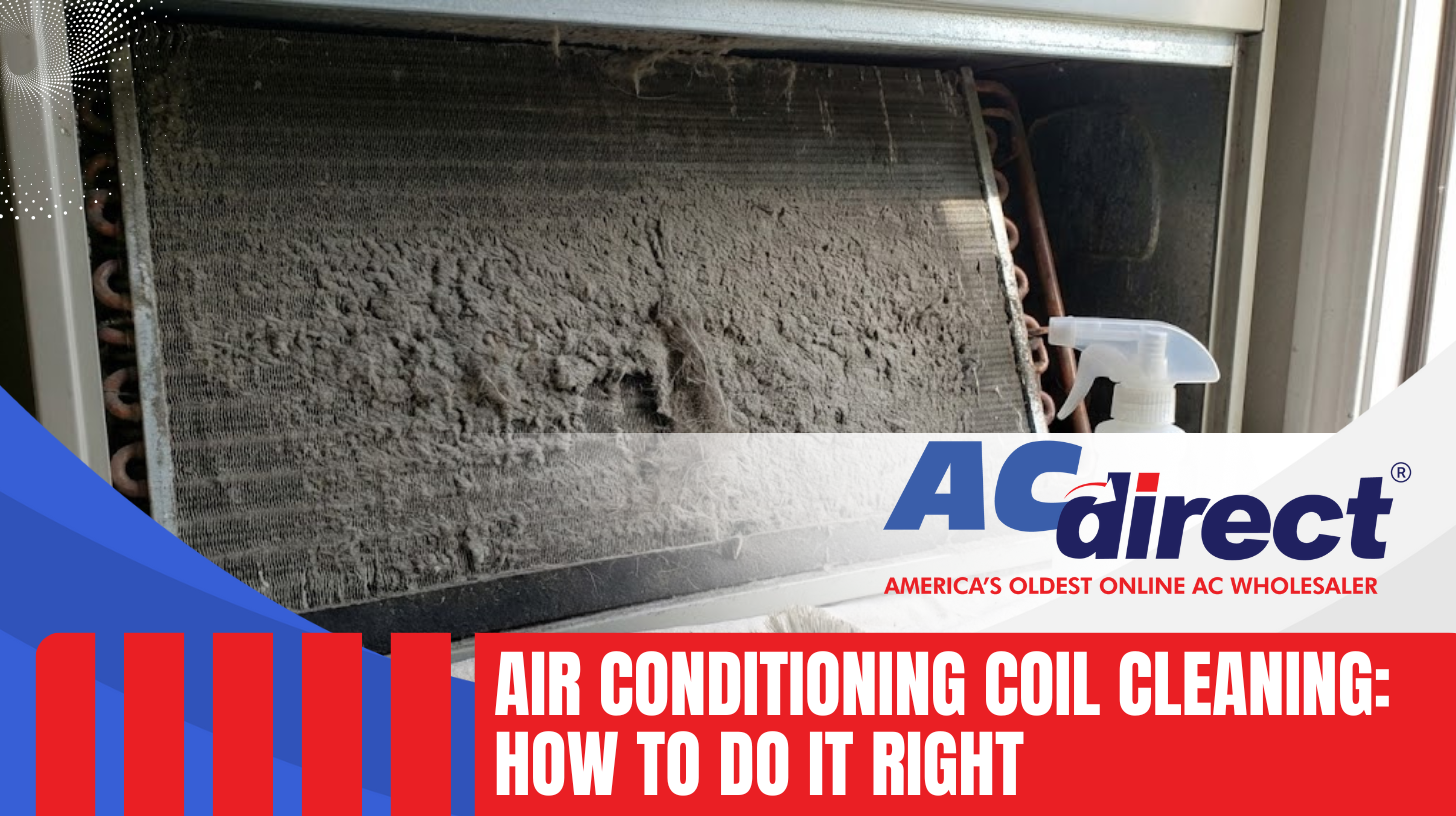
- Dirty Evaporator Coil: A dirty coil restricts airflow, causing the blower motor to work harder and draw more amperage.
- Failing Blower Motor: A motor that is nearing the end of its life may draw excessive amperage.
- Electrical Problems: Loose wiring, corroded connections, or a failing capacitor can all affect amperage.
- Refrigerant Leaks: Although it's not a direct cause, refrigerant issues can cause the system to work harder.
By identifying the root cause of the amperage issue, you can take steps to correct it and prevent further damage.
What Causes High or Low Evaporator Coil Amperage?
High Amperage can be caused by:
- A dirty evaporator coil restricting airflow.
- A failing blower motor with worn bearings.
- Short circuits or other electrical faults in the motor windings.
Low Amperage can be caused by:
- A failing capacitor that isn't providing enough starting power to the motor.
- Loose or corroded electrical connections.
- A broken wire in the motor circuit.
Addressing these issues promptly can prevent further damage and ensure efficient operation.
The Impact of Evaporator Coil Amperage on Energy Efficiency
Evaporator coil amperage directly impacts your energy efficiency. When the coil is operating at the correct amperage, it's working efficiently to cool your home. However, when the amperage is too high, the motor is working harder than it should, consuming more electricity. This translates to higher energy bills. Similarly, a low amperage can indicate that the system isn't cooling effectively, leading to discomfort and wasted energy.
Maintaining proper amperage ensures that your AC system is operating at its peak efficiency, saving you money on your energy bills and reducing your carbon footprint. There are also federal programs, such as LIHEAP Energy Assistance, to help with energy costs.
Evaporator Coil Maintenance Tips for Optimal Performance
Regular maintenance is key to keeping your evaporator coil operating at the correct amperage and maintaining optimal performance. Here are some tips:
- Clean the Evaporator Coil Regularly: Use a soft brush or vacuum to remove dust and debris from the coil.
- Change Air Filters Regularly: Clean air filters prevent dirt and dust from accumulating on the coil.
- Inspect Wiring and Connections: Check for loose or corroded wiring and connections.
- Schedule Professional Maintenance: Have your HVAC system inspected and serviced by a qualified technician at least once a year.
Following these tips will help you keep your evaporator coil in good condition and prevent amperage problems.
When to Call an HVAC Professional for Amperage Problems
While some maintenance tasks can be performed by homeowners, amperage problems often require the expertise of a qualified HVAC professional. Call a professional if you:
- Are not comfortable working with electrical equipment.
- Detect a significant difference between the measured amperage and the rated amperage.
- Notice any signs of electrical problems, such as burning smells or sparking.
- Are unsure of the cause of the amperage issue.
An HVAC professional has the tools and knowledge to accurately diagnose and repair amperage problems, ensuring the safety and efficiency of your system.
Evaporator Coil Replacement: Amperage Considerations
If your evaporator coil is damaged beyond repair, you may need to replace it. When selecting a new coil, it's important to consider the amperage rating. Make sure the new coil has the same amperage rating as the old one to ensure compatibility with your system. Mismatched amperage ratings can lead to performance problems and even damage to other components.
It’s usually best to replace the entire indoor unit when the coil fails. Newer units may also have higher energy efficiency.
Matching Evaporator Coil Amperage with Your AC System
Matching the evaporator coil amperage with the rest of your AC system is crucial for optimal performance and efficiency. The evaporator coil, condenser, and blower motor must all be properly matched to ensure that the system operates within its design parameters. An undersized or oversized coil can lead to reduced cooling capacity, increased energy consumption, and premature wear and tear on other components.
When replacing components, consult with an HVAC professional to ensure that all parts are compatible and properly matched.
The Cost of Ignoring Evaporator Coil Amperage Problems
Ignoring evaporator coil amperage problems can be costly in the long run. High amperage can lead to:
- Increased energy bills due to inefficient operation.
- Premature wear and tear on the blower motor and other components.
- System failure, requiring expensive repairs or replacement.
- Potential fire hazards due to overheating.
Addressing amperage problems promptly can save you money on energy bills, prevent costly repairs, and ensure the safety of your home.
Frequently Asked Questions
What does the amperage rating of an evaporator coil mean?
The amperage rating tells you how much electrical current the evaporator coil's parts, such as the blower motor, should draw when working correctly. It's important for making sure your system is safe and works well with other components.
How do I find the correct amperage rating for my evaporator coil?
You can usually find the amperage rating on the unit's nameplate. This is a sticker or metal plate attached to the evaporator coil or its housing, and it lists the voltage and amperage requirements.
What happens if my evaporator coil's amperage is too high?
High amperage can mean there is an issue like a bad motor, a dirty coil blocking airflow, or electrical problems. This can cause overheating, damage to parts, and higher energy bills. It's best to have a qualified HVAC technician check it out right away.
Is it normal for evaporator coil amperage to fluctuate?
Small changes in amperage are normal because of things like temperature and humidity. But if you see large or strange swings in amperage, it could mean there's a problem, and you should have a professional take a look.
Can a dirty evaporator coil affect its amperage draw?
Yes, a dirty coil blocks airflow, which makes the blower motor work harder and use more amperage. Cleaning the coil regularly can help it run better and more efficiently.
What are the risks of ignoring evaporator coil amperage problems?
If you ignore amperage issues, it can lead to expensive repairs, lower efficiency, higher energy bills, system failure, and even potential fire risks. Finding and fixing problems early is very important.
Final Thoughts
Understanding evaporator coil amperage is a key part of maintaining an efficient and reliable air conditioning system. By knowing what to look for and taking proactive steps to address potential problems, you can prevent costly repairs and ensure that your system operates at its best.
Remember, safety should always be your top priority when working with electrical equipment. If you're not comfortable performing maintenance tasks yourself, don't hesitate to call a qualified HVAC professional. They have the knowledge and expertise to accurately diagnose and repair any issues with your evaporator coil.
Ultimately, making informed decisions about your HVAC system will save you money and keep your home comfortable for years to come.