

Evaporator Coil for Central Air: Troubleshooting and Replacement
-
 By
Michael Haines
By
Michael Haines
- Feb 19, 2024

Hi, I'm Mike Haines, founder of AC Direct. I've spent years helping homeowners understand their HVAC systems, and one component that often gets overlooked is the evaporator coil. If your central air isn't performing like it used to, the evaporator coil could be the culprit. This information is designed to help you understand what an evaporator coil does, how to identify problems, and what your options are for repair or replacement.
- The evaporator coil is a critical component in your central air system responsible for cooling the air.
- Signs of a failing evaporator coil include reduced cooling, ice buildup, unusual noises, and musty odors.
- Matching the evaporator coil to your condenser is essential for optimal performance and efficiency.
- Regular maintenance, such as changing air filters, can help prevent evaporator coil problems.
- Replacement costs can vary, so it's important to get quotes from multiple HVAC contractors.
What is an Evaporator Coil and What Does It Do?
The evaporator coil is a key component of your central air conditioning system. It’s usually located inside your home, often within the air handler or attached to your furnace. Its primary function is to cool the air that circulates through your home. The evaporator coil contains refrigerant, which absorbs heat from the air blowing across it. As the refrigerant absorbs heat, it turns from a liquid into a gas. This process cools the air, which is then circulated back into your home through the ductwork. Without a properly functioning evaporator coil, your AC system won’t be able to effectively cool your home.
Why the Evaporator Coil Matters to Your Home's Cooling
The evaporator coil is vital to the overall efficiency and effectiveness of your air conditioning system. A faulty or inefficient evaporator coil can lead to several problems. First and foremost, it can significantly reduce your system's cooling capacity. This means your AC will have to work harder and longer to maintain a comfortable temperature, leading to higher energy bills. Over time, a struggling evaporator coil can also cause other components of your AC system to wear out prematurely. This is why regular maintenance and prompt repairs are essential for keeping your system running smoothly and efficiently.
Signs of a Failing Evaporator Coil: Is Replacement Needed?
Recognizing the signs of a failing evaporator coil is crucial for preventing further damage to your AC system and ensuring your home stays cool. Here are some common indicators that your evaporator coil might be having problems:
- Reduced Cooling Performance: This is often the first sign. If your AC is running longer than usual but not cooling your home effectively, the evaporator coil could be the culprit.
- Ice Buildup on the Coil: Ice formation can occur when the airflow is restricted, or the refrigerant level is low.
- Unusual Noises: Hissing or bubbling sounds can indicate a refrigerant leak in the coil.
- Musty Odor: A moldy or musty smell coming from your vents can signal a dirty or damaged evaporator coil.
- Water Leaks: Condensation from the coil that isn't draining properly can lead to leaks around your indoor unit.
If you notice any of these signs, it's important to have your system inspected by a qualified HVAC technician.
Types of Evaporator Coils: A Homeowner's Overview
Evaporator coils come in various designs and materials, each with its own advantages and disadvantages. Understanding the different types can help you make an informed decision when replacing your coil.
- A-Coils: These are the most common type and are shaped like an inverted "A." They offer a large surface area for heat exchange and are efficient for cooling.
- Slab Coils: These coils are flat and rectangular and are often used in older systems or in situations where space is limited.
- N-Coils: Similar to A-coils, but with a slightly different configuration that can improve airflow.
- Microchannel Coils: These coils use a series of small channels to increase the surface area for heat transfer. They are often more efficient and resistant to corrosion than traditional coils.
The material of the coil also matters. Copper coils are known for their excellent heat transfer properties, while aluminum coils are more affordable but may be more susceptible to corrosion. In some cases, you might consider a 2 ton package unit for your home. The best option for you will depend on your specific needs and budget.
How to Choose the Right Evaporator Coil for Your AC System
Selecting the right evaporator coil is essential for ensuring optimal performance and efficiency. Here are some key factors to consider:
- Size and Capacity: The size of the coil should match the cooling capacity of your AC system. An undersized coil won't be able to cool your home effectively, while an oversized coil can lead to humidity problems.
- Compatibility: Make sure the coil is compatible with your existing AC system, particularly the condenser unit. Mismatched components can reduce efficiency and shorten the lifespan of your equipment.
- Refrigerant Type: Ensure the coil is designed for the type of refrigerant used in your system. Using the wrong refrigerant can damage the coil and other components.
- Efficiency: Look for a coil with a high Seasonal Energy Efficiency Ratio (SEER) rating. A higher SEER rating indicates better energy efficiency and lower operating costs.
A professional HVAC technician can help you determine the right evaporator coil for your specific needs and system requirements. I also see a lot of homeowners considering upgrading their system during Heat pumps sale.
Evaporator Coil Replacement Cost: Factors and Budgeting
Replacing an evaporator coil can be a significant expense, so it's important to understand the factors that influence the cost. The price of a new evaporator coil can vary depending on the type, size, and brand. Labor costs for installation will also vary depending on the complexity of the job and your location. Here are some factors that can affect the overall cost:
- Type of Coil: Microchannel coils and coils made from specialty materials tend to be more expensive.
- System Compatibility: If modifications to your ductwork or refrigerant lines are needed, this can add to the cost.
- Location: Labor rates vary by region, so expect to pay more in areas with a higher cost of living.
- Warranty: A longer warranty can provide peace of mind but may also increase the initial cost.
I always advise homeowners to get quotes from several HVAC contractors to compare prices and services. Be sure to ask for a detailed breakdown of the costs involved, including parts, labor, and any additional fees.
Tips for Maintaining Your Evaporator Coil and Preventing Problems
Proper maintenance is key to extending the life of your evaporator coil and preventing costly repairs. Here are some simple tips you can follow:
- Change Air Filters Regularly: Dirty air filters restrict airflow, causing the evaporator coil to ice up. Change your filters every 1-3 months, depending on usage and air quality.
- Schedule Regular Inspections: Have your AC system inspected annually by a qualified HVAC technician. They can identify potential problems early and perform routine maintenance to keep your system running efficiently.
- Keep the Area Around the Unit Clean: Remove any debris or vegetation that could obstruct airflow around the outdoor condenser unit.
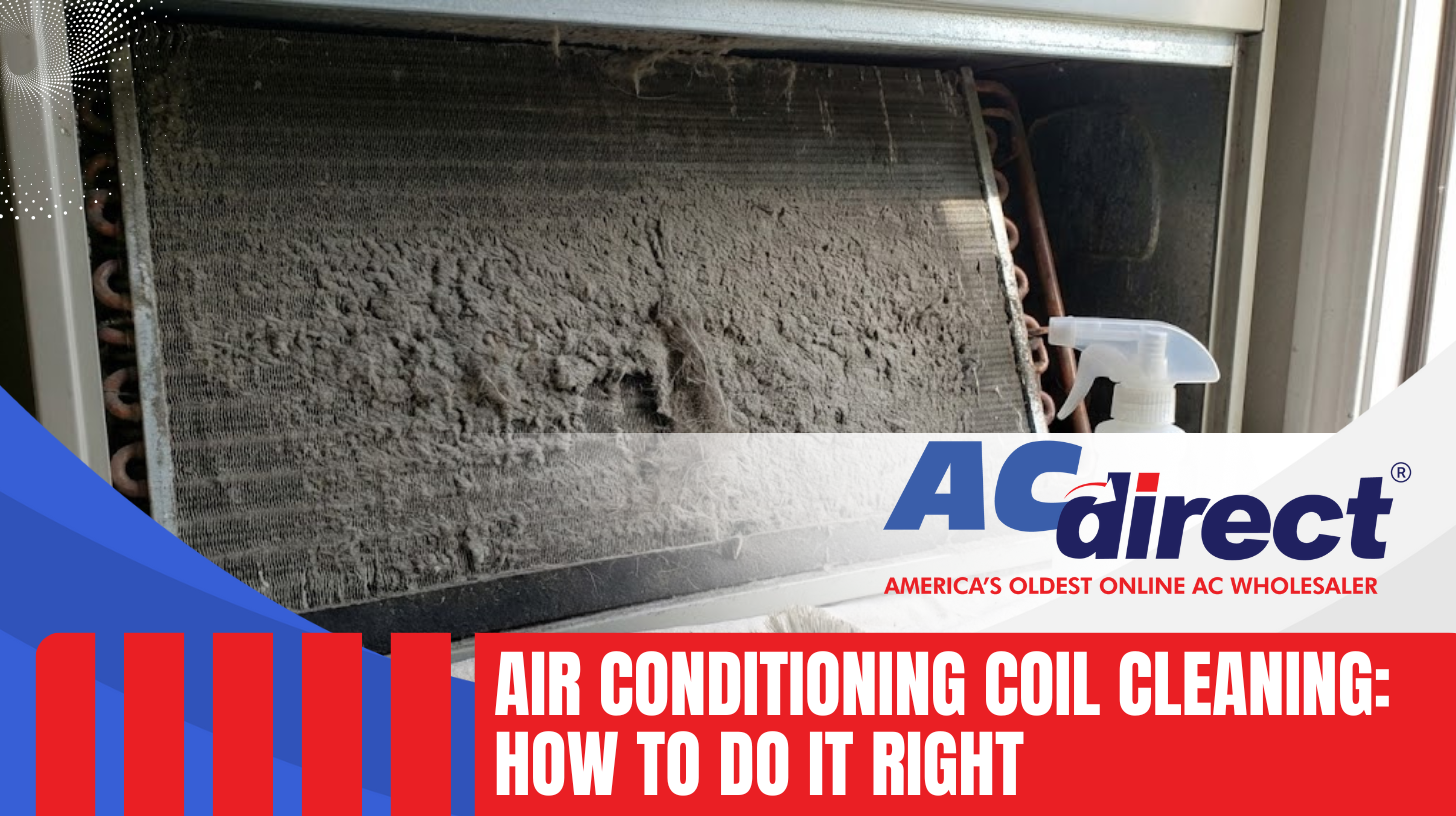
- Consider a Professional Cleaning: Over time, dust and debris can accumulate on the evaporator coil, reducing its efficiency. A professional cleaning can remove this buildup and improve performance.
Matching Your Evaporator Coil to Your Condenser: Why It’s Crucial
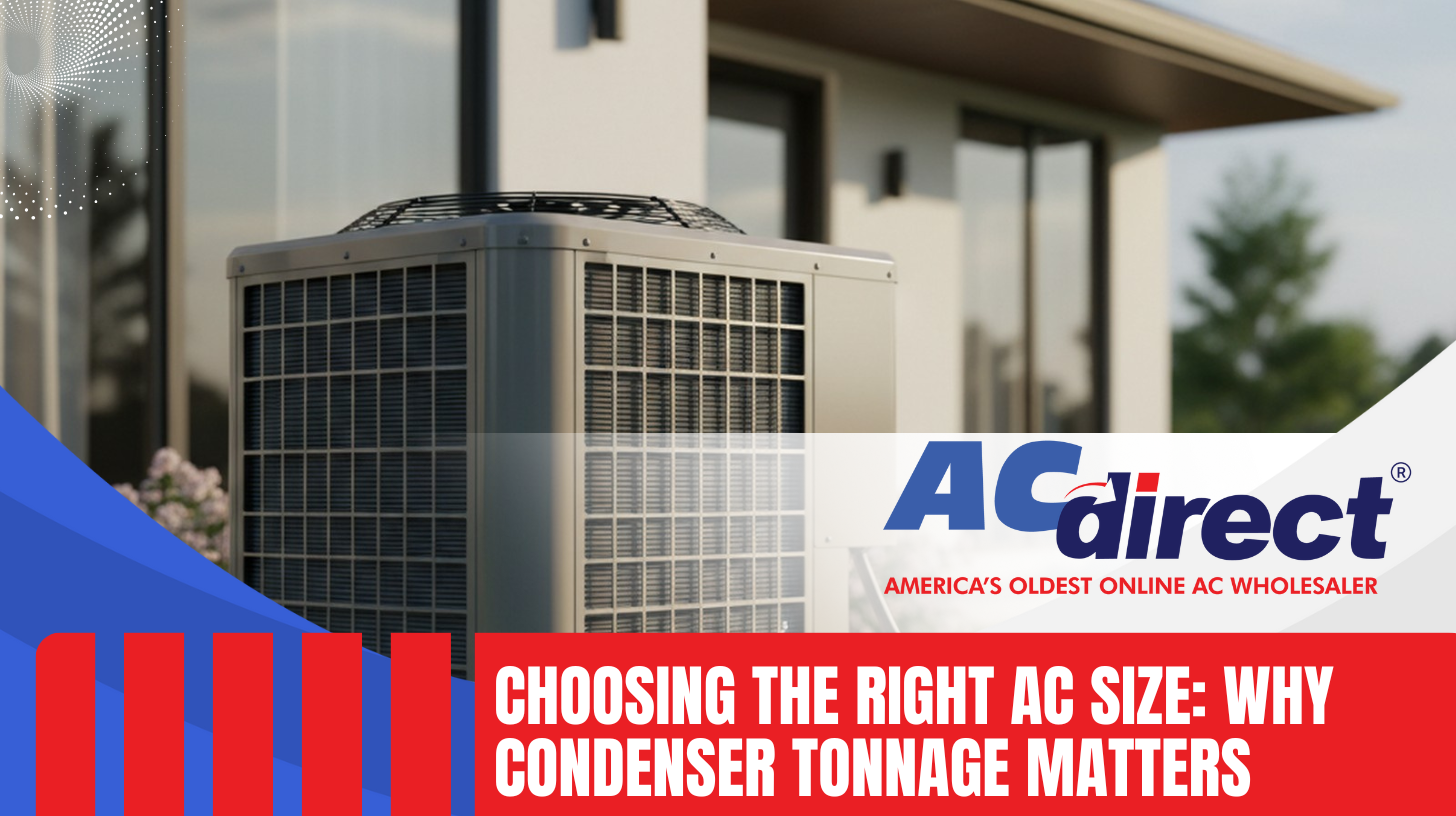
Matching your evaporator coil to your condenser is essential for optimal performance and energy efficiency. When these two components are properly matched, your AC system will operate at its designed capacity and achieve its rated SEER. A mismatch can lead to several problems:
- Reduced Cooling Capacity: An improperly sized evaporator coil may not be able to effectively absorb heat from the air, resulting in reduced cooling.
- Increased Energy Consumption: The system will have to work harder to maintain a comfortable temperature, leading to higher energy bills.
- Premature Component Failure: Mismatched components can put stress on the system, leading to premature wear and tear.
To ensure a proper match, consult with a qualified HVAC technician who can perform the necessary calculations and recommend the right components for your system. Understanding How many square feet per ton of ac can also help you make an informed decision.
When to Call a Professional: Evaporator Coil Diagnosis and Repair
While some AC issues can be resolved with simple troubleshooting, evaporator coil problems often require professional diagnosis and repair. Here are some situations where it's best to call a qualified HVAC technician:
- Refrigerant Leaks: Refrigerant leaks can be dangerous and require specialized equipment to repair.
- Ice Buildup: While changing the air filter can sometimes resolve ice buildup, persistent icing may indicate a more serious problem, such as a refrigerant leak or a faulty compressor.
- Coil Damage: If the evaporator coil is physically damaged, it may need to be repaired or replaced.
- Unusual Noises: Strange noises coming from your AC unit can indicate a variety of problems, including a failing evaporator coil.
A professional HVAC technician has the training, experience, and tools to accurately diagnose and repair evaporator coil problems. They can also ensure that the repair is done safely and effectively.
Improving Your System’s Efficiency Beyond the Evaporator Coil
While addressing evaporator coil issues is important, it's also a good idea to consider other ways to improve your system's overall efficiency. According to the US EIA Energy Info, upgrading to a more efficient AC system can significantly reduce your energy consumption and lower your utility bills. Here are some additional steps you can take:
- Seal Ductwork: Leaky ducts can waste a significant amount of energy. Sealing your ducts can improve efficiency and reduce cooling costs.
- Insulate Your Home: Proper insulation can help keep your home cool in the summer and warm in the winter, reducing the workload on your AC system.
- Upgrade to a Smart Thermostat: A smart thermostat can automatically adjust the temperature based on your schedule and preferences, saving energy and money.
Frequently Asked Questions
What is the primary function of an evaporator coil in my air conditioner?
The evaporator coil's main job is to absorb heat from the air inside your home. Refrigerant flows through the coil, changing from a liquid to a gas as it absorbs heat, thus cooling the air that's circulated back into your living space.
How do I know if my evaporator coil is failing?
Common signs include reduced cooling performance, ice buildup on the coil, unusual noises coming from your AC unit, and a musty odor in your home. A professional HVAC technician can diagnose the problem accurately.
Can I clean the evaporator coil myself?
While you can clean the area around the coil, cleaning the coil itself is best left to professionals. Improper cleaning can damage the coil and release harmful refrigerant. Regular filter changes help to keep the coil clean.
How often should an evaporator coil be replaced?
The lifespan of an evaporator coil varies, but typically lasts between 10-15 years. Regular maintenance and timely repairs can extend its life. If your AC system is old or inefficient, replacing the entire unit, including the evaporator coil, might be more cost-effective.
What is the average cost to replace an evaporator coil?
The cost of replacing an evaporator coil can range from $1000 to $3000, depending on the type of coil, the complexity of the installation, and your location. Get quotes from multiple HVAC contractors to ensure you're getting a fair price.
Why is it important to match my evaporator coil to my condenser?
Matching the evaporator coil to the condenser is crucial for optimal performance and efficiency. A mismatch can lead to reduced cooling capacity, increased energy consumption, and premature failure of components. A properly matched system ensures the SEER rating is met.
Final Thoughts
The evaporator coil is a critical component of your central air system, and understanding its function and potential problems can help you keep your home cool and comfortable. By recognizing the signs of a failing coil and taking proactive steps to maintain your system, you can avoid costly repairs and extend the life of your equipment.
Remember to consult with a qualified HVAC professional for accurate diagnosis and repairs. Getting multiple quotes and understanding the factors that influence the cost of replacement will help you make an informed decision.
Ultimately, investing in a properly functioning and efficient AC system, including the evaporator coil, will provide long-term savings and ensure your home remains a comfortable haven, no matter the weather outside.