

Evaporator Coil HVAC: Problems, Solutions, and Maintenance
-
 By
Michael Haines
By
Michael Haines
- Feb 20, 2024

Hi, I'm Mike Haines, founder of AC Direct. If your air conditioner isn't cooling like it used to, or you've noticed some odd smells, the problem might be your evaporator coil. This component is essential for keeping your home cool and comfortable. In this post, I'll walk you through everything you need to know about evaporator coils, from how they work to common problems and maintenance tips. This is for homeowners and small business owners looking to understand their HVAC systems better and make informed decisions about repairs or replacements.
- Evaporator coils are crucial for absorbing heat and cooling your home.
- Common signs of a failing evaporator coil include reduced cooling, ice buildup, and unusual odors.
- Regular maintenance and professional inspections can extend the life of your evaporator coil.
- Replacement costs can vary, so getting multiple quotes is advisable.
- Consider whether replacement or a new AC unit is the most cost-effective solution.
What is an Evaporator Coil?
The evaporator coil is a critical component of your air conditioning system. It's usually located inside your home, often within the indoor air handler or attached to your furnace. Its main job is to absorb heat from the air that's blown across it, effectively cooling the air before it's circulated back into your living space. Think of it as the part of your AC that actually does the cooling.
How Does an Evaporator Coil Work?
The evaporator coil contains refrigerant, a special chemical that changes from a liquid to a gas as it absorbs heat. Here's a simplified breakdown:
- Warm air from your home is blown across the evaporator coil.
- The refrigerant inside the coil absorbs the heat from this air, causing the refrigerant to evaporate (hence the name).
- As the refrigerant evaporates, it cools the air.
- The cooled air is then circulated back into your home.
- The gaseous refrigerant travels back to the compressor, located in the outdoor unit, to begin the cycle again.
Why is the Evaporator Coil Important for Home Cooling?
Without a functioning evaporator coil, your air conditioner simply won't cool your home effectively. It's the heart of the cooling process. A malfunctioning coil can lead to uncomfortable temperatures, higher energy bills, and potential damage to other parts of your HVAC system. You might consider a Ac and furnace combo if your furnace is also getting old.
Signs of a Failing Evaporator Coil
Recognizing the signs of a failing evaporator coil can help you address the problem early and prevent further damage. Here are some common indicators:
- Reduced Cooling Performance: This is often the first and most noticeable sign. Your AC may run longer than usual without adequately cooling your home.
- Ice Buildup on the Coil: Ice can form on the coil if airflow is restricted or the refrigerant level is low.
- Strange Odors: A musty or moldy smell coming from your vents could indicate mold growth on a damp evaporator coil.
- Water Leaks: If the coil is frozen or damaged, it can cause water to leak around your indoor unit.
- Increased Energy Bills: A failing coil makes your AC work harder, leading to higher energy consumption.
What Causes Evaporator Coil Failure?
Several factors can contribute to evaporator coil failure:
- Age: Like any mechanical component, evaporator coils have a lifespan. Over time, they can corrode or develop leaks.
- Corrosion: Exposure to moisture and pollutants can cause the coil to corrode, especially in coastal areas.
- Refrigerant Leaks: Leaks reduce the coil's ability to absorb heat effectively.
- Dirty Coils: Dust and debris buildup restricts airflow and reduces cooling efficiency.
- Poor Maintenance: Neglecting regular maintenance can accelerate the deterioration of the coil.
Types of Evaporator Coils
Evaporator coils come in various designs and materials. Here are some common types:
- A-Coils: These are shaped like an "A" and are commonly used in residential HVAC systems.
- Slab Coils: These are flat and rectangular, often found in older systems.
- N-Coils: Similar to A-coils but with a slightly different shape.
- Microchannel Coils: These are made of aluminum and are designed for improved efficiency and corrosion resistance.
The type of coil you need will depend on your specific HVAC system and its requirements. If you are unsure about your homes ac size you may want to reference a Ac tonnage chart.
Evaporator Coil Replacement vs. AC Replacement: Which is Right for You?
Deciding whether to replace just the evaporator coil or the entire AC unit can be a tough decision. Here are some factors to consider:
- Age of the AC Unit: If your AC unit is more than 10-15 years old, replacing the entire system might be more cost-effective. Newer units are more energy-efficient and use environmentally friendly refrigerants.
- Cost of Repair vs. Replacement: Get quotes for both evaporator coil replacement and AC unit replacement. Compare the costs and consider the long-term benefits of a new, more efficient system.
- Refrigerant Type: Older AC units may use R-22 refrigerant, which is being phased out. Replacing the coil in an older unit might not be the best investment if the refrigerant is becoming more expensive and harder to find.
- Overall System Condition: If other components of your AC system are also nearing the end of their lifespan, replacing the entire unit is likely the better option.
Choosing the Right Evaporator Coil
Selecting the right evaporator coil is crucial for optimal performance and efficiency. Here are some things to keep in mind:
- Size and Capacity: The coil must be properly sized to match your AC unit's capacity. An undersized coil won't cool effectively, while an oversized coil can lead to humidity problems.
- Compatibility: Ensure the coil is compatible with your existing AC unit and refrigerant type.
- Material: Consider coils made of corrosion-resistant materials, especially if you live in a coastal area.
- Efficiency: Look for coils with a high surface area for better heat transfer.
Evaporator Coil Cost: Factors and Considerations
The cost of replacing an evaporator coil can vary depending on several factors:
- Type of Coil: Microchannel coils tend to be more expensive than traditional A-coils.
- Brand: Some brands may be more expensive than others.
- Labor Costs: Installation costs can vary depending on the complexity of the job and your location.
- Refrigerant Costs: If refrigerant needs to be added or replaced, this will add to the overall cost.
It's always a good idea to get quotes from multiple HVAC contractors to compare prices. The FTC EnergyGuide label can also help you determine the efficiency of certain models.
Extending the Life of Your Evaporator Coil: Maintenance Tips
Regular maintenance can significantly extend the life of your evaporator coil and prevent costly repairs. Here are some tips:
- Change Air Filters Regularly: Clogged air filters restrict airflow and cause the coil to get dirty faster. I recommend changing your filter every 1-3 months, depending on usage and air quality.
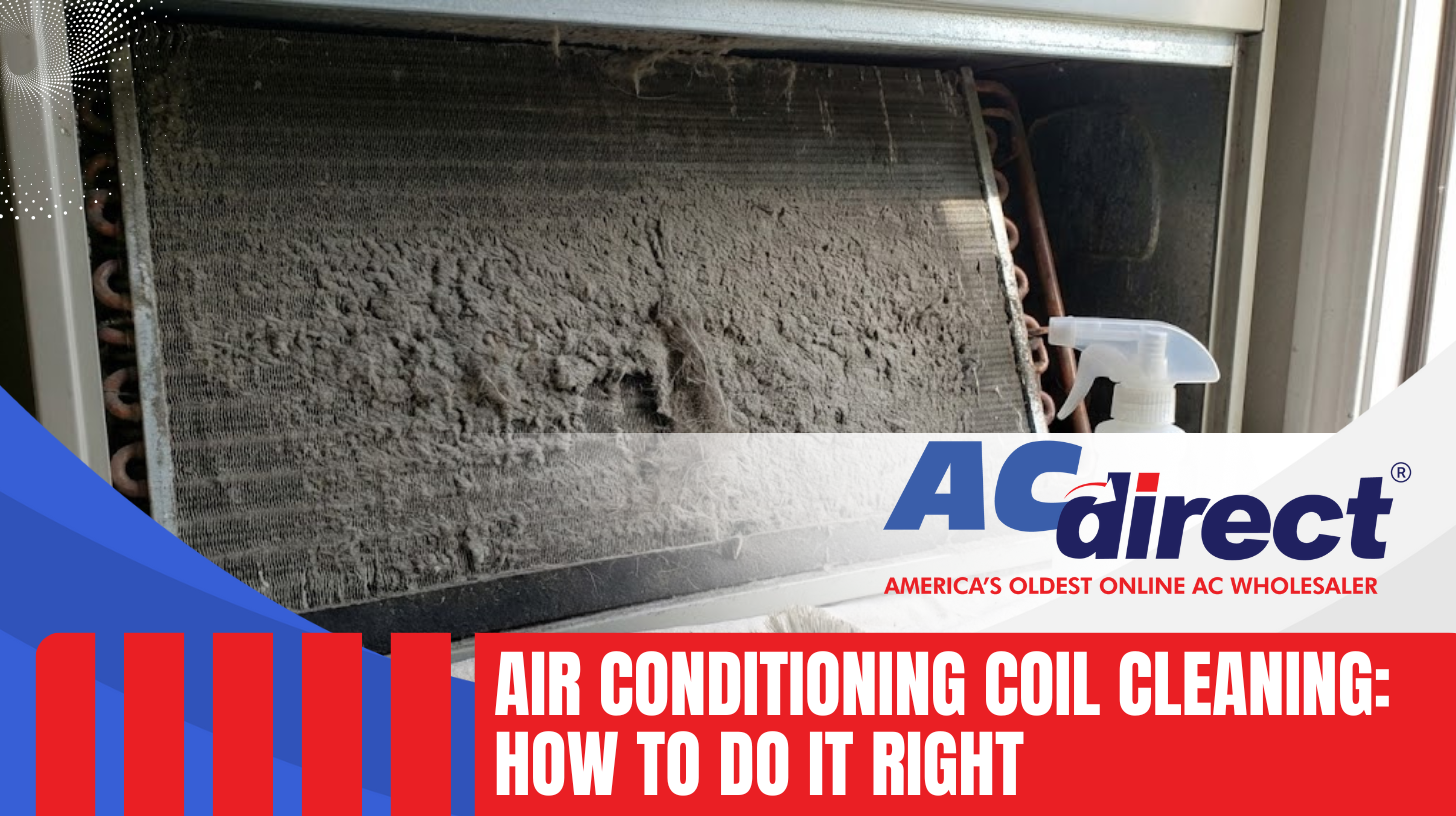
- Clean the Coil: Periodically clean the coil to remove dust and debris. You can use a fin comb to straighten bent fins and a coil cleaner to remove stubborn dirt.
- Schedule Professional Inspections: Have your HVAC system inspected annually by a qualified technician. They can identify potential problems early on.
- Ensure Proper Airflow: Make sure vents are not blocked by furniture or other obstructions.
Finding a Qualified HVAC Technician for Evaporator Coil Services
When it comes to evaporator coil repair or replacement, it's crucial to hire a qualified and experienced HVAC technician. Look for someone who is licensed, insured, and has a good reputation. Ask for references and read online reviews before making a decision.
DIY Evaporator Coil Cleaning: Is It Safe?
While you can perform some basic cleaning of your evaporator coil, I generally advise against doing anything too involved yourself. You can carefully vacuum the coil surface with a soft brush attachment and use a commercially available coil cleaner, following the instructions carefully. However, be very cautious not to damage the delicate fins. For more thorough cleaning or repairs, it's best to call a professional to avoid damaging the coil or your HVAC system.
When to Call a Professional: Troubleshooting Tips
Here are some situations where you should definitely call a professional HVAC technician:
- Ice Buildup: If you notice ice on your evaporator coil, it's usually a sign of a more serious problem, such as a refrigerant leak or restricted airflow.
- Refrigerant Leaks: Refrigerant leaks require specialized equipment and knowledge to repair safely.
- Complex Repairs: Any repairs beyond basic cleaning should be handled by a professional.
- Unusual Noises: Strange noises coming from your AC unit could indicate a problem with the evaporator coil or other components.
Frequently Asked Questions
What is the main function of an evaporator coil in an air conditioner?
The evaporator coil's main job is to take heat out of the air inside your house. This process cools the air before it gets sent back into your rooms. It is a very important part of how your air conditioner works.
How often should I have my evaporator coil inspected?
I suggest having your evaporator coil checked at least once a year. It's a good idea to do this when you get your regular HVAC maintenance. Checking it often helps find problems early.
What are some common signs that my evaporator coil is failing?
Some common signs include the AC not cooling as well, ice forming on the coil, strange smells coming from the vents, and water leaking near your indoor unit. These signs often mean there's an issue with the coil.
Is it possible to clean my evaporator coil myself?
You can do some basic cleaning, but it's usually best to have a professional HVAC technician clean your evaporator coil. They have the right tools and skills to clean it safely and well without causing damage.
How much does it typically cost to replace an evaporator coil?
The cost to replace an evaporator coil can change based on things like the type of coil, how hard the install is, and where you live. You can expect to pay around $800 to $2500 for a replacement, including the cost of labor. I suggest getting quotes from a few different HVAC contractors.
Final Thoughts
Understanding your evaporator coil is a key part of maintaining a comfortable and efficient home. By recognizing the signs of a failing coil and taking proactive steps to maintain your HVAC system, you can avoid costly repairs and extend the life of your equipment.
Remember to choose a qualified HVAC technician for any repairs or replacements, and don't hesitate to get multiple quotes to ensure you're getting a fair price. You can find a/c equipment at A/c wholesale for your home.
Making informed decisions about your HVAC system is essential for long-term comfort and savings. I hope this information has been helpful in guiding you through the process.