

Evaporation Coils: Understanding Their Role in AC Efficiency
-
 By
Michael Haines
By
Michael Haines
- Feb 21, 2024

Hi, I'm Mike Haines, founder of AC Direct. Many homeowners don't give a second thought to their air conditioner until something goes wrong. But understanding the different parts of your AC system can save you money and keep you comfortable. Today, I want to talk about a crucial component: the evaporation coil. I'll explain what it is, how it works, and what you need to know to keep it running efficiently. This is for all of you homeowners who want to be informed consumers and get the most out of your AC investment.
- Evaporation coils are essential for absorbing heat and cooling your home.
- Regular maintenance and cleaning can prevent costly repairs and extend the lifespan of your evaporation coil.
- Knowing the signs of a failing coil can help you address problems early and avoid major AC system damage.
- Consider professional help for complex issues or replacement to ensure proper installation and performance.
- Factors such as coil type, accessibility, and labor rates affect repair or replacement costs.
What is an Evaporation Coil and How Does It Work?
The evaporation coil is a key component of your air conditioning system. It's usually located inside your home, often within the indoor air handler or furnace. Its primary job is to absorb heat from the air passing over it, effectively cooling the air before it's circulated back into your living spaces. This process relies on a refrigerant, which circulates through the coil. As warm air blows across the coil, the refrigerant inside absorbs the heat and evaporates, changing from a liquid to a gas. This cooled air is then blown through your ductwork, providing the comfort you expect from your AC system.
Why is the Evaporation Coil Important for Home Cooling?
Without a properly functioning evaporation coil, your AC system simply can't do its job. If the coil is dirty, damaged, or frozen, it won't be able to efficiently absorb heat. This leads to several problems, including reduced cooling capacity, higher energy bills, and increased wear and tear on other components of your AC system. Keeping your evaporation coil in good condition is vital for maintaining a comfortable indoor environment and keeping your cooling costs under control. It's also important to ensure you have the correct size AC unit for your home. An Air conditioner calculator can help you determine the appropriate unit size.
Common Problems with Evaporation Coils
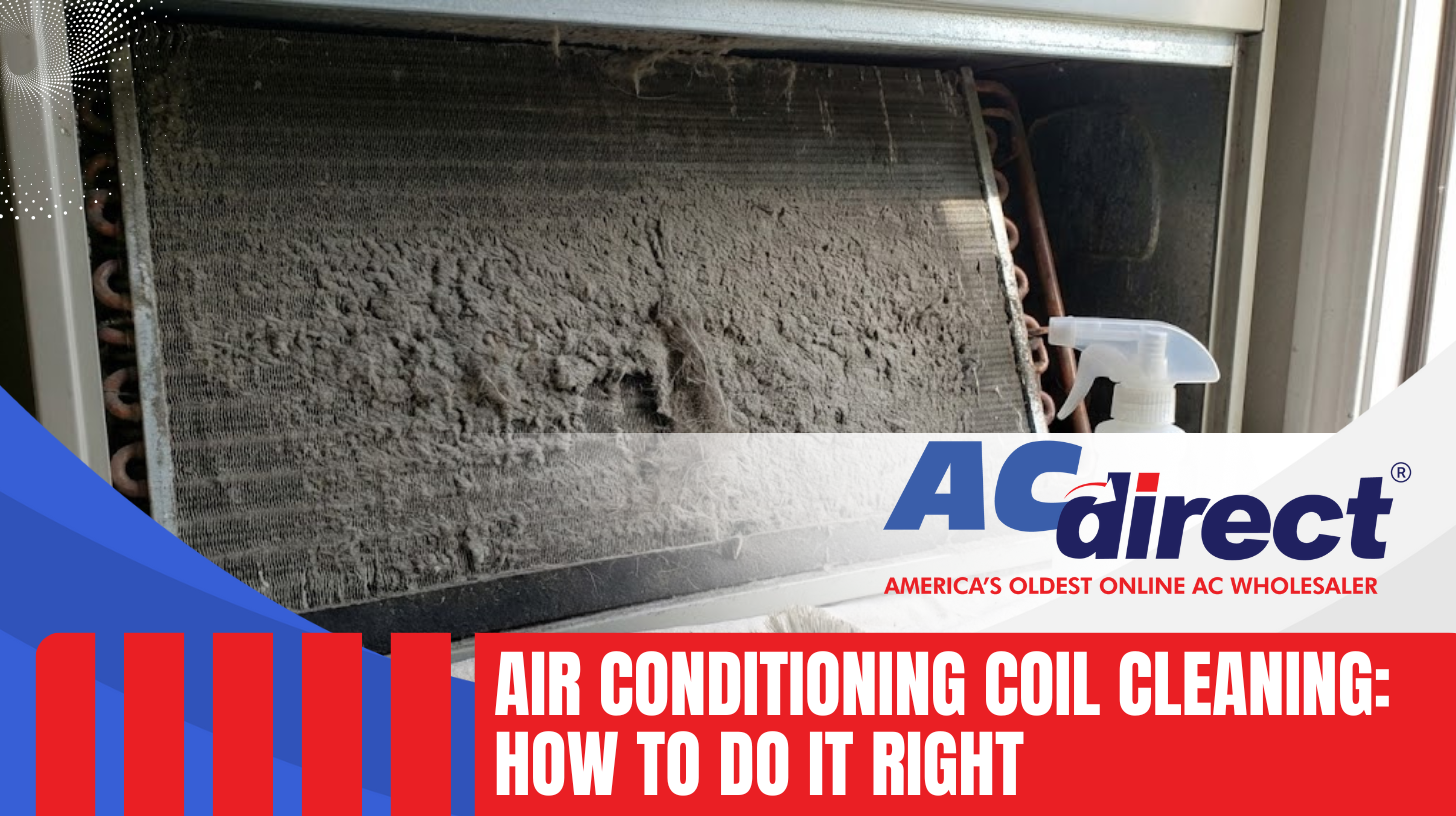
Evaporation coils can experience a range of issues that affect their performance. One common problem is dirt and dust buildup. Over time, the coil can become coated with these particles, which insulates it and prevents it from efficiently transferring heat. Another frequent issue is refrigerant leaks, which can occur due to corrosion or physical damage. A frozen evaporation coil is another problem, often caused by restricted airflow or low refrigerant levels. Corrosion can also cause significant damage, especially in coastal areas or homes with poor air quality. These problems can lead to reduced cooling capacity, higher energy consumption, and eventually, complete system failure.
Signs of a Failing Evaporation Coil
Catching problems early can prevent more extensive damage and save you money in the long run. Some common signs of a failing evaporation coil include weak airflow from your vents, which indicates a potential blockage or freezing. If you notice that your AC is running longer than usual to cool your home, it could be a sign that the coil isn't working efficiently. Unusual noises, such as hissing or bubbling sounds, could indicate a refrigerant leak. Finally, a noticeable increase in your energy bills without a change in usage patterns can also point to an issue with the evaporation coil. If you observe any of these symptoms, it's best to call a qualified HVAC technician to inspect your system.
What Causes Evaporation Coil Failure?
Several factors can contribute to the failure of an evaporation coil. Lack of regular maintenance is a major cause. When coils aren't cleaned regularly, dirt and dust accumulate, reducing their efficiency and leading to overheating. Refrigerant leaks, often caused by corrosion or physical damage, can also lead to failure. Improper installation can also cause problems down the line. The wrong size system can cause the AC to overwork itself. You can also use an Calculating ac size to find the right size. Environmental factors like humidity and salt air can accelerate corrosion, especially in coastal regions. Finally, normal wear and tear over time will eventually lead to the need for repair or replacement. Sometimes .5 ton ac .5 ton ac is the best fit.
Evaporation Coil Cleaning and Maintenance Tips
Regular cleaning and maintenance are crucial for extending the life of your evaporation coil and maintaining peak performance. Here are a few tips you can follow. First, change your air filters regularly, typically every 1-3 months, to prevent dust and debris from entering the system. Second, schedule professional AC tune-ups at least once a year. A technician can thoroughly clean the coil and inspect for any potential problems. Third, keep the area around your outdoor unit clear of vegetation and debris to ensure proper airflow. Finally, consider using a UV light in your air handler to kill mold and bacteria that can grow on the coil. These simple steps can help prevent costly repairs and keep your AC system running efficiently.
Evaporation Coil Replacement vs. Repair: Which is Best?
Deciding whether to repair or replace an evaporation coil depends on several factors. If the coil is relatively new and the problem is minor, such as a small refrigerant leak, a repair might be the most cost-effective option. However, if the coil is old, heavily corroded, or has suffered significant damage, replacement is usually the better choice. Replacement offers the advantage of improved efficiency and reliability, as well as a new warranty. Consider the age of your system, the extent of the damage, and the cost of both options before making a decision. An experienced HVAC technician can assess the situation and provide you with the best recommendation.
Cost of Evaporation Coil Repair or Replacement
The cost of repairing or replacing an evaporation coil can vary widely depending on several factors. Repair costs typically range from a few hundred to over a thousand dollars, depending on the complexity of the repair and the cost of refrigerant. Replacement costs can be significantly higher, ranging from $800 to $2500 or more, including the cost of the new coil, labor, and refrigerant. Factors that influence the price include the type of coil, the accessibility of the unit, and the labor rates in your area. It's always a good idea to get quotes from multiple contractors to ensure you're getting a fair price. Also be aware that there are programs such as the Weatherization Assistance Program that may be available to help offset the costs.
Choosing the Right Evaporation Coil for Your AC System
If you need to replace your evaporation coil, selecting the right one is critical for optimal performance. Make sure the new coil is compatible with your existing AC system, including the refrigerant type and BTU (British Thermal Unit) rating. Consider factors such as coil material, construction, and efficiency. Some coils are coated with special materials to resist corrosion, which can be beneficial in certain environments. It's also essential to choose a reputable brand and ensure that the coil is installed by a qualified HVAC technician. A properly matched and installed evaporation coil will maximize your system's efficiency and extend its lifespan.
Extending the Lifespan of Your Evaporation Coil
You can take several steps to extend the lifespan of your evaporation coil and avoid premature failure. Regular cleaning and maintenance, as mentioned earlier, are essential. Proper airflow is also crucial, so make sure your vents are not blocked and that your ductwork is clean and well-sealed. Avoid using harsh chemicals or abrasive cleaners on the coil, as these can cause damage. Consider installing a whole-house air purifier to reduce the amount of dust and allergens in your home. Finally, address any refrigerant leaks promptly to prevent further damage to the coil and other components of your AC system.
When to Call an HVAC Professional
While some maintenance tasks can be done yourself, there are certain situations where it's best to call a qualified HVAC professional. If you suspect a refrigerant leak, it's important to have it addressed by a licensed technician due to environmental regulations and the potential health risks associated with refrigerant exposure. If you're not comfortable working with electrical components or handling refrigerant, it's always best to leave the job to a professional. Attempting to repair or replace an evaporation coil yourself without the proper knowledge and tools can result in damage to your system and potential injury.
Frequently Asked Questions
What is the purpose of the evaporation coil in my air conditioner?
The evaporation coil's job is to pull heat from the air inside your house, which cools the air before it gets sent back through your vents. It's a really important part of how your air conditioner works to keep you comfortable.
How often should I have my evaporation coil cleaned?
I usually suggest having your evaporation coil cleaned by a professional every one to two years. It really depends on how clean the air in your house is and if you have pets or allergies that might make it get dirtier faster.
What are the symptoms of a frozen evaporation coil?
If your evaporation coil is frozen, you might notice that the air coming from your vents isn't very strong, there's ice built up on the coil itself, and your energy bills might be higher than usual.
Can I clean my evaporation coil myself?
You can do some light cleaning yourself, but I recommend getting a professional to do a thorough cleaning. They have the right tools and know how to clean it without causing damage.
How much does it cost to replace an evaporation coil?
Replacing an evaporation coil can cost anywhere from $800 to $2500 or even more. The price depends on the type of coil, how easy it is to get to, and the cost of labor in your area. Make sure to get a few quotes from different contractors before you decide.
Final Thoughts
The evaporation coil is a vital component of your AC system, and understanding its function and maintenance needs can save you money and ensure your home stays comfortable. Regular cleaning, prompt repairs, and informed decisions about replacement are key to extending the life of your coil and maximizing your system's efficiency.
Don't underestimate the importance of professional help. While some tasks can be done yourself, an experienced HVAC technician can diagnose and address complex issues, ensuring your AC system operates at its best.
By staying informed and proactive, you can protect your investment and enjoy a cool, comfortable home for years to come. If you have any questions or need assistance with your AC system, don't hesitate to reach out to a qualified HVAC professional.