 and now, NASCAR Racing Sponsor


Fan Coil Conversion: Is It Right for Your Home?
-
 By
Michael Haines
By
Michael Haines
- Feb 23, 2024
Hi, I'm Mike Haines, founder of AC Direct. Many homeowners are looking for ways to improve their home's heating and cooling efficiency and overall comfort. One option that comes up often is a fan coil conversion. If you're wondering if a fan coil system is right for your home, this information will help you understand what's involved, the potential benefits, and the factors you should consider before making a decision.
Key Highlights
- Fan coil systems offer efficient heating and cooling by using electricity and a refrigerant to directly heat or cool air.
- Compared to traditional furnaces and ACs, fan coil systems can offer improved energy efficiency and individual room temperature control.
- Factors like home size, existing ductwork, and budget significantly impact the feasibility and cost of a fan coil conversion.
- Proper sizing and professional installation are critical for optimal fan coil system performance and longevity.
- While offering many advantages, fan coil systems also have potential drawbacks like higher upfront costs and the need for regular maintenance.
What Is a Fan Coil Conversion?
A fan coil conversion involves replacing your existing heating and cooling system, typically a furnace and separate air conditioner, with a fan coil system. Instead of relying on ductwork to distribute heated or cooled air from a central unit, fan coil units are typically installed in individual rooms or zones. These units use a coil to heat or cool air, and a fan to blow the air into the room. The system uses electricity and a refrigerant. A fan coil conversion can also be paired with a heat pump.
Why Consider Converting to a Fan Coil System?
There are several reasons why homeowners consider converting to a fan coil system. One of the biggest advantages is the potential for improved energy efficiency. Fan coil systems can provide more precise temperature control, allowing you to heat or cool only the rooms you're using. This can lead to significant energy savings, especially in homes with multiple occupants or varying temperature preferences. Additionally, some homeowners appreciate the quieter operation of modern fan coil units compared to traditional furnaces.
Understanding the Components of a Fan Coil System
A fan coil system consists of several key components:
- Fan Coil Units: These are the individual units installed in each room or zone. They contain a coil through which hot or cold water circulates, a fan to blow air across the coil, and a filter to remove dust and allergens.
- Chiller or Boiler: A chiller cools the water for cooling, while a boiler heats the water for heating. These units are typically located outside the living space.
- Piping: A network of pipes connects the chiller or boiler to the fan coil units, carrying the hot or cold water.
- Control System: A thermostat or control system allows you to adjust the temperature in each zone. Smart thermostats can offer even more advanced control and energy-saving features.
Fan Coil Conversion Vs. Traditional Furnace/AC Systems
The main difference lies in how the heating and cooling are distributed. Traditional systems rely on a central furnace and air conditioner connected to a network of ducts. Fan coil systems, on the other hand, use individual units in each zone, connected to a central chiller or boiler. This allows for more precise temperature control and can eliminate the energy losses associated with ductwork.
Benefits of Fan Coil Systems for Homeowners
Fan coil systems offer several benefits:
- Improved Energy Efficiency: Zoned heating and cooling can significantly reduce energy consumption.
- Precise Temperature Control: Each zone can be set to a different temperature, maximizing comfort.
- Quieter Operation: Modern fan coil units are designed to operate quietly.
- Space Saving: Fan coil units are generally compact and can be mounted on walls or ceilings.
Potential Drawbacks of Fan Coil Systems
While fan coil systems offer many advantages, there are also some potential drawbacks to consider:
- Higher Upfront Cost: Fan coil conversions can be more expensive than replacing a traditional furnace and air conditioner.
- Installation Complexity: Installation requires specialized knowledge and skills.
- Maintenance Requirements: Fan coil units require regular maintenance, such as filter replacement and coil cleaning.
- Potential for Leaks: The piping system can be susceptible to leaks if not properly installed and maintained.
Factors to Consider Before Converting to a Fan Coil System
Before converting to a fan coil system, consider these factors:
- Home Size and Layout: Fan coil systems are best suited for homes with multiple zones or rooms that require different temperatures.
- Existing Ductwork: If you have existing ductwork, it may be possible to adapt it for use with a fan coil system, but this is not always the case.
- Budget: Fan coil conversions can be expensive, so it's important to have a realistic budget in mind. You might consider a Whole house ac units if you're trying to stick to a budget.
- Energy Efficiency Goals: If your primary goal is to reduce energy consumption, a fan coil system can be a good option.
Sizing a Fan Coil System for Your Home
Proper sizing is crucial for optimal performance. An undersized system won't be able to adequately heat or cool your home, while an oversized system will cycle on and off frequently, leading to wasted energy and reduced comfort. A qualified HVAC contractor can perform a load calculation to determine the correct size of the fan coil units for each zone in your home. Factors like square footage, insulation levels, window size and orientation, and climate all affect sizing. As a general estimate, you can use the information about Ac tons per sf as a starting point before getting a professional assessment.
Fan Coil Installation: What to Expect
Fan coil installation typically involves these steps:
- System Design: A qualified HVAC contractor will design the system, determining the size and placement of the fan coil units, chiller or boiler, and piping.
- Unit Installation: The fan coil units are installed in each zone, typically mounted on walls or ceilings.
- Piping Installation: The piping is installed to connect the chiller or boiler to the fan coil units.
- Electrical Connections: Electrical connections are made to power the fan coil units and control system.
- System Testing and Commissioning: The system is tested to ensure it's operating properly.
Cost of a Fan Coil Conversion: A Detailed Breakdown
The cost of a fan coil conversion can vary widely depending on several factors:
- Size of Your Home: Larger homes require more fan coil units and more extensive piping, increasing the cost.
- Type of Fan Coil Units: Different types of units, such as wall-mounted, ceiling-mounted, or floor-mounted, have different costs.
- Complexity of Installation: Difficult installations, such as those involving extensive ductwork modifications, can increase the cost.
- Brand and Quality of Equipment: Higher-quality equipment typically costs more but may offer better performance and longevity.
Be sure to get several quotes from different contractors to get an accurate estimate of the cost for your specific home. Consider how a 3 1 2 ton ac unit might fit into your overall plan.
Financing Options for Fan Coil Conversions
Because fan coil conversions can be expensive, many homeowners choose to finance the project. Options include:
- Home Equity Loans: These loans allow you to borrow against the equity in your home.
- Personal Loans: These loans are unsecured and can be used for any purpose.
- HVAC Financing: Some HVAC contractors offer financing options through third-party lenders.
- Government Rebates and Incentives: Check with your local utility company and government agencies for available rebates and incentives. The Western Area Power Administration also has information on energy efficiency incentives.
Choosing the Right Fan Coil Unit: Key Features and Brands
When choosing a fan coil unit, consider these features:
- BTU Rating: This indicates the unit's heating and cooling capacity.
- Airflow: This measures the volume of air the unit can move.
- Noise Level: Look for units with low-noise ratings.
- Energy Efficiency: Choose units with high energy efficiency ratings.
- Features: Some units offer features like remote control, programmable thermostats, and air purification.
Popular brands include Carrier, Trane, Daikin, and Mitsubishi Electric.
Maintenance and Care for Your Fan Coil System
Regular maintenance is essential for ensuring the longevity and efficiency of your fan coil system. Key maintenance tasks include:
- Filter Replacement: Replace the filters every 1-3 months, or more often if needed.
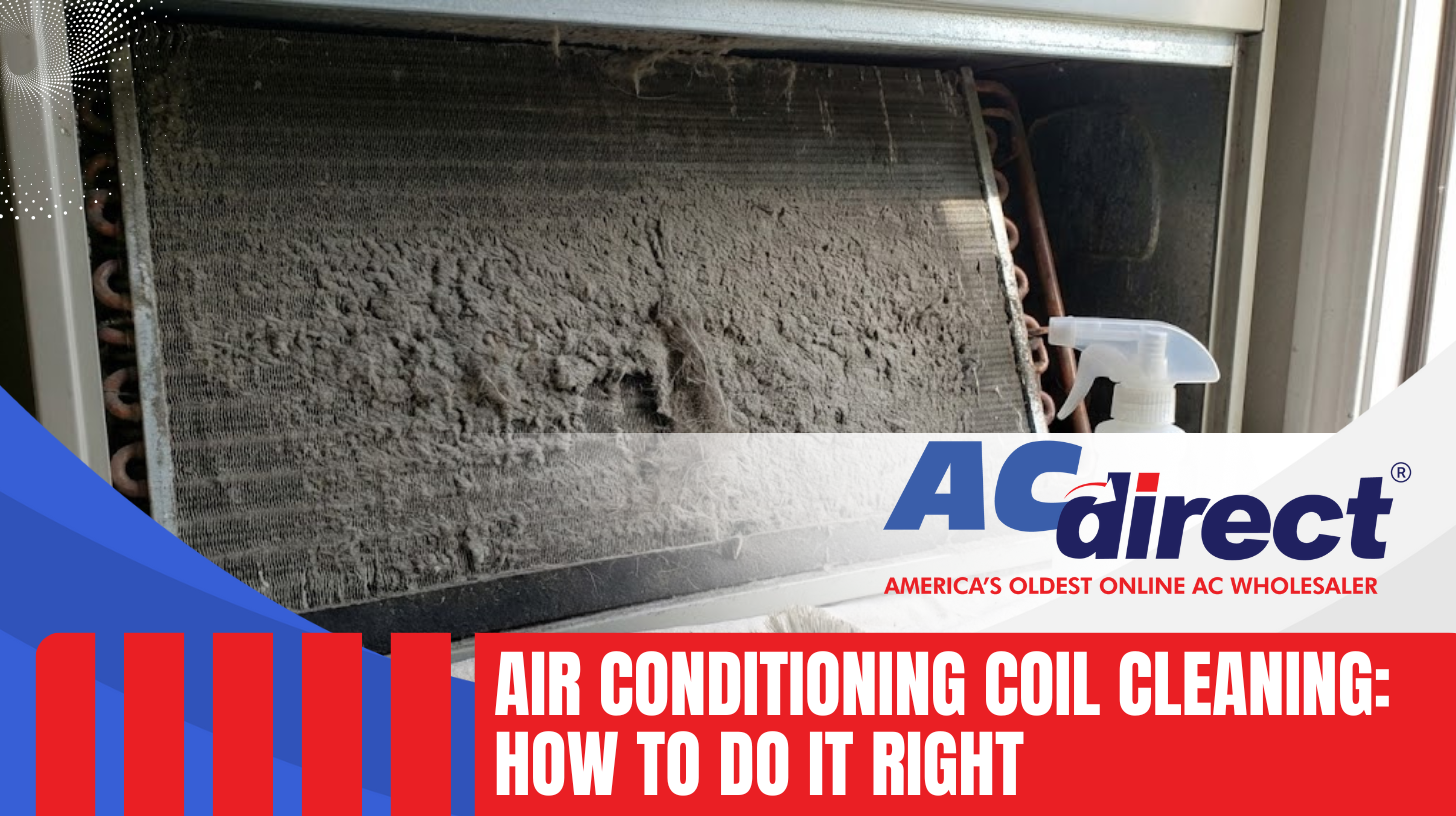
- Coil Cleaning: Clean the coils regularly to remove dust and debris.
- Drainage Maintenance: Regularly flush the drain lines to prevent clogs.
- Professional Inspection: Have the system inspected annually by a qualified HVAC contractor.
Finding a Qualified HVAC Contractor for Fan Coil Installation
Choosing the right HVAC contractor is crucial for a successful fan coil conversion. Look for a contractor who is licensed, insured, and experienced in fan coil installation. Ask for references and check online reviews. Get multiple quotes and compare them carefully. Make sure the contractor performs a load calculation to properly size the system.
Is a Fan Coil Conversion Right for Your Home?
Ultimately, the decision of whether or not to convert to a fan coil system depends on your individual needs and circumstances. If you're looking for improved energy efficiency, precise temperature control, and a quieter heating and cooling system, a fan coil conversion may be a good option. However, it's important to carefully consider the upfront cost, installation complexity, and maintenance requirements before making a decision.
Energy Efficiency and Fan Coil Systems
Fan coil systems can be more energy efficient than traditional systems because they allow for zoned heating and cooling. This means you can heat or cool only the rooms you're using, rather than heating or cooling the entire house. Additionally, fan coil units can be equipped with energy-efficient components, such as variable-speed fans and high-efficiency coils.
Smart Thermostats and Fan Coil Control
Smart thermostats can further enhance the energy efficiency and convenience of a fan coil system. These thermostats allow you to control the temperature in each zone remotely, using a smartphone or tablet. They can also learn your heating and cooling preferences and automatically adjust the temperature to save energy. Some smart thermostats can even integrate with other smart home devices, such as lighting and security systems.
DIY vs. Professional Fan Coil Installation: What You Need to Know
While some homeowners may be tempted to install a fan coil system themselves, it's generally not recommended. Fan coil installation requires specialized knowledge and skills, as well as the proper tools and equipment. Improper installation can lead to poor performance, reduced energy efficiency, and even safety hazards. It's always best to hire a qualified HVAC contractor for fan coil installation.
Troubleshooting Common Fan Coil Problems
Even with proper installation and maintenance, fan coil systems can sometimes experience problems. Common issues include:
- No Heat or Cool Air: This could be due to a tripped circuit breaker, a faulty thermostat, or a problem with the chiller or boiler.
- Low Airflow: This could be due to a dirty filter, a blocked coil, or a problem with the fan motor.
- Leaks: Leaks can occur in the piping system, fan coil units, or chiller/boiler.
- Noisy Operation: This could be due to a loose fan blade, a worn-out motor, or a problem with the piping.
If you experience any of these problems, it's best to contact a qualified HVAC contractor for assistance.
Future Trends in Fan Coil Technology
Fan coil technology is constantly evolving, with new innovations aimed at improving energy efficiency, performance, and convenience. Some future trends include:
- Smart Fan Coil Units: These units will be equipped with sensors and controls that can automatically adjust the temperature and airflow based on occupancy and other factors.
- Wireless Control Systems: These systems will allow you to control your fan coil system from anywhere, using a smartphone or tablet.
- More Efficient Components: Manufacturers are developing more efficient coils, fans, and compressors that will reduce energy consumption.
Frequently Asked Questions
What is the typical lifespan of a fan coil unit?
If you maintain your fan coil unit well, you can expect it to last about 15 to 20 years. This is similar to the lifespan of other HVAC systems. Be sure to clean the coils and change the filters regularly to extend the life of your unit.
How much does it cost to convert to a fan coil system?
The cost to convert to a fan coil system varies greatly. It depends on your home's size, how complex the installation is, and the type of unit you choose. You might pay anywhere from $5,000 to $15,000 or more. I recommend getting several quotes from qualified HVAC contractors to get a more precise estimate.
Are fan coil systems noisy?
Modern fan coil units are made to run quietly. However, the noise level can vary based on the specific model and how it's installed. When you're shopping, look for units that are rated for low noise. Also, make sure the installation is done correctly to keep the noise down.
Can I use my existing ductwork with a fan coil system?
In some situations, you can use the ductwork you already have. It depends on the design and condition of your current ductwork. A qualified HVAC contractor can take a look and tell you if it's compatible or if you'll need to make some changes.
How often should I change the filters in my fan coil unit?
I generally recommend changing your fan coil filters every 1 to 3 months. This depends on the air quality in your area and how often you use the system. Check the filter regularly, and if it looks dirty, replace it.
Final Thoughts
A fan coil conversion can be a worthwhile investment for homeowners seeking improved energy efficiency and customized comfort. By understanding the components, benefits, and potential drawbacks of these systems, you can make an informed decision about whether a fan coil system is the right choice for your home. Be sure to work with a qualified HVAC contractor to ensure proper sizing, installation, and maintenance.