 and now, NASCAR Racing Sponsor


HVAC Coil Amperage: What It Is and Why It Matters
-
 By
Michael Haines
By
Michael Haines
- Mar 28, 2024
Hi, I'm Mike Haines, founder of AC Direct. I've spent years helping homeowners understand their HVAC systems, and one question that often comes up is about HVAC coil amperage. It's a technical term, but understanding it can help you spot potential problems with your AC or heat pump before they turn into expensive repairs. This information is for homeowners and small business owners who want to understand their HVAC systems better, not for HVAC technicians.
Key Highlights
- HVAC coil amperage indicates how much electrical current your system's components are drawing.
- Abnormal amperage readings can signal problems like capacitor failure, refrigerant leaks, or motor issues.
- Regular preventative maintenance, including checking amperage, can help prevent costly repairs.
- Measuring amperage requires specialized tools and knowledge, so it's often best left to a qualified technician.
- Understanding coil amperage helps you make informed decisions about HVAC maintenance and repairs.
What is HVAC Coil Amperage?
HVAC coil amperage refers to the amount of electrical current, measured in amps, that the compressor and fan motors within your HVAC system's coils are drawing. The amperage is a critical indicator of the health and performance of these components. Each motor is designed to operate within a specific amperage range, which is usually listed on the unit's nameplate. When the actual amperage deviates significantly from this range, it can indicate a problem.
Why HVAC Coil Amperage Matters to Homeowners
Understanding HVAC coil amperage can save you money and prevent breakdowns. When your system is running outside of its normal amperage range, it's a sign that something is wrong. Ignoring these signs can lead to more serious damage, requiring expensive repairs or even complete system replacement. By paying attention to amperage readings, you can catch problems early and address them before they escalate. Plus, proper amperage ensures your system is running efficiently, which can lower your energy bills.
Understanding the Amp Draw on Your HVAC System
Your HVAC system has various components that draw amperage, including the compressor motor, condenser fan motor, and blower motor. Each of these has a specific amp draw requirement. The compressor, being the heart of the cooling process, typically draws the most amperage. The fan motors also contribute significantly to the overall amp draw. The total amp draw of your system is the sum of the amperage drawn by all these components. Understanding what each component should be drawing helps you identify potential issues more accurately. For example, consider a 3 ton ac unit with heat pump if your current unit is constantly drawing too much power.
Symptoms of High or Low Coil Amperage
Several symptoms can indicate high or low coil amperage. If the amperage is too high, you might notice that your system is overheating, tripping the circuit breaker frequently, or making unusual noises. High amperage can also lead to premature motor failure. On the other hand, if the amperage is too low, your system may not be cooling or heating effectively. You might also notice that the fan isn't running at full speed, or that the system is cycling on and off more frequently than usual. These symptoms are your HVAC system's way of telling you something is wrong, and it's important to investigate them promptly.
Troubleshooting Common Amperage Issues
When troubleshooting amperage issues, start by checking the basics. Make sure the power supply is stable and that the circuit breaker isn't faulty. Inspect the wiring for any signs of damage or corrosion. If you suspect a problem with a specific component, such as the compressor or fan motor, you can use a multimeter to measure the amperage being drawn by that component. However, be cautious when working with electricity, and if you're not comfortable performing these tests yourself, it's best to call a qualified HVAC technician. Also, remember to check the capacitor, as a failing capacitor can often cause amperage problems. You might also consider a Packet ac to improve the efficiency and reliability of your system.
What Causes High HVAC Coil Amperage?
High HVAC coil amperage can be caused by several factors. One common cause is a failing motor. As a motor ages, its internal resistance increases, causing it to draw more amperage. Another cause is restrictions in the airflow. If the air filter is dirty or the coils are blocked with debris, the motor has to work harder to move air, resulting in higher amperage draw. Overcharging the system with refrigerant can also lead to high amperage, as the compressor has to work harder to compress the excess refrigerant. Additionally, problems with the electrical connections, such as loose or corroded wiring, can cause high amperage.
What Causes Low HVAC Coil Amperage?
Low HVAC coil amperage can also stem from several issues. A common cause is a failing capacitor, which provides the initial surge of power needed to start the motor. If the capacitor is weak, the motor may not be able to reach its full operating speed, resulting in lower amperage. Another cause is a refrigerant leak. When the refrigerant level is low, the compressor doesn't have to work as hard, leading to lower amperage draw. Additionally, restrictions in the refrigerant lines or a faulty compressor can also cause low amperage. A 1.5 ton package unit might be a good alternative if your existing system has too many problems.
The Role of the Capacitor in Coil Amperage
The capacitor plays a vital role in the operation of your HVAC system's motors. It provides a high-voltage jolt of electricity to start the motor, and then it helps to maintain the motor's speed and efficiency. A failing capacitor is one of the most common causes of amperage problems. When a capacitor starts to fail, it may not be able to provide enough power to start the motor, or it may cause the motor to run at a lower speed, resulting in either high or low amperage draw. Testing the capacitor is a simple way to diagnose many amperage-related issues.
How to Measure HVAC Coil Amperage (and When to Call a Pro)
Measuring HVAC coil amperage requires a multimeter, which is an electrical testing device that can measure voltage, current, and resistance. To measure amperage, you'll need to connect the multimeter in series with the motor you want to test. This means disconnecting one of the wires leading to the motor and connecting the multimeter in its place, so that all the current flowing to the motor passes through the multimeter. Before you start, make sure to turn off the power to the system and follow all safety precautions. If you're not comfortable working with electricity, or if you're not sure how to use a multimeter safely, it's best to call a qualified HVAC technician. They have the tools and expertise to accurately measure amperage and diagnose any underlying problems.
Preventative Maintenance to Avoid Coil Amperage Problems
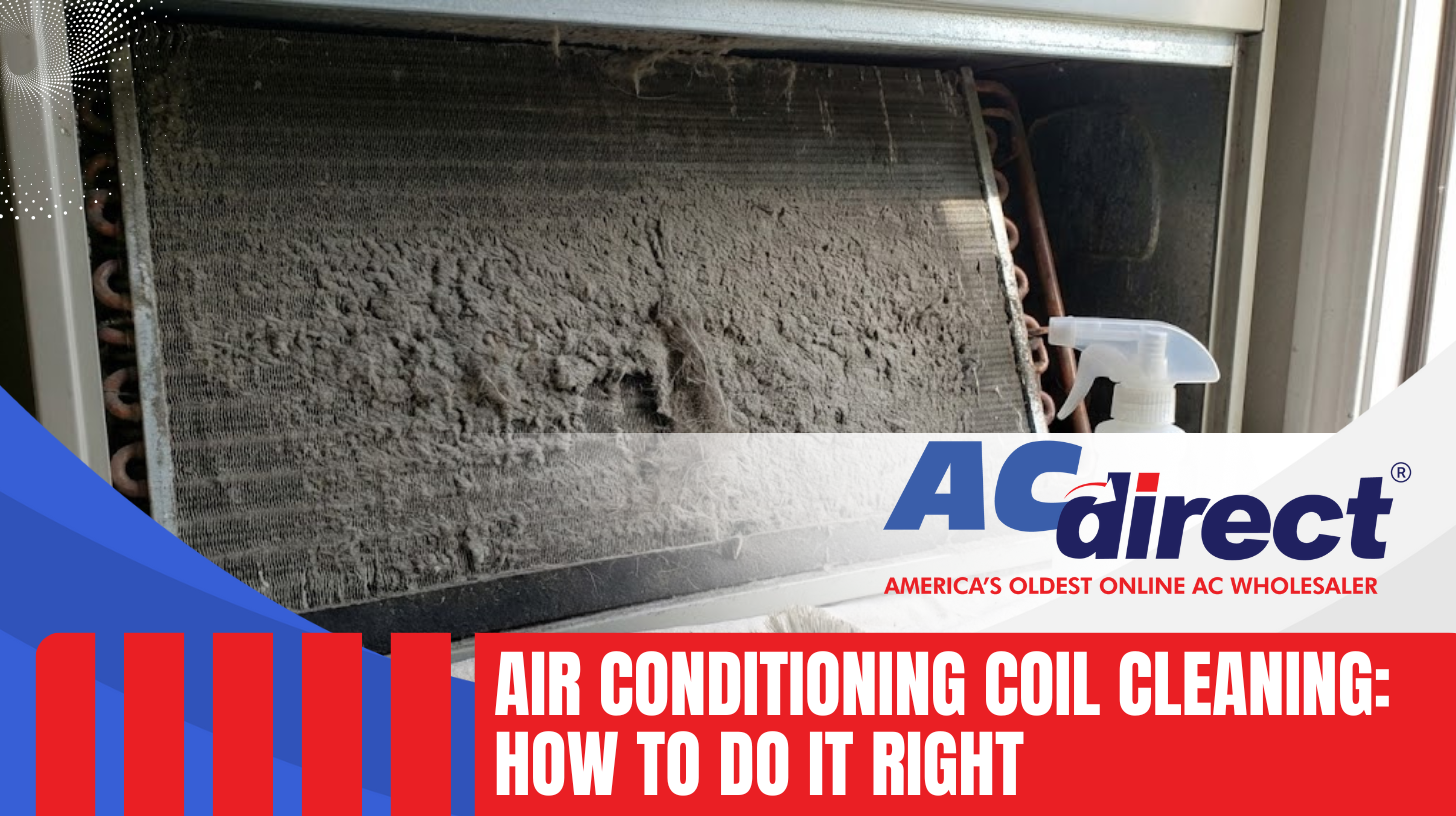
Regular preventative maintenance is key to avoiding coil amperage problems. Start by regularly changing your air filter. A dirty air filter restricts airflow, causing the motors to work harder and draw more amperage. Also, clean the coils regularly to remove any dirt or debris that can restrict airflow. Inspect the wiring for any signs of damage or corrosion, and tighten any loose connections. Finally, have your system inspected by a qualified HVAC technician at least once a year. They can check the amperage readings, test the capacitors, and identify any potential problems before they become serious. Many local utilities offer rebates and assistance with HVAC maintenance. Sacramento Municipal Utility District Corporate is one example.
Coil Amperage and Energy Efficiency
Maintaining proper coil amperage is essential for energy efficiency. When your system is running outside of its normal amperage range, it's not operating efficiently. High amperage indicates that the motors are working harder than they should, which consumes more energy. Low amperage indicates that the system isn't performing at its full capacity, which can also lead to increased energy consumption. By ensuring that your system is running at the correct amperage, you can optimize its energy efficiency and lower your utility bills.
Frequently Asked Questions
What is a normal amperage reading for an HVAC coil?
A normal amperage reading varies depending on the specific HVAC unit. Check the unit's nameplate for the rated amperage, and the measured amperage should be within 10% of that value. If it's significantly higher or lower, there's likely a problem.
What happens if my HVAC coil amperage is too high?
High amperage indicates the coil is drawing too much power, which can lead to overheating, motor damage, and potentially a tripped breaker. Ignoring this can cause costly repairs or even a complete system failure.
What happens if my HVAC coil amperage is too low?
Low amperage may indicate a failing capacitor, a refrigerant leak, or other issues preventing the coil from operating correctly. This can result in reduced cooling or heating capacity and increased energy consumption.
Can I check my HVAC coil amperage myself?
While you can visually inspect your system and note any obvious issues, measuring amperage requires a multimeter and some electrical knowledge. It's generally best to call a qualified HVAC technician to perform this test safely and accurately.
How often should I have my HVAC system checked for amperage issues?
Ideally, you should have your HVAC system inspected by a professional at least once a year as part of a preventative maintenance program. This will help identify potential problems early on and prevent costly repairs down the road.
Final Thoughts
Understanding HVAC coil amperage is a valuable tool for homeowners and small business owners. While it may seem like a technical topic, knowing the basics can help you identify potential problems early and prevent costly repairs. Regular preventative maintenance, including checking amperage, is essential for keeping your system running efficiently and reliably.
Don't hesitate to call a qualified HVAC technician if you suspect any problems with your system. They have the expertise and equipment to accurately diagnose and repair any issues. By staying informed and taking proactive steps, you can ensure that your HVAC system provides years of comfortable and efficient service.
Ultimately, making informed decisions about your HVAC system will lead to greater comfort and savings. Pay attention to your system's performance, and don't ignore any warning signs. A little knowledge and preventative maintenance can go a long way in keeping your system running smoothly.