 and now, NASCAR Racing Sponsor


HVAC Coil Evaporator Issues: Troubleshooting and Solutions
-
 By
Michael Haines
By
Michael Haines
- Mar 29, 2024
Key Highlights
- The evaporator coil is responsible for absorbing heat from your home's air, which is key to the cooling process.
- Common signs of a failing evaporator coil include reduced cooling, ice buildup, and unusual odors.
- Regular maintenance, such as cleaning and filter replacement, can extend the life of your evaporator coil.
- Replacement is sometimes necessary and the cost can vary, so it's important to get a professional assessment.
- Proper installation and matching the coil to your system are crucial for optimal performance.
What is an HVAC Evaporator Coil?
The evaporator coil is a critical component of your air conditioning system. Its main function is to absorb heat from the air inside your home, effectively cooling it down. Think of it as the engine that drives the cooling process. Without a properly functioning evaporator coil, your AC system won’t be able to keep your home comfortable, especially during those hot summer months.How Does an Evaporator Coil Work?
The evaporator coil works by using a refrigerant that circulates through its coils. As warm air from your home blows across the coil, the refrigerant absorbs the heat. This causes the refrigerant to evaporate from a liquid to a gas. The now-cooled air is then circulated back into your home. The gaseous refrigerant then travels to the compressor, where the cycle begins again. It's a continuous loop that keeps your home cool and comfortable.Why is the Evaporator Coil Important for Home Comfort?
The evaporator coil is essential for maintaining comfortable temperatures and good air quality in your home. A malfunctioning coil can lead to inconsistent cooling, higher energy bills, and even potential health issues due to poor air circulation and humidity control. By ensuring your evaporator coil is in good working order, you can enjoy a more comfortable and energy-efficient home environment.Types of Evaporator Coils
There are several types of evaporator coils, each designed for specific HVAC systems and applications. Some common types include:- A-Coils: These are shaped like an "A" and are very common in residential HVAC systems.
- Slab Coils: These are flat and rectangular, often used in older systems or in applications where space is limited.
- N-Coils: Similar to A-coils but with a slightly different configuration for improved airflow.
- Horizontal Coils: Designed for horizontal airflow, often found in attics or crawl spaces.
Signs of a Failing Evaporator Coil
Recognizing the signs of a failing evaporator coil can save you from bigger problems down the road. Here are some common indicators:- Reduced Cooling Capacity: Your AC struggles to cool your home effectively.
- Ice Buildup: Ice forms on the coil, indicating a refrigerant leak or airflow issue.
- Unusual Noises: Hissing or bubbling sounds from the unit.
- Musty Odors: A moldy or mildew smell coming from your vents.
- Water Leaks: Water pooling around your indoor unit.
- Increased Energy Bills: Your AC is working harder to maintain the same temperature.
What Causes Evaporator Coil Problems?
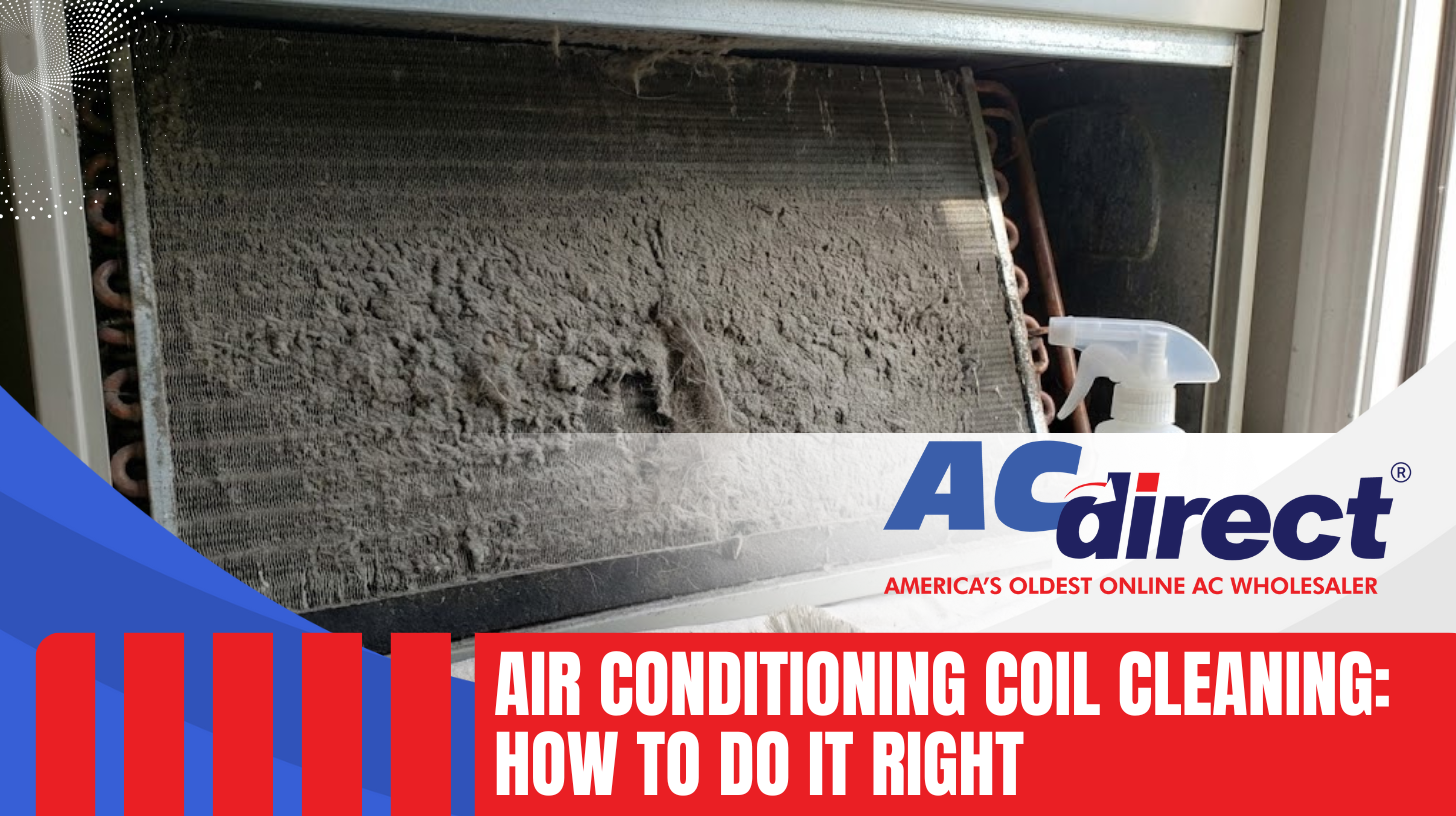
Several factors can lead to evaporator coil problems. Understanding these causes can help you prevent issues and extend the life of your coil. Some common causes include: * Dirt and Debris Buildup: Over time, dust and debris can accumulate on the coil, reducing its ability to transfer heat. * Refrigerant Leaks: Leaks can cause the coil to freeze and reduce cooling capacity. * Corrosion: Especially in coastal areas, salt air can corrode the coil, leading to leaks and reduced efficiency. * Poor Airflow: Restricted airflow due to dirty filters or blocked vents can cause the coil to freeze. * Age: Like any mechanical component, evaporator coils can degrade over time, leading to failures.Evaporator Coil Cleaning and Maintenance Tips
Regular cleaning and maintenance can help prevent many evaporator coil problems. Here are some tips to keep your coil in good condition: 1. Change Air Filters Regularly: A clean filter ensures proper airflow and prevents dirt from accumulating on the coil. I usually recommend changing your filter every 1-3 months, depending on usage and air quality. 2. Schedule Professional Cleaning: Have your evaporator coil professionally cleaned every 1-2 years. A technician can thoroughly clean the coil and check for any potential issues. 3. Keep Vents Clear: Make sure your vents are not blocked by furniture or other objects. This ensures proper airflow throughout your home. 4. Inspect for Leaks: Regularly check for any signs of water or refrigerant leaks around your indoor unit. 5. Consider a UV Light: Installing a UV light near your coil can help prevent mold and bacteria growth, keeping your coil cleaner and improving air quality.Evaporator Coil Replacement: When and Why?
Sometimes, despite your best efforts, evaporator coil replacement becomes necessary. Here are some situations where replacement is the best option: * Severe Corrosion: If the coil is heavily corroded, it may not be repairable. * Extensive Leaks: Multiple or large refrigerant leaks can make repair impractical. * Age of the System: If your HVAC system is over 10-15 years old, replacing the coil may be more cost-effective than repairing it, especially if other components are also nearing the end of their lifespan. * Inefficiency: If your system is no longer energy-efficient, replacing the coil with a newer, more efficient model can save you money on energy bills in the long run. You might consider a Natural gas air conditioning systems for your home in this situation.How Much Does Evaporator Coil Replacement Cost?
The cost of evaporator coil replacement can vary depending on several factors, including the type of coil, the complexity of the installation, and the labor rates in your area. On average, you can expect to pay anywhere from $1,000 to $3,000 for a replacement. It's always best to get quotes from multiple HVAC contractors to ensure you're getting a fair price.Choosing the Right Evaporator Coil for Your HVAC System
Selecting the right evaporator coil is crucial for ensuring optimal performance and efficiency. Consider these factors when choosing a replacement coil: * Size and Capacity: Make sure the coil is properly sized for your HVAC system and the square footage of your home. A coil that is too small or too large will not perform efficiently. You can Calculate air conditioner size to help make this determination. * Compatibility: Ensure the coil is compatible with your existing condensing unit. * Efficiency: Look for a coil with a high SEER (Seasonal Energy Efficiency Ratio) rating for improved energy efficiency. * Material: Copper coils are generally more durable and resistant to corrosion than aluminum coils.Matching Evaporator Coils to Condensing Units
Properly matching the evaporator coil to the condensing unit is essential for optimal performance and efficiency. An improperly matched system can lead to reduced cooling capacity, higher energy bills, and premature equipment failure. A qualified HVAC technician can help you select the right combination of components for your home. If you're considering an Electric heating and cooling system, be sure the components are matched correctly.The Importance of Proper Installation
Even the best evaporator coil won't perform well if it's not installed correctly. Proper installation is crucial for ensuring optimal performance, efficiency, and longevity. Always hire a licensed and experienced HVAC technician to install your evaporator coil. A professional installation includes: * Properly connecting refrigerant lines. * Ensuring proper airflow. * Testing the system for leaks. * Calibrating the system for optimal performance.Troubleshooting Common Evaporator Coil Issues
Here are some common evaporator coil issues and how to troubleshoot them: * Coil Freezing: Check your air filter and ensure vents are clear. If the problem persists, there may be a refrigerant leak or a problem with the blower motor. * Reduced Cooling: Make sure the coil is clean and that there are no refrigerant leaks. Also, check the compressor and other components of your AC system. * Water Leaks: Check the condensate drain line for clogs. A clogged drain line can cause water to back up and leak around the indoor unit. If you're not comfortable troubleshooting these issues yourself, it's always best to call a professional HVAC technician.Improving Efficiency Through Evaporator Coil Maintenance
Maintaining your evaporator coil is not just about preventing problems; it's also about improving the efficiency of your HVAC system. A clean and well-maintained coil can help your system run more efficiently, saving you money on energy bills and extending the life of your equipment. Baldwin EMC Baldwin EMC offers rebates and incentives for energy-efficient HVAC upgrades.Frequently Asked Questions
What is the primary function of an HVAC evaporator coil?
The evaporator coil's main job is to absorb heat from your indoor air, cooling it down before it's circulated back into your home. It contains refrigerant that evaporates and absorbs the heat.
How often should I have my evaporator coil cleaned?
It's generally recommended to have your evaporator coil professionally cleaned every 1-2 years, or more often if you have pets or notice a decline in cooling performance.
What are the signs that my evaporator coil needs to be replaced?
Common signs include reduced cooling capacity, ice buildup on the coil, a musty odor coming from your vents, and a refrigerant leak.
Can I clean the evaporator coil myself?
While you can clean the exterior of the coil, it's best to have a professional clean the interior components. They have the right tools and knowledge to avoid damaging the coil.
How can I prevent my evaporator coil from freezing?
Ensure your air filter is clean, maintain proper airflow throughout your home, and schedule regular HVAC maintenance. A dirty filter or blocked vents can restrict airflow and cause freezing.
Is it worth repairing an evaporator coil, or should I replace it?
It depends on the age and condition of your HVAC system, as well as the extent of the damage. A technician can assess the situation and provide the best recommendation based on cost and long-term efficiency.