 and now, NASCAR Racing Sponsor


HVAC Condenser Coils: Understanding Their Importance and Maintenance
-
 By
Michael Haines
By
Michael Haines
- Apr 4, 2024
Hi, I'm Mike Haines, founder of AC Direct. Many homeowners don't give a second thought to their HVAC condenser coils until something goes wrong. But understanding these components is crucial for maintaining a comfortable home and avoiding unexpected repair bills. I want to walk you through what condenser coils do, how to maintain them, and what to do when they fail. This information is for homeowners and small business owners who want to make informed decisions about their HVAC systems.
Key Highlights
- HVAC condenser coils release heat from your refrigerant, which is essential for cooling your home.
- Regular maintenance, like cleaning, can significantly extend the life of your condenser coils and improve efficiency.
- Signs of a failing condenser coil include reduced cooling, higher energy bills, and unusual noises.
- Replacing a condenser coil is usually a job for a professional HVAC technician.
- Consider the age and condition of your entire HVAC system before investing in a condenser coil replacement.
What are HVAC Condenser Coils and What Do They Do?
The condenser coil is a critical component of your air conditioning system. Its primary function is to release heat from the refrigerant. The refrigerant, which has absorbed heat from inside your home, flows into the condenser coil as a hot, high-pressure gas. As air is blown across the coil, the refrigerant cools down and condenses into a liquid, releasing heat in the process. This cooled refrigerant then cycles back to the evaporator coil inside your home to repeat the cooling process.
Why are Condenser Coils Important for Home Comfort?
Without a properly functioning condenser coil, your air conditioner simply can't do its job. If the coil is dirty, damaged, or corroded, it won't be able to effectively release heat. This leads to several problems:
- Reduced Cooling Capacity: Your AC won't be able to cool your home as effectively.
- Higher Energy Bills: The system will have to work harder and longer to try to reach the desired temperature, resulting in increased energy consumption.
- System Overheating: A struggling condenser coil can put excessive strain on other components, potentially leading to more serious and costly repairs.
Maintaining your condenser coil is key to keeping your home comfortable and your energy bills manageable.
Common Types of Condenser Coils
There are several types of condenser coils used in HVAC systems, each with its own advantages and disadvantages:
- Standard Aluminum Fin Coils: These are the most common type, offering a good balance of cost and performance. However, they can be susceptible to corrosion in certain environments.
- Copper Fin Coils: Copper is more resistant to corrosion than aluminum and offers slightly better heat transfer. However, copper coils are typically more expensive.
- Microchannel Coils: These coils use a series of small, flat tubes to maximize surface area and improve heat transfer. They are generally more efficient than traditional fin coils but can be more difficult to clean.
- Coated Coils: Some coils are coated with a protective layer to resist corrosion and extend their lifespan. This is especially beneficial in coastal areas or industrial environments.
The best type of coil for your system will depend on your specific needs and environmental conditions. You might consider a Propane furnace gas pressure for your home.
Signs of a Failing or Damaged Condenser Coil
Catching problems early can save you money and prevent further damage to your HVAC system. Here are some common signs that your condenser coil may be failing:
- Reduced Cooling Capacity: Your AC isn't cooling your home as well as it used to.
- Higher Energy Bills: You're noticing a significant increase in your monthly energy costs.
- Unusual Noises: You hear hissing, bubbling, or other strange sounds coming from the outdoor unit.
- Visible Damage: You can see signs of corrosion, leaks, or physical damage to the coil.
- Ice Buildup: Ice forming on the coil can indicate restricted airflow or refrigerant problems.
If you notice any of these signs, it's important to have your system inspected by a qualified HVAC technician.
Factors Affecting Condenser Coil Lifespan
Several factors can impact how long your condenser coil lasts. Understanding these factors can help you take steps to extend its lifespan:
- Environmental Conditions: Exposure to salt air, pollutants, and extreme temperatures can accelerate corrosion and wear.
- Maintenance Practices: Regular cleaning and maintenance can prevent buildup and corrosion, extending the coil's life.
- System Usage: Overworking your AC system can put extra strain on the condenser coil, leading to premature failure.
- Refrigerant Leaks: Leaks can cause the system to work harder and overheat, damaging the coil.
- Physical Damage: Impacts from debris, weather, or accidents can cause physical damage to the coil fins or tubing.
How to Choose the Right Condenser Coil
If you need to replace your condenser coil, it's important to choose the right one for your system. Here are some factors to consider:
- Compatibility: Make sure the new coil is compatible with your existing HVAC system, including the refrigerant type and capacity.
- Quality: Choose a coil from a reputable manufacturer known for producing high-quality, durable products.
- Coating: Consider a coated coil for added protection against corrosion, especially if you live in a coastal or industrial area.
- Efficiency: Look for a coil with a high energy efficiency rating to help lower your energy bills.
- Warranty: Check the manufacturer's warranty to ensure you're protected against defects and premature failure.
It's always a good idea to consult with an HVAC professional to determine the best condenser coil for your specific needs.
Condenser Coil Maintenance Tips
Regular maintenance is essential for keeping your condenser coil in good condition and preventing costly repairs. Here are some simple tips you can follow:
- Keep the Area Clear: Remove any debris, plants, or other obstructions from around the outdoor unit to ensure proper airflow.
- Clean the Coil Regularly: Use a garden hose with a gentle spray nozzle to rinse away dirt, dust, and debris from the coil fins. Be careful not to bend or damage the fins.
- Straighten Bent Fins: Use a fin comb to gently straighten any bent fins, which can restrict airflow.
- Inspect for Leaks: Check the coil and refrigerant lines for any signs of leaks, such as oily residue or bubbles.
- Schedule Professional Maintenance: Have your HVAC system professionally inspected and serviced at least once a year.
These simple steps can go a long way in extending the life of your condenser coil and maintaining your system's efficiency.
The Role of Coil Cleaning in HVAC Efficiency
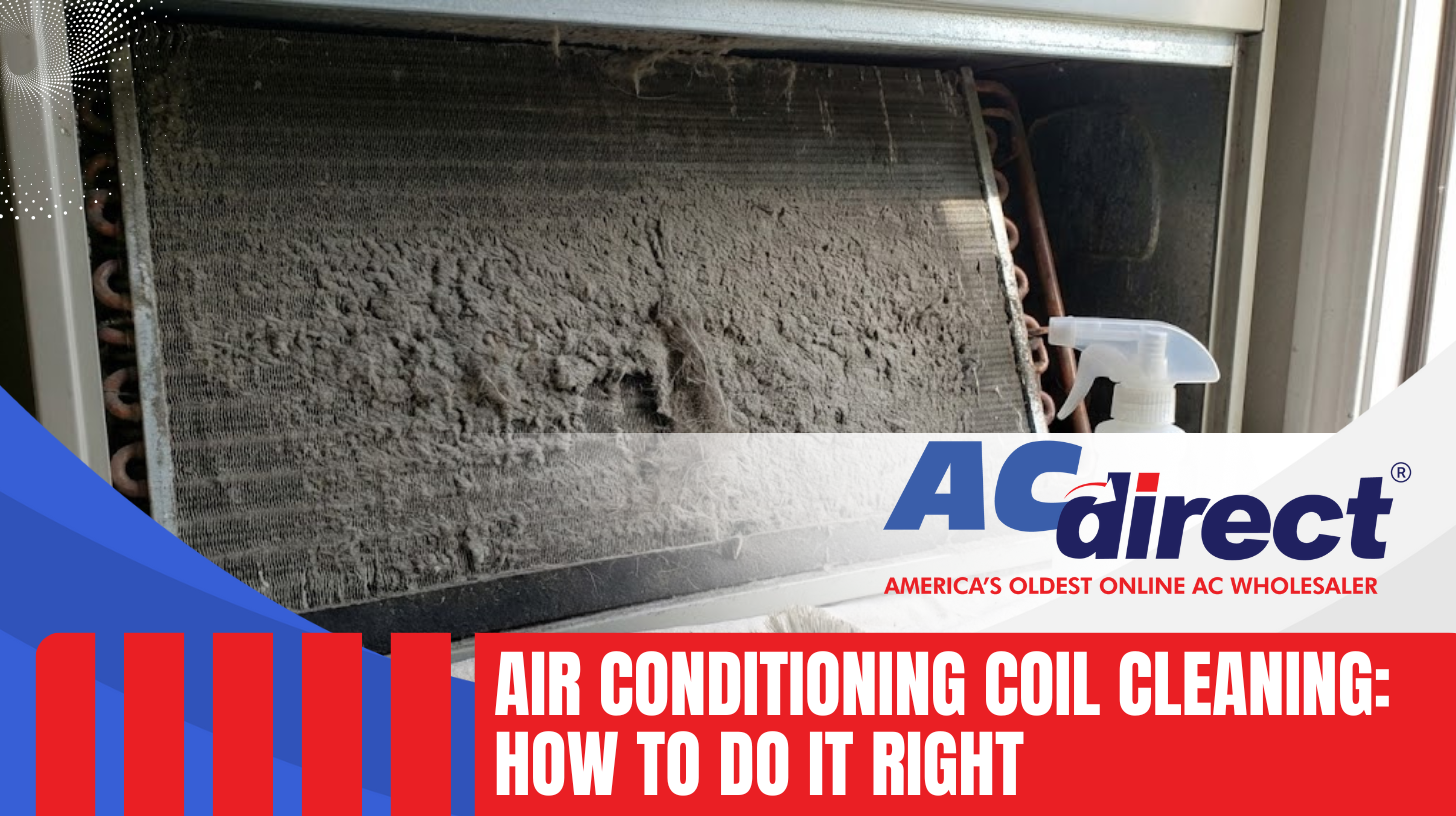
A dirty condenser coil can significantly reduce your HVAC system's efficiency. Dirt, dust, and debris can accumulate on the coil fins, restricting airflow and preventing the coil from effectively releasing heat. This forces your system to work harder and longer to cool your home, resulting in higher energy bills and increased wear and tear on the components. Regular coil cleaning can improve your system's efficiency by as much as 15% to 30%, saving you money on your energy bills and extending the life of your equipment. You may find what you need at Air conditioning wholesalers near me.
Cost of Condenser Coil Replacement
The cost of replacing a condenser coil can vary depending on several factors, including the size and type of your HVAC system, the brand and model of the coil, and the labor costs in your area. On average, you can expect to pay between $700 and $2500 for a complete condenser coil replacement. This cost typically includes the price of the new coil, refrigerant, and the labor to remove the old coil, install the new one, and recharge the system. It's always a good idea to get quotes from multiple HVAC contractors to compare prices and ensure you're getting a fair deal.
DIY vs. Professional Condenser Coil Replacement
Replacing a condenser coil is a complex and potentially dangerous task that requires specialized tools and knowledge of HVAC systems and refrigerants. It's generally not recommended to attempt a DIY condenser coil replacement unless you have extensive HVAC experience and certifications. Improper installation can lead to refrigerant leaks, reduced system efficiency, and even damage to other components. It's always best to hire a qualified HVAC technician for this type of repair to ensure safety and proper functionality.
Improving Energy Efficiency Through Condenser Coil Management
Proper condenser coil management can significantly improve your HVAC system's energy efficiency. This includes regular cleaning, prompt repairs of any leaks or damage, and ensuring proper airflow around the outdoor unit. By keeping your condenser coil in good condition, you can reduce your energy consumption, lower your energy bills, and extend the life of your HVAC system. Also consider that the testing process is complex, 4mxm36avju9 will provide you with some background.
When to Consider a Full HVAC System Replacement
While replacing a damaged condenser coil can often restore your HVAC system's performance, there are times when it makes more sense to consider a full system replacement. If your HVAC system is more than 10-15 years old, or if it's experiencing frequent breakdowns and repairs, it may be more cost-effective to replace the entire unit. Newer HVAC systems are significantly more energy-efficient than older models, which can save you a considerable amount of money on your energy bills over time. Additionally, a full system replacement can provide you with a more reliable and comfortable home environment.
Troubleshooting Common Condenser Coil Problems
Here are some common condenser coil problems and how to troubleshoot them:
- Dirty Coil: Clean the coil with a garden hose and a gentle spray nozzle.
- Bent Fins: Straighten the fins with a fin comb.
- Refrigerant Leaks: Contact an HVAC technician to locate and repair the leak.
- Ice Buildup: Check for restricted airflow or refrigerant problems.
- Corrosion: Consider a coated coil for added protection.
If you're unable to resolve the problem yourself, it's always best to consult with a qualified HVAC technician.
Frequently Asked Questions
What is the primary function of the condenser coil in my HVAC system?
The condenser coil's main job is to release heat from the refrigerant. This process cools the refrigerant down, allowing it to absorb more heat from inside your home and efficiently cool the air.
How often should I clean my HVAC condenser coil?
It's generally recommended to clean your condenser coil at least once a year, ideally before the start of the cooling season. If you live in a dusty or polluted environment, you might need to clean it more frequently. Wright-Hennepin Cooperative Wright-Hennepin Cooperative recommends regular cleaning for efficiency.
What are some common signs that my condenser coil is failing?
Signs of a failing condenser coil include reduced cooling capacity, higher energy bills, strange noises coming from the unit, and visible damage to the coil itself, such as leaks or corrosion.
Can I replace the condenser coil myself, or do I need a professional?
Replacing a condenser coil is a complex task that requires specialized tools and knowledge of HVAC systems and refrigerants. It's generally recommended to hire a qualified HVAC technician for this repair to ensure safety and proper functionality.
How much does it typically cost to replace an HVAC condenser coil?
The cost of replacing a condenser coil can vary widely depending on the size and type of your HVAC system, the brand of the coil, and the labor costs in your area. Expect to pay anywhere from $700 to $2500, or more, for a complete replacement.
Will replacing just the condenser coil improve my HVAC system's efficiency?
Replacing a damaged or inefficient condenser coil can definitely improve your system's efficiency. However, it's also important to consider the age and overall condition of your entire HVAC system. Sometimes, replacing the entire unit might be a more cost-effective long-term solution.
Final Thoughts
HVAC condenser coils are vital to keeping your home cool and comfortable. By understanding how they work, how to maintain them, and what to look for when they start to fail, you can make informed decisions about your HVAC system. Remember that regular maintenance, like cleaning, can go a long way in extending the life of your coil and improving your system's efficiency.
If you suspect a problem with your condenser coil, don't hesitate to contact a qualified HVAC technician for assistance. They can diagnose the problem accurately and recommend the best course of action, whether it's a simple repair or a full replacement.
Ultimately, making smart choices about your HVAC system will help you save money on your energy bills, avoid unexpected repairs, and enjoy a more comfortable home environment.