 and now, NASCAR Racing Sponsor


HVAC Evaporator Coil: Common Problems and Solutions
-
 By
Michael Haines
By
Michael Haines
- Apr 5, 2024
Hi, I'm Mike Haines, founder of AC Direct. Many homeowners don't give much thought to their HVAC evaporator coil, but it's a critical part of your air conditioning system. Understanding how it works, the problems it can face, and how to maintain it can save you money and keep your home comfortable. This information is for you, the homeowner, so you can make informed decisions about your AC system.
Key Highlights
- The evaporator coil is essential for cooling your home by absorbing heat from indoor air.
- Regular cleaning and maintenance of your evaporator coil can prevent costly repairs and extend its lifespan.
- Signs of a failing evaporator coil include reduced cooling, ice buildup, and unusual odors.
- Proper sizing and matching of the evaporator coil with other HVAC components are crucial for efficiency.
- Knowing when to repair versus replace your evaporator coil can save you money in the long run.
What is an HVAC Evaporator Coil?
The evaporator coil is a key component of your air conditioning system, usually located inside your home, often within your furnace or air handler. Its primary function is to absorb heat from the air that's blown across it, thus cooling the air. Think of it as the cold engine of your AC system. Refrigerant flows through the coil, and as warm air passes over it, the refrigerant evaporates, absorbing the heat. This cooled air is then circulated back into your home.
Why is the Evaporator Coil Important for Cooling?
Without a functioning evaporator coil, your air conditioner can’t do its job. The evaporator coil is where the magic happens in terms of cooling. If it's dirty, damaged, or improperly sized, your AC system will struggle to keep your home at the desired temperature, leading to discomfort and higher energy bills. The process of heat absorption is crucial, and any impediment to this process significantly reduces your system's overall efficiency.
Types of Evaporator Coils
Evaporator coils come in several types, each designed for specific HVAC systems and configurations. Here are some common ones:
- A-Coils: Shaped like an "A," these are common due to their large surface area and efficient heat transfer.
- Slab Coils: These are flat and rectangular, often used in older or smaller systems.
- N-Coils: Similar to A-coils but with a slightly different shape, sometimes used for better airflow.
- Cased Coils: These come pre-installed in a cabinet or "case," making installation easier.
- Uncased Coils: These are just the coil itself, requiring custom installation.
The best type for you will depend on your existing HVAC system and the space available.
Choosing the Right Evaporator Coil: Key Considerations
Selecting the right evaporator coil involves several important factors. First, consider the size and capacity needed for your home. This should match the capacity of your outdoor condenser unit. A mismatched system will not operate efficiently. Second, look at the coil material. Copper coils are traditional and offer good heat transfer, while aluminum coils are more affordable and corrosion-resistant. Finally, think about compatibility with your existing system. Not all coils work with all systems, so it's important to ensure they are compatible.
Evaporator Coil Size and Matched Systems
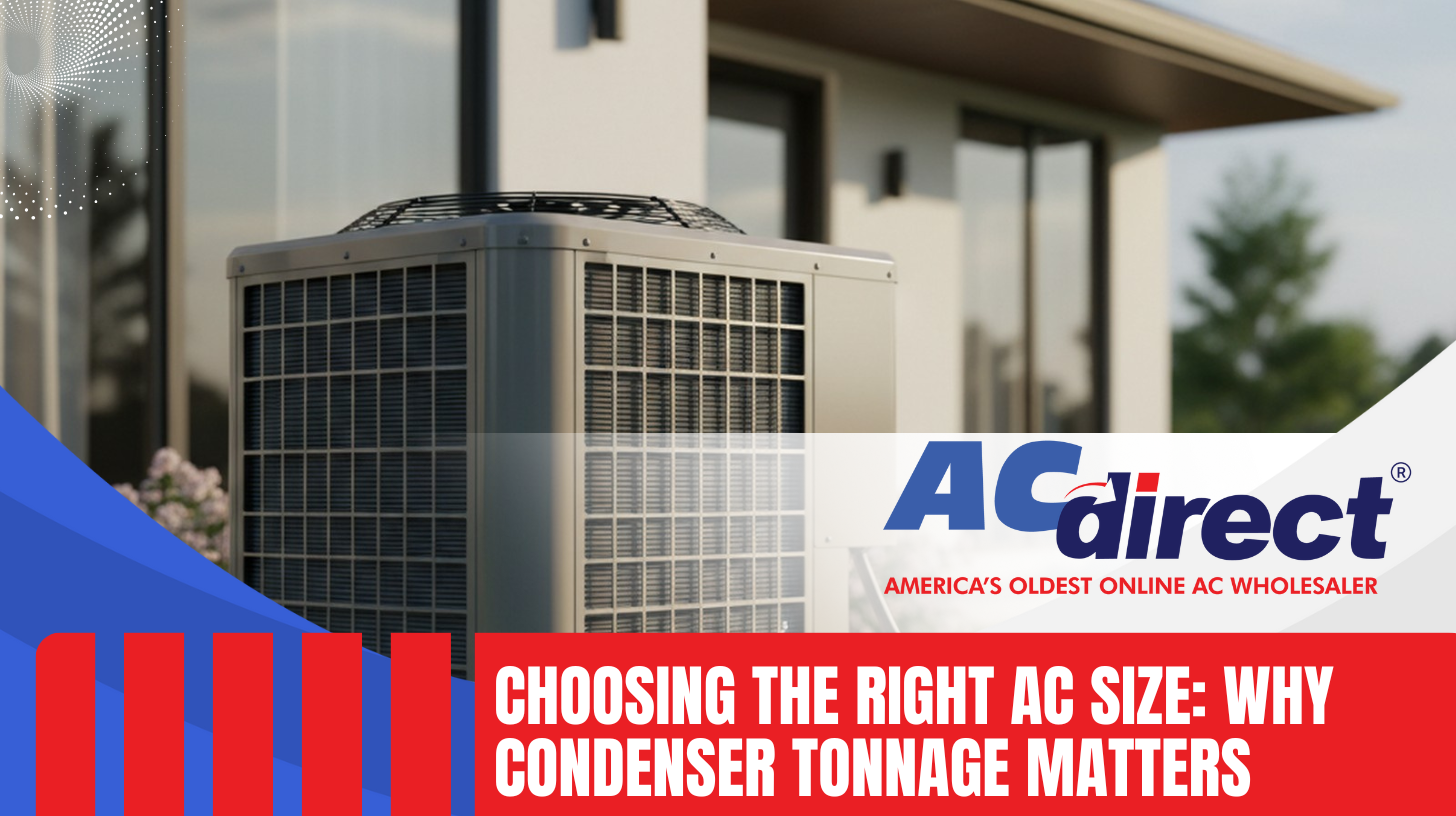
The size of your evaporator coil is directly related to the cooling capacity of your air conditioner, usually measured in tons. Getting the right size is crucial for optimal performance. An undersized coil won't be able to cool your home effectively, while an oversized coil can lead to short cycling and humidity problems. A "matched system" refers to pairing an evaporator coil with a condenser and furnace/air handler that are designed to work together. I always advise homeowners to invest in matched systems to ensure peak efficiency and performance. If you are trying to figure out what size AC unit you need, use our How many tons do i need for ac to help you determine the correct size.
Evaporator Coil Cost: Factors and Price Ranges
The cost of an evaporator coil can vary significantly based on several factors. These include the type of coil, the material it's made from (copper vs. aluminum), the brand, and the labor costs in your area. Generally, you can expect to pay anywhere from $500 to $1500 for the coil itself, and another $300 to $1000 for installation. More complex installations or those requiring modifications to your ductwork can increase the overall cost. Getting quotes from multiple contractors is always a good idea to ensure you're getting a fair price.
Evaporator Coil Efficiency and SEER Ratings
While the evaporator coil itself doesn't have a SEER (Seasonal Energy Efficiency Ratio) rating, it plays a vital role in the overall efficiency of your AC system. A clean, properly sized, and well-maintained evaporator coil will help your system achieve its rated SEER. If the coil is dirty or not matched to the other components, your system's efficiency will suffer, leading to higher energy bills. Remember that a high SEER rating is only achievable when all components are working optimally together. If you're looking at installing a new system, it might be useful to understand How many tons of ac per square foot and how that applies to your home.
Signs of a Failing Evaporator Coil
Recognizing the signs of a failing evaporator coil can help you address problems early and prevent more costly repairs. Common signs include:
- Reduced Cooling Performance: Your AC isn't cooling as well as it used to.
- Ice Buildup on the Coil: This indicates restricted airflow or refrigerant issues.
- Strange Smells: Mold or mildew odors coming from your vents.
- Water Leaks: Water pooling around your indoor unit.
- Higher Energy Bills: Your AC is working harder to maintain the same temperature.
If you notice any of these signs, it's time to call a qualified HVAC technician.
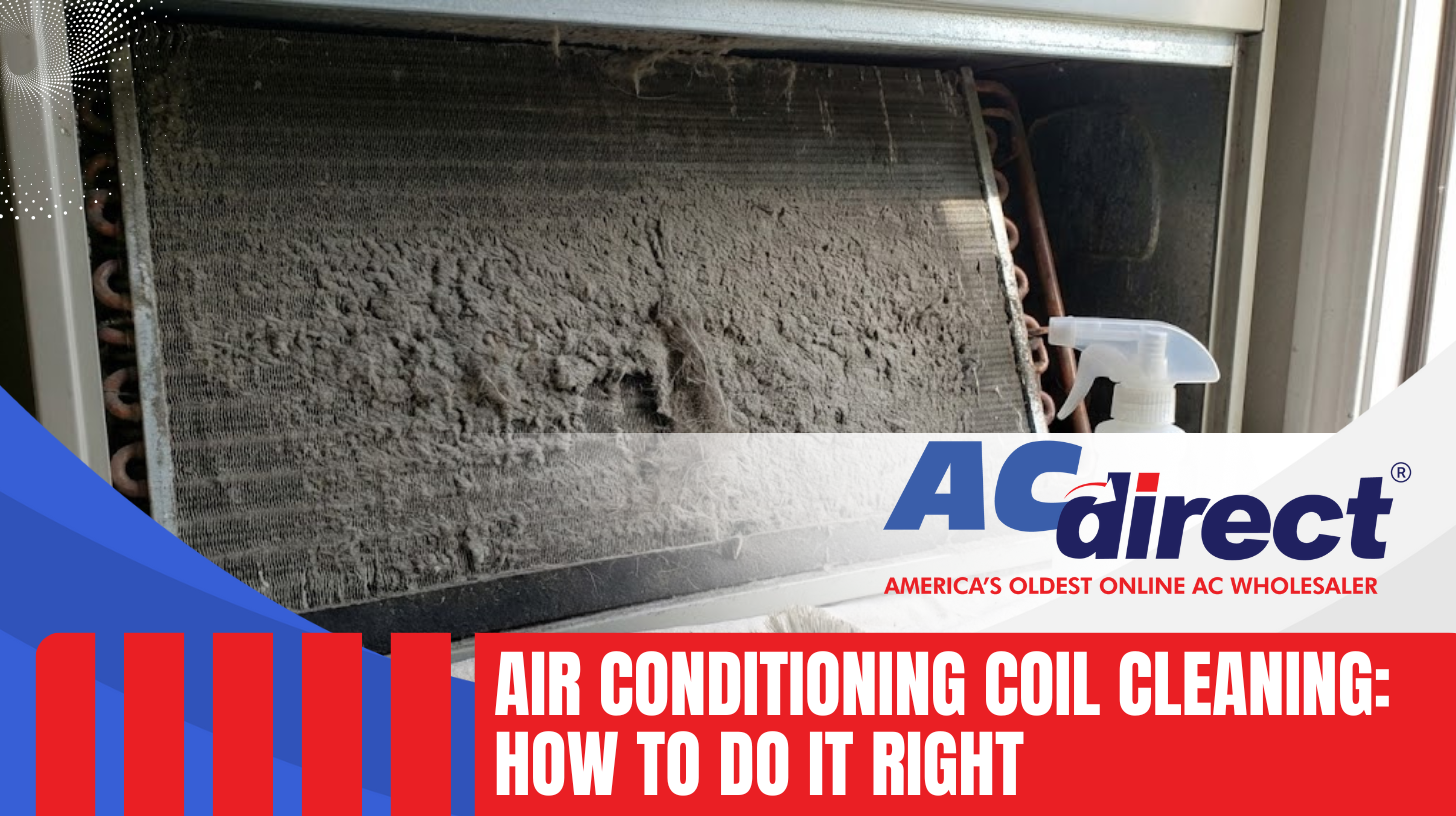
Evaporator Coil Cleaning and Maintenance Tips
Regular cleaning and maintenance are essential for keeping your evaporator coil in good condition. Here are some tips:
- Regular Filter Changes: Change your air filters every 1-3 months to prevent dust and debris from reaching the coil.
- Professional Cleaning: Schedule a professional AC tune-up at least once a year to have the coil cleaned.
- Check for Leaks: Inspect the area around your indoor unit for any signs of water leaks.
- Keep the Area Clear: Make sure there's good airflow around your indoor unit by keeping the area free of obstructions.
Proper maintenance will not only extend the life of your coil but also improve your system's efficiency.
When to Repair vs. Replace Your Evaporator Coil
Deciding whether to repair or replace your evaporator coil depends on several factors, including the age of the coil, the extent of the damage, and the cost of repairs. If your coil is relatively new and the damage is minor, a repair might be the best option. However, if the coil is old, corroded, or has a major leak, a replacement is usually more cost-effective in the long run. I generally advise homeowners to consider replacement if the repair cost is more than half the cost of a new coil, especially if the system is over 10 years old. It may also be time to consider replacing the entire AC system. You can learn more about our AC installation services Glzs4ba6010.
Finding a Qualified HVAC Technician for Evaporator Coil Services
When it comes to evaporator coil repair or replacement, it's crucial to hire a qualified HVAC technician. Look for a technician who is licensed, insured, and experienced in working with evaporator coils. Check online reviews and ask for references to ensure they have a good reputation. A good technician will properly diagnose the problem, explain your options clearly, and perform the work to a high standard. Proper system installation can save you in energy costs, for example United Power provides rebates to their customers who install qualified energy efficient equipment.
Extending the Lifespan of Your Evaporator Coil
You can extend the lifespan of your evaporator coil through consistent care and attention. Regular filter changes are the easiest and most effective way to prevent dust buildup. Annual professional maintenance will catch minor issues before they become major problems. Also, be mindful of the air quality in your home. Excessive dust or pollutants can accelerate the deterioration of the coil. By following these tips, you can help your evaporator coil last longer and perform better.
Frequently Asked Questions
What is the main function of an evaporator coil in my AC system?
The evaporator coil absorbs heat from the air inside your home, cooling it down before it's circulated back into the rooms. It contains refrigerant that evaporates as it absorbs heat.
How often should I have my evaporator coil cleaned?
Ideally, your evaporator coil should be inspected and cleaned at least once a year, preferably in the spring before cooling season begins. This prevents dust and debris buildup which reduces efficiency.
What are some common signs that my evaporator coil is failing?
Common signs include reduced cooling performance, ice buildup on the coil, strange smells coming from your vents, leaking refrigerant, and higher energy bills.
Can I clean the evaporator coil myself, or do I need a professional?
While some homeowners attempt DIY cleaning, it's generally recommended to have a qualified HVAC technician clean your evaporator coil. They have the tools and expertise to properly clean the coil without damaging it or releasing harmful refrigerant.
What is a 'matched system' and why is it important for the evaporator coil?
A matched system means that all components of your HVAC system (condenser, evaporator coil, furnace/air handler) are designed to work together efficiently. An improperly sized or mismatched evaporator coil can significantly reduce overall system performance and efficiency.
How much does it typically cost to replace an evaporator coil?
The cost to replace an evaporator coil can vary depending on the type of coil, the accessibility of the unit, and labor costs in your area. Expect to pay anywhere from $800 to $2500 for the replacement, including parts and labor.
Final Thoughts
The HVAC evaporator coil is a small but mighty component that plays a vital role in keeping your home cool and comfortable. By understanding its function, recognizing the signs of problems, and following proper maintenance practices, you can extend its lifespan and ensure your AC system operates efficiently. Don't underestimate the importance of regular maintenance and professional inspections.
Making informed decisions about your HVAC system is key to saving money and ensuring your comfort. Whether you're considering a repair or a replacement, remember to consult with a qualified HVAC technician to get the best advice for your specific needs.
At AC Direct, we're committed to providing you with the information and products you need to make smart HVAC choices. I hope this has been helpful.