 and now, NASCAR Racing Sponsor


HVAC Evaporator Coils: Problems, Replacement, and Prevention
-
 By
Michael Haines
By
Michael Haines
- Apr 6, 2024
Hi, I'm Mike Haines, founder of AC Direct. I want to talk to you about HVAC evaporator coils. As a homeowner, you might not think about this component very often, but it's essential to keeping your home cool and comfortable. This information is for folks who want to understand their AC system better, recognize potential problems, and make informed decisions about repair or replacement. I will walk you through the basics of evaporator coils, common issues, maintenance tips, and what to consider when it's time for a new one.
Key Highlights
- Evaporator coils are a critical part of your AC system, responsible for absorbing heat and cooling your home.
- Common issues include leaks, corrosion, and freezing, which can reduce cooling efficiency and increase energy bills.
- Regular maintenance, such as cleaning and inspections, can extend the life of your evaporator coil.
- Choosing the right replacement coil and ensuring proper installation are essential for optimal performance.
- Consider the material of the coil (copper vs. aluminum) and match it to your system for best results.
What is an HVAC Evaporator Coil?
The evaporator coil is a key component of your air conditioning system. It's typically located inside your home, often within the indoor air handler or furnace. Its primary job is to absorb heat from the air that passes over it, effectively cooling the air before it's circulated back into your living space. Think of it as the engine that drives your home's cooling process.
The Evaporator Coil's Role in the Cooling Process
Here’s a simplified view of how it works. Refrigerant flows through the evaporator coil. As warm air from your home blows across the coil, the refrigerant absorbs the heat. This causes the refrigerant to change from a liquid to a gas. The cooled air is then pushed back into your home through your ductwork. The gaseous refrigerant then travels to the compressor, located in the outdoor unit, to start the cycle again. Without a properly functioning evaporator coil, your AC system simply can't do its job of cooling your home.
Why Evaporator Coils Matter to Homeowners
As a homeowner, you should care about your evaporator coil for several reasons. First and foremost, its performance directly impacts your comfort. A malfunctioning coil means less cooling and higher indoor temperatures. Secondly, a faulty coil can lead to increased energy consumption and higher utility bills. An inefficient system has to work harder to achieve the same level of cooling. Finally, neglecting evaporator coil problems can result in more extensive and expensive repairs down the road. Taking care of your coil can save you money and hassle in the long run.
Common Evaporator Coil Problems and Symptoms
Several issues can affect the performance of your evaporator coil. Here are some of the most common:
- Refrigerant Leaks: Leaks are a frequent problem, often caused by corrosion or physical damage. Symptoms include reduced cooling, ice buildup on the coil, and hissing sounds.
- Corrosion: Over time, the coil can corrode due to exposure to moisture and chemicals in the air. Corrosion reduces the coil's ability to transfer heat efficiently.
- Freezing: A frozen evaporator coil can occur due to restricted airflow, low refrigerant levels, or a malfunctioning blower motor. Ice buildup prevents the coil from absorbing heat.
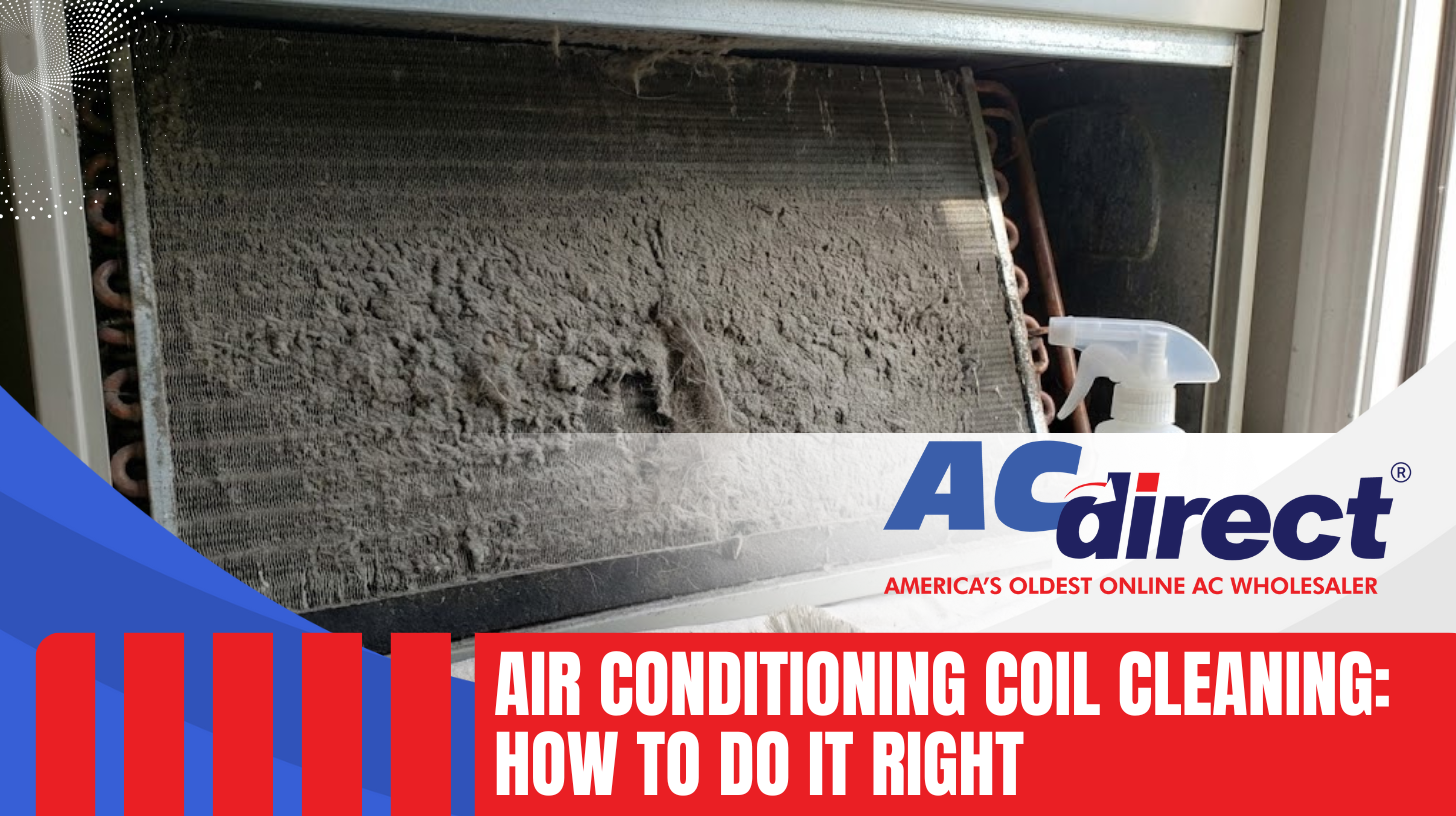
- Dirt and Debris Buildup: Dust, dirt, and other debris can accumulate on the coil, insulating it and reducing its cooling capacity.
If you notice any of these symptoms, it's important to address the issue promptly to prevent further damage to your AC system.
Factors Affecting Evaporator Coil Lifespan
The lifespan of your evaporator coil can vary depending on several factors. These include:
- Climate: Humid climates can accelerate corrosion.
- Air Quality: Poor indoor air quality, with high levels of dust and pollutants, can lead to faster buildup on the coil.
- Maintenance: Regular cleaning and inspections can significantly extend the life of your coil.
- Usage: The more frequently your AC system runs, the harder the evaporator coil works, potentially shortening its lifespan.
Being mindful of these factors can help you take steps to protect your evaporator coil and maximize its longevity.
Choosing the Right Evaporator Coil: Key Considerations
When it comes time to replace your evaporator coil, there are several things to keep in mind. First, ensure the new coil is compatible with your existing AC system. This includes matching the size and capacity of the coil to your air handler and condenser. A mismatched coil can lead to poor performance and even damage to your system. You might consider a Ptac air conditioner for your home if space is a constraint and you want a self-contained unit.
Evaporator Coil Materials: Copper vs. Aluminum
Evaporator coils are typically made of either copper or aluminum. Copper coils have been traditionally favored for their durability and heat transfer capabilities. However, aluminum coils are becoming increasingly popular due to their lower cost and resistance to certain types of corrosion. Each material has its pros and cons, and the best choice for you will depend on your specific needs and budget.
Matching Evaporator Coils to Your AC System
Properly matching your evaporator coil to the rest of your AC system is vital for optimal performance and efficiency. The coil's capacity, measured in BTUs (British Thermal Units), must be compatible with the capacity of your condenser unit. An undersized coil will struggle to cool your home effectively, while an oversized coil can lead to humidity problems. For example, you can review the Rxc12axvju to see how specific models are designed to work together. Always consult with a qualified HVAC technician to ensure you select the right coil for your system.
The Importance of Proper Evaporator Coil Installation
Even the best evaporator coil won't perform well if it's not installed correctly. Proper installation involves ensuring the coil is properly connected to the refrigerant lines, that the airflow is optimized, and that the system is properly sealed. Poor installation can lead to leaks, reduced efficiency, and premature failure. I always recommend hiring a qualified HVAC technician to handle the installation process.
Evaporator Coil Cleaning and Maintenance Tips
Regular cleaning and maintenance are essential for keeping your evaporator coil in good condition. Here are a few tips:
- Regular Filter Changes: Change your air filters regularly (every 1-3 months) to prevent dust and debris from accumulating on the coil.
- Professional Cleaning: Schedule professional AC maintenance at least once a year to have your evaporator coil cleaned and inspected.
- Inspect for Ice Buildup: Periodically check your coil for ice buildup, especially during periods of heavy AC use.
- Keep the Area Clean: Keep the area around your indoor unit free of clutter to ensure proper airflow.
These simple steps can help extend the life of your coil and maintain its efficiency.
Estimated Evaporator Coil Replacement Costs
The cost to replace an evaporator coil can vary depending on several factors, including the type of coil, the complexity of the installation, and your location. On average, you can expect to pay anywhere from several hundred to over a thousand dollars for a replacement. It's always a good idea to get quotes from multiple HVAC contractors to compare prices and services. Also, be mindful of prices that seem too good to be true. They may indicate cut corners and low-quality equipment.
When to Repair vs. Replace Your Evaporator Coil
Deciding whether to repair or replace your evaporator coil can be a tough decision. In general, if the coil is relatively new and the problem is minor (such as a small leak), repair might be a viable option. However, if the coil is old, heavily corroded, or has suffered major damage, replacement is usually the best choice. Replacement is also the better option if the cost of repairs is close to the cost of a new coil. A new coil will offer improved efficiency and reliability.
Finding a Qualified HVAC Technician for Evaporator Coil Services
When it comes to evaporator coil repair or replacement, it's crucial to hire a qualified and experienced HVAC technician. Look for a technician who is licensed, insured, and has a proven track record of quality work. Ask for references and read online reviews to get a sense of their reputation. A skilled technician will be able to accurately diagnose the problem, recommend the best solution, and perform the work to a high standard. If you have a larger space, finding someone who understands 150000 btu furnace requirements is vital.
Extending the Life of Your HVAC System
Taking care of your evaporator coil is just one part of maintaining your overall HVAC system. Regular maintenance, prompt repairs, and smart usage habits can all help extend the life of your system and keep it running efficiently. Consider things like keeping your outdoor unit clean and free of debris, sealing air leaks in your home, and using a programmable thermostat to optimize your energy consumption. Also, consider the source of your energy. Talk to an expert at CORE Electric Cooperative for more info.
DIY Evaporator Coil Checks: What You Can Do
While I always recommend professional HVAC service, there are a few things you can do yourself to check on your evaporator coil. Visually inspect the coil for ice buildup or excessive dirt. Listen for any unusual noises coming from your indoor unit. Check your air filters regularly and replace them when they're dirty. These simple checks can help you identify potential problems early on and take action before they escalate.
Frequently Asked Questions
What is the primary function of an evaporator coil in an air conditioner?
The evaporator coil absorbs heat from your indoor air, cooling it down before it's circulated back into your home. It's a crucial component of the cooling process.
How can I tell if my evaporator coil is failing?
Common signs include reduced cooling performance, ice buildup on the coil, unusual noises from your AC unit, and a musty odor coming from the vents.
Is it possible to clean an evaporator coil myself, or should I always hire a professional?
While some basic cleaning can be done yourself (like cleaning the area around the unit), it's generally recommended to have a professional clean the evaporator coil. They have the tools and expertise to do it safely and effectively.
What is the typical lifespan of an HVAC evaporator coil?
A well-maintained evaporator coil can last 10-15 years, but factors like climate, usage, and maintenance can affect its lifespan.
How important is it to match the evaporator coil to the rest of my AC system?
Matching the evaporator coil to the condenser and other components is crucial for optimal performance and efficiency. A mismatched coil can lead to reduced cooling capacity, higher energy bills, and potential damage to your system.
What are the benefits of using a UV light on my evaporator coils?
A UV light system installed by your evaporator coils can help kill mold and mildew, keeping your coils clean and efficient. This has the added benefit of cleaner, healthier air in your home.
Final Thoughts
Understanding your HVAC evaporator coil is essential for maintaining a comfortable and energy-efficient home. By being aware of common problems, taking steps to prevent issues, and knowing when to seek professional help, you can extend the life of your coil and avoid costly repairs. Remember, regular maintenance and proper installation are key to maximizing the performance and longevity of your AC system.
I hope this information has been helpful. My goal is to empower you to make informed decisions about your HVAC needs. If you have any further questions or need assistance with evaporator coil replacement, don't hesitate to contact a qualified HVAC technician or reach out to us at AC Direct. We are here to help you find the best solutions for your home comfort needs.
Making smart choices about your HVAC system not only improves your comfort but also saves you money in the long run. Take the time to research your options, ask questions, and invest in quality equipment and service. Your home and your wallet will thank you for it.